Rascals case in brief
In the beginning, in 1989, more than 90 children at the Little Rascals Day Care Center in Edenton, North Carolina, accused a total of 20 adults with 429 instances of sexual abuse over a three-year period. It may have all begun with one parent’s complaint about punishment given her child.
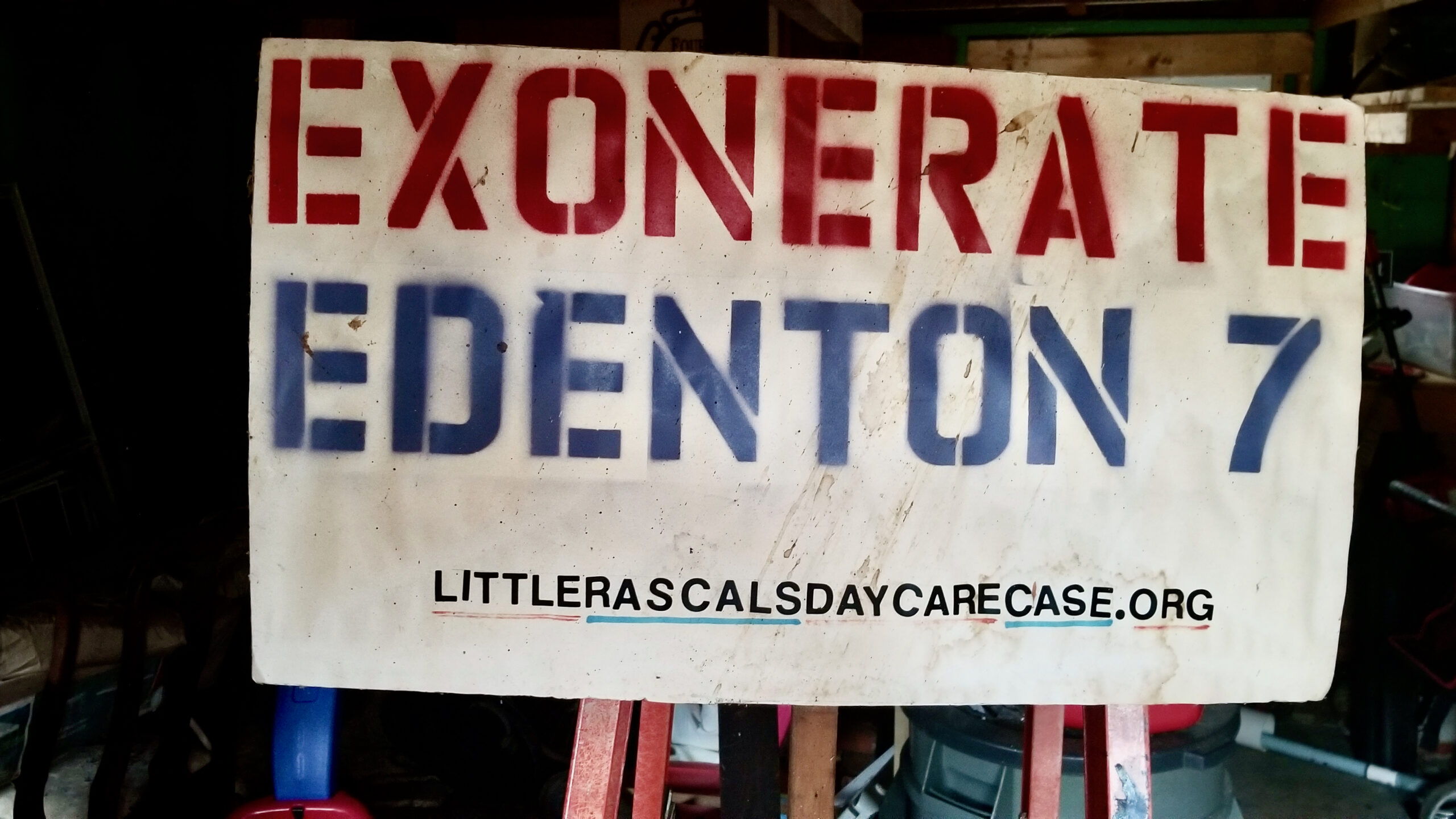
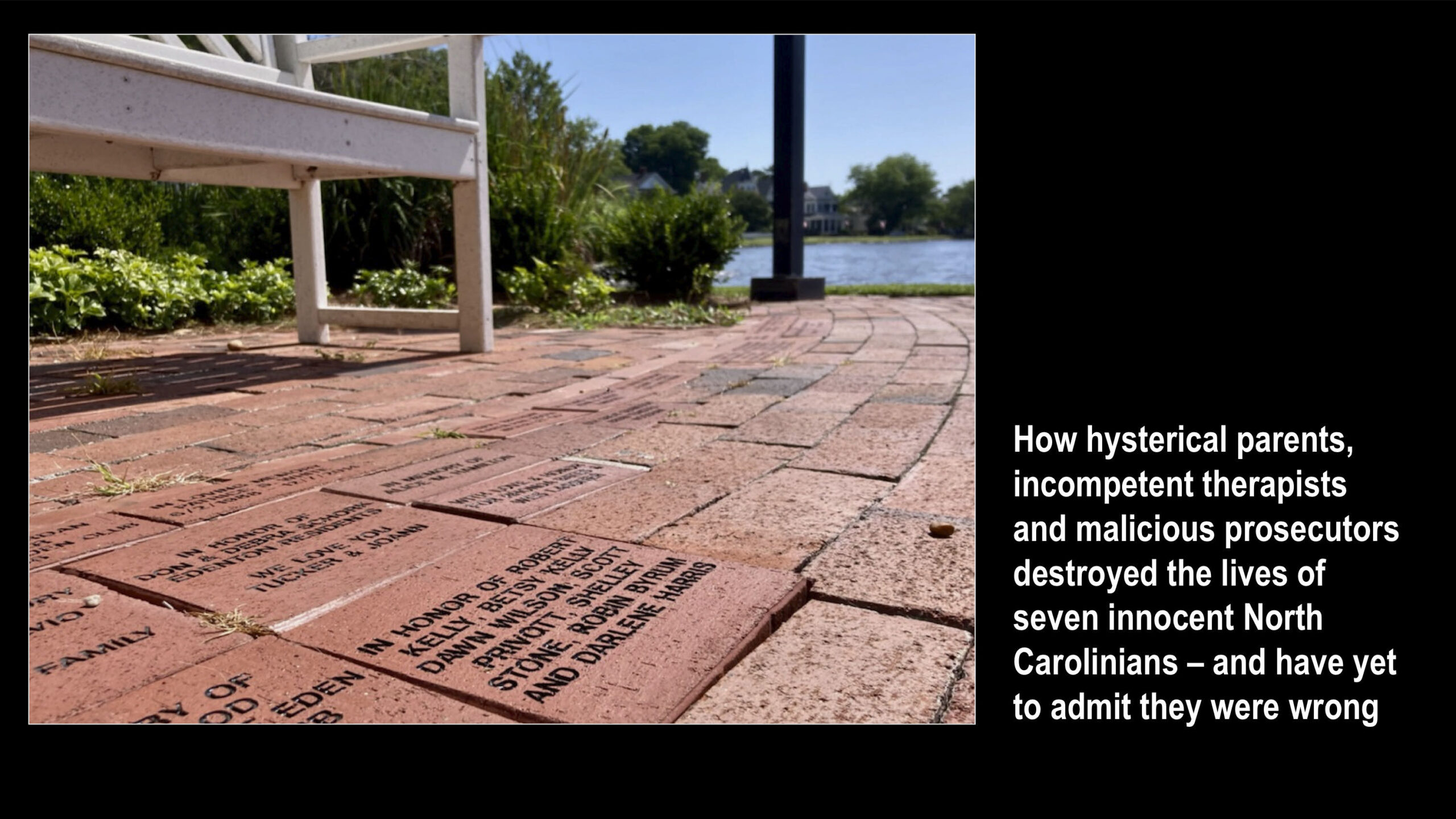
Among the alleged perpetrators: the sheriff and mayor. But prosecutors would charge only Robin Byrum, Darlene Harris, Elizabeth “Betsy” Kelly, Robert “Bob” Kelly, Willard Scott Privott, Shelley Stone and Dawn Wilson – the Edenton 7.
Along with sodomy and beatings, allegations included a baby killed with a handgun, a child being hung upside down from a tree and being set on fire and countless other fantastic incidents involving spaceships, hot air balloons, pirate ships and trained sharks.
By the time prosecutors dropped the last charges in 1997, Little Rascals had become North Carolina’s longest and most costly criminal trial. Prosecutors kept defendants jailed in hopes at least one would turn against their supposed co-conspirators. Remarkably, none did. Another shameful record: Five defendants had to wait longer to face their accusers in court than anyone else in North Carolina history.
Between 1991 and 1997, Ofra Bikel produced three extraordinary episodes on the Little Rascals case for the PBS series “Frontline.” Although “Innocence Lost” did not deter prosecutors, it exposed their tactics and fostered nationwide skepticism and dismay.
With each passing year, the absurdity of the Little Rascals charges has become more obvious. But no admission of error has ever come from prosecutors, police, interviewers or parents. This site is devoted to the issues raised by this case.
On Facebook


Little Rascals Day Care Case
This Facebook page is an offshoot of littlerascalsdaycarecase.org, which addresses the wrongful prosecution of the Edenton Seven and other such victims.

Meanwhile in Edenton....
This content isn't available right now
When this happens, it's usually because the owner only shared it with a small group of people, changed who can see it or it's been deleted.0 CommentsComment on Facebook
Allies for our cause!
This content isn't available right now
When this happens, it's usually because the owner only shared it with a small group of people, changed who can see it or it's been deleted.0 CommentsComment on Facebook
The courts have a long history of capriciously pulling the rug out from under Junior's appeals, but maybe this time....
This content isn't available right now
When this happens, it's usually because the owner only shared it with a small group of people, changed who can see it or it's been deleted.0 CommentsComment on Facebook
Click for earlier Facebook posts archived on this site
Click to go to

Today’s random selection from the Little Rascals Day Care archives….
Kelly used hard work to survive hard time
Oct. 21, 2011
How would you handle six years behind bars after being wrongfully convicted? Here’s how Bob Kelly did it:
 “In jail (in Chowan County before being found guilty) there was nothing but sitting and waiting. Central Prison was easier – I could work.
“A warden told me, ‘Whoever kills Bob Kelly will have a trophy. I can put you in lockup, where you’ll be safe.’ But that would’ve meant spending 23 hours a day in a cell. I said, ‘Put me in the general population. I’ve got 12 life sentences, and I’m not going to do my time hiding.’
“But I tried to be smart. It was two years before I went outside in the yard. All I could think of was, if I got in a fight, how would that affect the appellate court?… Only one time did a jailhouse gangster lay his hands on me, and I realized I had to stand up to him to keep it from happening again….
“My first job was janitor in G block. I waxed the floor, emptied the trash, kept it like my home. They don’t allow bleach, because it would get thrown in the guards’ eyes, but I managed to talk a guy in the laundry room out of a bottle. It was great for spraying down the showers. My block was the only one in the whole prison that smelled like Clorox….
“My next job was running the canteen for lockup. The guys who had been there before me had watered down the Cokes and coffee and pocketed the difference. I wanted to run the best canteen I could, so I started giving full measure….
“You know what the other prisoners said? ‘You’re stupid – don’t you know you could be making money?”
An expertise ‘contrary to science and common sense’
 March 7, 2013
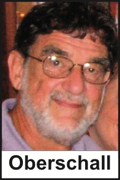
Anthony Oberschall’s “Why False Beliefs Prevail: the Little Rascals Child Sex Abuse Prosecutions” appeared in “Essays in Honor of Raymond Boudon” (2000).
Most saliently, the UNC sociologist argues that “hysteria” and “moral panic” are inadequate to describe what happened in Edenton. Rather, he sees the town – and the Little Rascals defendants – as victims of the purveyors of “pseudoscience”:
“When child sexual abuse became a national issue, the medical profession, academic psychology and social science were just starting to study it scientifically…. The legal profession lacked experience with trial testimony of pre-schoolers and admission of hearsay testimony by parents and therapists….Meanwhile thousands of child sex abuse allegations had to be dealt with.
“In the absence of proven knowledge, a child sex abuse industry of self-appointed ‘experts’ based on pseudo-science filled the demand for training and informing child protection service workers, social workers, police investigators, prosecutors, therapists and others…. They were convinced they were saving America’s children, even though their methods and knowledge were contrary to science and to common sense. In Edenton, the prosecution and the investigators relentlessly labored to supplant common sense with false beliefs based on pseudo-science, (and) they succeeded….”
Working with UNC journalism student David Loomis on his master’s thesis detailing news coverage of the case, Oberschall “tried to survey Edenton households by mail (picked names at random from a phone book), but got less than a 10 percent return rate. It was obvious people there didn’t want anything to do with an outsider, a scholar.”
Rebuffed, Oberschall drove to Edenton himself and conducted perhaps a dozen interviews, which he made use of both in “Why False Beliefs Prevail” and in this more detailed draft working paper from 2010.
Chandler’s hopes rest with innocence project
May 6, 2013
When last we left Junior Chandler, his former appellate defender, Mark Montgomery, had asked North Carolina Prisoner Legal Services to look into the case.
But NCPLS requires the prisoner himself to request help, and that hasn’t happened. “Like a lot of the old-timers, Junior does not think they (NCPLS) are worth much,” Montgomery says. “There was a big shake up there a few years ago, and they are now very aggressive and as effective as anybody in post-conviction cases. I am going to encourage Junior (again) to ask for their help….”
Meanwhile, he has pitched Junior’s case to Christine Mumma at the N.C. Center on Actual Innocence.
Here’s the essential “evidence of actual innocence” that Montgomery offered Mumma:
“Lathern Hensley (a.k.a. Buddy Norton) was one of the adult mentally retarded riders on Junior’s bus. He and another woman testified that Junior did stuff, and they helped. They each got probation-only plea deals. I found Hensley, but his guardian wouldn’t let me talk with him. The Actual Innocence folks (with powers granted by the state) could insist on talking with Hensley. I think he would say that he was pressured into lying on the stand.”
This is just the latest long shot in overturning Junior’s wrongful conviction, and even if the Center on Actual Innocence agrees to take the case, the process is anything but swift. As the Center’s website cautions, “We counsel patience to inmates and their families during the investigative phase as the process of gathering additional documentation; identifying, locating and interviewing witnesses; and completing many other investigative tasks can take several years.”
Grandmother blames ‘Kelly magic’ for outlandish tales
Jan. 18, 2013
““I am the grandmother of a Little Rascals Day Care victim, and I am greatly disturbed by many responses to ‘Innocence Lost: The Verdict.’
“Wake up out there! Do you think everything you see on television is true? The bizarre stories told by some of the children are unbelievable to the unknowing adult – being cooked in microwave ovens, going on spaceships – but by some Kelly magic, the children were brainwashed to believe them. I repeat! Wake up America.”
– From a letter to the editor of the Chowan Herald by Frances P. Wilkins of Edenton (Aug. 26, 1993)