Rascals case in brief
In the beginning, in 1989, more than 90 children at the Little Rascals Day Care Center in Edenton, North Carolina, accused a total of 20 adults with 429 instances of sexual abuse over a three-year period. It may have all begun with one parent’s complaint about punishment given her child.
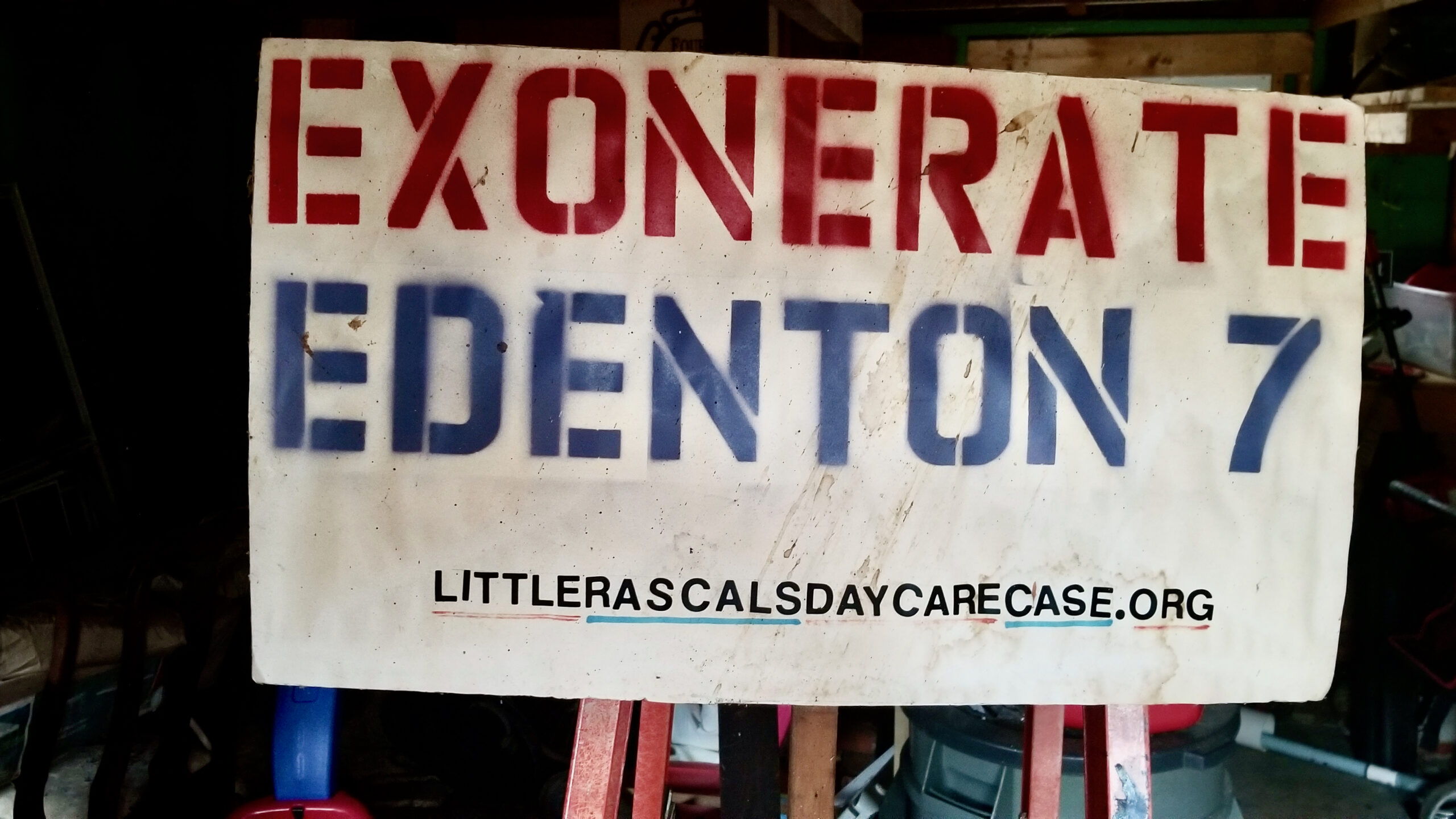
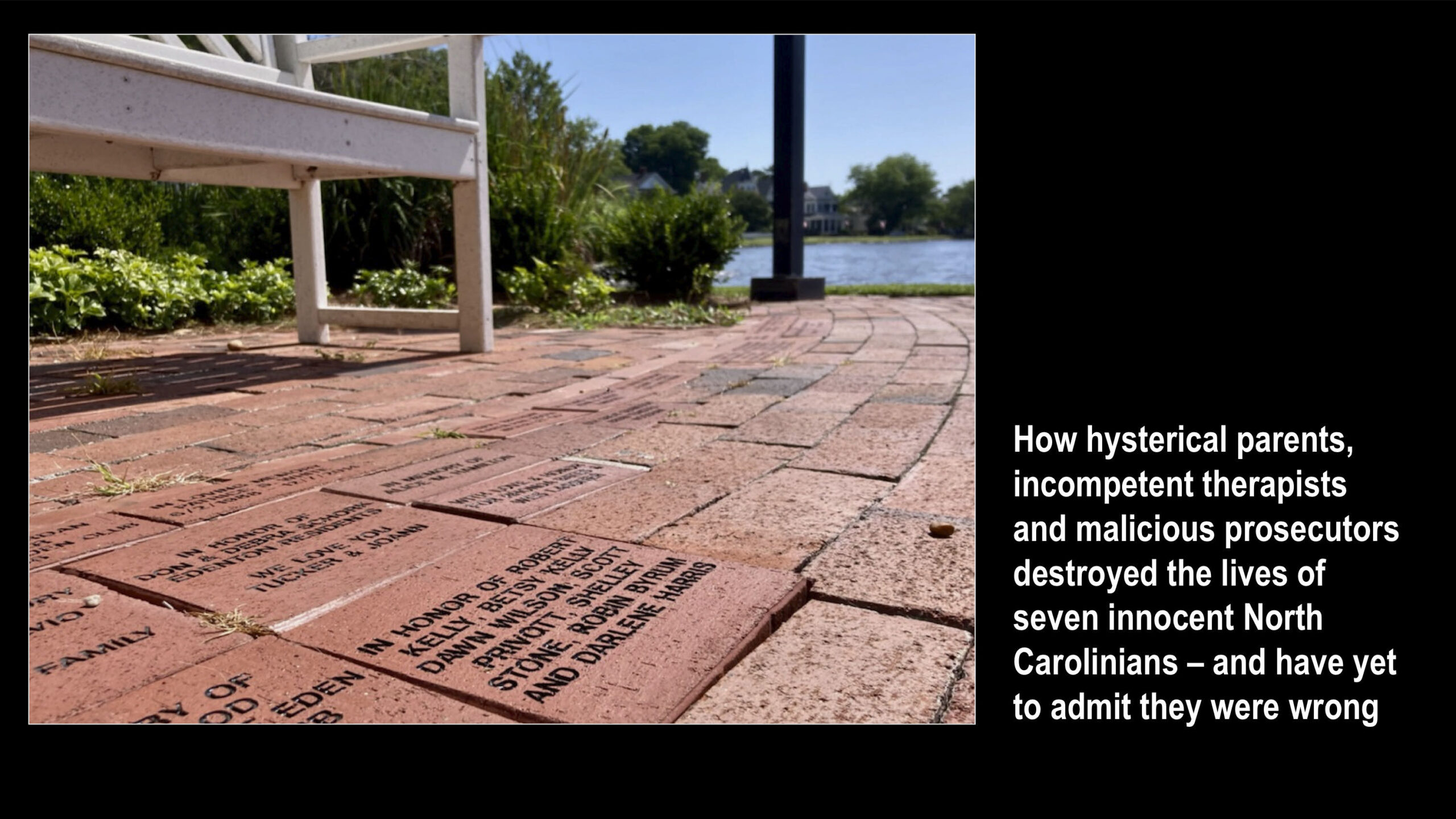
Among the alleged perpetrators: the sheriff and mayor. But prosecutors would charge only Robin Byrum, Darlene Harris, Elizabeth “Betsy” Kelly, Robert “Bob” Kelly, Willard Scott Privott, Shelley Stone and Dawn Wilson – the Edenton 7.
Along with sodomy and beatings, allegations included a baby killed with a handgun, a child being hung upside down from a tree and being set on fire and countless other fantastic incidents involving spaceships, hot air balloons, pirate ships and trained sharks.
By the time prosecutors dropped the last charges in 1997, Little Rascals had become North Carolina’s longest and most costly criminal trial. Prosecutors kept defendants jailed in hopes at least one would turn against their supposed co-conspirators. Remarkably, none did. Another shameful record: Five defendants had to wait longer to face their accusers in court than anyone else in North Carolina history.
Between 1991 and 1997, Ofra Bikel produced three extraordinary episodes on the Little Rascals case for the PBS series “Frontline.” Although “Innocence Lost” did not deter prosecutors, it exposed their tactics and fostered nationwide skepticism and dismay.
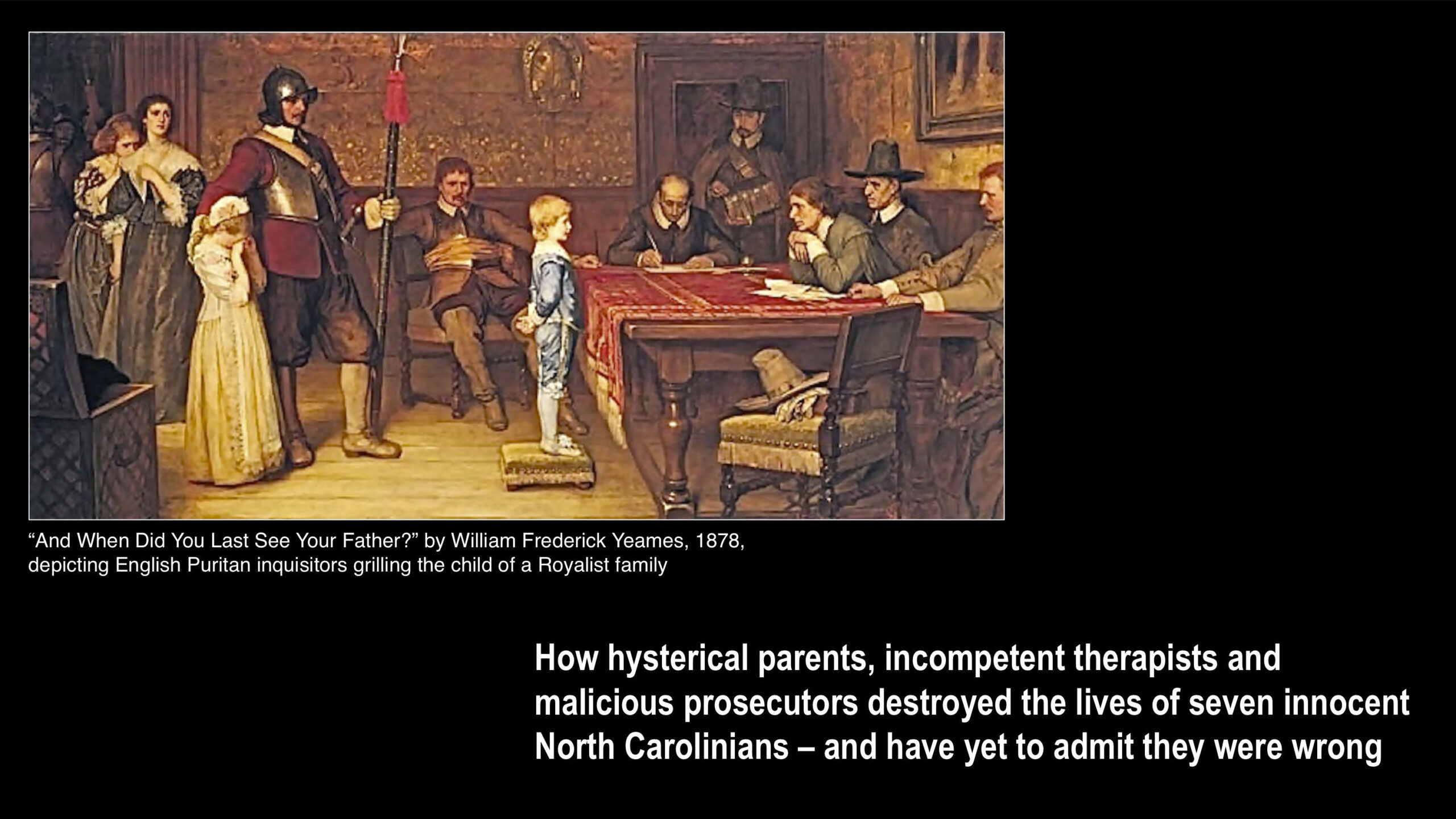
With each passing year, the absurdity of the Little Rascals charges has become more obvious. But no admission of error has ever come from prosecutors, police, interviewers or parents. This site is devoted to the issues raised by this case.
On Facebook


Little Rascals Day Care Case
This Facebook page is an offshoot of littlerascalsdaycarecase.org, which addresses the wrongful prosecution of the Edenton Seven and other such victims.

Meanwhile in Edenton....
This content isn't available right now
When this happens, it's usually because the owner only shared it with a small group of people, changed who can see it or it's been deleted.0 CommentsComment on Facebook
Allies for our cause!
This content isn't available right now
When this happens, it's usually because the owner only shared it with a small group of people, changed who can see it or it's been deleted.0 CommentsComment on Facebook
The courts have a long history of capriciously pulling the rug out from under Junior's appeals, but maybe this time....
This content isn't available right now
When this happens, it's usually because the owner only shared it with a small group of people, changed who can see it or it's been deleted.0 CommentsComment on Facebook
Click for earlier Facebook posts archived on this site
Click to go to

Today’s random selection from the Little Rascals Day Care archives….
Newspaper saw Kelly conviction as ‘breakthrough’
Oct. 2, 2013
“…It’s understandable that this week’s conviction of former day-care center owner Robert Fulton Kelly Jr. in Farmville, N.C., is being hailed as a breakthrough…. The conviction increases public awareness of child abuse, serves notice that children should be taken seriously when they show signs of abuse, and calls attention to improved methods of handling such prosecutions.
“Since another long and costly child abuse case at a California day-care center nearly a decade ago that ended less conclusively than the one in North Carolina, prosecutors have learned much. They have learned how to question children without prompting them, have developed better investigative methods, and have improved the coordination between different agencies.
“But that’s not enough. Parents need to be more alert to detecting possible child abuse and more careful about picking safe, responsible day care centers. Despite this week’s conviction… it would be wrong and unfair to conclude that many day-care workers are degenerates.”
– From “How to Guard Against Child Abuse” in the Deseret News of Salt Lake City (April 25 1992)
During the era of day-care ritual-abuse allegations, most newspaper editorials managed to maintain at least a modicum of skepticism. Not this one – unless you count the Deseret News’ acknowledging a modicum of doubt “that many day-care workers are degenerates.”
What jurors learned from ‘Every Mother’s Worst Fear’
April 2, 2012
Among the contaminants reported in the deliberations of the first Little Rascals jury was a Redbook article used to profile Bob Kelly as a child molester. Its content never was detailed, so I looked it up (thanks yet again, Charlotte Mecklenburg Library).
Beneath the panic-inducing headline – “Why I’m Every Mother’s Worst Fear” – I was surprised to find virtually nothing relevant to day cares. Instead, the author offered insights such as:
“There are far more child molesters who operate like me than there are those who forcibly kidnap children. What the abductors do makes the headlines. What I do is more common and less noticeable. Most child molesters are established in our communities, known to others as just another good neighbor. We may even be married with kids of our own.”
An editor’s note drove home the point: “Finally, believe a child who reports a sexual overture or encounter, no matter how respectable or unlikely the accused person might seem.”
These descriptions, of course, fit the crazy-making template for ritual-abuse prosecutions:
If he seems like a child abuser, then he is.
If he doesn’t seem like a child abuser, then he is – “no matter how unlikely.”
‘Satanic ritual abuse’: A product of its era’s mythology
Feb. 3, 2017
“Recall that after the 1970s there ensued a decade of moral panic over child sex abuse – including so-called satanic ritual abuse. Off-camera in The Exorcist [1973], the possessed Regan performed a Black Mass. In a film shot in the 1980s, her role in such satanic proceedings would have been quite opposite. In the mythology of that decade, the child is never a demon; the child is a victim of demons (i.e., pedophiles, satan-worshiping or not).
“Importantly, the tales of satanic ritual abuse that roiled the 1980s were nonsense, since discredited – as fantastical as any account of demonic possession. Yet they were believed, often beyond a reasonable doubt….”
– From “Fear of Children: What ‘The Exorcist’ Makes Us Confront” by Julia Yost at First Matters (Oct. 31, 2014)

Hit-and-run prosecutors, therapists don’t look back
 Feb. 24, 2012
“Samuel Sewall was one of nine judges appointed to hear the Salem witch trials in 1692.
“Five years later he stood up in church in front of the congregation while the minister read out his apology.
“None of his colleagues on the bench followed suit.”
– From “Judge Sewall’s Apology: The Salem Witch Trials and the Forming
of an American Conscience” by Richard Francis (2005)
No regret – or even doubt! – has ever been expressed by Judge Marsh McLelland, by prosecutors H.P. Williams, Nancy Lamb or Bill Hart or by the misguided therapists who served not the children but the Little Rascals prosecution team.
Do they ever give a passing thought to the lives they ruined?