Rascals case in brief
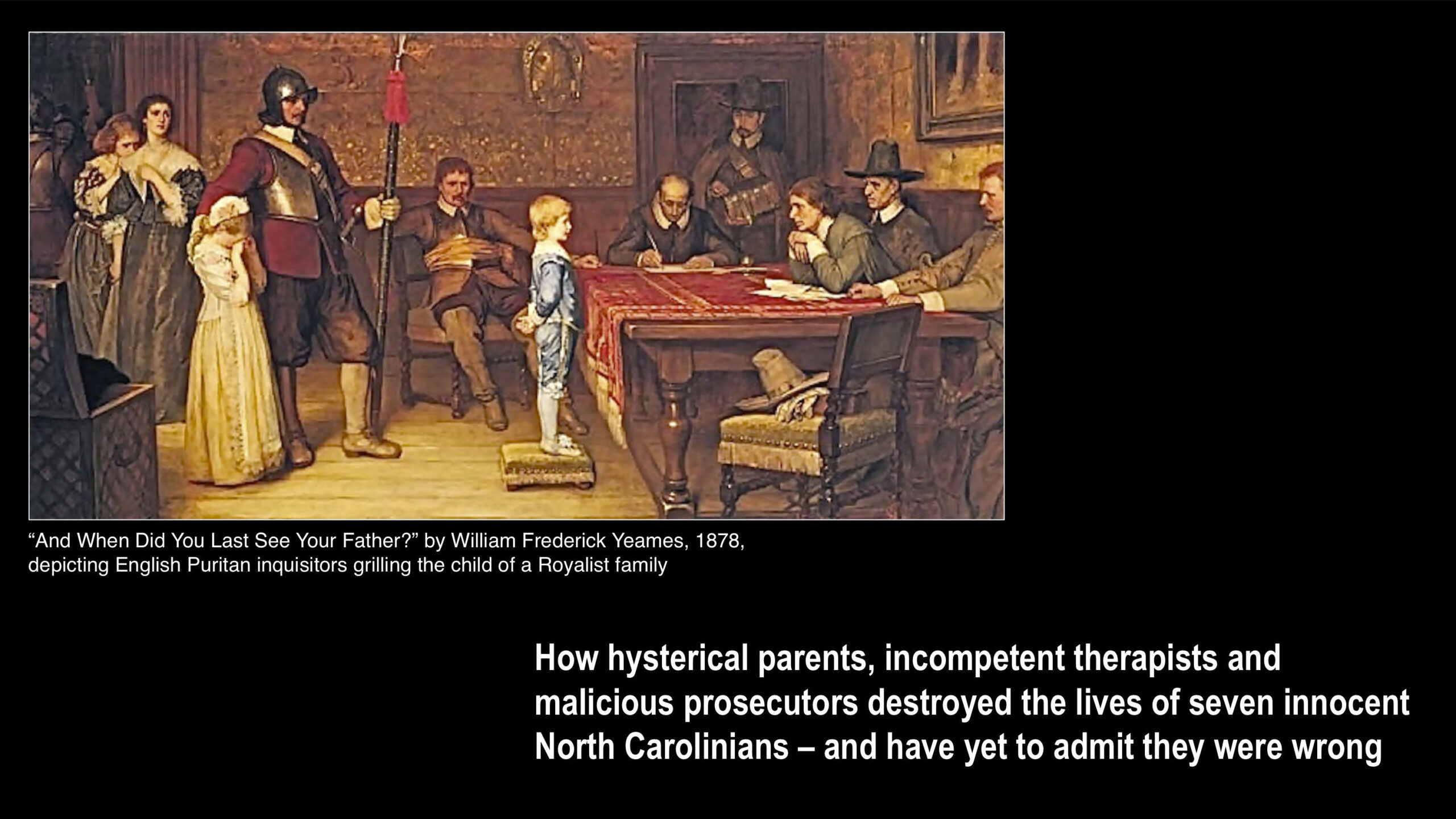
In the beginning, in 1989, more than 90 children at the Little Rascals Day Care Center in Edenton, North Carolina, accused a total of 20 adults with 429 instances of sexual abuse over a three-year period. It may have all begun with one parent’s complaint about punishment given her child.
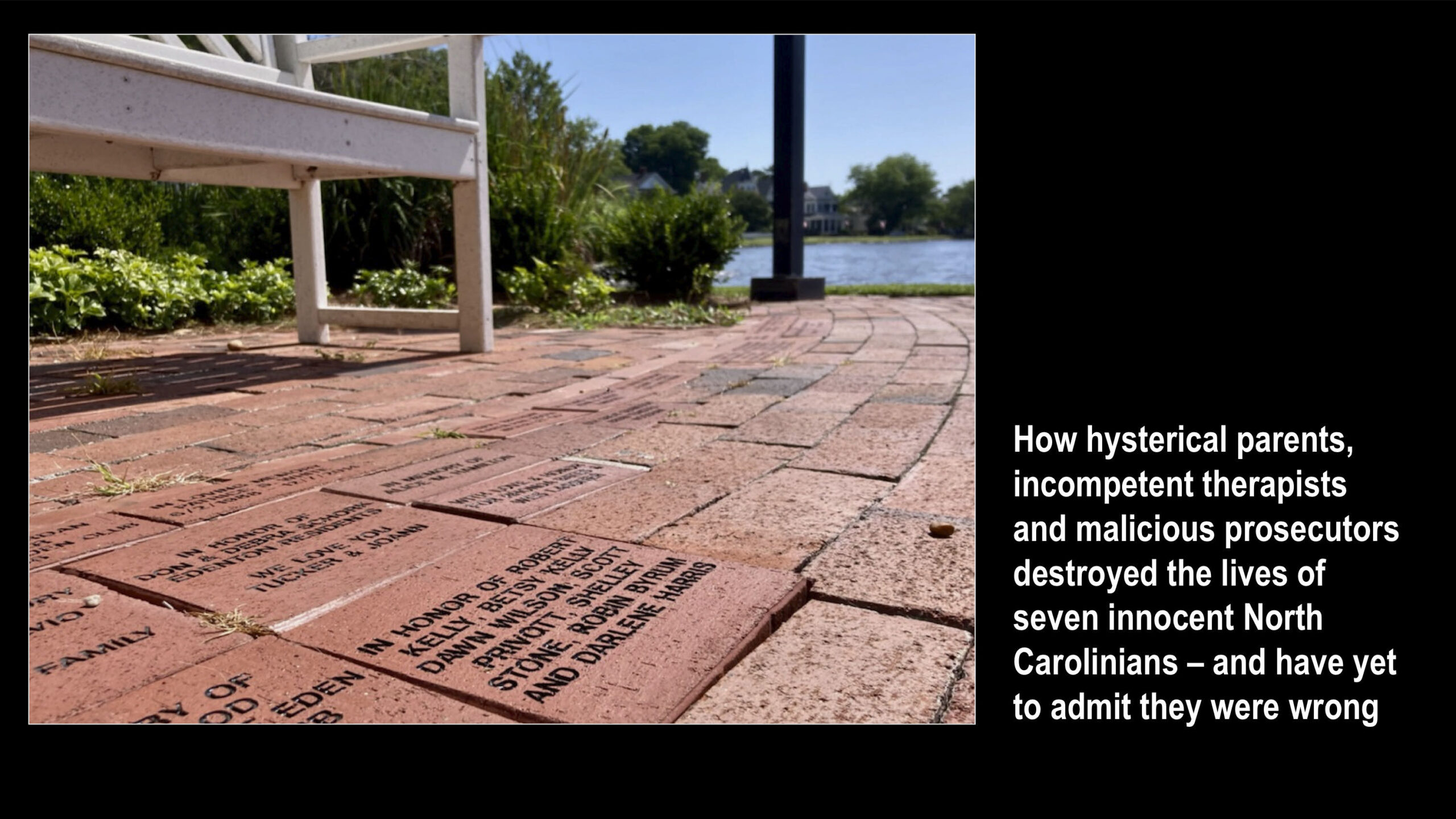
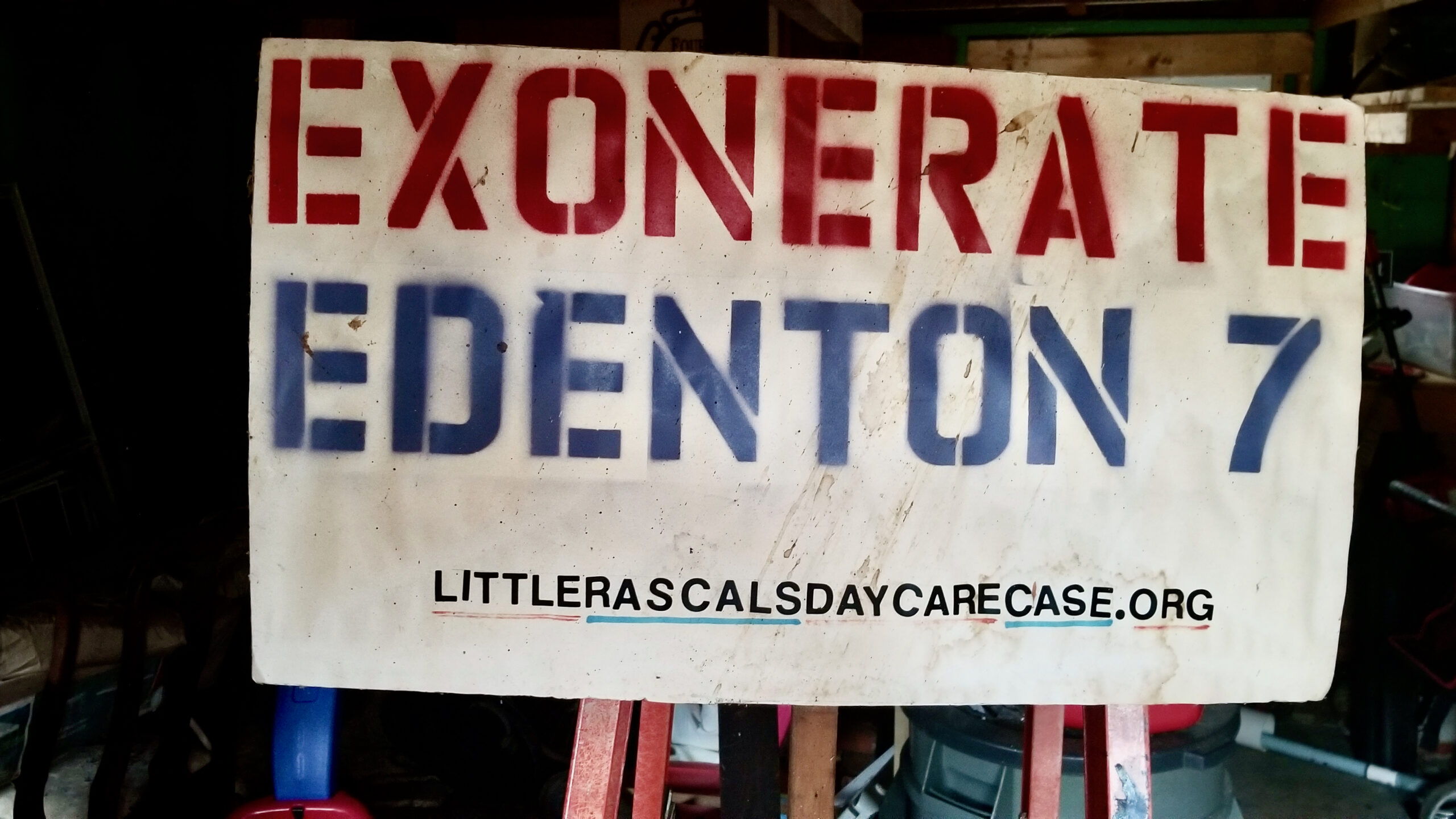
Among the alleged perpetrators: the sheriff and mayor. But prosecutors would charge only Robin Byrum, Darlene Harris, Elizabeth “Betsy” Kelly, Robert “Bob” Kelly, Willard Scott Privott, Shelley Stone and Dawn Wilson – the Edenton 7.
Along with sodomy and beatings, allegations included a baby killed with a handgun, a child being hung upside down from a tree and being set on fire and countless other fantastic incidents involving spaceships, hot air balloons, pirate ships and trained sharks.
By the time prosecutors dropped the last charges in 1997, Little Rascals had become North Carolina’s longest and most costly criminal trial. Prosecutors kept defendants jailed in hopes at least one would turn against their supposed co-conspirators. Remarkably, none did. Another shameful record: Five defendants had to wait longer to face their accusers in court than anyone else in North Carolina history.
Between 1991 and 1997, Ofra Bikel produced three extraordinary episodes on the Little Rascals case for the PBS series “Frontline.” Although “Innocence Lost” did not deter prosecutors, it exposed their tactics and fostered nationwide skepticism and dismay.
With each passing year, the absurdity of the Little Rascals charges has become more obvious. But no admission of error has ever come from prosecutors, police, interviewers or parents. This site is devoted to the issues raised by this case.
On Facebook


Little Rascals Day Care Case
This Facebook page is an offshoot of littlerascalsdaycarecase.org, which addresses the wrongful prosecution of the Edenton Seven and other such victims.

Meanwhile in Edenton....
This content isn't available right now
When this happens, it's usually because the owner only shared it with a small group of people, changed who can see it or it's been deleted.0 CommentsComment on Facebook
Allies for our cause!
This content isn't available right now
When this happens, it's usually because the owner only shared it with a small group of people, changed who can see it or it's been deleted.0 CommentsComment on Facebook
The courts have a long history of capriciously pulling the rug out from under Junior's appeals, but maybe this time....
This content isn't available right now
When this happens, it's usually because the owner only shared it with a small group of people, changed who can see it or it's been deleted.0 CommentsComment on Facebook
Click for earlier Facebook posts archived on this site
Click to go to

Today’s random selection from the Little Rascals Day Care archives….
How hard it was to say, ‘Boy, was I wrong’
 Aug. 10, 2012
Carol Tavris:
“After the McMartin trial in 1986, I wrote an article for the Los Angeles Times about research that had been done on how to interview children in sex abuse cases. Evidence at the time suggested that sometimes you have to ask children leading questions or they will not tell you they have been molested.
“For example, if you interviewed a child after a genital examination and you asked her just to tell what the doctor did, almost no child would volunteer that the doctor touched her genitals. But if you asked a leading question, such as, ‘The doctor touched your private parts, didn’t he?’ the children would say ‘yes.’ The L.A. Times headlined this article, ‘Do Children Lie? Not About This.’
“Of course that was preposterous. Of course children lie ‘about this’ and lots of other things. But my essay, although based on research at the time, helped support the child advocates who were on a rampage against child molesters, and who were running around saying ‘children never lie’ and selling bumper stickers that said ‘Believe the Children.’’ I didn’t foresee that prosecutors and therapists would use these same studies to coerce the hell out of kids.
“When I think of my own embarrassment about that little article, and how hard it was to say, ‘Boy, was I wrong about that research,’ I realize how difficult it must be for all those ‘believe the children’ people to acknowledge they were wrong, too. In fact, most of them haven’t. They are more entrenched than ever in their pernicious beliefs.”
– From “The Measure of a Woman: An Interview with Social Scientist Carol Tavris”
in Skeptic magazine (Feb. 9, 2011)
Steinem made case for believing the unbelievable
 Sept. 1, 2015
“(As witnesses) children are even less likely to be believed when their stories involve extremes of sadism, collusion among families and communities (sometimes extending over several generations) and so-called ritual or cult abuse – including the torture and killing of animals to frighten children into silence – that are so terrible that authorities decide these things just can’t be true.
“Yet many instances of such ‘incredible’ crimes are documented, sometimes by adults after years of suppressed memory, sometimes by authorities who are now beginning to believe children enough to investigate their stories…..”…
– From “Revolution From Within: A Book of Self-Esteem” by Gloria Steinem (1993)
Steinem’s semi-autobiography was a best-seller, both profiting from and contributing to the nation’s heightened concern with self-esteem.
In addition to using Ms. magazine to tout the existence of “ritual abuse,” she also helped finance the search for the imaginary McMartin tunnels.
The unenlightened self-interest of prosecutors
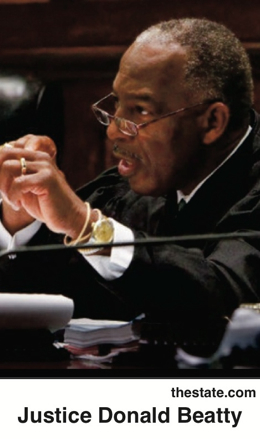 May 16, 2014
Exhibit A:
“Last year at a state solicitors’ convention in Myrtle Beach, (South Carolina State Supreme Court Justice Donald Beatty) cautioned that prosecutors in the state have been ‘getting away with too much for too long.’ He added, ‘The court will no longer overlook unethical conduct, such as witness tampering, selective and retaliatory prosecutions, perjury and suppression of evidence. You better follow the rules or we are coming after you and will make an example. The pendulum has been swinging in the wrong direction for too long and now it’s going in the other direction. Your bar licenses will be in jeopardy. We will take your license’….
“If most prosecutors are following the rules, you’d think they’d have little to fear, and in fact would want their rogue colleagues identified and sanctioned….The state’s prosecutors didn’t see it that way….
“At least 13 of the head prosecutors in the state’s 16 judicial districts, along with South Carolina Attorney General Alan Wilson, are asking for Beatty to be recused from criminal cases. This would presumably end his career as a state supreme court justice….”
– From “Judge says prosecutors should follow the law. Prosecutors revolt.” by Radley Balko in the Washington Post (March 7)
Exhibit B:
“….Decades of studies show eyewitness testimony is only right about half the time – a reality that has prompted a small vanguard of police chiefs, courts and lawmakers to toughen laws governing the handling of eyewitnesses and their accounts of crimes….
“Prosecutors, however, have opposed the efforts, arguing that the changes erode their powers, even as studies have shown that eyewitnesses are about half as likely to choose the correct suspect out of a lineup as they are to choose some combination of the innocent fillers or no suspect at all when the correct one is present. The reexamination of eyewitness testimony comes at a time when technology and other forensic analysis are being given greater weight….”
– From “Eyewitness Testimony No Longer A Gold Standard” by Nigel Duara of the Associated Press (April 19, 2014)
TV prosecutor Jack McCoy suffered his own ethical dark nights of the soul, but I can’t imagine him finding much in common with such miscreants as these.
A rare chance to watch the story unfold
May 9, 2013
CBS Correspondent Mike Wallace narrated this 1999 production that covers a number of the ritual abuse court cases, including Little Rascals.
(A more modern version of this video posted in 2013 may be available soon. In the meantime, click here.)