Rascals case in brief
In the beginning, in 1989, more than 90 children at the Little Rascals Day Care Center in Edenton, North Carolina, accused a total of 20 adults with 429 instances of sexual abuse over a three-year period. It may have all begun with one parent’s complaint about punishment given her child.
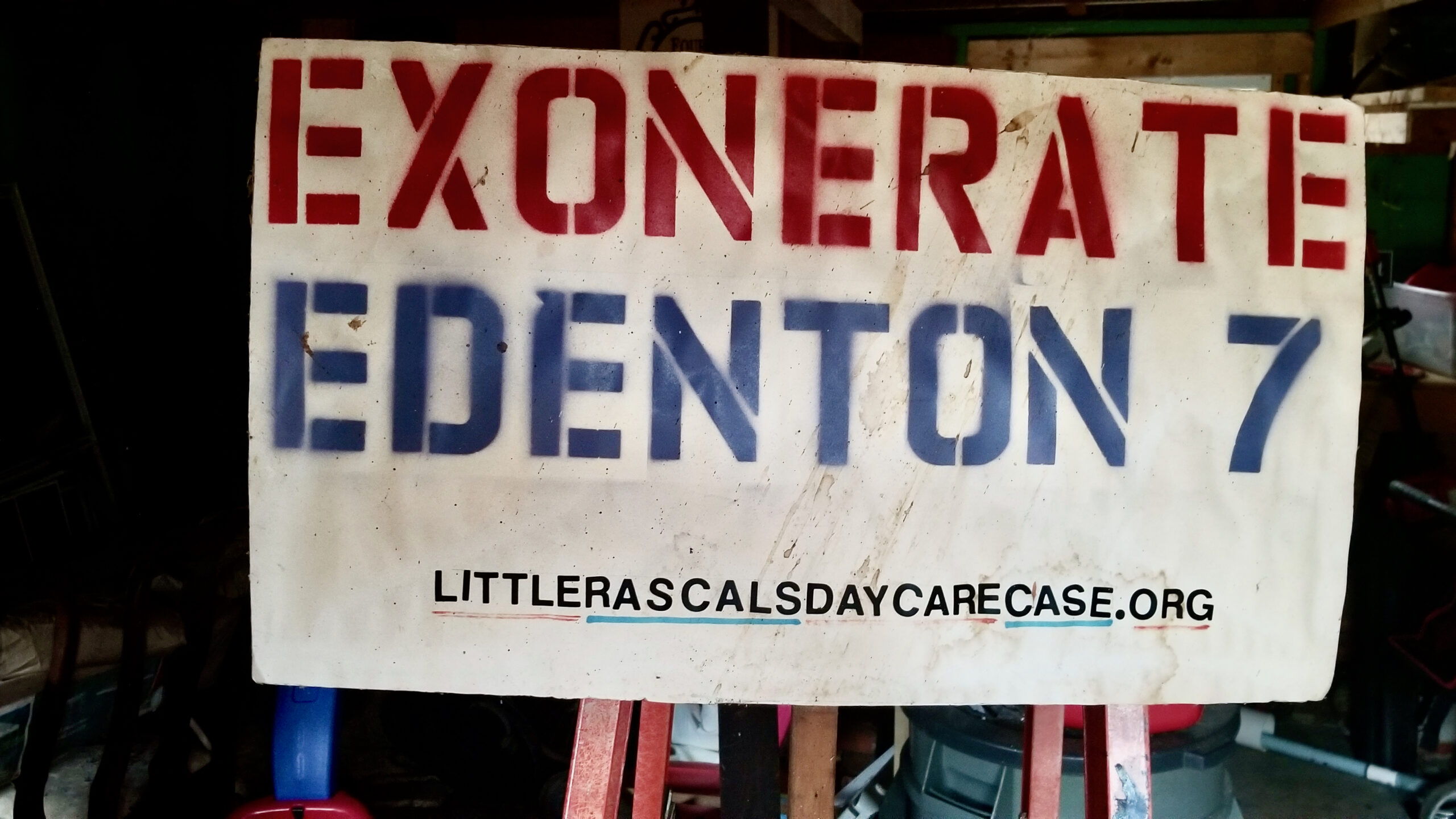
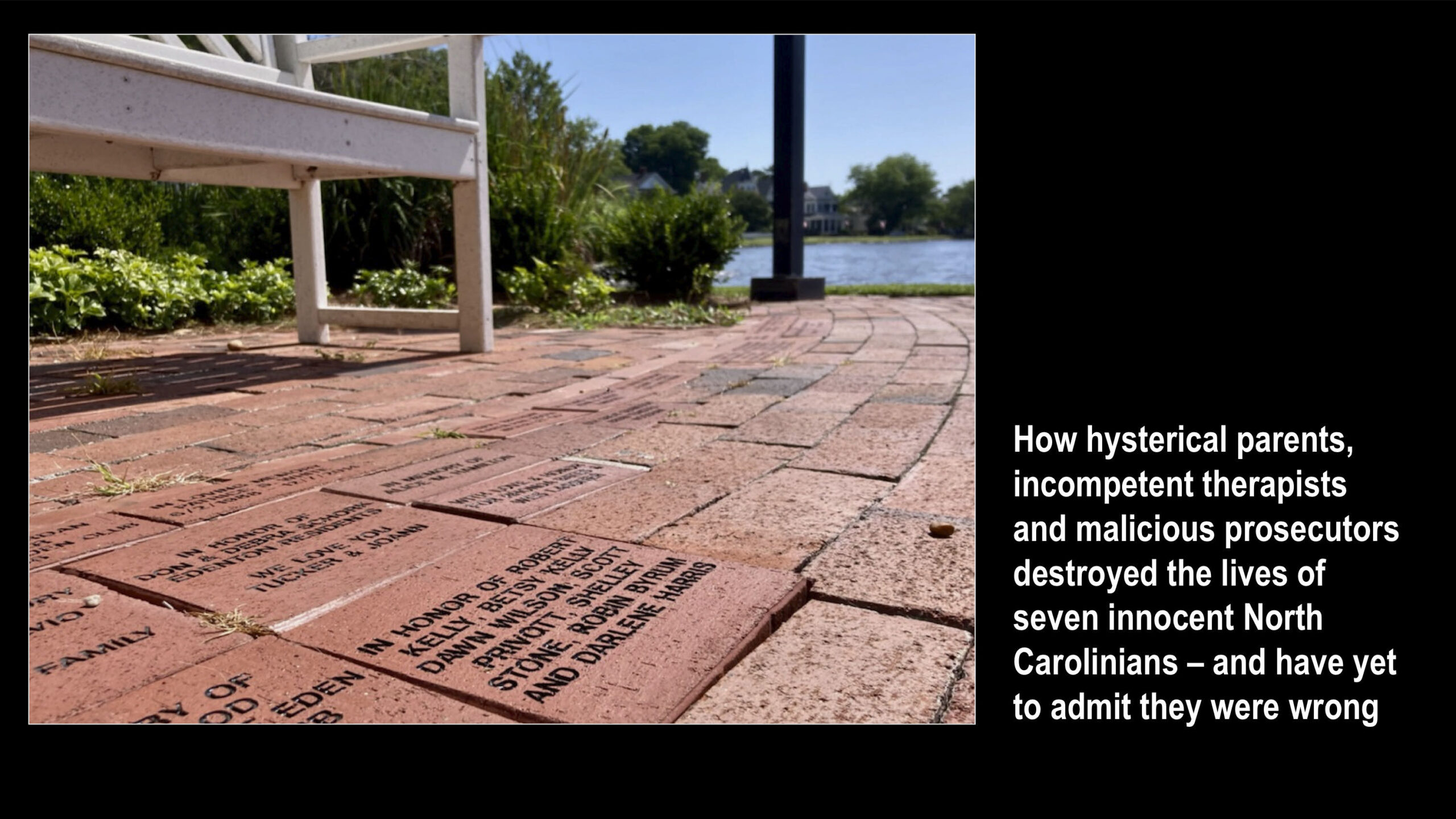
Among the alleged perpetrators: the sheriff and mayor. But prosecutors would charge only Robin Byrum, Darlene Harris, Elizabeth “Betsy” Kelly, Robert “Bob” Kelly, Willard Scott Privott, Shelley Stone and Dawn Wilson – the Edenton 7.
Along with sodomy and beatings, allegations included a baby killed with a handgun, a child being hung upside down from a tree and being set on fire and countless other fantastic incidents involving spaceships, hot air balloons, pirate ships and trained sharks.
By the time prosecutors dropped the last charges in 1997, Little Rascals had become North Carolina’s longest and most costly criminal trial. Prosecutors kept defendants jailed in hopes at least one would turn against their supposed co-conspirators. Remarkably, none did. Another shameful record: Five defendants had to wait longer to face their accusers in court than anyone else in North Carolina history.
Between 1991 and 1997, Ofra Bikel produced three extraordinary episodes on the Little Rascals case for the PBS series “Frontline.” Although “Innocence Lost” did not deter prosecutors, it exposed their tactics and fostered nationwide skepticism and dismay.
With each passing year, the absurdity of the Little Rascals charges has become more obvious. But no admission of error has ever come from prosecutors, police, interviewers or parents. This site is devoted to the issues raised by this case.
On Facebook


Little Rascals Day Care Case
This Facebook page is an offshoot of littlerascalsdaycarecase.org, which addresses the wrongful prosecution of the Edenton Seven and other such victims.

Meanwhile in Edenton....
This content isn't available right now
When this happens, it's usually because the owner only shared it with a small group of people, changed who can see it or it's been deleted.0 CommentsComment on Facebook
Allies for our cause!
This content isn't available right now
When this happens, it's usually because the owner only shared it with a small group of people, changed who can see it or it's been deleted.0 CommentsComment on Facebook
The courts have a long history of capriciously pulling the rug out from under Junior's appeals, but maybe this time....
This content isn't available right now
When this happens, it's usually because the owner only shared it with a small group of people, changed who can see it or it's been deleted.0 CommentsComment on Facebook
Click for earlier Facebook posts archived on this site
Click to go to

Today’s random selection from the Little Rascals Day Care archives….
Prosecutors Book Club, please take note
April 19, 2014
“Is it possible to so modify child forensic interviewing that the sorts of errors described by Ceci and Bruck are minimized?…
“The primary problem is that most prosecutors and most so-called mental health professionals do not stay current….
“How likely, for instance, is it that a copy of ‘Jeopardy in the Courtroom’ will be found on your favorite prosecutor’s desk?”
– From “A Review of a Review of ‘Jeopardy in the Courtroom’ by Stephen J. Ceci and Maggie Bruck” at falseallegations.com
‘Most people thought I had lost my damn mind’
April 5, 2016
At a time when the Little Rascals claims were exposing widespread gullibility, a gritty band of doubters – e.g., Raymond Lawrence, Glenn Lancaster, Jane Duffield, Doug Wiik, Susan Corbett and Dee Swain – was desperately working to keep the defendants from being crushed by public opinion and prosecutorial coercion.
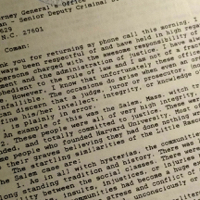
As treasurer for the Committee to Support the Edenton Seven, Swain distributed donations to defendants, facilitated the lowering of Scott Privott’s exorbitant bond and wrote an epic four-page (single-spaced!) letter educating the attorney general’s office on the errors of its ways.
How was it that a propane dealer in Washington, N.C., could see through the fog that engulfed so many professionals?
“It was obvious to me right away that it was hysteria,” he says. “I didn’t get involved until after (Bob Kelly’s) conviction – I had thought surely the jury would see through it….
“I’ve always been a skeptical person, someone who stands outside the box…. Most people thought I had lost my damn mind, defending ‘child molesters’…. I got anonymous phone calls….”
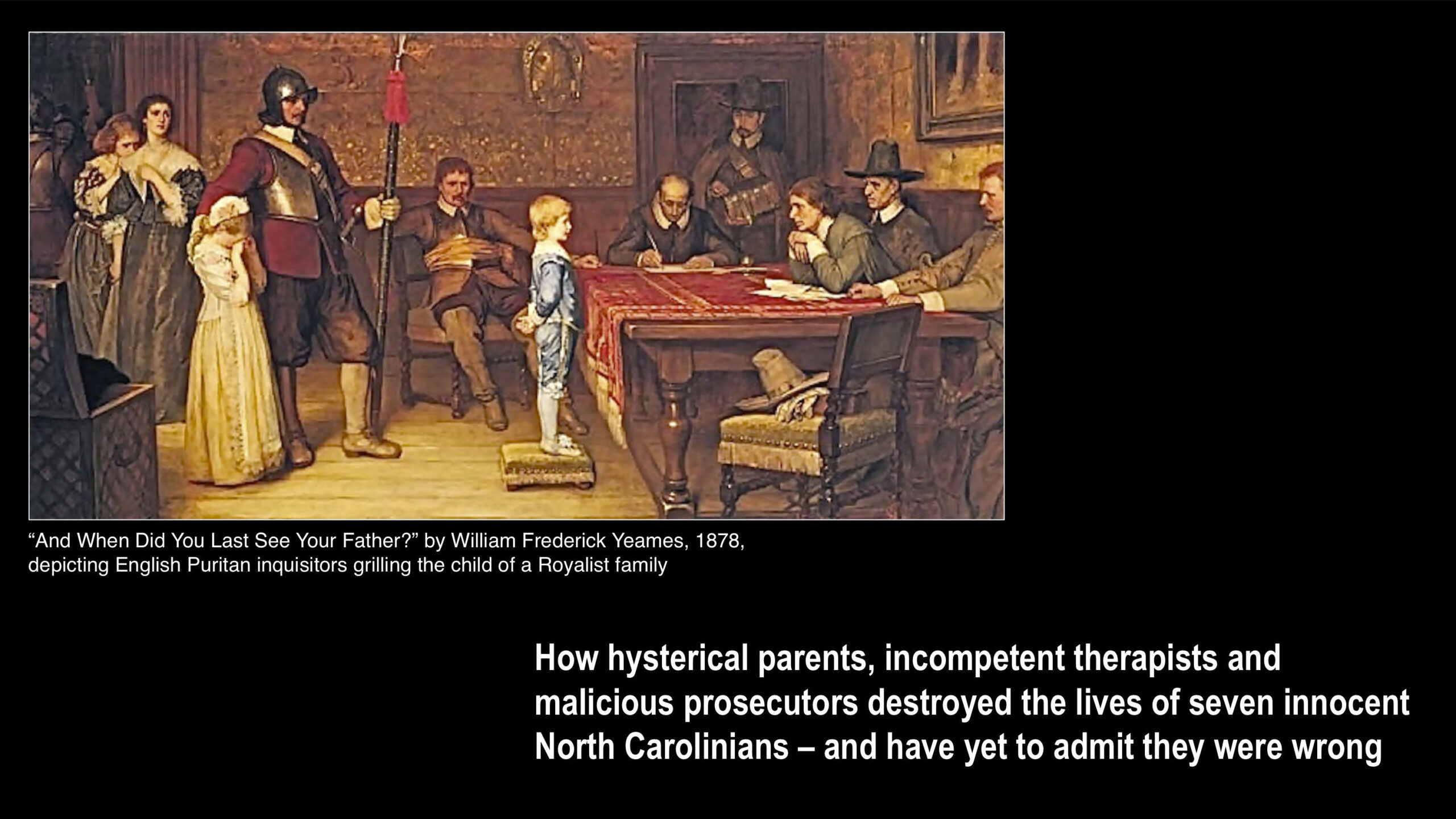
Swain is surprisingly generous to those who bought into the “satanic ritual abuse” stories elicited by prosecution therapists: “There aren’t any villains. They all acted in good faith. They were on a mission. They were going to be heroes….. You could see it all in ‘Extraordinary Popular Delusions and the Madness of Crowds’ (by Charles Mackay, 1841).”
And why does he think none have stepped forward a quarter century later to recant? “What they did was too terrible to admit to themselves.”

Lamb ‘continues to hold herself out as an expert’
 April 23, 2012
In 2007, W. Joseph Wyatt, writing in the professional journal The Behavior Analyst Today, looked back at the Little Rascals case:
“Prosecutors appeared to have little appreciation for the possibility, or likelihood, that they were pursuing innocent people. Prosecutorial fervor for the case evidently persisted long after it had become clear that the case had taken a series of wrong turns.
“Despite the disastrous results, one of the prosecutors continues to hold herself out as an expert. As recently as November, 2006, Nancy Lamb, still working as an assistant district attorney, was co-presenter of a training program for professionals titled ‘The Necessary Components of a Legally Defensible Child Sex Abuse Investigation.’ ”
If for no other reason, the Little Rascals case demands continued public attention as long as Nancy Lamb remains at large, presenting her cruelty and deviousness as a model for future prosecutions.
Update: At a 2010 workshop for the North Carolina Conference of District Attorneys, “Nancy Lamb… presented on how to defend the forensic interview in the courtroom.”
Board couldn’t see Betsy Kelly ‘minus her publicity’
Sept. 13, 2013
“I am urging you to treat Elizabeth Kelly as you would treat anyone else with the same case file. I am asking you to demonstrate that we are all ‘equal under the law.’ Any other inmate with the same sentence and clean record would have been eligible for parole the minute she walked through the gates of the prison…. I am appealing to you not to withhold that which she would otherwise likely receive — minus her publicity, minus the rhetoric of politicians. I am imploring you not to deal more strictly with her than with others simply because she is Elizabeth Kelly.”
– From a letter to the North Carolina Parole Commission by Jane W. Duffield of Raleigh (April 5, 1994)
The Parole Commission proved unable or unwilling to consider Betsy Kelly’s case “minus her publicity, minus the rhetoric of politicians.” Bill Hart, vengeful over her unwavering insistence that she was innocent, reneged on a plea agreement not to contest her release, and the Parole Commission obediently sent her back for seven more months of wrongful imprisonment.