Rascals case in brief
In the beginning, in 1989, more than 90 children at the Little Rascals Day Care Center in Edenton, North Carolina, accused a total of 20 adults with 429 instances of sexual abuse over a three-year period. It may have all begun with one parent’s complaint about punishment given her child.
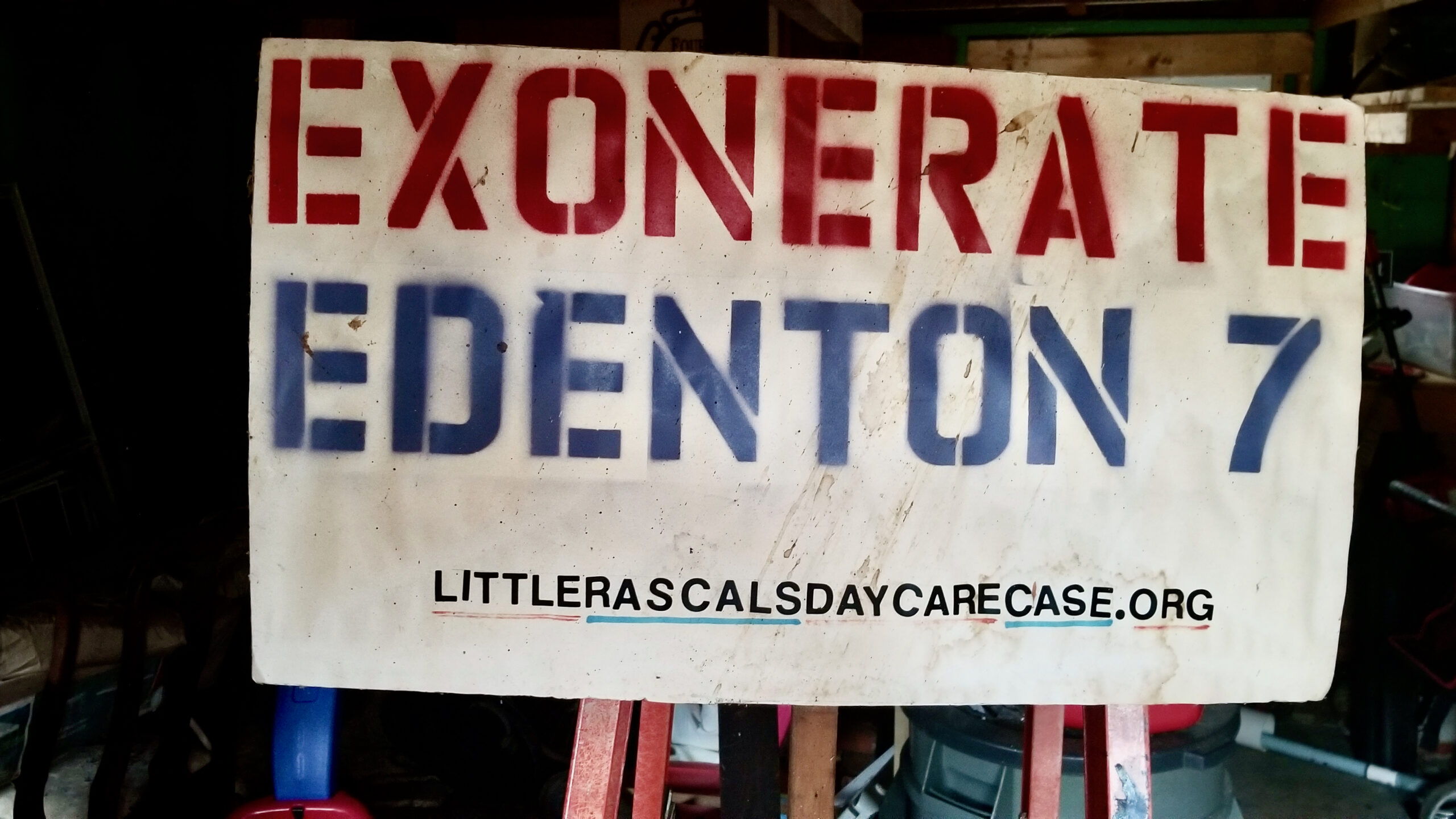
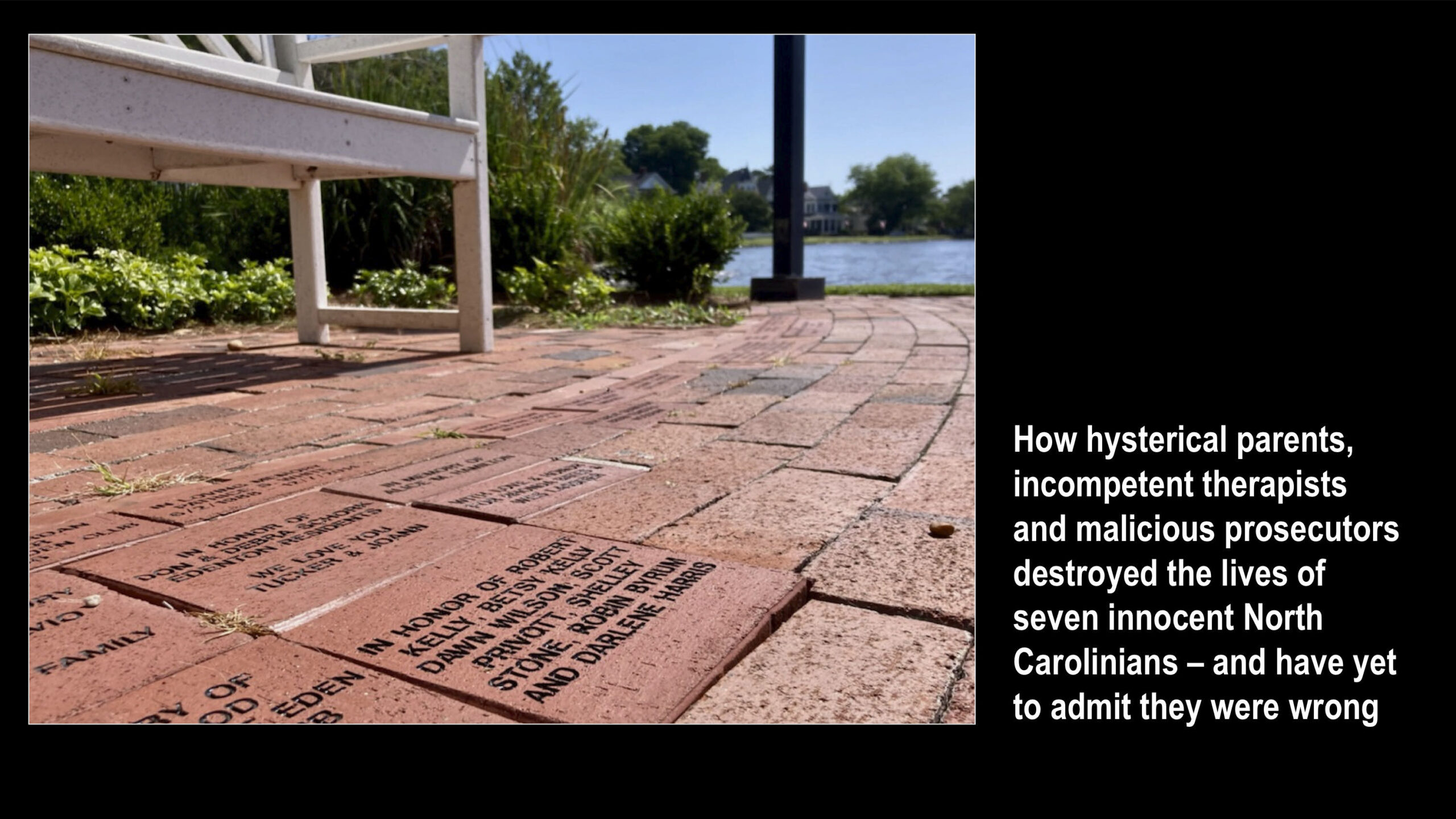
Among the alleged perpetrators: the sheriff and mayor. But prosecutors would charge only Robin Byrum, Darlene Harris, Elizabeth “Betsy” Kelly, Robert “Bob” Kelly, Willard Scott Privott, Shelley Stone and Dawn Wilson – the Edenton 7.
Along with sodomy and beatings, allegations included a baby killed with a handgun, a child being hung upside down from a tree and being set on fire and countless other fantastic incidents involving spaceships, hot air balloons, pirate ships and trained sharks.
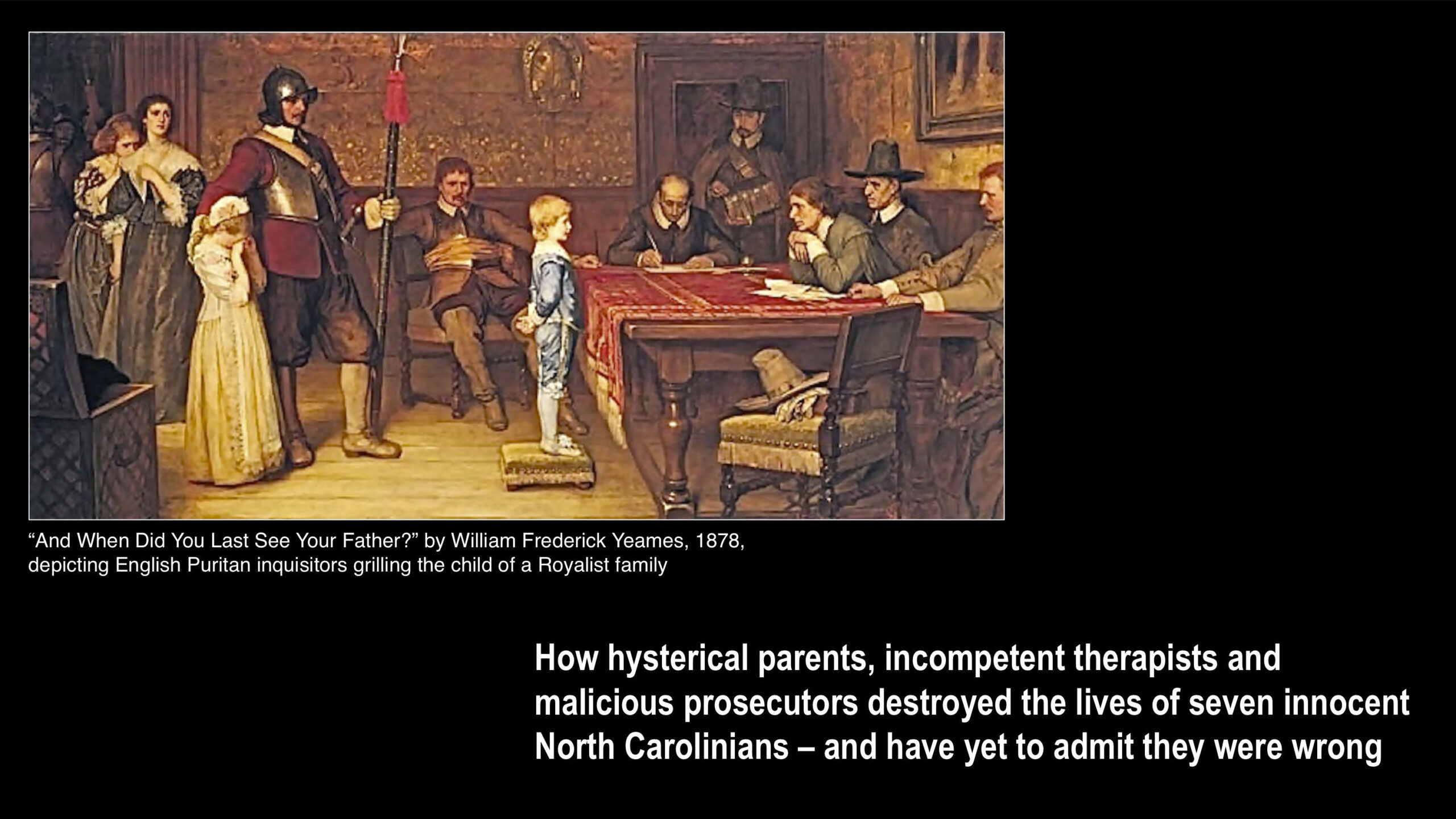
By the time prosecutors dropped the last charges in 1997, Little Rascals had become North Carolina’s longest and most costly criminal trial. Prosecutors kept defendants jailed in hopes at least one would turn against their supposed co-conspirators. Remarkably, none did. Another shameful record: Five defendants had to wait longer to face their accusers in court than anyone else in North Carolina history.
Between 1991 and 1997, Ofra Bikel produced three extraordinary episodes on the Little Rascals case for the PBS series “Frontline.” Although “Innocence Lost” did not deter prosecutors, it exposed their tactics and fostered nationwide skepticism and dismay.
With each passing year, the absurdity of the Little Rascals charges has become more obvious. But no admission of error has ever come from prosecutors, police, interviewers or parents. This site is devoted to the issues raised by this case.
On Facebook


Little Rascals Day Care Case
This Facebook page is an offshoot of littlerascalsdaycarecase.org, which addresses the wrongful prosecution of the Edenton Seven and other such victims.

Meanwhile in Edenton....
This content isn't available right now
When this happens, it's usually because the owner only shared it with a small group of people, changed who can see it or it's been deleted.0 CommentsComment on Facebook
Allies for our cause!
This content isn't available right now
When this happens, it's usually because the owner only shared it with a small group of people, changed who can see it or it's been deleted.0 CommentsComment on Facebook
The courts have a long history of capriciously pulling the rug out from under Junior's appeals, but maybe this time....
This content isn't available right now
When this happens, it's usually because the owner only shared it with a small group of people, changed who can see it or it's been deleted.0 CommentsComment on Facebook
Click for earlier Facebook posts archived on this site
Click to go to

Today’s random selection from the Little Rascals Day Care archives….
For Junior Chandler, one door opens – will another open?
 Nov. 16, 2013
An update from Mark Montgomery, Junior Chandler’s appellate attorney: “[The N.C. Center on Actual Innocence] reviewed Junior’s case but could not find anything that would help him. The ‘kids’ were too young at the time to have anything helpful to say now. Of the two retarded adults who rode Junior’s bus (and testified against him), one is dead and the other incompetent.”
On a somewhat more encouraging note, Mark reports that the governor’s office has notified him that Junior’s clemency application is being considered.
Want to put in a word on Junior’s behalf? Here’s where to write:
Executive Clemency Office
4294 Mail Service Center
Raleigh NC 27699-4294
Leading questions, not spontaneity, marked interviews
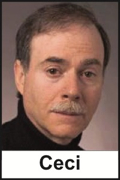 May 4, 2012
“Written reports that contain statements such as ‘The child said that Mr. Bob told them secrets’ are meaningless.
“We need to know whether this was a spontaneous remark, whether this was prompted by an open-ended question (e.g., “What did Mr. Bob tell you?”), or whether this is merely the interviewer’s memory of the gist of a conversation in which the interviewer asked, ‘Did Mr. Bob ask you to keep secrets?’ and the child reluctantly may have replied, ‘Yes.’
“Some summaries of the interviews are written in such a way as to make one believe that children made spontaneous and detailed statements about sexual abuse. However in the few instances where we have transcripts of other interviews, it is clear that the child only responded ‘yes’ or ‘no’ to a barrage of leading questions.”
– From “Jeopardy in the Courtroom: A Scientific Analysis of Children’s
Testimony” by Stephen J. Ceci and Maggie Bruck (1995)
Isn’t half of Junior’s life enough, North Carolina?
Sept. 8, 2014
“The aging prison population represents a national human-made epidemic decades in the making. …
“Our current trajectory is economically infeasible and morally untenable….
“Although there is no commonly agreed-upon age at which an incarcerated individual is ‘old’ – definitions range from 50 to 65 – it is clear that the number of people in prison requiring significant age-related medical care will continue to rise at a substantial rate. From 1995 to 2010, the U.S. prison population aged 55 or older nearly quadrupled….
“On average, it costs approximately twice as much to incarcerate someone aged 50 and over ($68,270) than a younger, more able-bodied individual ($34,135)….
“The elderly in prison also demonstrate a greater risk of injury, victimization, ailing health, and death than their younger counterparts….
“The phenomenon of accelerated aging, which can be attributed to the prevalence of environmental stressors coupled with a lack of access to holistic healthcare, means that the body of an incarcerated 50-year-old has a ‘physiological age’ that is 10 to 15 years older….
“The stated objectives of incarceration would suggest that correctional spending should be allocated among demographics in proportion to their public safety risk and potential for behavioral change.
“Aging adults in prison have the lowest recidivism rate and pose almost no threat to public safety. Nationwide, 43.3 percent of all released individuals recidivate within three years, while only 7 percent of those aged 50-64 are returned to prison for new convictions….”
– From “The High Costs of Low Risk: The Crisis of America’s Aging Prison Population” prepared by the Osborne Association (July 2014) (Hat tip, the New York Times)
Today is Andrew Junior Chandler’s 57th birthday. He has been in prison since he was 29 years old. Even if he were guilty – which he clearly is not – how can the State of North Carolina justify his continued incarceration?
Where ‘thousands of cult abusers infiltrated respectable society’?
 March 30, 2014
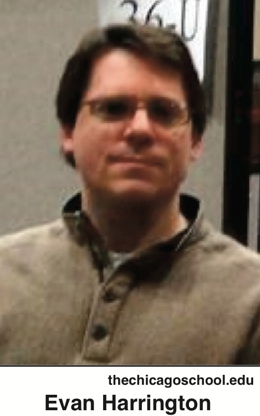
A welcome contribution to the unraveling of the “satanic ritual abuse” case against Fran and Danny Keller was this letter from Chicago psychology professor Evan Harrington dismantling the testimony of prosecution witness Randy Noblitt, a psychologist and self-described expert in ritual abuse.
Here’s how the Austin Chronicle summarized it:
“The letter, signed by 39 leading experts from across the country and around the world, presents the court with evidence not only that Noblitt was, and is, unqualified to serve as an expert at all, but also that ‘ritual abuse’ is a topic unsupported by any empirical research. Indeed, at trial the state called Noblitt to describe how the children’s allegations against the Kellers were believable and to avow that the allegations comported with ‘behaviors associated with so-called ritual abuse,’ reads the letter.
“ ‘In summary, the world portrayed by Dr. Noblitt is one in which thousands of cult abusers have infiltrated respectable society, and specifically daycare centers, in order to operate a clandestine subculture engaged in massive levels of felonious criminality,’ reads the letter. To the contrary, Harrington writes, there is not now, nor was there in the early ’90s, any mainstream support for, or scientific evidence to demonstrate, that ritual abuse is a real phenomenon. ‘In conclusion, Dr. Noblitt stated in testimony at trial that there is little controversy about his descriptions of ritual abuse,’ reads the letter. ‘This statement was not factually true in 1992, and is less true today.’ ”
I have long wondered: Why do the Ann Wolbert Burgesses, the Susan J. Kelleys, the Mark “Where there’s smoke…” Eversons and the Randy Noblitts continue onward in their careers while their victims get not even a ‘Gee, sorry, guess I was wrong’?
How do professionals, however dubiously credentialed, manage to keep their licenses and their jobs after testifying so confidently, so misleadingly and so destructively against defendants such as the Kellers and Bob Kelly? What can be done to hold them accountable?
Dr. Harrington, who teaches at the Chicago School of Professional Psychology, says this question sometimes comes up in his class on mental health law.
“The answer, for better or worse, is ‘nothing,’ “ he says. “When you look at an ‘expert’ like Dr. James Grigson in the case of Barefoot v. Estelle, it becomes very clear that there is no remedy for dealing with bad ‘experts.’
“The best one can hope for is that sufficient scientific evidence exists to prevent such a person from getting on the stand in the first place, or that the jurors are wise enough to discard the fallacious testimony. But there really is little that can be done after the fact, except to try to exonerate those who are factually innocent.”
Grigson was a Dallas psychiatrist notorious for persuading juries that defendants deserved capital punishment. “Dr. Death,” as he was known, was expelled from the American Psychiatric Association and the Texas Society of Psychiatric Physicians but kept his license and continued to practice.