Rascals case in brief
In the beginning, in 1989, more than 90 children at the Little Rascals Day Care Center in Edenton, North Carolina, accused a total of 20 adults with 429 instances of sexual abuse over a three-year period. It may have all begun with one parent’s complaint about punishment given her child.
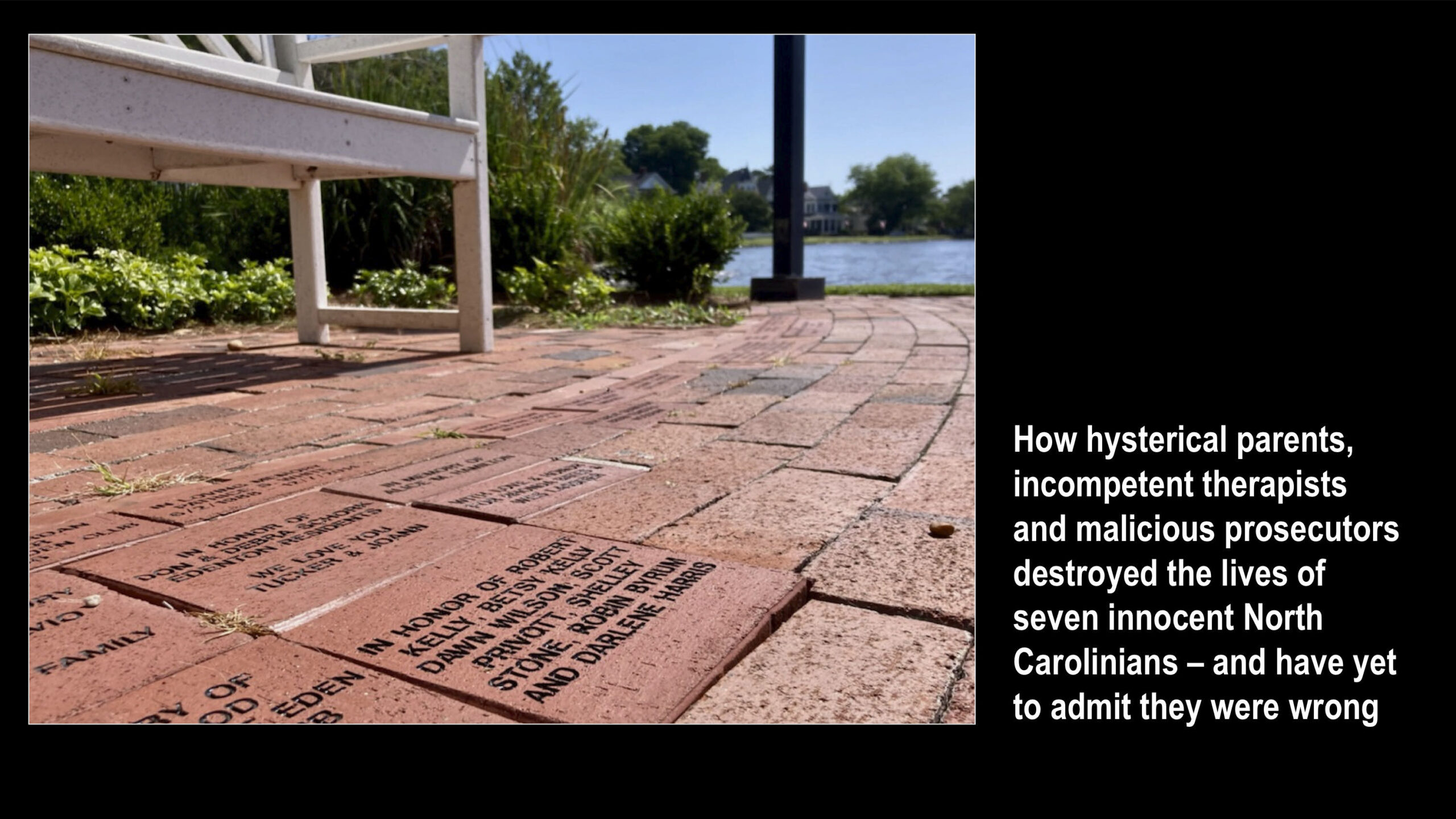
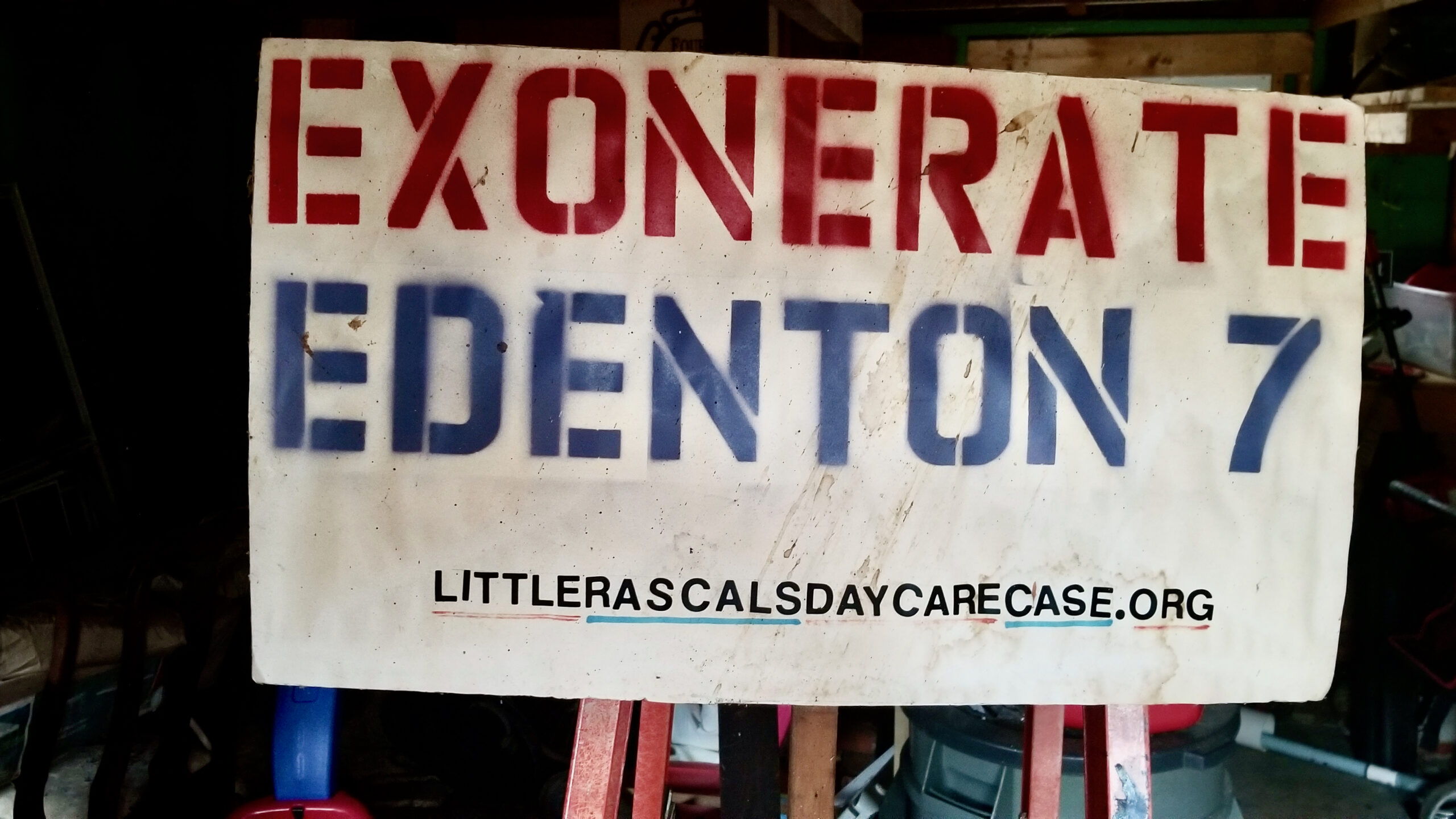
Among the alleged perpetrators: the sheriff and mayor. But prosecutors would charge only Robin Byrum, Darlene Harris, Elizabeth “Betsy” Kelly, Robert “Bob” Kelly, Willard Scott Privott, Shelley Stone and Dawn Wilson – the Edenton 7.
Along with sodomy and beatings, allegations included a baby killed with a handgun, a child being hung upside down from a tree and being set on fire and countless other fantastic incidents involving spaceships, hot air balloons, pirate ships and trained sharks.
By the time prosecutors dropped the last charges in 1997, Little Rascals had become North Carolina’s longest and most costly criminal trial. Prosecutors kept defendants jailed in hopes at least one would turn against their supposed co-conspirators. Remarkably, none did. Another shameful record: Five defendants had to wait longer to face their accusers in court than anyone else in North Carolina history.
Between 1991 and 1997, Ofra Bikel produced three extraordinary episodes on the Little Rascals case for the PBS series “Frontline.” Although “Innocence Lost” did not deter prosecutors, it exposed their tactics and fostered nationwide skepticism and dismay.
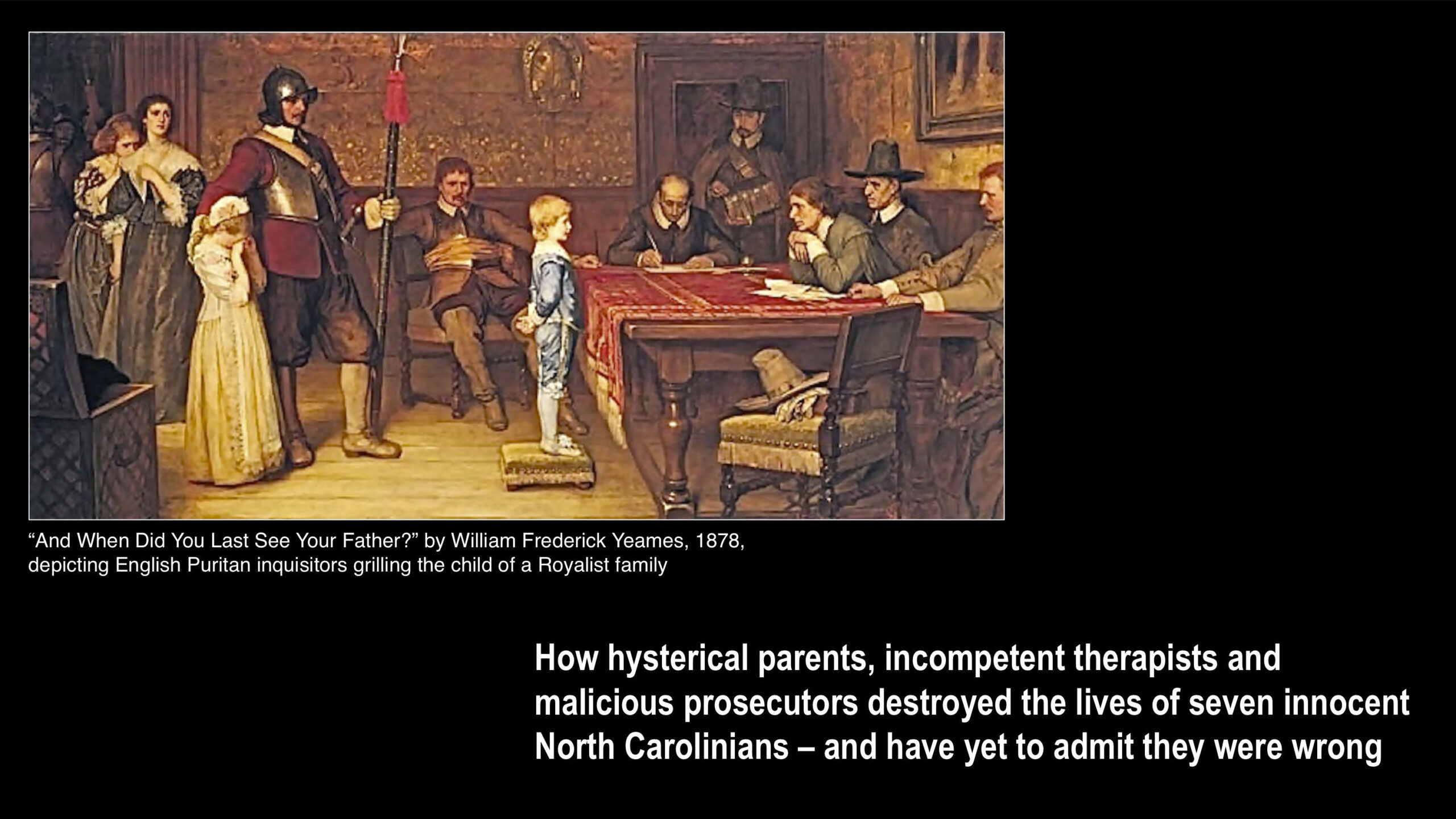
With each passing year, the absurdity of the Little Rascals charges has become more obvious. But no admission of error has ever come from prosecutors, police, interviewers or parents. This site is devoted to the issues raised by this case.
On Facebook


Little Rascals Day Care Case
This Facebook page is an offshoot of littlerascalsdaycarecase.org, which addresses the wrongful prosecution of the Edenton Seven and other such victims.

Meanwhile in Edenton....
This content isn't available right now
When this happens, it's usually because the owner only shared it with a small group of people, changed who can see it or it's been deleted.0 CommentsComment on Facebook
Allies for our cause!
This content isn't available right now
When this happens, it's usually because the owner only shared it with a small group of people, changed who can see it or it's been deleted.0 CommentsComment on Facebook
The courts have a long history of capriciously pulling the rug out from under Junior's appeals, but maybe this time....
This content isn't available right now
When this happens, it's usually because the owner only shared it with a small group of people, changed who can see it or it's been deleted.0 CommentsComment on Facebook
Click for earlier Facebook posts archived on this site
Click to go to

Today’s random selection from the Little Rascals Day Care archives….
Is psychiatry ready to face up to its denial?
 Feb. 1, 2014
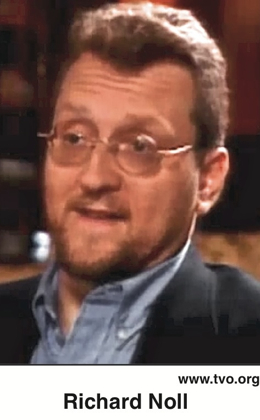
“As our medical schools and graduate programs fill with students who were born after 1989, we meet young mental health professionals-in-training who have no knowledge or
living memory of the Satanic ritual abuse (SRA) moral panic of the 1980s and early 1990s. To those of us old enough to have been there, that era already seems like a curious relic of the past, bracketed in our memory palaces behind a door we are loathe to open again.
“Some mass cultural phenomena are so emotionally-charged, so febrile, and in retrospect so causally incomprehensible, that we feel compelled to move on silently and feign forgetfulness…
“Despite the discomfort it brings, we owe it to the current generation of clinicians to remember that an elite minority within the American psychiatric profession played a small
but ultimately decisive role in the cultural validation, and then reduction, of the Satanism moral panic between 1988 and 1994….
“Are we ready now to reopen a discussion on this moral panic? Will both clinicians and historians of psychiatry be willing to be on record?”
– From “When Psychiatry Battled the Devil” by Richard Noll in Psychiatric Times (Dec. 6, 2013)
Wow! After more than two years of seeing mental health professionals shrug off responsibility for the moral panic they promoted, I can hardly believe what I’m reading. Noll, an accomplished author and professor, traces how it all happened – and asks, “Shall we continue to silence memory, or allow it to speak?”
An early vote to silence memory came from an unexpected source: Psychiatric Times itself, which clumsily pulled Noll’s piece from its website.
By contrast, Allen Frances, professor emeritus of psychiatry at Duke, offered a powerful – and I hope influential – personal mea culpa.
Postcard from the bumpy path to exoneration
 Sept. 3, 2012
Since its creation by the General Assembly in 2006, the North Carolina Innocence Inquiry Commission has considered more than 1,100 innocence claims, three of which resulted in exonerations. This is from a letter I wrote the Innocence Inquiry Commission requesting that it take up the case of the Edenton Seven:
“I am fully aware that my request falls outside the letter of your mandate. It is of such importance, however, that I believe consideration by the Commission would be both just and appropriate.”
And this is from the response I received from Kendra Montgomery-Blinn, executive director:
“By law the Commission is only permitted to consider claims arising from current convictions. We cannot consider cases in which the conviction was vacated, even if the claimants were not fully exonerated.
“I am familiar with the (Little Rascals) case as I studied it both in college and in law school. In fact, I cited the case in the brief for a 2007 Commission hearing….
“I am sorry that the Commission cannot be of further assistance. The only other option I am aware of is a Gubernatorial pardon. The surviving defendants from the Wilmington 10 case have recently applied for pardons.
“Thank you for contacting the Commission and for continuing to bring attention to this important case and the subject of wrongful convictions. I am proud that North Carolina is first in the nation to have a state-run innocence commission.”
Another door to exoneration is closed, however sympathetically. Others remain.
Footnote: The hearing Ms. Montgomery-Blinn mentions grew out of a 2001 case in Pitt County. Henry Reeves had been convicted of taking indecent liberties with his 6-year-old daughter, Marquita. This passage in the Innocence Commission’s investigative statement caught my eye:
“Barbara Hardy (the child’s mother and the defendant’s wife) stated that when Marquita came out of her sessions with Dr. (Betty) Robertson, Marquita would have gum or little presents, and Marquita would state ‘Look what she gave me for getting the questions right.’
“Mrs. Hardy said that she tried to tell Dr. Robertson that Marquita was a people pleaser and may say things just to be rewarded, but Dr. Robertson said, ‘I believe it happened, and it’s going to court.’
“It is important to note that Dr. Robertson…. provided therapy and evaluations to 23 of the children in (the Little Rascals) case….”
Still rewarding possibly-abused children for “getting the questions right”? Did Betty Robertson learn nothing from the 23 false positives she reported in Edenton?
Parent said God knew better than ‘Frontline’
April 17, 2013
“One day you will stand before almighty God and be accountable for that which you have done here on Earth, and no amount of lies and manipulation, no ‘Frontline’ presentation will be able to hide the truth from him. He knows every sordid detail and I pity you for that.”
– From a statement read by Little Rascals parent Susan Small at the plea-agreement hearing of Scott Privott (June 16, 1994)
On the scale of responsibility for brutalizing the Edenton Seven, the panicked, misinformed parents may rank as least culpable. They were neither demagoguing public servants (the prosecutors) nor overreaching professionals (the therapists). Even so, Susan Small’s tirade seemed gratuitously vitriolic – as if her own beliefs might have needed reinforcing?
I asked Scott Privott what it felt like being on the receiving end that day in the courtroom.
“I almost got up and told her to shut the hell up and that I would let the state put me on trial,” he said. “I thought to myself that I was glad God would judge me and not her and her pathetic cohorts.”
Scott’s recollection of his earlier knowledge of Susan Small highlights the Lilliputian stage on which the sprawling Little Rascals drama played out:
“I was in college with Susan Small’s husband, Morris; in fact, Morris and I used to ride together from Edenton to Elizabeth City to attend classes at the College of the Albemarle. Susan was at the college too, but I didn’t know her that well. Morris was my banker at the time of my arrest.”
A third member of the car pool: Jay Swicegood, another accusing parent.
“I am not like some of those who’ve been falsely accused and hold no ill feelings,” Scott says. “I have plenty of ill feelings, and I do not for one moment wish them any good tidings.”
Idle thought: Might it mitigate Scott’s bitterness if someone – anyone! – who participated in putting him behind bars for three years and eight months had the courage to apologize?
When adversarial system doesn’t lead to justice
May 26, 2016
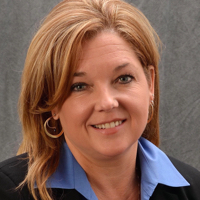
“I would like to see more cooperation between prosecutors and defense attorneys in their efforts to achieve justice, particularly when there is a credible post-conviction claim of innocence. The overloaded, underfunded, and often inefficient adversarial system doesn’t have to be the approach when common sense and a shared interest in justice can more quickly address injustices for the convicted and victims of crime.
“Prosecutorial conviction integrity units around the country have made that clear, but the North Carolina Conference of District Attorneys seems to be encouraging less cooperation, not more.”
– Christine Mumma, quoted by the North Carolina Advocates for Justice
Mumma, of course, has famously endured the wrath of prosecutors whose autocracy she challenged.
You can like the North Carolina Conference of District Attorneys on Facebook.
Or not.
