Rascals case in brief
In the beginning, in 1989, more than 90 children at the Little Rascals Day Care Center in Edenton, North Carolina, accused a total of 20 adults with 429 instances of sexual abuse over a three-year period. It may have all begun with one parent’s complaint about punishment given her child.
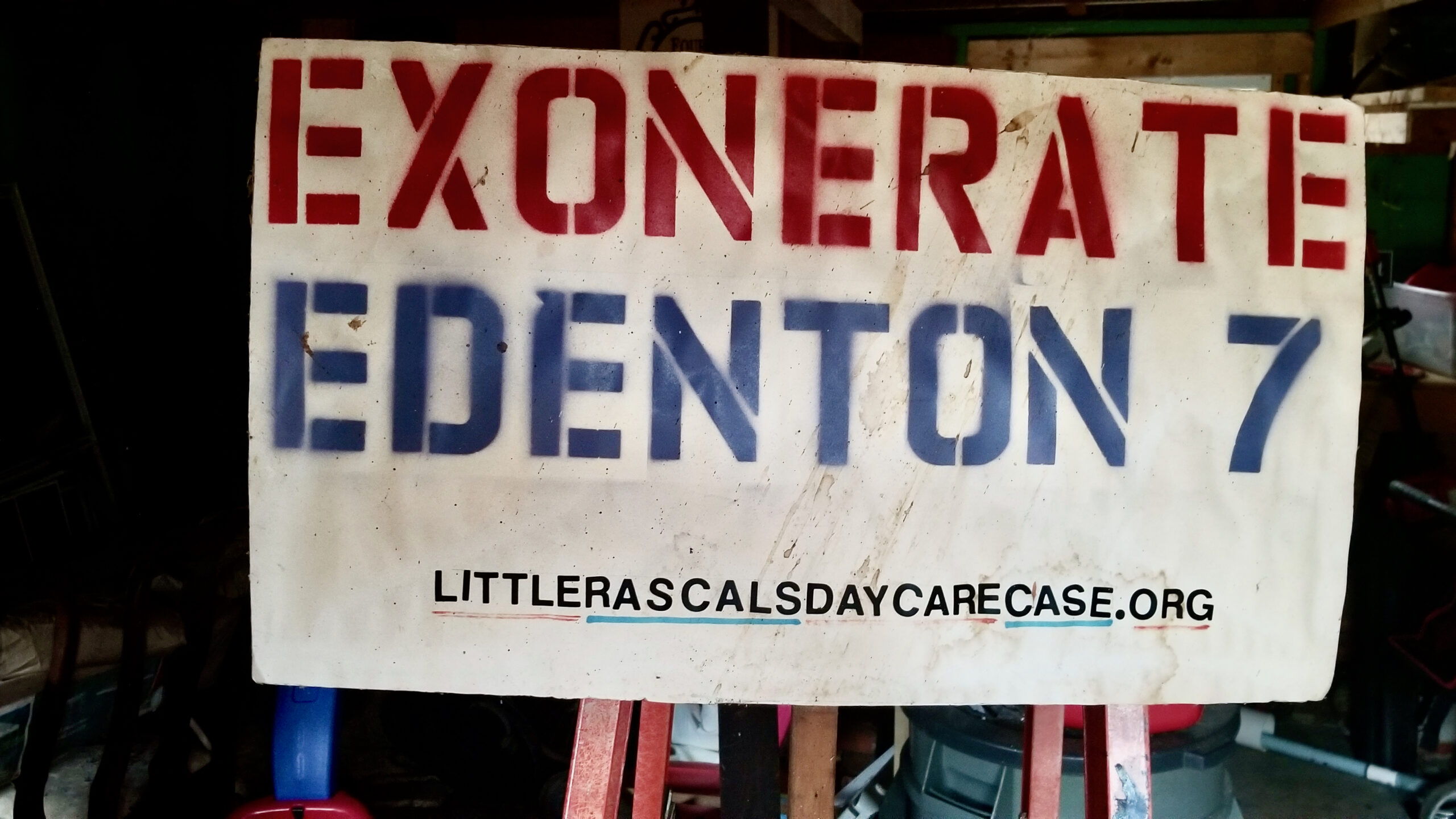
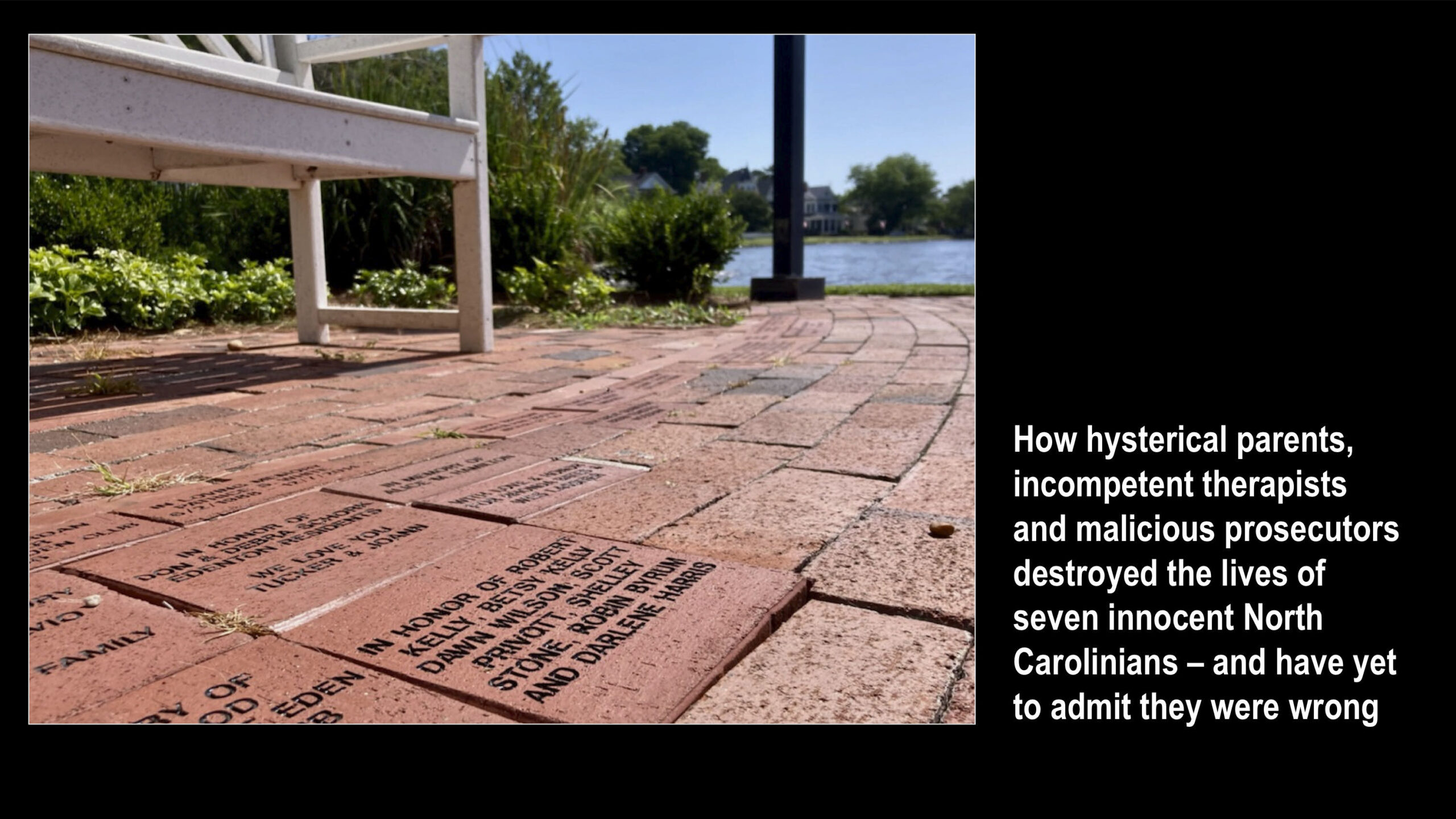
Among the alleged perpetrators: the sheriff and mayor. But prosecutors would charge only Robin Byrum, Darlene Harris, Elizabeth “Betsy” Kelly, Robert “Bob” Kelly, Willard Scott Privott, Shelley Stone and Dawn Wilson – the Edenton 7.
Along with sodomy and beatings, allegations included a baby killed with a handgun, a child being hung upside down from a tree and being set on fire and countless other fantastic incidents involving spaceships, hot air balloons, pirate ships and trained sharks.
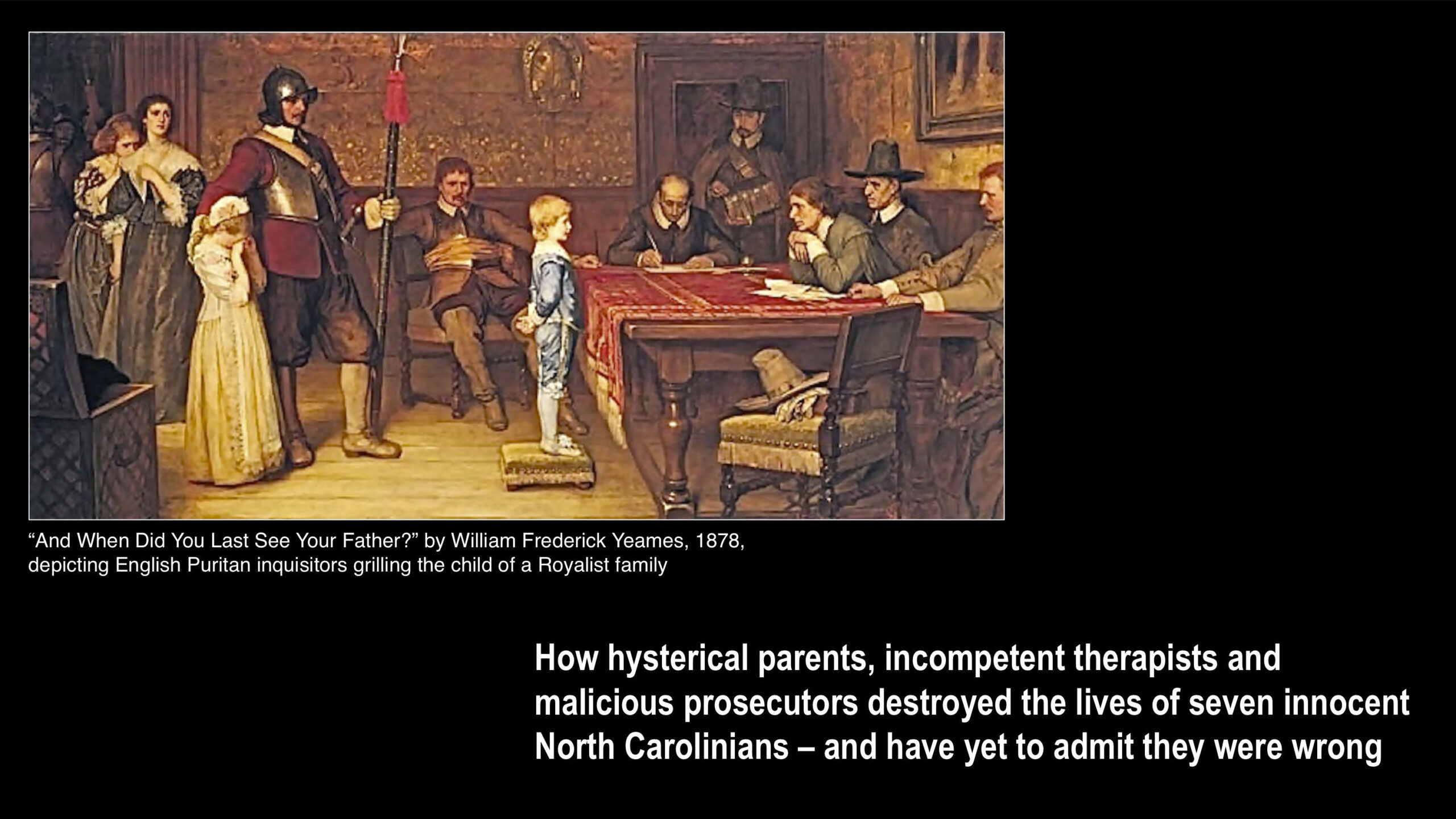
By the time prosecutors dropped the last charges in 1997, Little Rascals had become North Carolina’s longest and most costly criminal trial. Prosecutors kept defendants jailed in hopes at least one would turn against their supposed co-conspirators. Remarkably, none did. Another shameful record: Five defendants had to wait longer to face their accusers in court than anyone else in North Carolina history.
Between 1991 and 1997, Ofra Bikel produced three extraordinary episodes on the Little Rascals case for the PBS series “Frontline.” Although “Innocence Lost” did not deter prosecutors, it exposed their tactics and fostered nationwide skepticism and dismay.
With each passing year, the absurdity of the Little Rascals charges has become more obvious. But no admission of error has ever come from prosecutors, police, interviewers or parents. This site is devoted to the issues raised by this case.
On Facebook


Little Rascals Day Care Case
This Facebook page is an offshoot of littlerascalsdaycarecase.org, which addresses the wrongful prosecution of the Edenton Seven and other such victims.

Meanwhile in Edenton....
This content isn't available right now
When this happens, it's usually because the owner only shared it with a small group of people, changed who can see it or it's been deleted.0 CommentsComment on Facebook
Allies for our cause!
This content isn't available right now
When this happens, it's usually because the owner only shared it with a small group of people, changed who can see it or it's been deleted.0 CommentsComment on Facebook
The courts have a long history of capriciously pulling the rug out from under Junior's appeals, but maybe this time....
This content isn't available right now
When this happens, it's usually because the owner only shared it with a small group of people, changed who can see it or it's been deleted.0 CommentsComment on Facebook
Click for earlier Facebook posts archived on this site
Click to go to

Today’s random selection from the Little Rascals Day Care archives….
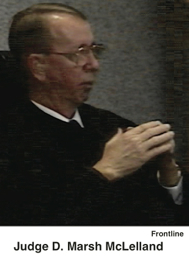
Convictions overturned, judge angrily exited
 July 5, 2014
“The Burlington judge who has presided over the the Little Rascals Day Care Center case since 1990 resigned in disgust the day after the state Supreme Court refused to review (the overturning of) two convictions.
“D. Marsh McLelland, a retired Superior Court judge, said in a letter dated Sept. 8 that the court’s refusal to review the cases ‘is legally and morally reprehensible.’
“McLelland’s letter to Chief Justice Burley Mitchell said the refusal to review a Court of Appeals order for a new trial raised the term technicality to new heights….”
– From “Judge quits Little Rascals case” from the Associated Press (Sept. 22, 1995)
I imagine that the “technicality” comment was from a direct quote, although I haven’t been able to find either McLelland’s original letter or a more substantial account. It’s no wonder he felt humiliated – the Court of Appeals decision had laid bare his indifference to the rights of the defendants.
Regardless, McLelland’s resignation proved irrelevant, as prosecutors decided not to retry Bob Kelly and Dawn Wilson.
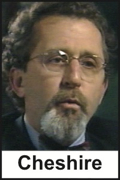
Defending Betsy Kelly? Prepare to be stalked
 Sept. 18, 2013
“Joseph B. Cheshire V, Betsy Kelly’s attorney, says the believers in town remain so hostile to the heretics who profess any disbelief over the charges that he no longer feels comfortable vacationing at nearby Nags Head. ‘Good,’ says one prominent Little Rascals father. ‘I almost killed myself last summer running that extra distance past his house, just so he’d know that I knew he was there.’ ”
– From “The Demons of Edenton” by Lisa Scheer and Edward Cone in Elle magazine (November 1993) Download article here
“During (the Little Rascals case), Cheshire was the victim of assaults and for a time wore a bullet-proof vest.”
– From “Nationally known criminal defense attorney Joe Cheshire (’73) talks about his colorful career” by John Trump at Wake Forest University School of Law (April 5, 2010)
Another expert unfazed by being completely wrong
 July 9, 2012
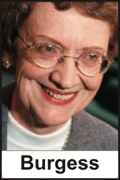
What happens to a social scientist who builds her career on exposing illusory “sex rings” and “ritual abuse” at day cares? And, more specifically, whose seminar at Kill Devil Hills apparently seeded the hysteria behind the prosecution of the Edenton Seven?
If you’re Ann Wolbert Burgess, it’s no problem. You just plunge ahead – and don’t look back.
Here’s how Debbie Nathan and Michael Snedeker described Burgess in 2001 in “Satan’s Silence: Ritual Abuse and the Making of a Modern American Witch Hunt”:
“promoter of the use of children’s drawings to diagnose sexual abuse, developer of the idea of the sex ring, participant in developing the case that imprisoned the Amirault family and currently a researcher into the traumatic aftereffects of ritual abuse.”
For some people, that would be a career’s worth of wrongheaded ideas. But Burgess, now professor of psychiatric mental health nursing at Boston College, continues to accumulate merit badges on new topics such as heart attack victims, AIDS, infant kidnapping, online predators, nursing home abuse, women in prison, mass murder and elder abuse. Here she is in Raleigh on May 29 testifying as “an expert in crime scene classification and offender typology.”
Whew.
I’ve asked Dr. Burgess to reflect on Little Rascals and other examples of ritual abuse prosecutions. Too bad the subject didn’t come up when she was on the witness stand in Raleigh.
‘Evidence too compelling to dismiss’? Really?
 Oct. 1, 2012
“Since 1983, public and professional interest in maltreatment of young children in day care has increased dramatically. It was then that children first began disclosing allegations of sexual and ritual abuse in the McMartin preschool.
“Although accounts of children being terrorized during satanic rituals seemed bizarre and unbelievable, alarmingly similar allegations against child care facilities throughout the United States prompted public officials, educators and parents to more fully examine the phenomenon. The sheer number of reports and amount of information collected (for legal and therapeutic purposes) provided a rich data base for study.
“Children reporting ritual abuse (RA) have described ceremonial animal and human mutilation and sacrifice, live burial, sacrificial participation or witness, ingestion of human blood, feces, urine and semen, and death threats should they disclose the abuse.
“It should be noted that some doubt the existence of RA…. The prevailing literature since the McMartin case, however, demonstrates that researchers find the evidence too compelling to dismiss…. Perhaps the most reasoned yet sensitive approach to validation is neither unquestioned acceptance nor unequivocal denial, but critical judgment….”
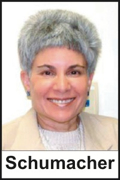
– From “Variables and risk factors associated with child abuse in daycare settings” by Ruth B. Schumacher and Rebecca S. Carlson in Child Abuse & Neglect: The International Journal (September 1999)
Predictably, the references listed by Schumacher and Carlson include an old-school Who’s Who of bad science: e.g., Kathleen Coulborn Faller, David Finkelhor (misspelled “Finklehor”), and Susan J. Kelley (misspelled “Kelly”).
But the authors also cite skeptics Jeffrey S. Victor (“Satanic Panic”), David Bromley and Lee Coleman.
How can this be? How can Schumacher and Carlson have been exposed to such persuasive debunking, yet conclude that “neither unquestioned acceptance nor unequivocal denial” is called for?
Big Tobacco realized early on that instead of beating back every new attack on smoking’s health risks, it needed only to frame the issue as a continuing “controversy” with “two sides.” But what possible advantage accrues to social scientists who take that approach?