Rascals case in brief
In the beginning, in 1989, more than 90 children at the Little Rascals Day Care Center in Edenton, North Carolina, accused a total of 20 adults with 429 instances of sexual abuse over a three-year period. It may have all begun with one parent’s complaint about punishment given her child.
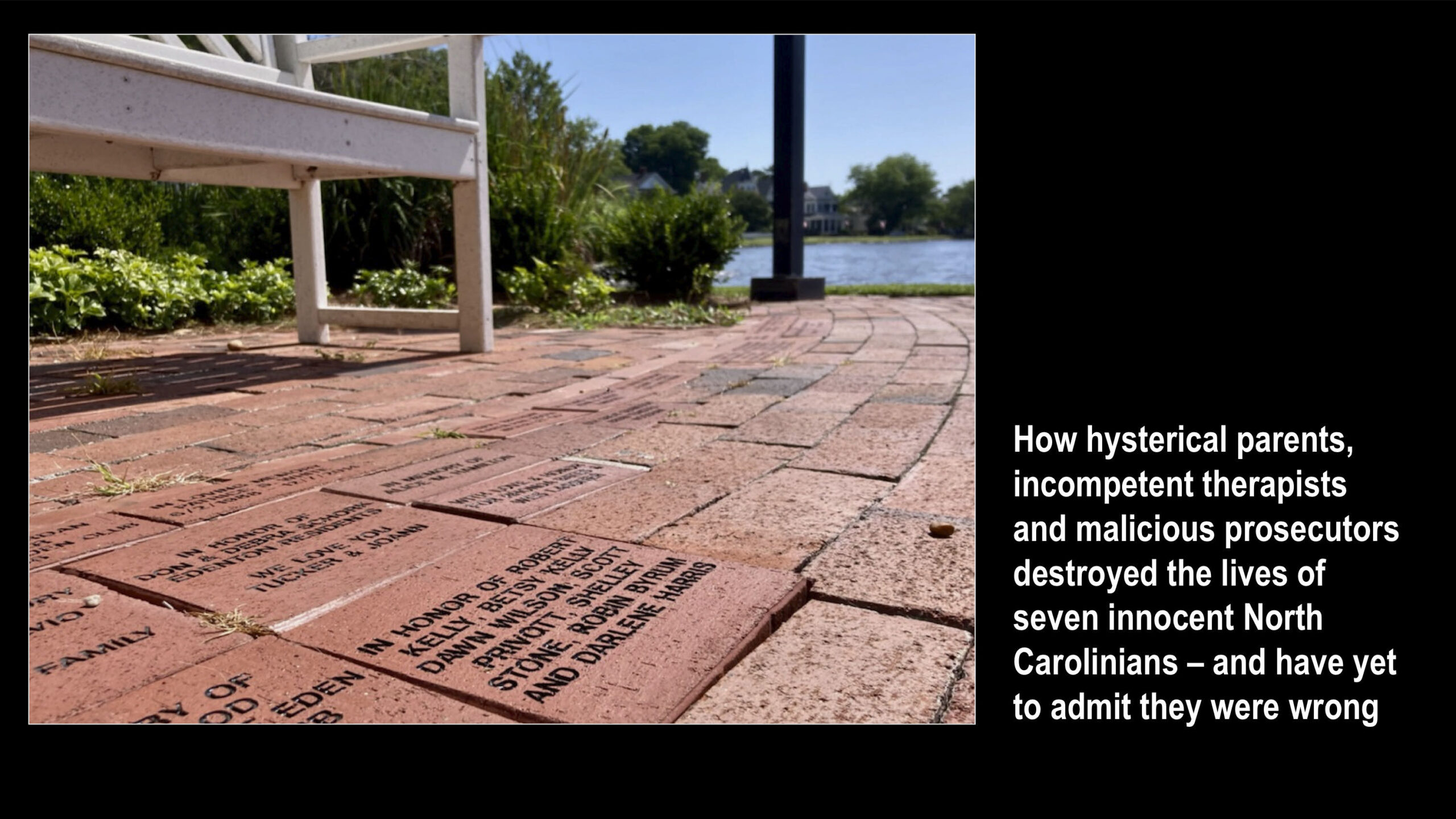
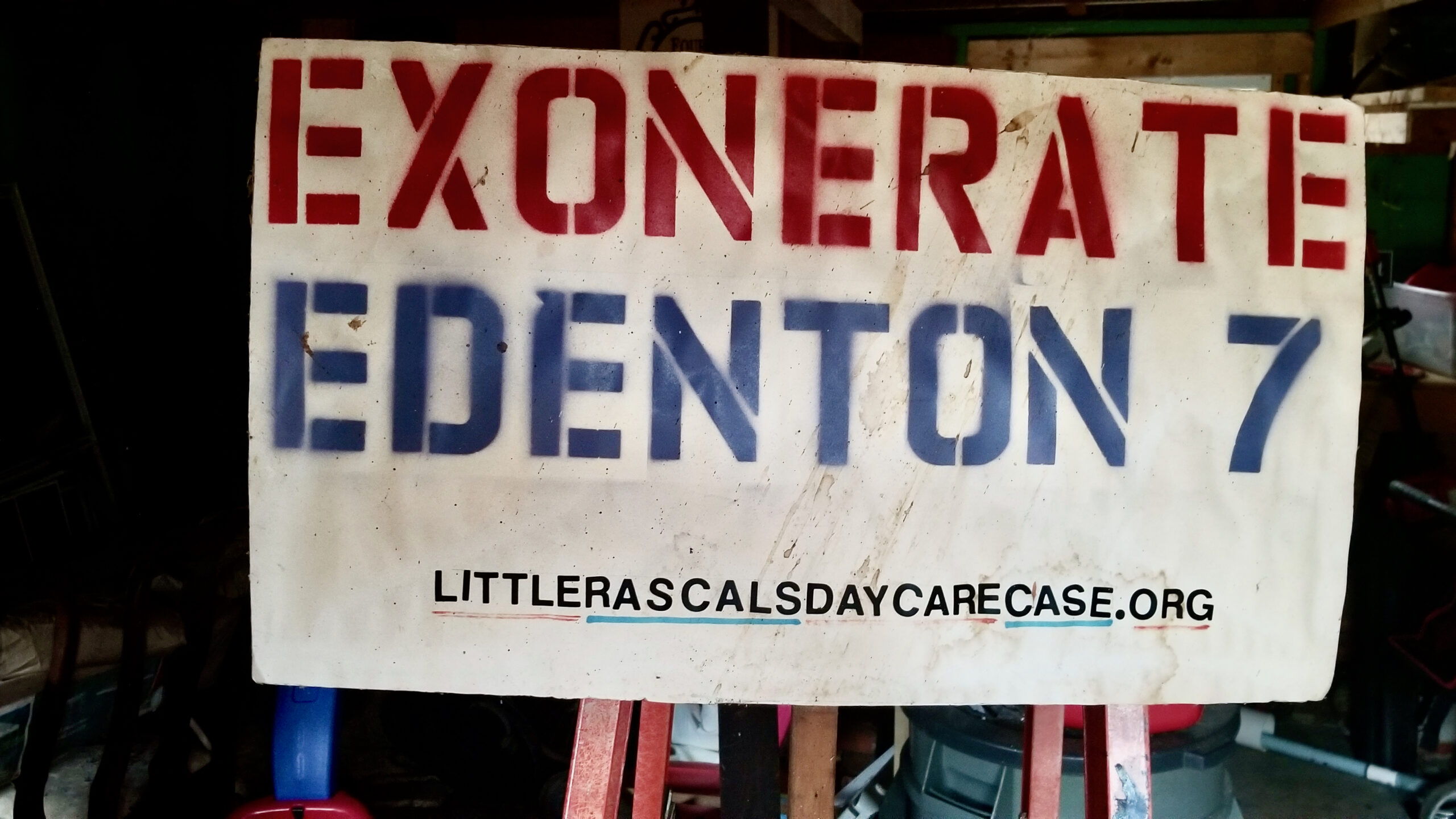
Among the alleged perpetrators: the sheriff and mayor. But prosecutors would charge only Robin Byrum, Darlene Harris, Elizabeth “Betsy” Kelly, Robert “Bob” Kelly, Willard Scott Privott, Shelley Stone and Dawn Wilson – the Edenton 7.
Along with sodomy and beatings, allegations included a baby killed with a handgun, a child being hung upside down from a tree and being set on fire and countless other fantastic incidents involving spaceships, hot air balloons, pirate ships and trained sharks.
By the time prosecutors dropped the last charges in 1997, Little Rascals had become North Carolina’s longest and most costly criminal trial. Prosecutors kept defendants jailed in hopes at least one would turn against their supposed co-conspirators. Remarkably, none did. Another shameful record: Five defendants had to wait longer to face their accusers in court than anyone else in North Carolina history.
Between 1991 and 1997, Ofra Bikel produced three extraordinary episodes on the Little Rascals case for the PBS series “Frontline.” Although “Innocence Lost” did not deter prosecutors, it exposed their tactics and fostered nationwide skepticism and dismay.
With each passing year, the absurdity of the Little Rascals charges has become more obvious. But no admission of error has ever come from prosecutors, police, interviewers or parents. This site is devoted to the issues raised by this case.
On Facebook


Little Rascals Day Care Case
This Facebook page is an offshoot of littlerascalsdaycarecase.org, which addresses the wrongful prosecution of the Edenton Seven and other such victims.

Meanwhile in Edenton....
This content isn't available right now
When this happens, it's usually because the owner only shared it with a small group of people, changed who can see it or it's been deleted.0 CommentsComment on Facebook
Allies for our cause!
This content isn't available right now
When this happens, it's usually because the owner only shared it with a small group of people, changed who can see it or it's been deleted.0 CommentsComment on Facebook
The courts have a long history of capriciously pulling the rug out from under Junior's appeals, but maybe this time....
This content isn't available right now
When this happens, it's usually because the owner only shared it with a small group of people, changed who can see it or it's been deleted.0 CommentsComment on Facebook
Click for earlier Facebook posts archived on this site
Click to go to

Today’s random selection from the Little Rascals Day Care archives….
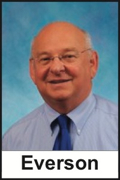
What made Mark Everson an expert witness?
 July 2, 2012
Perhaps the prosecution’s most influential expert witness during the 1992 trial of Bob Kelly was psychologist Mark Everson, director of the Program on Childhood Trauma and Maltreatment in UNC Chapel Hill’s department of psychiatry.
Here’s how Everson responded to a defense expert’s testimony that children are suggestible and should not be repeatedly interviewed: “It’s kind of naïve. It’s the kind of statement you really wouldn’t make if you worked with these kids.”
In a Charlotte Observer interview 10 years later, Everson seemed unmoved by the continuing wave of scientific research exposing the fallacy of “Children don’t lie.” He said he found it hard to believe that every Little Rascals child-witness had been badly interviewed and confused: “There’s so much smoke there, it’s hard to imagine there’s no fire.”
Where there’s smoke there’s fire?
Good lord. I wasn’t surprised to hear such naivete from a juror – “Something must have happened,” one told Ofra Bikel — but from a respected UNC faculty member whose opinion influenced whether Bob Kelly would be convicted and imprisoned?
Last week I emailed two questions to Everson at his Chapel Hill office:
– Have you changed your mind?
– How much credence do you give researchers such as Ceci and Bruck who have demonstrated the unreliability of child-witnesses?
I’ve yet to hear back.
But it’s hard to optimistic about a possible reassessment when Everson continues to choose Kathleen Coulborn Faller as his most frequent coauthor.
When the people we trust can’t be trusted
Jan. 25, 2017
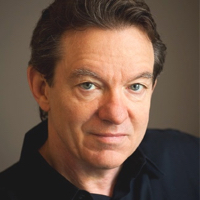
“Why is there such a cultural bias toward stories of abuse – and especially toward grotesque and absurd tales, even when there is no reliable evidence that any crime occurred in the first place?
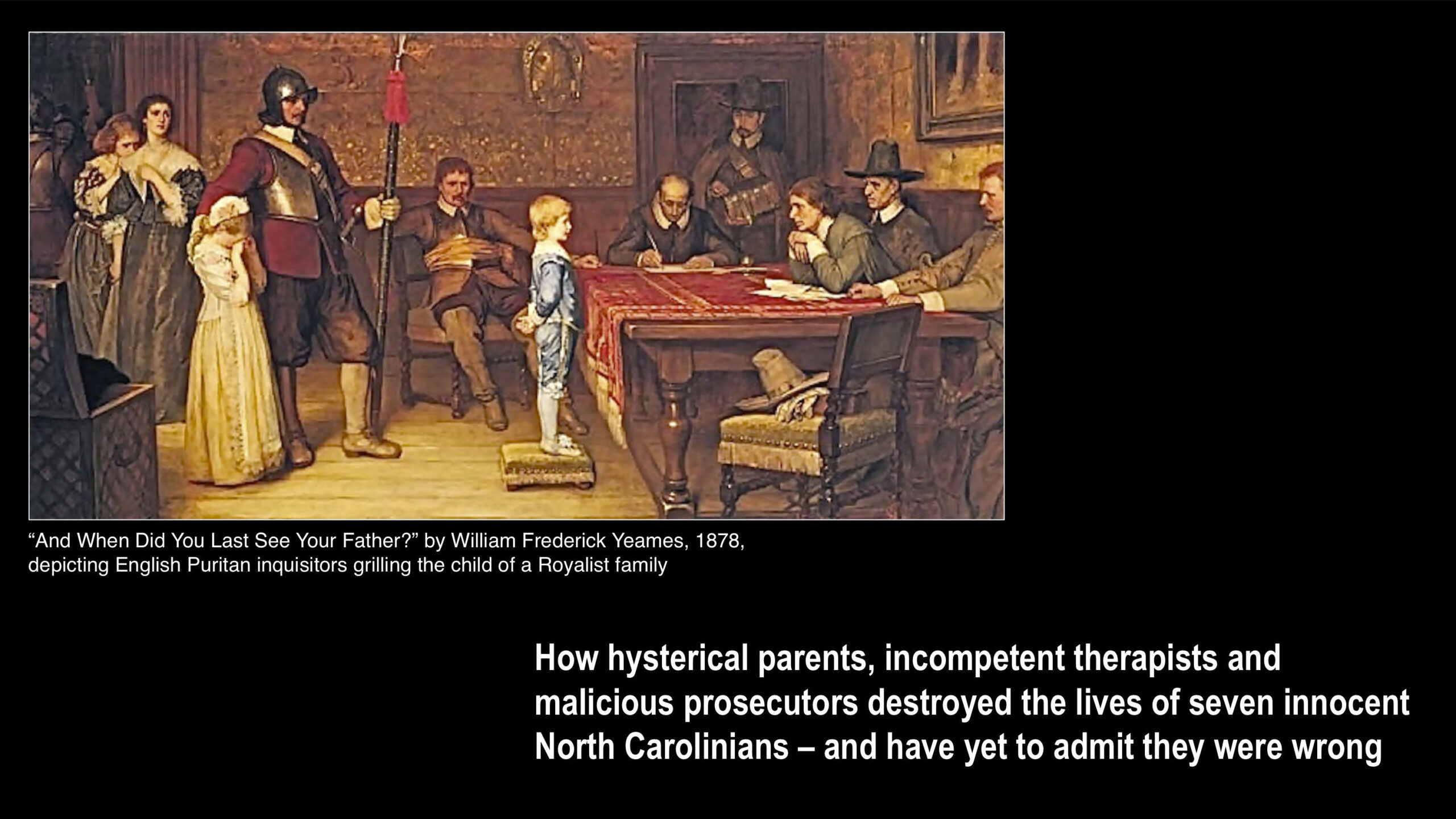
“The very people we count on to protect our society – prosecutors, police, social workers, jurors, even parents – are eliciting fantasies from children that express our worst collective fears. ….
“The libel that our society has imposed on child-care workers is a kind of projection of guilt for the damage that we ourselves have done, as parents and as a society. We have given our children to strangers to rear, and it makes us uneasy and fearful. Is it any wonder we have a bad conscience?…. ”
– From “Child-care Demons” by Lawrence Wright in The New Yorker (Oct. 3, 1994)

Abuse theory didn’t fit, but what the heck
Sept. 21, 2012
“Los Angeles psychiatrist Roland Summit’s ‘child sexual abuse syndrome,’ a theory about incest… argues that if there is evidence of sex abuse and a child denies it, this is only further proof that it happened and a therapist should use any means necessary to help the child talk…. If they later recant, that means they are under family pressure to protect the father and their turnabout is further proof of the crime.
“So no matter how much coercion was used to get an accusation and no matter if a child later retracted it, once Summit’s incest theory was applied, a charge of abuse became irrefutable. Child protection workers ignored the fact that this logic had little to do with day care. After all, why would children staunchly defend abuse to protect an adult who wasn’t part of the family? And if they had been so brutally attacked at school, why wouldn’t they tell their parents?
“Therapists and investigators came up with all sorts of rationales. One was the teachers threatened them by slaughtering animals and warning that the same thing would happen to their parents if they told….”
– From “The Ritual Sex Abuse Hoax” by Debbie Nathan (Village Voice, January 12, 1990)
The “threatened parents” claim reared its head in this 1995 letter from Little Rascals parents:
“…Many (children are now) old enough to realize that Bob Kelly can’t work his threatened evil to kill their families.”
Therapist, prosecutor worked 4-year-old as tag team
Feb. 6, 2012
Michele L. Zimmerman, now associate professor emeritus of psychiatric nursing at Old Dominion University, was one of four therapists who collaborated with prosecutors in interviewing Bob Kelly’s supposed victims.
Their teamwork is obvious in this clumsily coercive set-up by Zimmerman and District Attorney H.P. Williams Jr. (cited by Dr. Moisy Shopper, a St. Louis psychiatrist who reviewed interview tapes for the defense):
Zimmerman to 4-year-old boy: “Mr. Williams needs to know what he (Kelly) did to you to keep him in jail.”
Williams: “I’m in charge of the police. I decide who goes to jail.”
Last week I asked Zimmerman two questions: Do you still believe the Little Rascals defendants were guilty? Were the children actually abused?
Her response:
“Patient confidentiality laws do not permit me to comment on this case, as the therapist-client privilege still exists. It is not my role to comment on the defendants’ guilt or innocence, as that is the charge for the finder of fact.”
In fact, Zimmerman did comment publicly at least once in the aftermath of Kelly’s conviction: “There are people in Edenton who are still mad at one another because Person A did not tell Person B about the abuse.”
A final question, Ms. Zimmerman: What if Person A simply had nothing to tell?