Rascals case in brief
In the beginning, in 1989, more than 90 children at the Little Rascals Day Care Center in Edenton, North Carolina, accused a total of 20 adults with 429 instances of sexual abuse over a three-year period. It may have all begun with one parent’s complaint about punishment given her child.
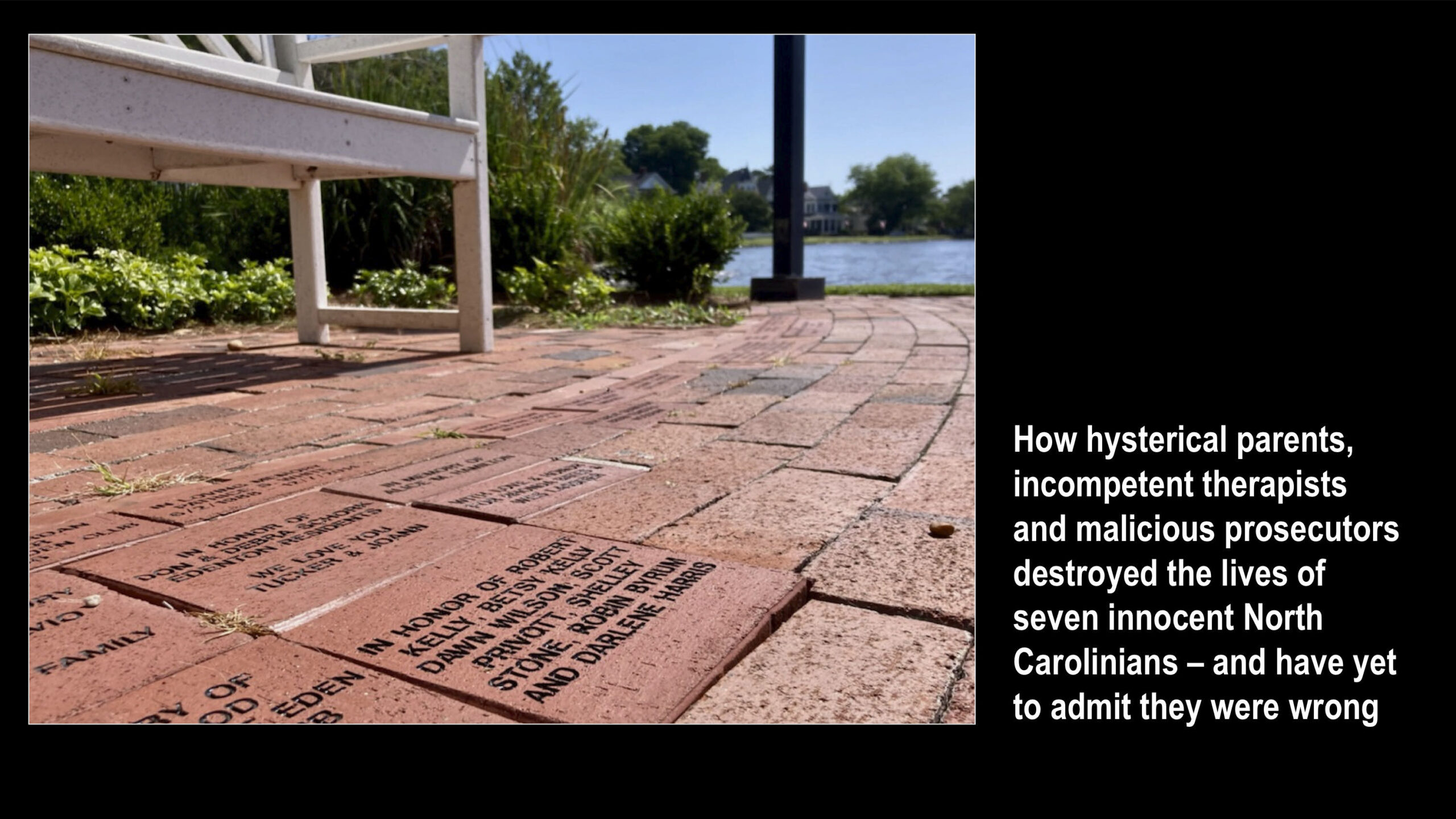
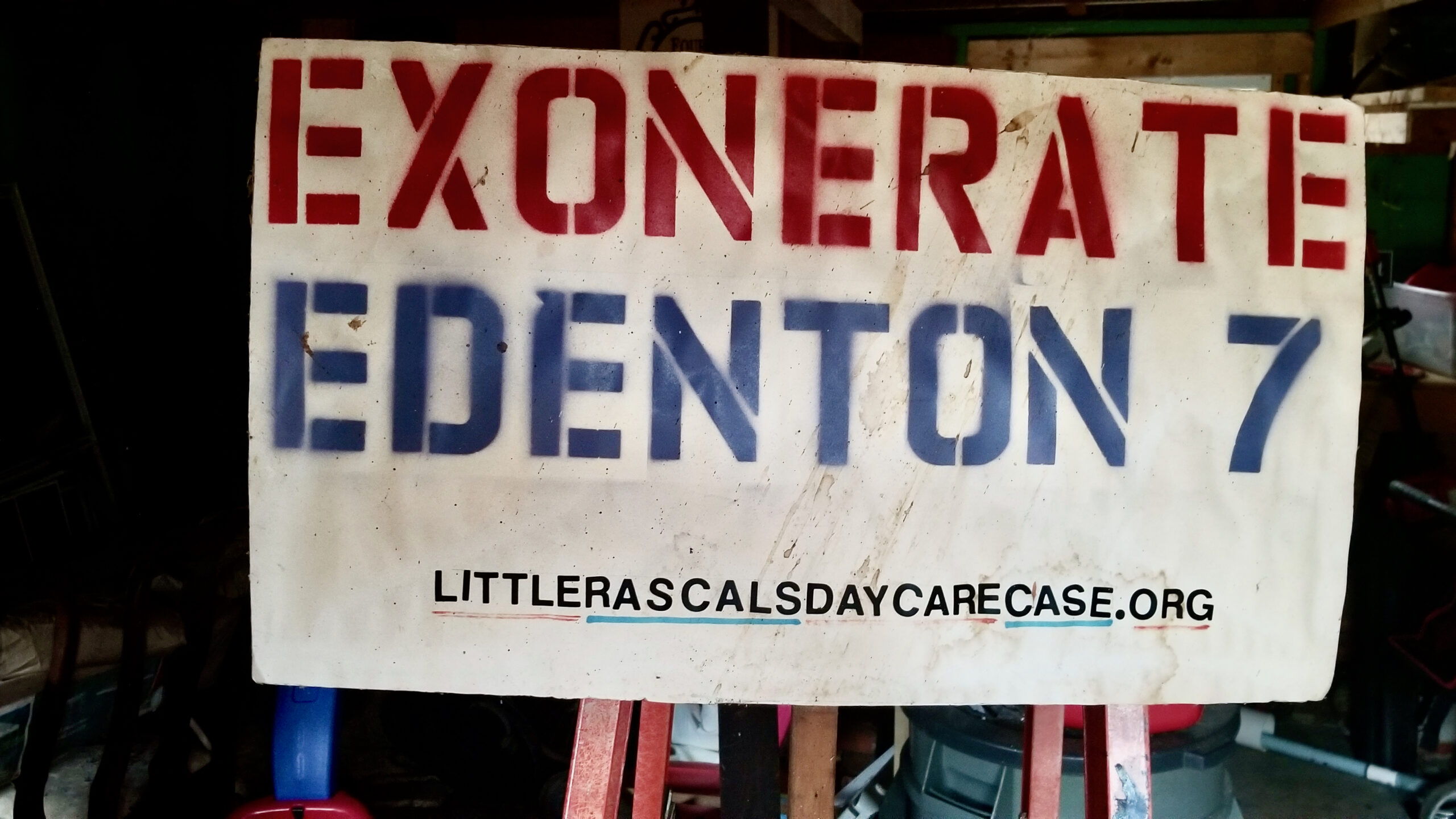
Among the alleged perpetrators: the sheriff and mayor. But prosecutors would charge only Robin Byrum, Darlene Harris, Elizabeth “Betsy” Kelly, Robert “Bob” Kelly, Willard Scott Privott, Shelley Stone and Dawn Wilson – the Edenton 7.
Along with sodomy and beatings, allegations included a baby killed with a handgun, a child being hung upside down from a tree and being set on fire and countless other fantastic incidents involving spaceships, hot air balloons, pirate ships and trained sharks.
By the time prosecutors dropped the last charges in 1997, Little Rascals had become North Carolina’s longest and most costly criminal trial. Prosecutors kept defendants jailed in hopes at least one would turn against their supposed co-conspirators. Remarkably, none did. Another shameful record: Five defendants had to wait longer to face their accusers in court than anyone else in North Carolina history.
Between 1991 and 1997, Ofra Bikel produced three extraordinary episodes on the Little Rascals case for the PBS series “Frontline.” Although “Innocence Lost” did not deter prosecutors, it exposed their tactics and fostered nationwide skepticism and dismay.
With each passing year, the absurdity of the Little Rascals charges has become more obvious. But no admission of error has ever come from prosecutors, police, interviewers or parents. This site is devoted to the issues raised by this case.
On Facebook


Little Rascals Day Care Case
This Facebook page is an offshoot of littlerascalsdaycarecase.org, which addresses the wrongful prosecution of the Edenton Seven and other such victims.

Meanwhile in Edenton....
This content isn't available right now
When this happens, it's usually because the owner only shared it with a small group of people, changed who can see it or it's been deleted.0 CommentsComment on Facebook
Allies for our cause!
This content isn't available right now
When this happens, it's usually because the owner only shared it with a small group of people, changed who can see it or it's been deleted.0 CommentsComment on Facebook
The courts have a long history of capriciously pulling the rug out from under Junior's appeals, but maybe this time....
This content isn't available right now
When this happens, it's usually because the owner only shared it with a small group of people, changed who can see it or it's been deleted.0 CommentsComment on Facebook
Click for earlier Facebook posts archived on this site
Click to go to

Today’s random selection from the Little Rascals Day Care archives….
Prosecution’s doctors ‘medicalized Satan’
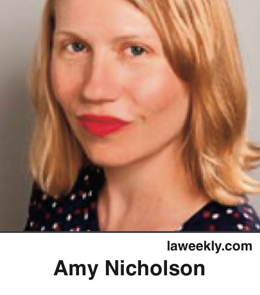 May 25, 2015
“Investigative journalist Susan Goldsmith has spent years examining the medical and legal industry that has arisen to promote its belief that vicious baby-shaking by enraged adults has killed thousands of infants, the subject of the new documentary The Syndrome….
“We’ve been here before. The Syndrome rewinds to the 1980s when the panic on behalf of children was Satanic Ritual Abuse, a national frenzy in which prosecutors and juries sent daycare employees to jail for years for crimes as implausible as cutting off a gorilla’s finger while at the zoo, then flying the children over Mexico to molest them.
“The media leapt on these accusations. So, too, did the doctors. ‘They medicalized Satan,’ says Goldsmith. ‘(Doctors would) go into court and say, “Yeah, she’s got a Satanic Ritual Abuse notch in her hymen” ’….
“Satanic Ritual Abuse and Shaken Baby Syndrome are more similar than they sound. In both cases, the expert speaks for the victim. The discredited Satanic Ritual Abuse cases proved that adults were able to pressure children to swear to all sorts of falsehoods…. The alleged victims of Shaken Baby Syndrome are either dead or too young to explain what happened. Thus a doctor’s educated opinion becomes crucial – even if that doctor is adhering to incorrect ‘proof’ of abuse.”
– From “Is Shaken Baby Syndrome the New Satanic Panic?” by Amy Nicholson in LA Weekly (April 9, 2015)
‘Black helicopters’ over Edenton? Sure, why not?
Feb. 27, 2015
“…. A social worker from North Carolina informed the group (the Society for the Investigation, Treatment and Prevention of Ritual and Cult Abuse) that in the day-care sex-abuse case she was investigating, she thought she remembered the kids talking about black helicopters. She said she would look into it.”
– From “Conspiracy Theories and Paranoia: Notes from a Mind-Control Conference” by Evan Harrington in the Skeptical Inquirer (September-October 1996)
The “ritual and cult abuse” conference took place in Dallas in March 1995, several years after the trials of Bob Kelly and Dawn Wilson (and just a couple of months before the North Carolina Court of Appeals overturned their convictions). But I wouldn’t be surprised if the social worker chatting with Dr. Harrington was a prosecution therapist still eagerly accumulating and broadcasting claims … this one perhaps.
Prosecutors must recognize vulnerability to cognitive flaws
Nov. 17, 2016
“It’s no secret that we humans grant far too much confidence to our opinions. But when powerful people do this, the dangers compound. Zealotry replaces fair-mindedness. The worst excesses happen when prosecutors forget they’re flawed humans, like anyone else, and that as a result they’re subject to cognitive flaws like tunnel vision, racial bias, and the desire to reduce cognitive dissonance through ‘cognitive consistency’ even at the expense of complicated, nuanced, self-contradictory, paradoxical truth….
“Cognitive bias and overconfidence touch us all. Only a conscious awareness that we might be wrong can counter unthinking heuristics, biases, and schemas that lead to imperfect conclusions….
“Wisdom counsels not the confident use of power, but the wise use of power. The first step of wisdom is recognizing how little we know….”
– From “ ‘Making a Murderer’ Attorney Highlights Our Troubling Rate of Wrongful Conviction — and Suggests a Solution” by Michael Shammas in the Huffington Post (July 12)
And the latest on the still-imprisoned Brendan Dassey.

Professor yet to decide about McMartin case
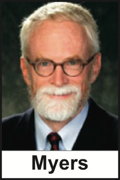 June 28, 2013
“Children can lie, but research shows that they do not fabricate detailed descriptions of adult sexual acts unless they have experienced or witnessed them. Studies also show that children have good memories and that even preschoolers can remember key events like sexual abuse. One problem is that repeatedly molested children have great difficulty distinguishing one act of abuse from another and linking abuse to specific dates….
“In the McMartin case, we learned… to minimize the use of leading questions during interviews…. While the verdict comes as a disappointment to the children in the case, their courage and willingness to testify for weeks on end has been a catalyst for change that will protect countless other children.”
– From Believe the Children adviser Civia Tamarkin’s interview with John E. B. Myers, professor at McGeorge School of Law, University of the Pacific, in “The McMartin Nightmare” (People magazine, Feb. 5, 1990)
As his faculty bio notes, Professor Myers has long been “one of the country’s foremost authorities on child abuse,” especially in tracing its historical context, but he seems to have been excruciatingly slow to recognize the fraudulence of “satanic ritual abuse” claims. Although he stopped short of declaring the McMartins guilty, Myers clearly stationed himself in the “child saver” camp, more sympathetic toward serial interviewer Kee MacFarlane than toward the defendants whose lives she devastated.
In a journal article five years later, Myers would acknowledge “growing skepticism regarding children’s credibility,” at the same time warning of a “real danger that the pendulum will swing too far in the direction of disbelief.”
More recently, Myers addressed McMartin in “Child Protection in America: Past, Present, and Future” (2006), crediting it with raising the standard for interviewing, but concluding that “In the final analysis, we will never know what happened at the McMartin Preschool. From the outset, the case divided people into ‘true believers’ and skeptics….”
In “The Backlash: Child Protection Under Fire” (1994) Myers had added a most curious footnote: “I have no opinion regarding the guilt or innocence of any of the McMartin defendants.” How could he – a law professor! – acknowledge the corruption of the child-witnesses’ testimony, yet doubt the defendants deserved a “not guilty” verdict?
Almost 20 years later, I wondered whether Myers might have formed an opinion.
His emailed response: “No idea about guilt or innocence.”