

Rascals case in brief
In the beginning, in 1989, more than 90 children at the Little Rascals Day Care Center in Edenton, North Carolina, accused a total of 20 adults with 429 instances of sexual abuse over a three-year period. It may have all begun with one parent’s complaint about punishment given her child.
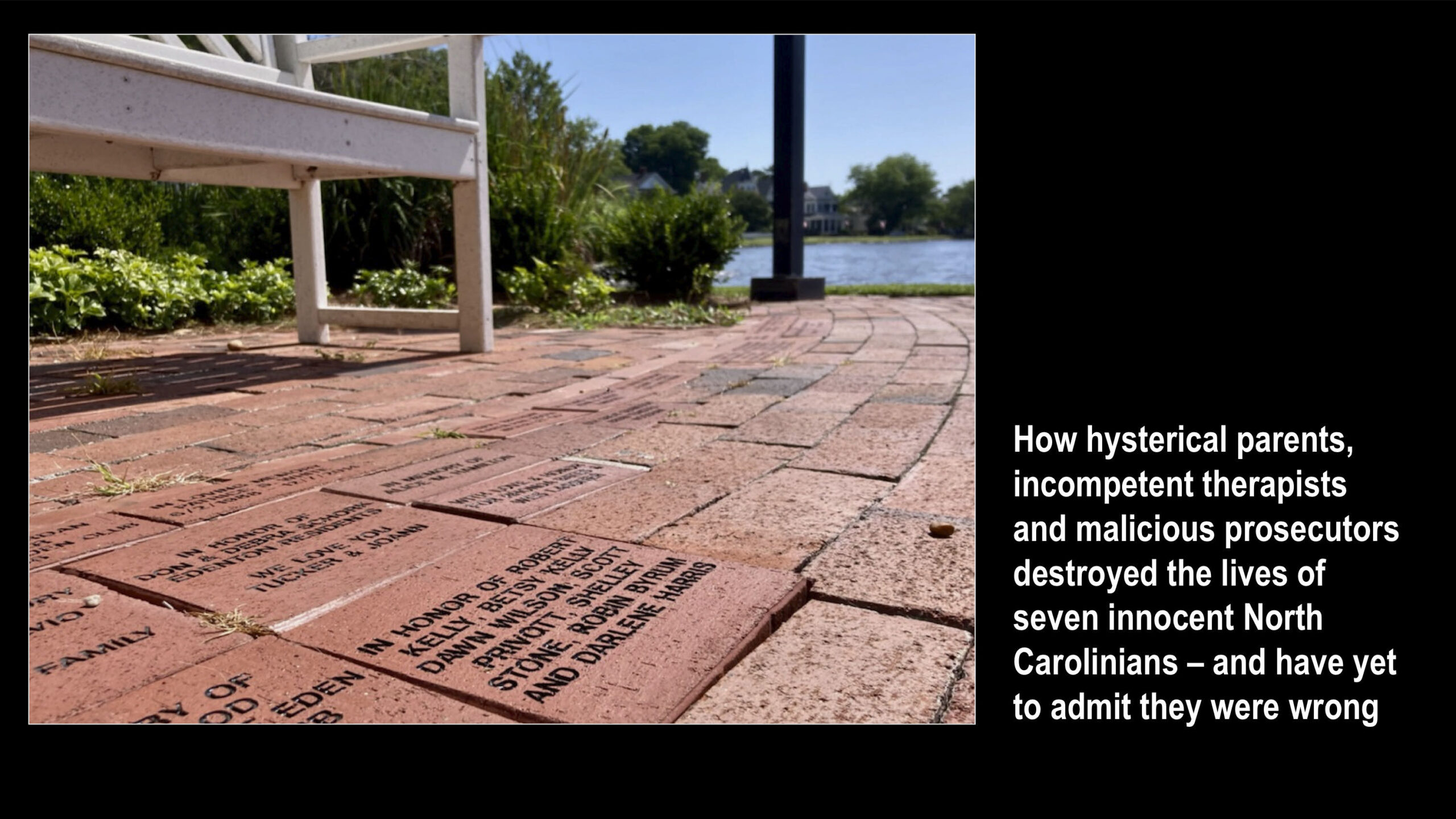
Among the alleged perpetrators: the sheriff and mayor. But prosecutors would charge only Robin Byrum, Darlene Harris, Elizabeth “Betsy” Kelly, Robert “Bob” Kelly, Willard Scott Privott, Shelley Stone and Dawn Wilson – the Edenton 7.
Along with sodomy and beatings, allegations included a baby killed with a handgun, a child being hung upside down from a tree and being set on fire and countless other fantastic incidents involving spaceships, hot air balloons, pirate ships and trained sharks.
By the time prosecutors dropped the last charges in 1997, Little Rascals had become North Carolina’s longest and most costly criminal trial. Prosecutors kept defendants jailed in hopes at least one would turn against their supposed co-conspirators. Remarkably, none did. Another shameful record: Five defendants had to wait longer to face their accusers in court than anyone else in North Carolina history.
Between 1991 and 1997, Ofra Bikel produced three extraordinary episodes on the Little Rascals case for the PBS series “Frontline.” Although “Innocence Lost” did not deter prosecutors, it exposed their tactics and fostered nationwide skepticism and dismay.
With each passing year, the absurdity of the Little Rascals charges has become more obvious. But no admission of error has ever come from prosecutors, police, interviewers or parents. This site is devoted to the issues raised by this case.
On Facebook


Little Rascals Day Care Case
This Facebook page is an offshoot of littlerascalsdaycarecase.org, which addresses the wrongful prosecution of the Edenton Seven and other such victims.

Meanwhile in Edenton....
This content isn't available right now
When this happens, it's usually because the owner only shared it with a small group of people, changed who can see it or it's been deleted.0 CommentsComment on Facebook
Allies for our cause!
This content isn't available right now
When this happens, it's usually because the owner only shared it with a small group of people, changed who can see it or it's been deleted.0 CommentsComment on Facebook
The courts have a long history of capriciously pulling the rug out from under Junior's appeals, but maybe this time....
This content isn't available right now
When this happens, it's usually because the owner only shared it with a small group of people, changed who can see it or it's been deleted.0 CommentsComment on Facebook
Click for earlier Facebook posts archived on this site
Click to go to

Today’s random selection from the Little Rascals Day Care archives….
A real head-scratcher: Diagnosis or job description?
 Dec. 17, 2012
“(They) are arrogant and self-centered, and feel privileged and entitled. They have a grandiose, exaggerated sense of self-importance and they are primarily motivated by self-serving goals. They seek power over others and will manipulate, exploit, deceive, con, or otherwise take advantage of others, in order to inflict harm or to achieve their goals. They are callous and have little empathy for others needs or feelings unless they coincide with their own. They show disregard for the rights, property, or safety of others and experience little or no remorse or guilt if they cause any harm or injury to others. They may act aggressively or sadistically toward others in pursuit of their personal agendas and appear to derive pleasure or satisfaction from humiliating, demeaning, dominating, or hurting others….”
The passage above, from the Diagnostic and Statistical Manual of Mental Disorders best describes
A. Psychopaths
B. Prosecutors of ritual-abuse day-care cases
C. Both A and B
Prosecutors misused bail to squeeze defendants
 Aug. 16, 2015
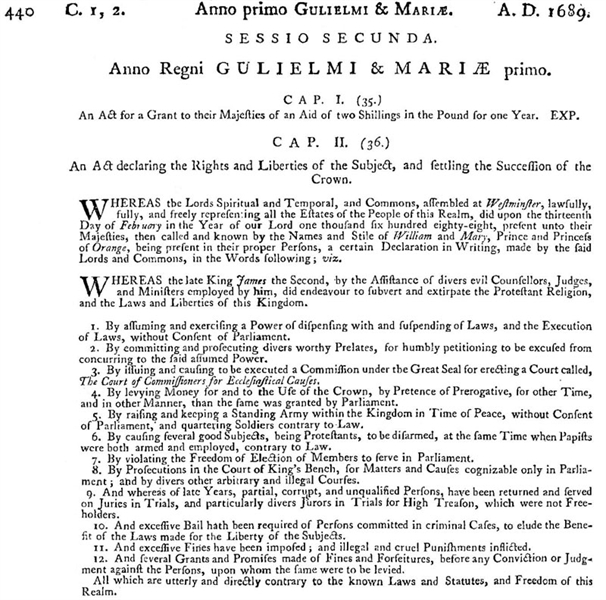
“In 1689, the English Bill of Rights outlawed the widespread practice of keeping defendants in jail by setting deliberately unaffordable bail, declaring that ‘excessive bail shall not be required, nor excessive fines imposed.’ The same language was adopted word for word a century later in the Eighth Amendment to the United States Constitution.
“But as bail has evolved in America, it has become less and less a tool for keeping people out of jail, and more and more a trap door for those who cannot afford to pay it….
“Across the criminal-justice system, bail acts as a tool of compulsion, forcing people who would not otherwise plead guilty to do so….”
– From “The Bail Trap” by Nick Pinto in the New York Times (Aug. 13)
Could there be a more bare-faced example of “excessive bail” than that set for the Edenton Seven?
- Bob Kelly, $1.5 million (later reduced to $200,000 – after his conviction was overturned – then $50,000 )
- Betsy Kelly, $1.8 million (reduced to $400,000)
- Scott Privott, $1 million (reduced to $50,000)
- Shelley Stone, $375,000
- Dawn Wilson, $880,000 (reduced to $200,000)
- Robin Byrum, $500,000 (reduced to $200,000)
- Darlene Harris, $350,000
Did prosecutors fear that the defendants would flee to Argentina? That they would prowl the town’s playgrounds in search of new victims? No, these absurd amounts surely had no purpose but to coerce confessions. How shocked and disappointed they must have been that not one of the defendants, though crushed financially, succumbed.
Letters claiming wrongful conviction couldn’t be true – could they?

Feb. 22, 2017
“[When Rich Rosen, Theresa Newman and Jim Coleman began planning the state’s first innocence project], not everyone agreed their work was worth doing. To many… colleagues, in North Carolina and across the country, the letters they were reading were no more than acts of desperation: There was zero chance these inmates were innocent, only that they had nothing to lose by filing paperwork. The American criminal-justice system had always trivialized its own chances at convicting anyone wrongly, feeling certain – as lawyer Christine Mumma no longer could – that protections at trial made that outcome impossible….”
– From “A Justice Startup” by Benjamin Rachlin in “Innocent: The Fight Against Wrongful Convictions,” a Time special edition
Rachlin’s piece is excerpted from “Ghost of the Innocent Man: A True Story of Trial and Redemption,” to be published in August.

How were defendants so skillful at dressing kids?
Nov. 30, 2011
 “You have to start with the matter of probability. What every one of these (day care sex abuse) cases has in common is that no adult observer has actually seen a molestation in progress.
“Supposedly, these abuses are going on continually over a period of months. Almost always, they supposedly involve a number of adults and many children, with outsiders constantly walking in and out of these centers. Yet we have no corroborating eyewitnesses. None….
“Throughout it all, these children somehow always come home in the right shoes and socks and underpants. Do you have kids? Do you realize how hard it is to dress two kids in a hurry without some kind of mix-up, let alone 10 or 12 or 20 kids?”
– Dr. Richard A. Gardner, clinical professor of psychiatry at Columbia University, quoted in Playboy magazine (June 1992)