Rascals case in brief
In the beginning, in 1989, more than 90 children at the Little Rascals Day Care Center in Edenton, North Carolina, accused a total of 20 adults with 429 instances of sexual abuse over a three-year period. It may have all begun with one parent’s complaint about punishment given her child.
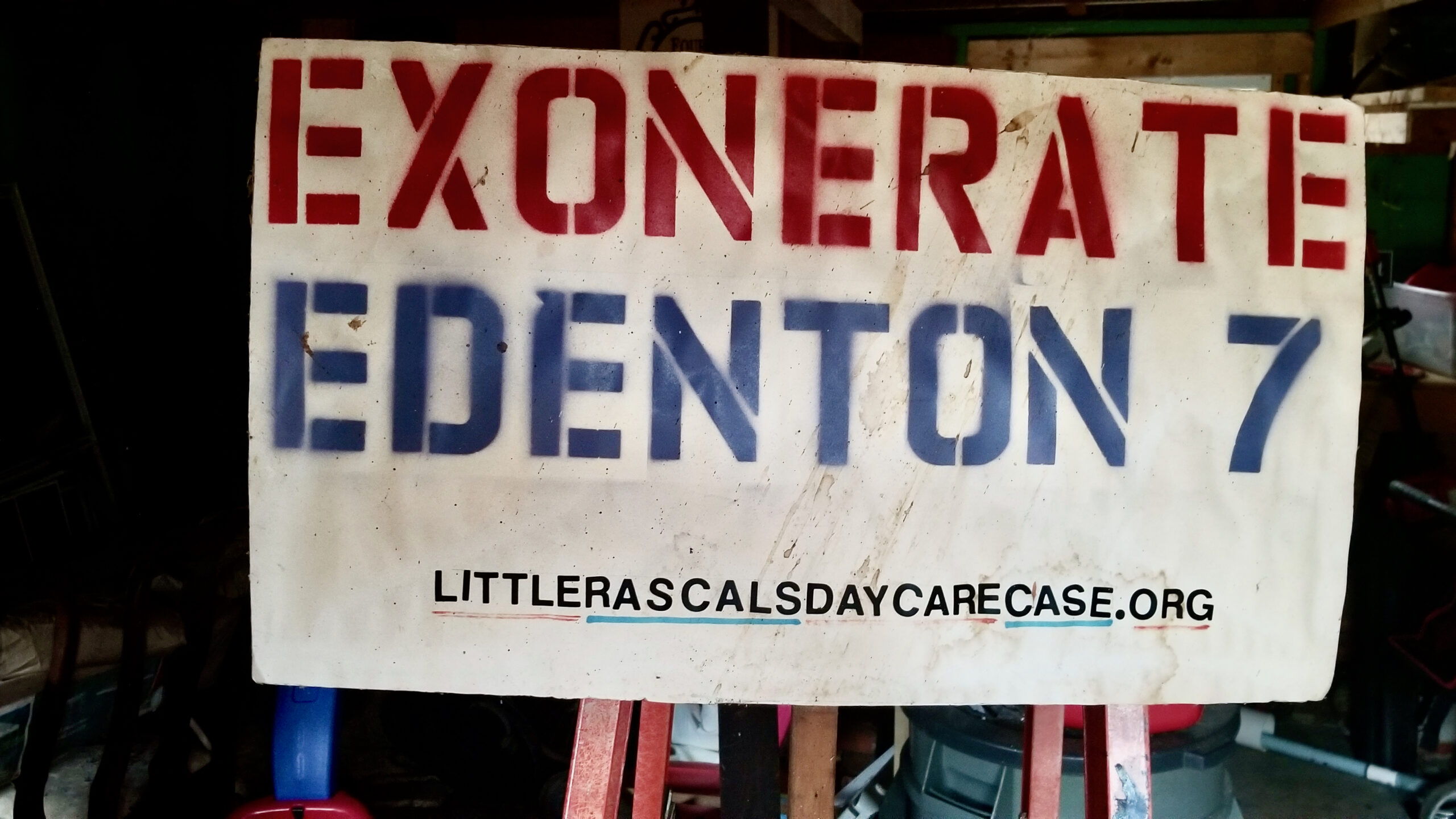
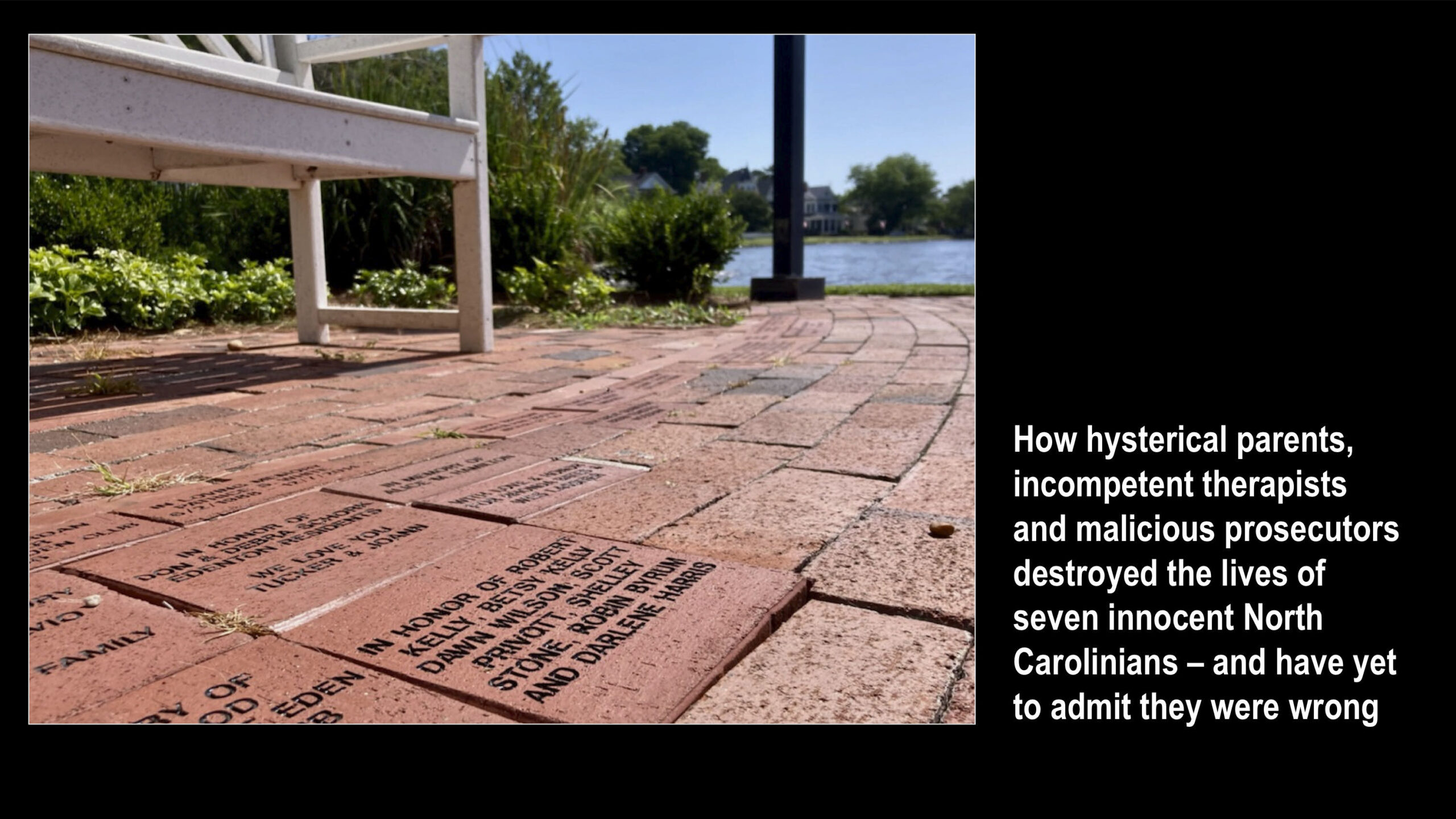
Among the alleged perpetrators: the sheriff and mayor. But prosecutors would charge only Robin Byrum, Darlene Harris, Elizabeth “Betsy” Kelly, Robert “Bob” Kelly, Willard Scott Privott, Shelley Stone and Dawn Wilson – the Edenton 7.
Along with sodomy and beatings, allegations included a baby killed with a handgun, a child being hung upside down from a tree and being set on fire and countless other fantastic incidents involving spaceships, hot air balloons, pirate ships and trained sharks.
By the time prosecutors dropped the last charges in 1997, Little Rascals had become North Carolina’s longest and most costly criminal trial. Prosecutors kept defendants jailed in hopes at least one would turn against their supposed co-conspirators. Remarkably, none did. Another shameful record: Five defendants had to wait longer to face their accusers in court than anyone else in North Carolina history.
Between 1991 and 1997, Ofra Bikel produced three extraordinary episodes on the Little Rascals case for the PBS series “Frontline.” Although “Innocence Lost” did not deter prosecutors, it exposed their tactics and fostered nationwide skepticism and dismay.
With each passing year, the absurdity of the Little Rascals charges has become more obvious. But no admission of error has ever come from prosecutors, police, interviewers or parents. This site is devoted to the issues raised by this case.
On Facebook


Little Rascals Day Care Case
This Facebook page is an offshoot of littlerascalsdaycarecase.org, which addresses the wrongful prosecution of the Edenton Seven and other such victims.

Meanwhile in Edenton....
This content isn't available right now
When this happens, it's usually because the owner only shared it with a small group of people, changed who can see it or it's been deleted.0 CommentsComment on Facebook
Allies for our cause!
This content isn't available right now
When this happens, it's usually because the owner only shared it with a small group of people, changed who can see it or it's been deleted.0 CommentsComment on Facebook
The courts have a long history of capriciously pulling the rug out from under Junior's appeals, but maybe this time....
This content isn't available right now
When this happens, it's usually because the owner only shared it with a small group of people, changed who can see it or it's been deleted.0 CommentsComment on Facebook
Click for earlier Facebook posts archived on this site
Click to go to

Today’s random selection from the Little Rascals Day Care archives….
Is psychiatry ready to face up to its denial?
 Feb. 1, 2014
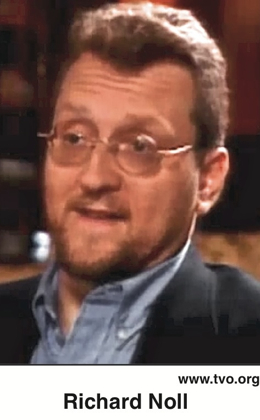
“As our medical schools and graduate programs fill with students who were born after 1989, we meet young mental health professionals-in-training who have no knowledge or
living memory of the Satanic ritual abuse (SRA) moral panic of the 1980s and early 1990s. To those of us old enough to have been there, that era already seems like a curious relic of the past, bracketed in our memory palaces behind a door we are loathe to open again.
“Some mass cultural phenomena are so emotionally-charged, so febrile, and in retrospect so causally incomprehensible, that we feel compelled to move on silently and feign forgetfulness…
“Despite the discomfort it brings, we owe it to the current generation of clinicians to remember that an elite minority within the American psychiatric profession played a small
but ultimately decisive role in the cultural validation, and then reduction, of the Satanism moral panic between 1988 and 1994….
“Are we ready now to reopen a discussion on this moral panic? Will both clinicians and historians of psychiatry be willing to be on record?”
– From “When Psychiatry Battled the Devil” by Richard Noll in Psychiatric Times (Dec. 6, 2013)
Wow! After more than two years of seeing mental health professionals shrug off responsibility for the moral panic they promoted, I can hardly believe what I’m reading. Noll, an accomplished author and professor, traces how it all happened – and asks, “Shall we continue to silence memory, or allow it to speak?”
An early vote to silence memory came from an unexpected source: Psychiatric Times itself, which clumsily pulled Noll’s piece from its website.
By contrast, Allen Frances, professor emeritus of psychiatry at Duke, offered a powerful – and I hope influential – personal mea culpa.
Moral panics, strange to begin with, also make strange bedfellows

June 14, 2018
“America has a long history of episodic moral panics in which self-styled experts, sensationalistic journalists and public officials used emotionally charged language and a barrage of (often distorted) statistics to portray a particular social problem as widespread and urgent….
“The 1980s brought [a] moral panic precipitated by unease about double-income families and the supervision of children by strangers at day-care centers….
“All these scares produced unexpected political alliances. Conservatives concerned with moral purity, law-and-order and Christian values joined forces with feminists worried about victims of sexual trauma and liberals in favor of strong government regulation. When forces from the right and left converge in a moral panic, their causes possess greater appeal to the public. We see this today as women’s rights advocates join the sex-trafficking fight along with the religious right. The result is a runaway train with no real political force left in opposition….”
– From “President Trump signed a new law that aims to fight online sex trafficking. Here’s why that’s bad.” by Sascha Cohen in the Washington Post (April 12)

Lacrosse case wasn’t state’s only imaginary crime
 Oct. 14, 2015
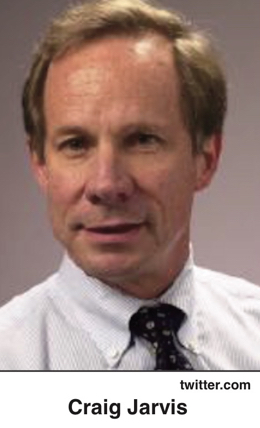
“(Attorney General Roy Cooper) took over a tangled and controversial investigation of alleged gang rape by Duke University athletes, eventually in 2007 making the extraordinary determination that the crime never happened….”
– From “Cooper formally declares campaign to unseat McCrory” by Craig Jarvis in the News & Observer of Raleigh (Oct. 12)
So far, Attorney General Cooper’s willingness to address crimes that never happened hasn’t extended to the Little Rascals Day Care case.
‘Why hadn’t any of the suspects copped a plea?’ he wondered
Feb. 2, 2018
“In August 1983 [Manhattan Beach, Calif., police chief Harry] Kuhlmeyer was presented with the McMartin Preschool case. Therapists and medical doctors had identified dozens of McMartin children as sexual abuse victims. Raymond Buckey, the sole male teacher at the preschool owned by his grandmother Virginia McMartin, was the primary suspect….
“Parents demanded Buckey’s immediate arrest, but Kuhlmeyer refused. His detectives could find no corroborating evidence.
“ ‘Why hadn’t any of the suspects copped a plea, why no mea culpas, no suicides? No one got drunk and bared his soul. If everything the kids said happened, it looked like the perfect crime. Even the Mafia has snitches,’ Kuhlmeyer said.
“The Los Angeles County District Attorney’s office… drew up an arrest complaint about Buckey, but Kuhlmeyer refused to sign it. [The DA took the case to the grand jury, which routinely rubber stamps indictment requests.]
“Kuhlmeyer’s unpopular stance was vindicated seven years and $15 million in court costs later when two McMartin trials ended with no convictions.”
– From “Police chief during McMartin case refused to charge abuse suspects” by Kevin Cody in Easy Reader News (Jan. 31)
No such doubt, by either police or prosecutors, slowed the rush to put the Edenton Seven behind bars. The result, of course, was a disaster of McMartin dimensions.
Chief Kuhlmeyer died Jan. 12 in Santa Monica, Calif. He was 94.