Rascals case in brief
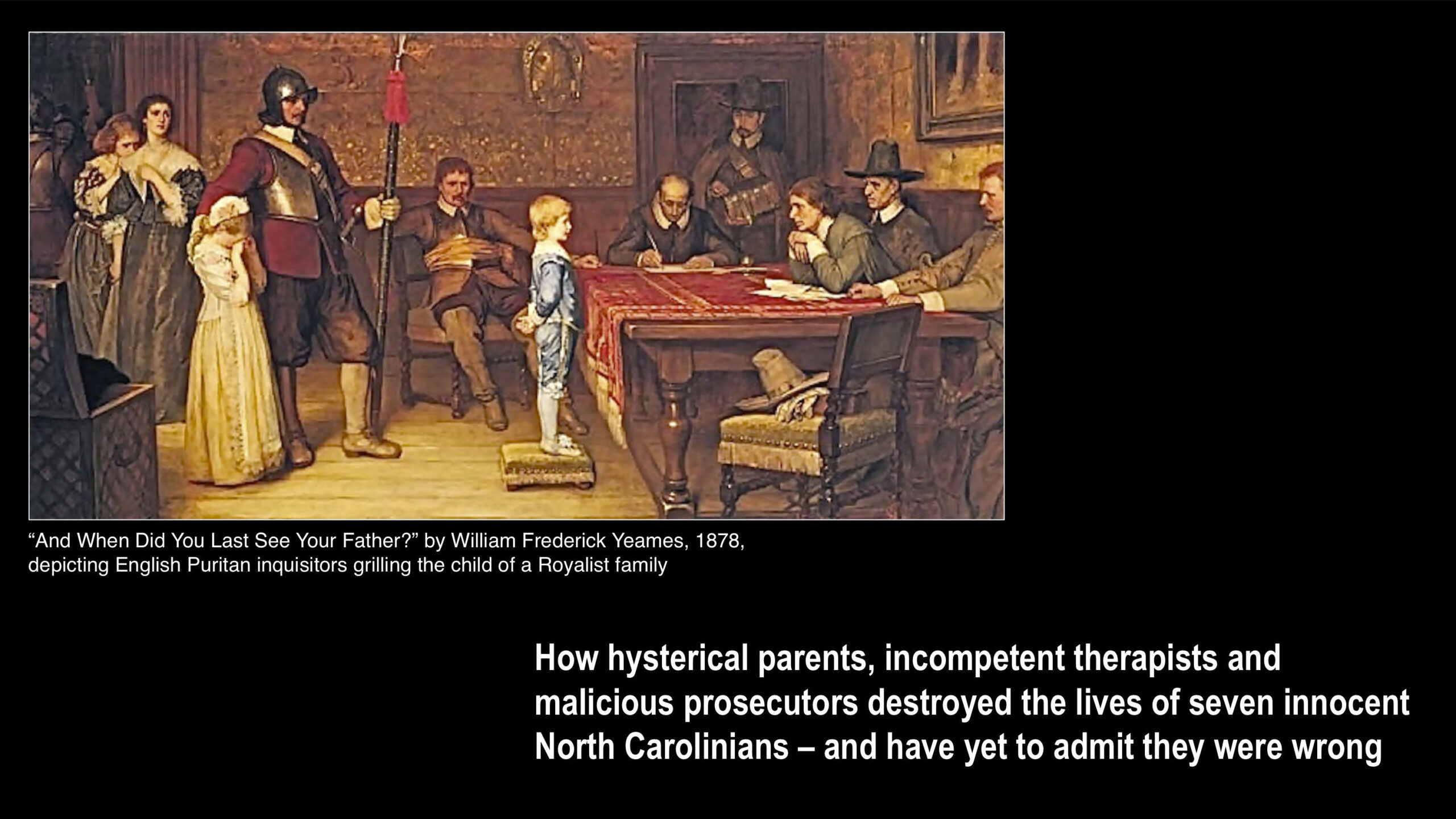
In the beginning, in 1989, more than 90 children at the Little Rascals Day Care Center in Edenton, North Carolina, accused a total of 20 adults with 429 instances of sexual abuse over a three-year period. It may have all begun with one parent’s complaint about punishment given her child.
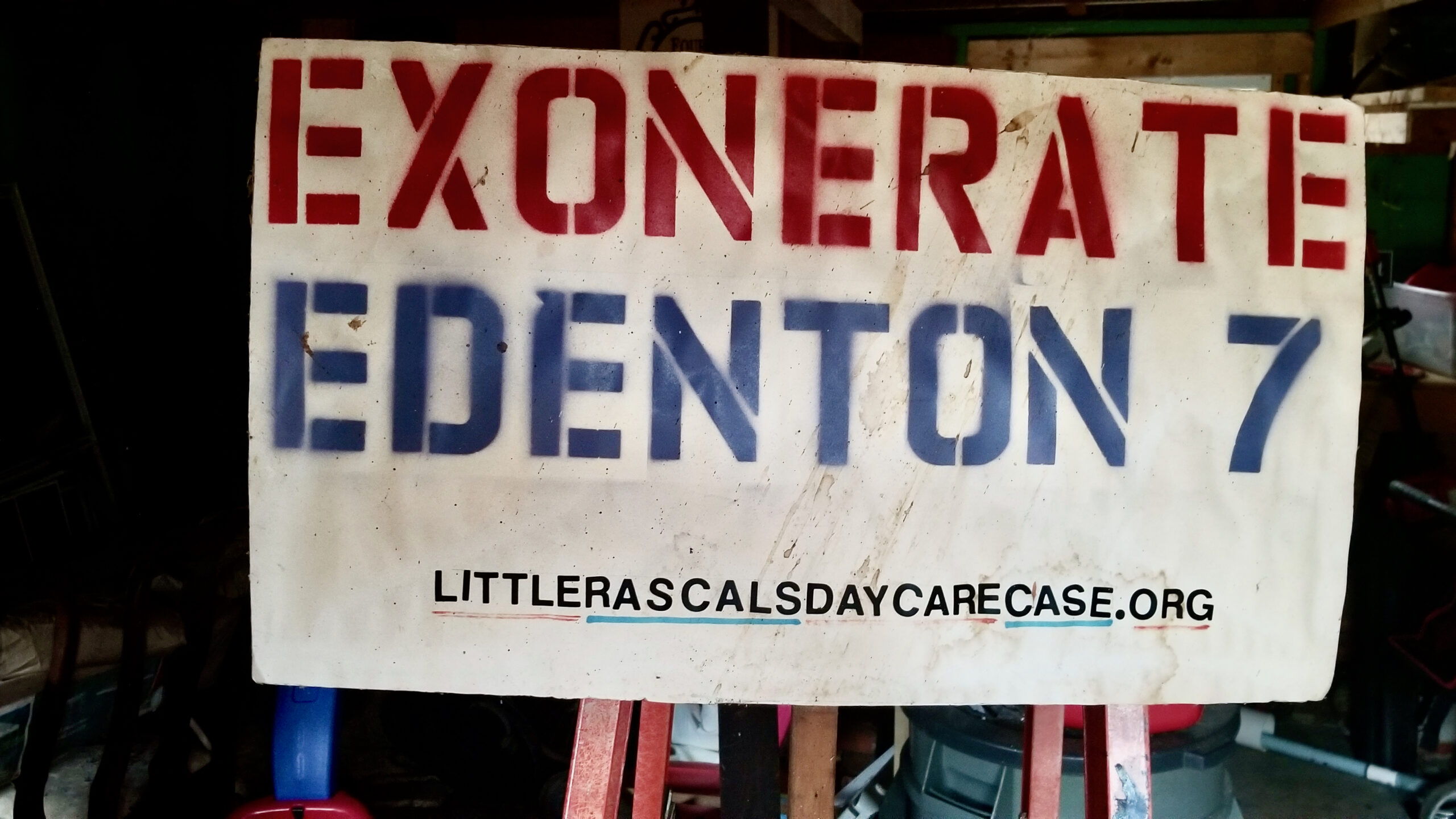
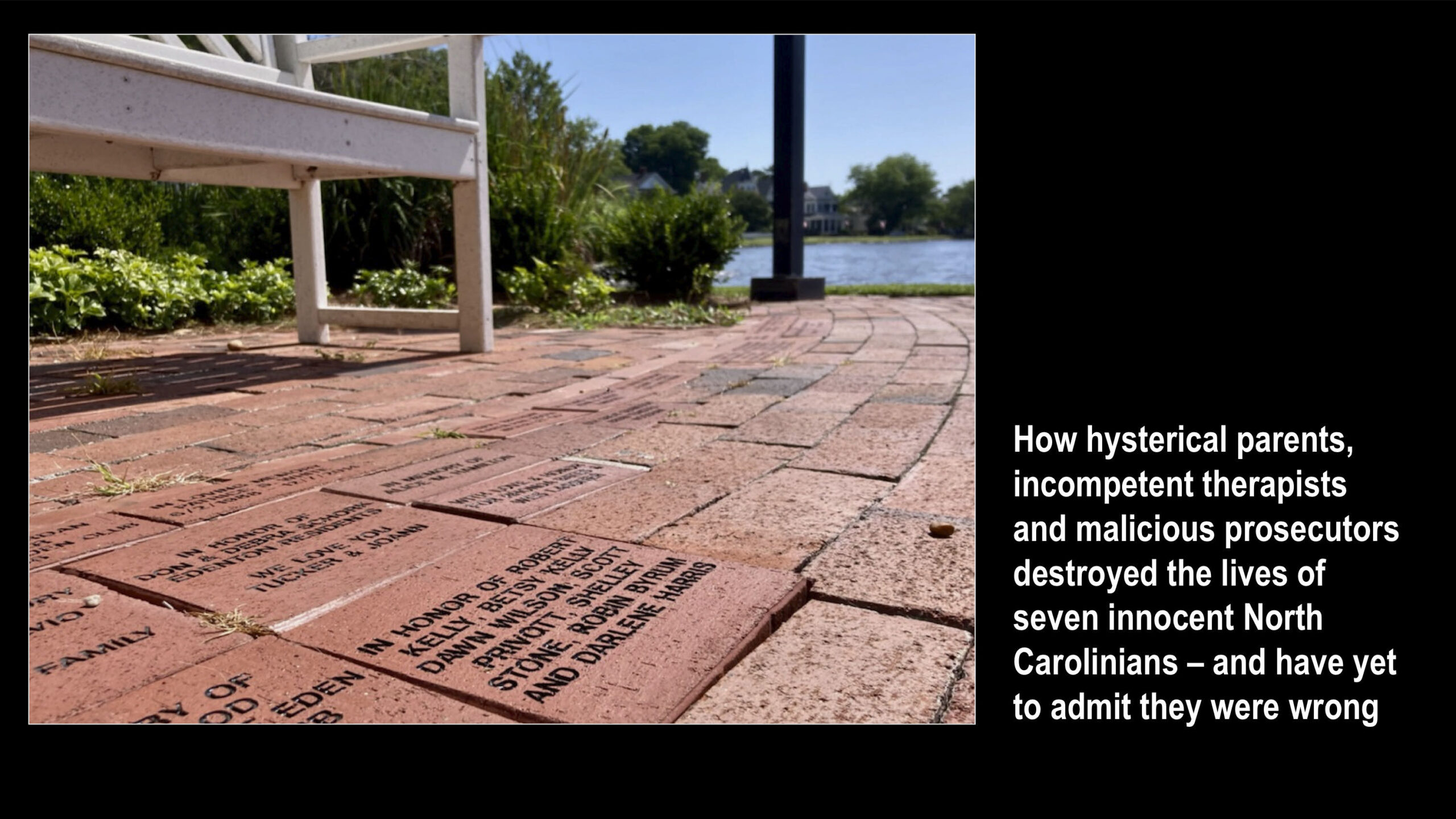
Among the alleged perpetrators: the sheriff and mayor. But prosecutors would charge only Robin Byrum, Darlene Harris, Elizabeth “Betsy” Kelly, Robert “Bob” Kelly, Willard Scott Privott, Shelley Stone and Dawn Wilson – the Edenton 7.
Along with sodomy and beatings, allegations included a baby killed with a handgun, a child being hung upside down from a tree and being set on fire and countless other fantastic incidents involving spaceships, hot air balloons, pirate ships and trained sharks.
By the time prosecutors dropped the last charges in 1997, Little Rascals had become North Carolina’s longest and most costly criminal trial. Prosecutors kept defendants jailed in hopes at least one would turn against their supposed co-conspirators. Remarkably, none did. Another shameful record: Five defendants had to wait longer to face their accusers in court than anyone else in North Carolina history.
Between 1991 and 1997, Ofra Bikel produced three extraordinary episodes on the Little Rascals case for the PBS series “Frontline.” Although “Innocence Lost” did not deter prosecutors, it exposed their tactics and fostered nationwide skepticism and dismay.
With each passing year, the absurdity of the Little Rascals charges has become more obvious. But no admission of error has ever come from prosecutors, police, interviewers or parents. This site is devoted to the issues raised by this case.
On Facebook


Little Rascals Day Care Case
This Facebook page is an offshoot of littlerascalsdaycarecase.org, which addresses the wrongful prosecution of the Edenton Seven and other such victims.

Meanwhile in Edenton....
This content isn't available right now
When this happens, it's usually because the owner only shared it with a small group of people, changed who can see it or it's been deleted.0 CommentsComment on Facebook
Allies for our cause!
This content isn't available right now
When this happens, it's usually because the owner only shared it with a small group of people, changed who can see it or it's been deleted.0 CommentsComment on Facebook
The courts have a long history of capriciously pulling the rug out from under Junior's appeals, but maybe this time....
This content isn't available right now
When this happens, it's usually because the owner only shared it with a small group of people, changed who can see it or it's been deleted.0 CommentsComment on Facebook
Click for earlier Facebook posts archived on this site
Click to go to

Today’s random selection from the Little Rascals Day Care archives….
Can we cope with seeing wrongful convictions?
 Feb. 20, 2015
“Exonerations, which were once exceedingly rare, have become regular features of the American justice system. The National Registry of Exonerations records 1,535 exonerations nationwide (including Bob Kelly and Dawn Wilson) since records began in 1989….
“The 125 wrongful convictions thrown out in 2014… might seem paltry compared to the estimated 1 million felony convictions per year, but the number of wrongful convictions is likely far higher. Many jurisdictions don’t devote the same level of resources towards exonerations that North Carolina does (with its Innocence Inquiry Commission), and even then the process can be achingly slow.
“For a justice system that exalts due process and the presumption of innocence, any wrongful conviction represents a serious breakdown of justice. Even a handful of high-profile wrongful convictions can ripple throughout the public consciousness, undermining confidence in the system. ‘The country is having to psychically cope with conclusive evidence that we make, with some regularity, errors in criminal trial outcomes,’ said (Mary Kelly Tate, director of the University of Richmond law school’s Institute for Actual Innocence).”
– From “Guilty, Then Proven Innocent” by Matt Ford at The Atlantic (Feb. 9)
NC GOP’s one weird trick for justice reform
 Feb. 11, 2016
“Significant criminal justice reforms (are needed) to minimize the chances of wrongful prosecution in the future.
“Some might dismiss such goals as a liberal utopian ideal, but criminal justice reform is being embraced nationwide by tea party conservatives. Why? Because few things exemplify the overreach of an all-too-powerful government (better) than one that yanks away an individual’s freedom without legal justification….
“Conservatives in the heavily Republican Texas legislature have embraced some of the most far-reaching criminal justice reforms in the country….”
– From “Shame and joy behind 149 exonerations” in the St. Louis Post-Dispatch (Feb. 7 editorial)
And how is North Carolina’s own heavily Republican legislature taking up the cause of criminal justice reform? With the piously labeled Restoring Proper Justice Act, (text cache), which both conceals information on the drugs used for capital punishment and repeals a law requiring a physician be present. Sponsoring Rep. Leo Daughtry railed against “roadblocks in front of the death penalty (that) have stopped us from using the punishment” for the past decade.
Had Daughtry had his way, death row inmates Henry McCollum and Leon Brown would long since have been executed – instead of exonerated and then pardoned by the same governor who blithely signed the Restoring Proper Justice Act into law.

‘I knew right then it couldn’t be true’
 Aug. 24, 2012
My EDENTON7 license plate recently caught the eye of a former Little Rascals Day Care parent who left Edenton.
Although Maria – a pseudonym, as she still has family back home – withdrew her daughter from Little Rascals in 1989 after less than two months, it was because of outside circumstances, not because of any dissatisfaction with the care received. “It was a normal day care, clean and quiet,” she says.
The torrent of ritual-abuse rumors started soon after.
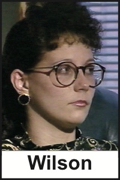
She was unsure what to make of it all until a former classmate, Dawn Wilson, was caught up in the dragnet. “Dawn had sat in front of me in high school,” she recalls. “She was quiet and shy, but she opened up to me about wanting to have a baby. She was a loving person. When I heard her name mentioned, I knew right then it couldn’t be true.”
Maria worked at Hardee’s, where she found it “painful to watch” Betsy Kelly’s parents, Warren and Alice Twiddy, being ostracized by their Wednesday-morning coffee klatch. “They were respected people…. She was the clerk of court. It was like she couldnt believe the town was doing this to her.”
Maria’s most surprising observation: “I think PBS (“Frontline”) changed the minds of a lot of people in Edenton. They saw how the gossip and innuendo had worked.”
Steinem made case for believing the unbelievable
 Sept. 1, 2015
“(As witnesses) children are even less likely to be believed when their stories involve extremes of sadism, collusion among families and communities (sometimes extending over several generations) and so-called ritual or cult abuse – including the torture and killing of animals to frighten children into silence – that are so terrible that authorities decide these things just can’t be true.
“Yet many instances of such ‘incredible’ crimes are documented, sometimes by adults after years of suppressed memory, sometimes by authorities who are now beginning to believe children enough to investigate their stories…..”…
– From “Revolution From Within: A Book of Self-Esteem” by Gloria Steinem (1993)
Steinem’s semi-autobiography was a best-seller, both profiting from and contributing to the nation’s heightened concern with self-esteem.
In addition to using Ms. magazine to tout the existence of “ritual abuse,” she also helped finance the search for the imaginary McMartin tunnels.