Rascals case in brief
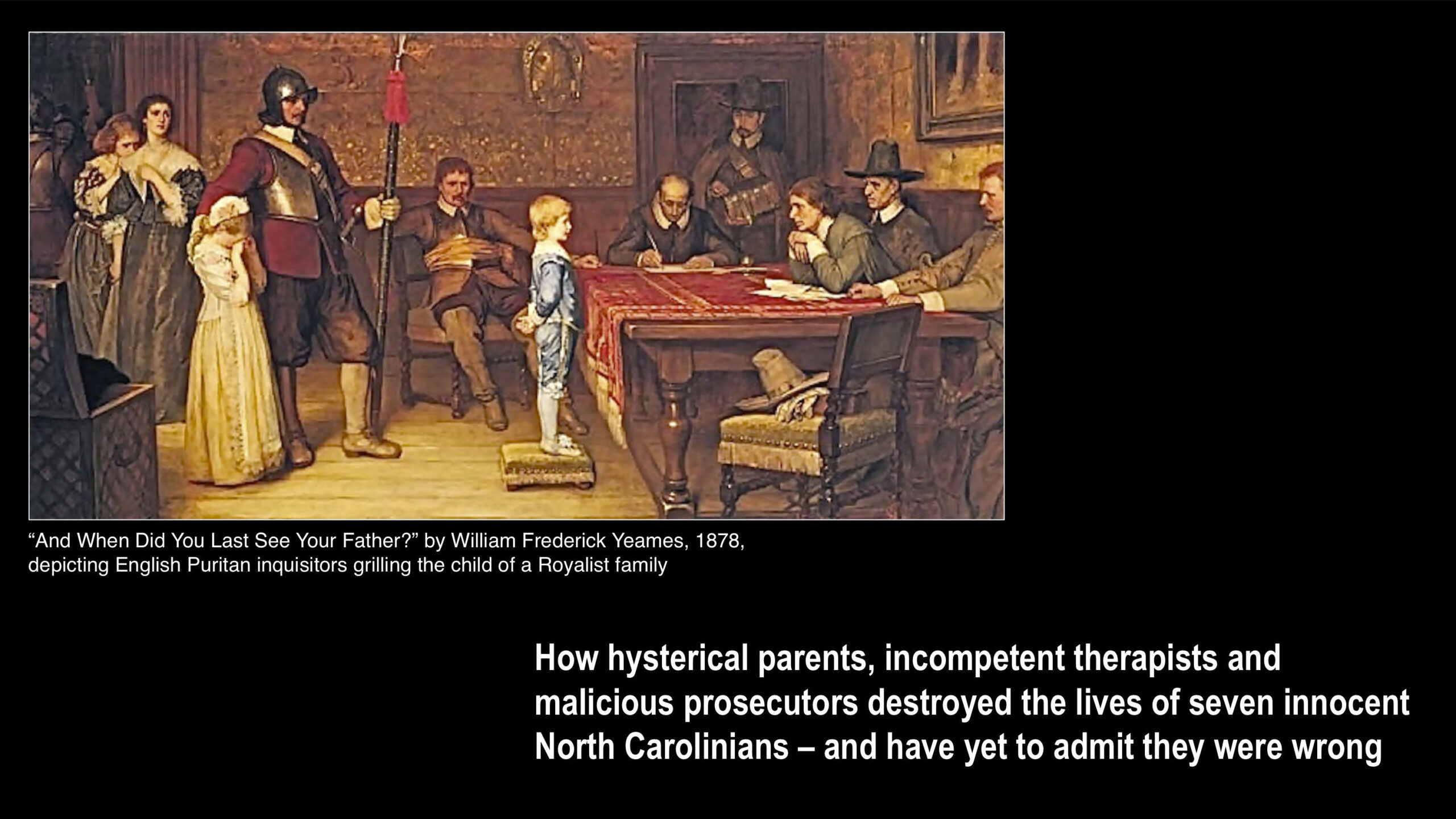
In the beginning, in 1989, more than 90 children at the Little Rascals Day Care Center in Edenton, North Carolina, accused a total of 20 adults with 429 instances of sexual abuse over a three-year period. It may have all begun with one parent’s complaint about punishment given her child.
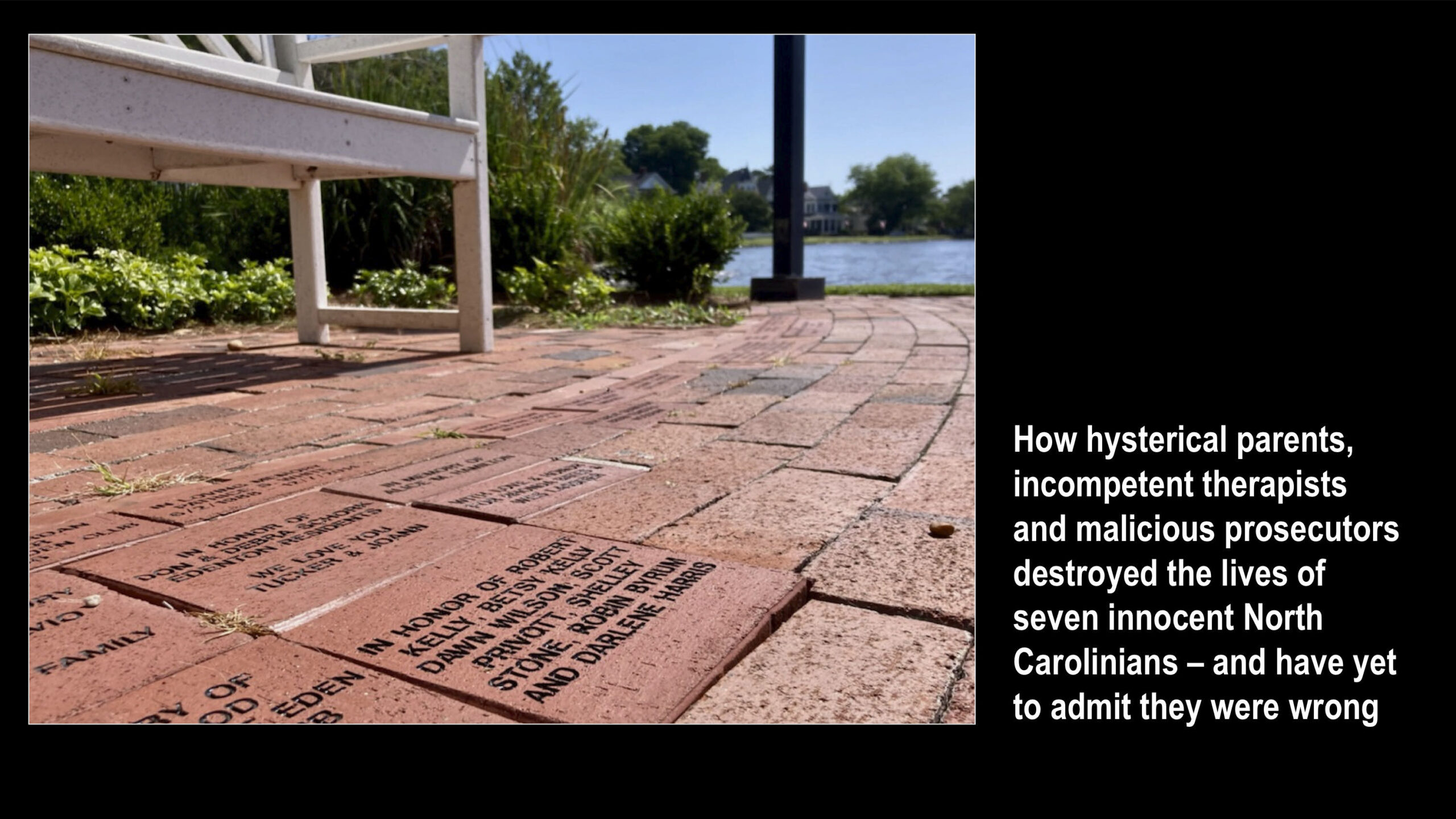
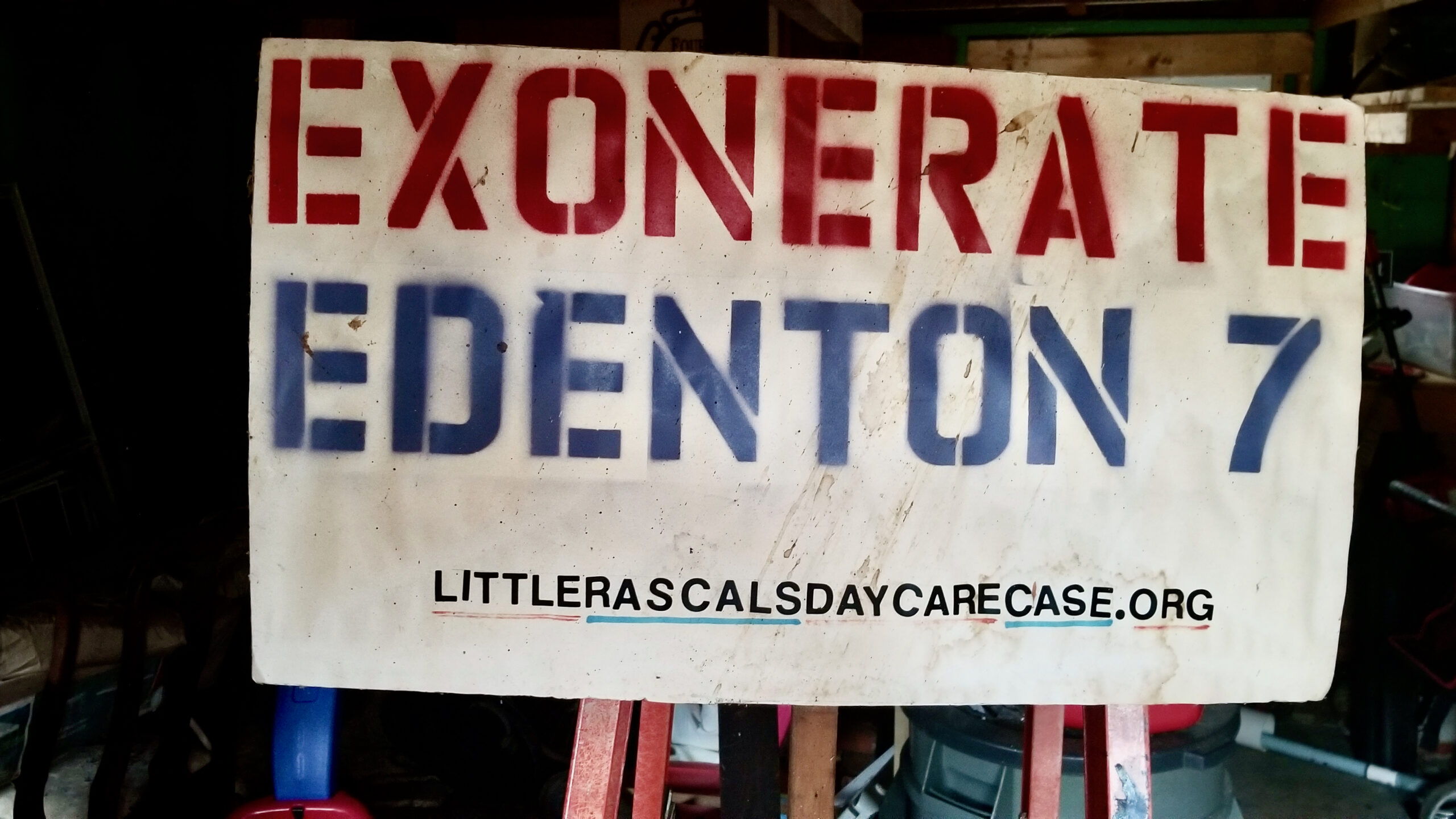
Among the alleged perpetrators: the sheriff and mayor. But prosecutors would charge only Robin Byrum, Darlene Harris, Elizabeth “Betsy” Kelly, Robert “Bob” Kelly, Willard Scott Privott, Shelley Stone and Dawn Wilson – the Edenton 7.
Along with sodomy and beatings, allegations included a baby killed with a handgun, a child being hung upside down from a tree and being set on fire and countless other fantastic incidents involving spaceships, hot air balloons, pirate ships and trained sharks.
By the time prosecutors dropped the last charges in 1997, Little Rascals had become North Carolina’s longest and most costly criminal trial. Prosecutors kept defendants jailed in hopes at least one would turn against their supposed co-conspirators. Remarkably, none did. Another shameful record: Five defendants had to wait longer to face their accusers in court than anyone else in North Carolina history.
Between 1991 and 1997, Ofra Bikel produced three extraordinary episodes on the Little Rascals case for the PBS series “Frontline.” Although “Innocence Lost” did not deter prosecutors, it exposed their tactics and fostered nationwide skepticism and dismay.
With each passing year, the absurdity of the Little Rascals charges has become more obvious. But no admission of error has ever come from prosecutors, police, interviewers or parents. This site is devoted to the issues raised by this case.
On Facebook


Little Rascals Day Care Case
This Facebook page is an offshoot of littlerascalsdaycarecase.org, which addresses the wrongful prosecution of the Edenton Seven and other such victims.

Meanwhile in Edenton....
This content isn't available right now
When this happens, it's usually because the owner only shared it with a small group of people, changed who can see it or it's been deleted.0 CommentsComment on Facebook
Allies for our cause!
This content isn't available right now
When this happens, it's usually because the owner only shared it with a small group of people, changed who can see it or it's been deleted.0 CommentsComment on Facebook
The courts have a long history of capriciously pulling the rug out from under Junior's appeals, but maybe this time....
This content isn't available right now
When this happens, it's usually because the owner only shared it with a small group of people, changed who can see it or it's been deleted.0 CommentsComment on Facebook
Click for earlier Facebook posts archived on this site
Click to go to

Today’s random selection from the Little Rascals Day Care archives….
Chaplain writes memoir about supporting defendants
Nov. 21, 2011
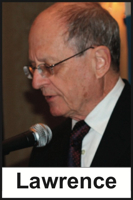 Raymond Lawrence, the New York City chaplain who founded the Committee for Support of the Edenton Seven, was an attentive and often appalled observer at Bob Kelly’s trial. This passage is excerpted from a memoir now posted in its entirety on the Bookshelf:
“Among the more obscene performances I witnessed by the prosecution was a long argument that Robert Kelly had had vaginal intercourse with a five-year-old girl.
“On a screen about four feet square the prosecutor displayed a color slide the girl’s genitalia, with two adult thumbs shown pulling back the labia to display the hymen and vaginal opening. The hymen appeared fully intact, covering most of the vaginal opening. The prosecutor thus spent what I recall as hours arguing that the stretch marks in the hymen were evidence of adult penile penetration.
“I wondered why the defense attorney did not rise up and ask if this were Alice in Wonderland…. It was as if I had entered an alternate universe.”
Why the panic ‘needs to be remembered’
 April 22, 2013
“Lecturing recently, I mentioned the American witch-hunts of the 1980s and 1990s. When the audience looked puzzled, I explained that I was referring to the Satanic Panic of those years, the wave of false charges concerning ritual child abuse and devil cults that made regular headlines in the decade after 1984. The explanation helped little.
“Even people who had lived through those years, who had been following the media closely, had precisely no recollection. Lost in memory it may be, but the Satanic Panic needs to be remembered, if only to prevent a renewed outbreak of this horrible farrago. And when better than in the 30th anniversary of the affair’s beginning?
“It all started in southern California, in Manhattan Beach, in the Fall of 1983….”
– From “Remember the Satanic Panic” (Jan. 9, 2013) by Philip Jenkins, Distinguished Professor of History at Baylor University, on Real Clear Religion
I share Dr. Jenkins’ concern about public memory, of course.
Which are more worrisome – those who have no recollection at all of cases such as McMartin and Little Rascals, or those who have forgotten they all were hoaxes?
Duke Law project examining Chandler’s case
 Sept. 23, 2014
The Duke Law School Wrongful Convictions Clinic was a crucial ally of defense attorney Sean Devereux in the recent exoneration of Michael Alan Parker, whose “satanic ritual abuse” conviction bears many fundamental similarities to Junior Chandler’s.
Now, co-director Theresa Newman tells me the clinic “is reviewing the case file to determine if we can help Mr. Chandler prove his innocence.
“We are at the VERY early stages of our review, so we do not have a good sense of things yet and cannot even estimate a timeline for the review. The file is large and the case is complicated, so the review will take some time.
“That said, we are mindful of how long Mr. Chandler has been imprisoned and, to the extent possible, will try to conduct the review without undue delay.”
Even given Ms. Newman’s cautious caveats, this review must be seen as opening new possibilities for Junior Chandler.
As many doors as the legal system has slammed in Junior’s face, there has always seemed to be one more. Thank you, Wrongful Convictions Clinic.
‘A hard core of evil in the soul of humankind?’
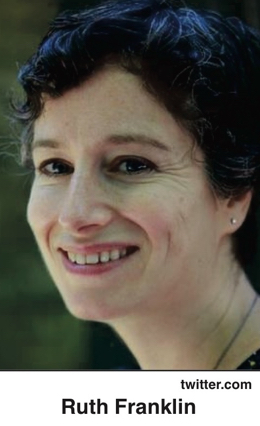 Oct. 20, 2015
“(Richard Beck’s “We Believe the Children”) addresses only the question of why those events unfolded in the particular way that they did, at one particular moment – not why this hydralike form of communal social hysteria can be stamped out in one place only to rear another ugly head elsewhere.
“Perhaps there is no answer to that question – or, at least, no answer we want to hear. Politics, social mores, human psychology, a rye-eating fungus: all these submit calmly to our investigations. But a hard core of evil in the soul of humankind? That might be the real witchcraft, one we dare not examine too closely.”
– From “Trial and Error: Three centuries of American witch hunts” by Ruth Franklin in Harper’s Magazine (Oct. 17)