Rascals case in brief
In the beginning, in 1989, more than 90 children at the Little Rascals Day Care Center in Edenton, North Carolina, accused a total of 20 adults with 429 instances of sexual abuse over a three-year period. It may have all begun with one parent’s complaint about punishment given her child.
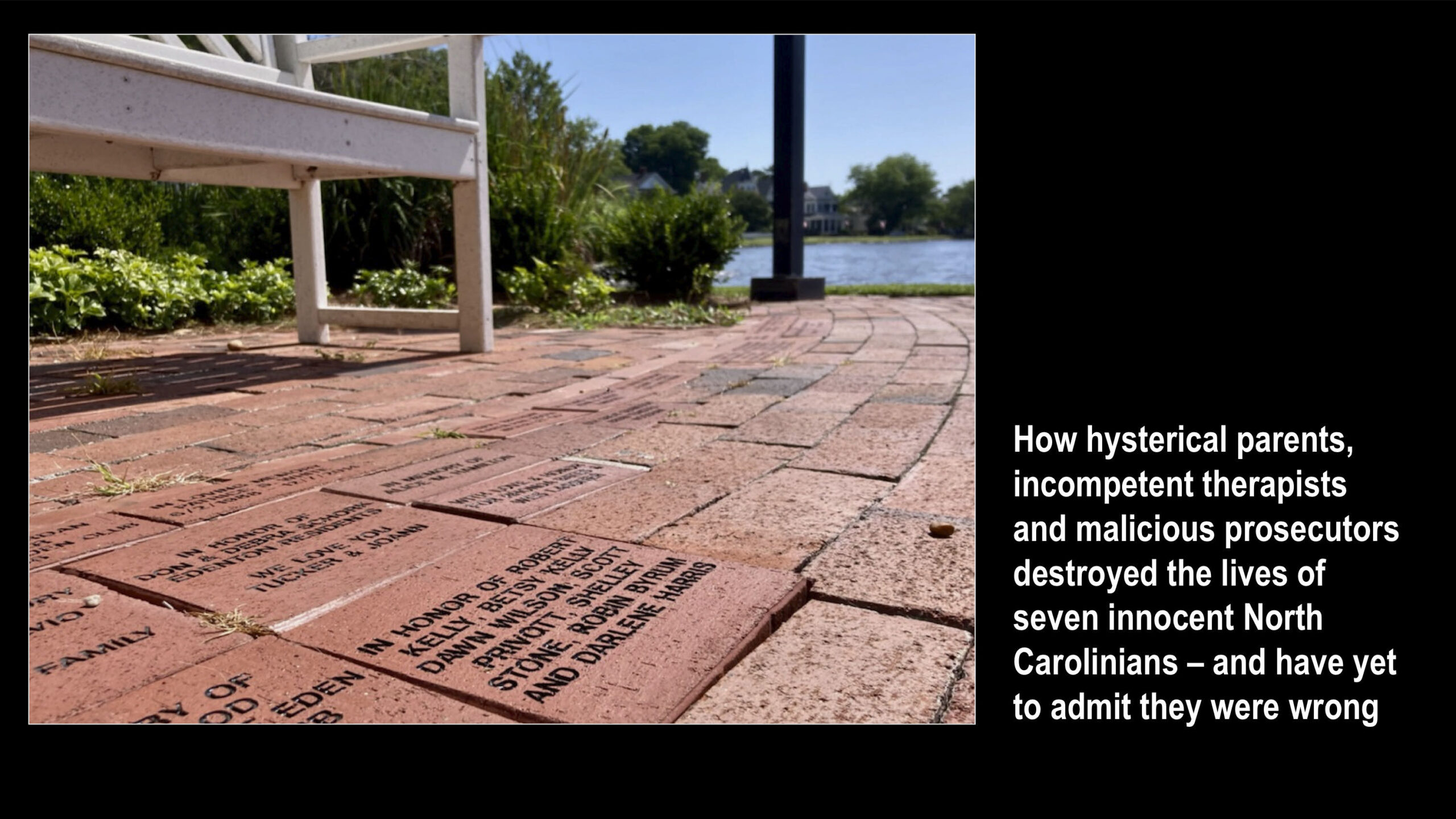
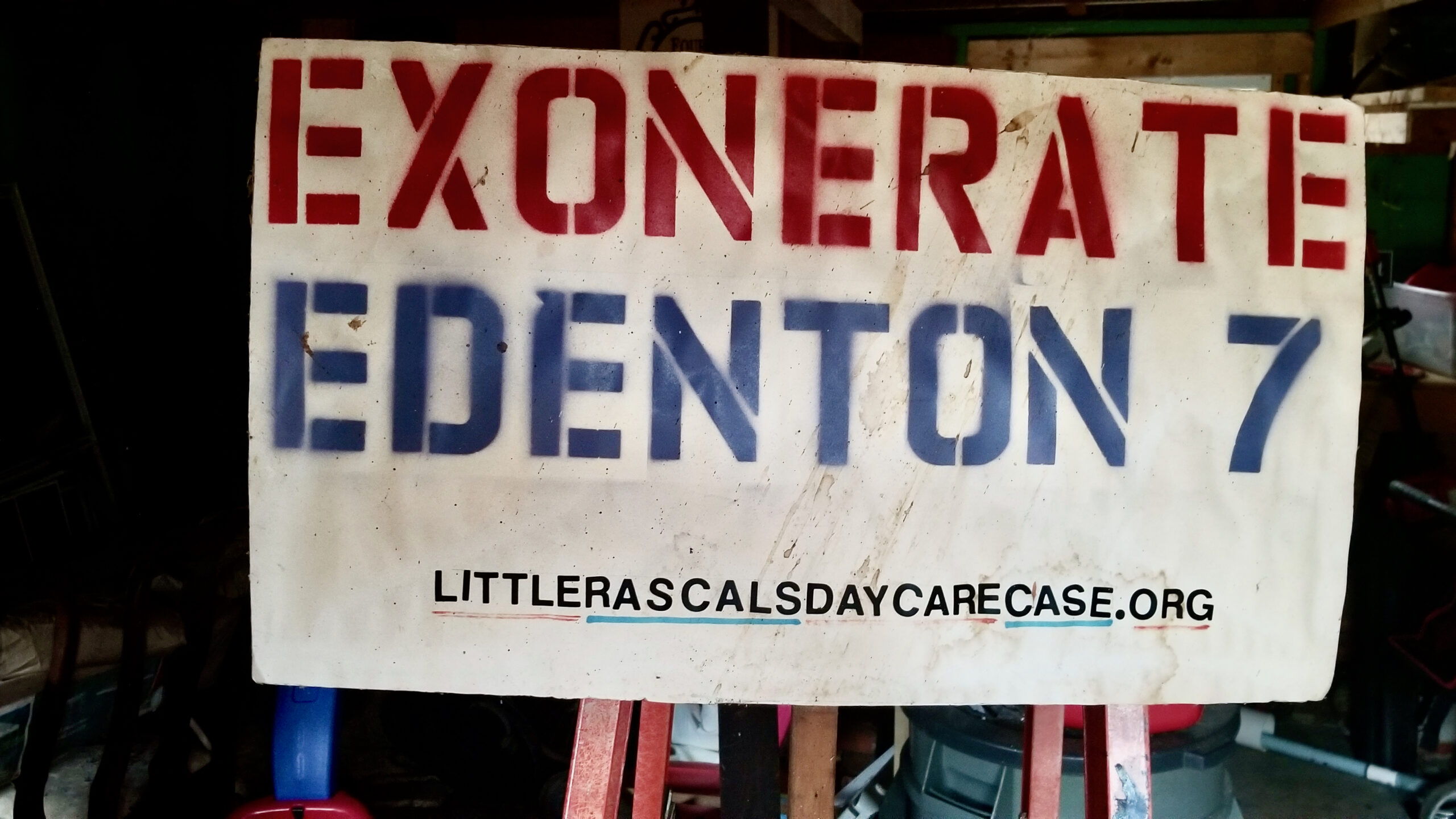
Among the alleged perpetrators: the sheriff and mayor. But prosecutors would charge only Robin Byrum, Darlene Harris, Elizabeth “Betsy” Kelly, Robert “Bob” Kelly, Willard Scott Privott, Shelley Stone and Dawn Wilson – the Edenton 7.
Along with sodomy and beatings, allegations included a baby killed with a handgun, a child being hung upside down from a tree and being set on fire and countless other fantastic incidents involving spaceships, hot air balloons, pirate ships and trained sharks.
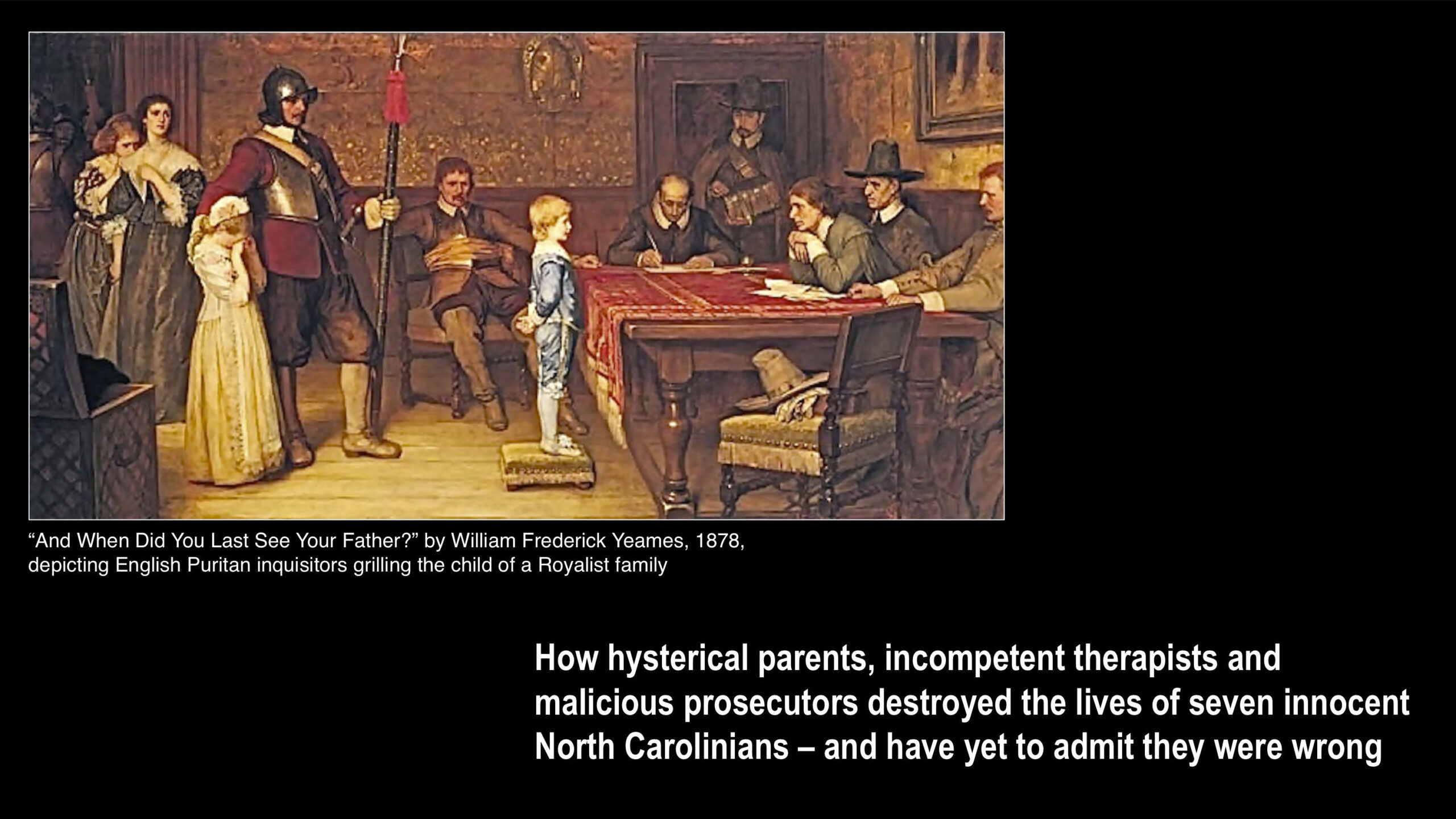
By the time prosecutors dropped the last charges in 1997, Little Rascals had become North Carolina’s longest and most costly criminal trial. Prosecutors kept defendants jailed in hopes at least one would turn against their supposed co-conspirators. Remarkably, none did. Another shameful record: Five defendants had to wait longer to face their accusers in court than anyone else in North Carolina history.
Between 1991 and 1997, Ofra Bikel produced three extraordinary episodes on the Little Rascals case for the PBS series “Frontline.” Although “Innocence Lost” did not deter prosecutors, it exposed their tactics and fostered nationwide skepticism and dismay.
With each passing year, the absurdity of the Little Rascals charges has become more obvious. But no admission of error has ever come from prosecutors, police, interviewers or parents. This site is devoted to the issues raised by this case.
On Facebook


Little Rascals Day Care Case
This Facebook page is an offshoot of littlerascalsdaycarecase.org, which addresses the wrongful prosecution of the Edenton Seven and other such victims.

Meanwhile in Edenton....
This content isn't available right now
When this happens, it's usually because the owner only shared it with a small group of people, changed who can see it or it's been deleted.0 CommentsComment on Facebook
Allies for our cause!
This content isn't available right now
When this happens, it's usually because the owner only shared it with a small group of people, changed who can see it or it's been deleted.0 CommentsComment on Facebook
The courts have a long history of capriciously pulling the rug out from under Junior's appeals, but maybe this time....
This content isn't available right now
When this happens, it's usually because the owner only shared it with a small group of people, changed who can see it or it's been deleted.0 CommentsComment on Facebook
Click for earlier Facebook posts archived on this site
Click to go to

Today’s random selection from the Little Rascals Day Care archives….
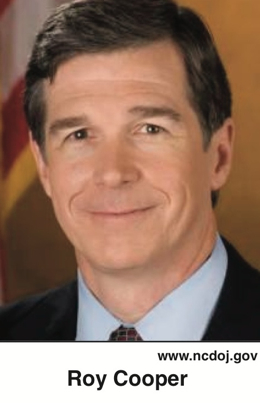
It’s not too late to exonerate, Mr. Attorney General
 Jan. 20, 2014
“Eighteen months ago I petitioned Attorney General Roy Cooper to issue a statement of innocence for the Edenton Seven.

“ ‘In 2001 Massachusetts Governor Jane Swift signed a resolution proclaiming the innocence of the victims of the Salem Witch Trials. In time, such victims of the ritual-abuse day-care panic as the Edenton Seven will surely receive similar exoneration. Why not now? Why not in North Carolina? This is an opportunity to demonstrate moral leadership on a national scale.’ ”
“Cooper has yet to respond.”
– From “Like Salem’s ‘witches,’ it’s time for NC to exonerate the Edenton Seven,”
my Jan. 19 op-ed column in the News & Observer (cached here) on the 25th anniversary of the first Little Rascals sexual abuse complaint.
Junior Chandler’s homefolks updated on his case
 Sept. 29, 2014
“Duke law professor Theresa Newman has three boxes full of files about Andrew Chandler Jr.’s case: details about the bizarre allegations, the expert testimony that would not be admissible today and the multiple appeals….”
– From “Duke law clinic to review 1987 conviction” in the Asheville Citizen-Times (Sept. 27)
Thanks to reporter Romando Dixson for providing a thorough recap of the Chandler case, pegged to the recently expressed interest of the Duke Law School Wrongful Convictions Clinic.
Publication in the Asheville paper is especially welcome for Junior’s friends, family and other supporters in nearby Madison County, who likely haven’t seen the case mentioned in print since his conviction in 1987.
Officer Toppin sure had an eye for ‘red flags’
July 24, 2013
“(Edenton police officer Brenda) Toppin, who conducted the first interviews of children allegedly abused at the center, testified that ‘In the early interviews, I had very few children disclosing to me…. Most of the children were not telling me specifically about Mr. Bob.’
“ ‘Red flags,’ however, caused her to continue her questioning. The ‘red flags’ included children being tense when the subject of the day-care center was mentioned, she said, and not talking to her as normal children would.”
– From the Associated Press (December 4, 1991)
It doesn’t take much reading between the lines to see Brenda Toppin’s persistence in the face of “very few children disclosing to me” or her overreaction to those absurdly vague “red flags.”
A surviving fragment of tape laid out even more saliently her abusive interview technique. Read for yourself a transcript of one of Toppin’s interviews with a child. The transcript entered the court record during the appeals process.
Can we cope with seeing wrongful convictions?
 Feb. 20, 2015
“Exonerations, which were once exceedingly rare, have become regular features of the American justice system. The National Registry of Exonerations records 1,535 exonerations nationwide (including Bob Kelly and Dawn Wilson) since records began in 1989….
“The 125 wrongful convictions thrown out in 2014… might seem paltry compared to the estimated 1 million felony convictions per year, but the number of wrongful convictions is likely far higher. Many jurisdictions don’t devote the same level of resources towards exonerations that North Carolina does (with its Innocence Inquiry Commission), and even then the process can be achingly slow.
“For a justice system that exalts due process and the presumption of innocence, any wrongful conviction represents a serious breakdown of justice. Even a handful of high-profile wrongful convictions can ripple throughout the public consciousness, undermining confidence in the system. ‘The country is having to psychically cope with conclusive evidence that we make, with some regularity, errors in criminal trial outcomes,’ said (Mary Kelly Tate, director of the University of Richmond law school’s Institute for Actual Innocence).”
– From “Guilty, Then Proven Innocent” by Matt Ford at The Atlantic (Feb. 9)