Rascals case in brief
In the beginning, in 1989, more than 90 children at the Little Rascals Day Care Center in Edenton, North Carolina, accused a total of 20 adults with 429 instances of sexual abuse over a three-year period. It may have all begun with one parent’s complaint about punishment given her child.
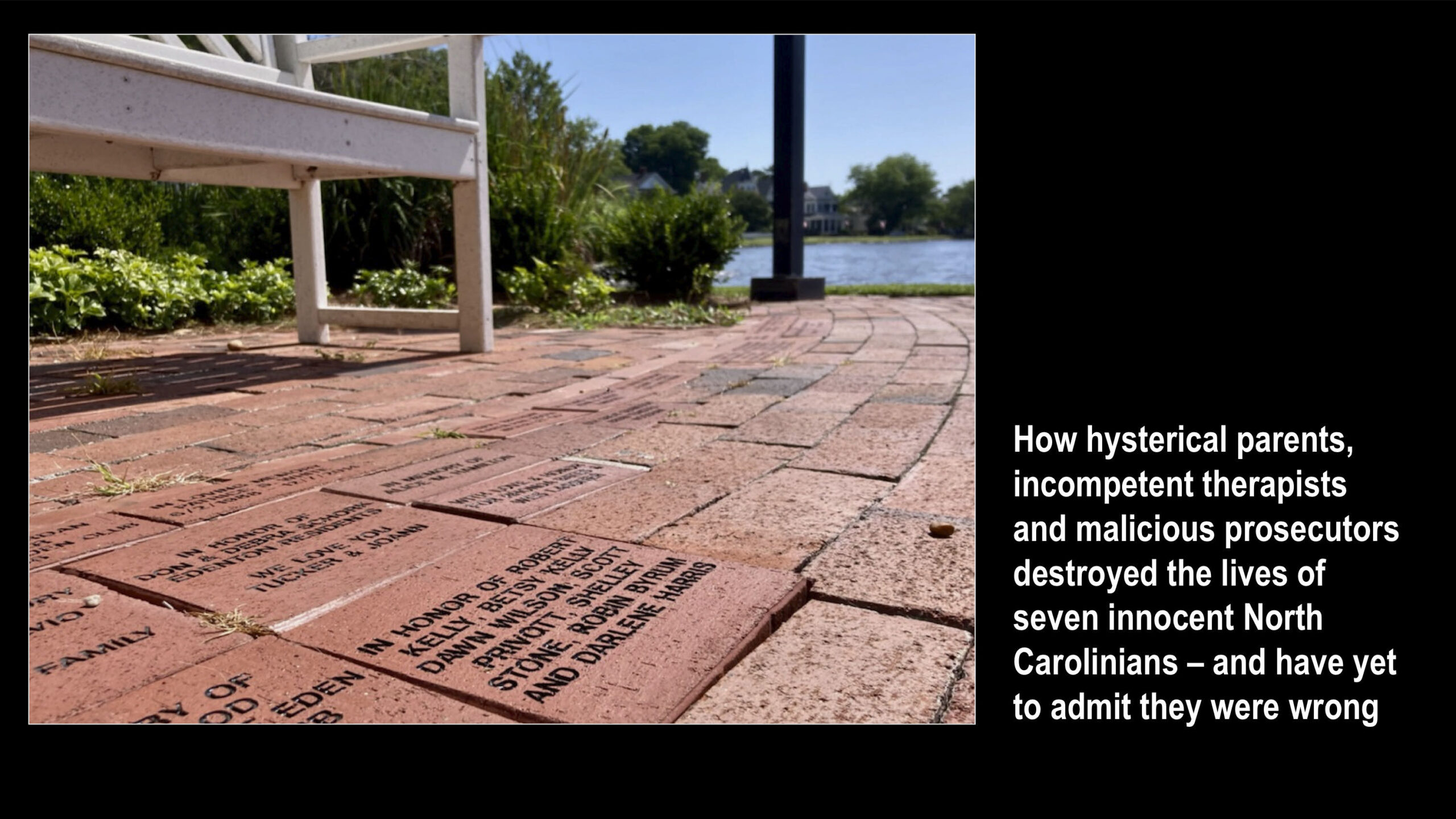
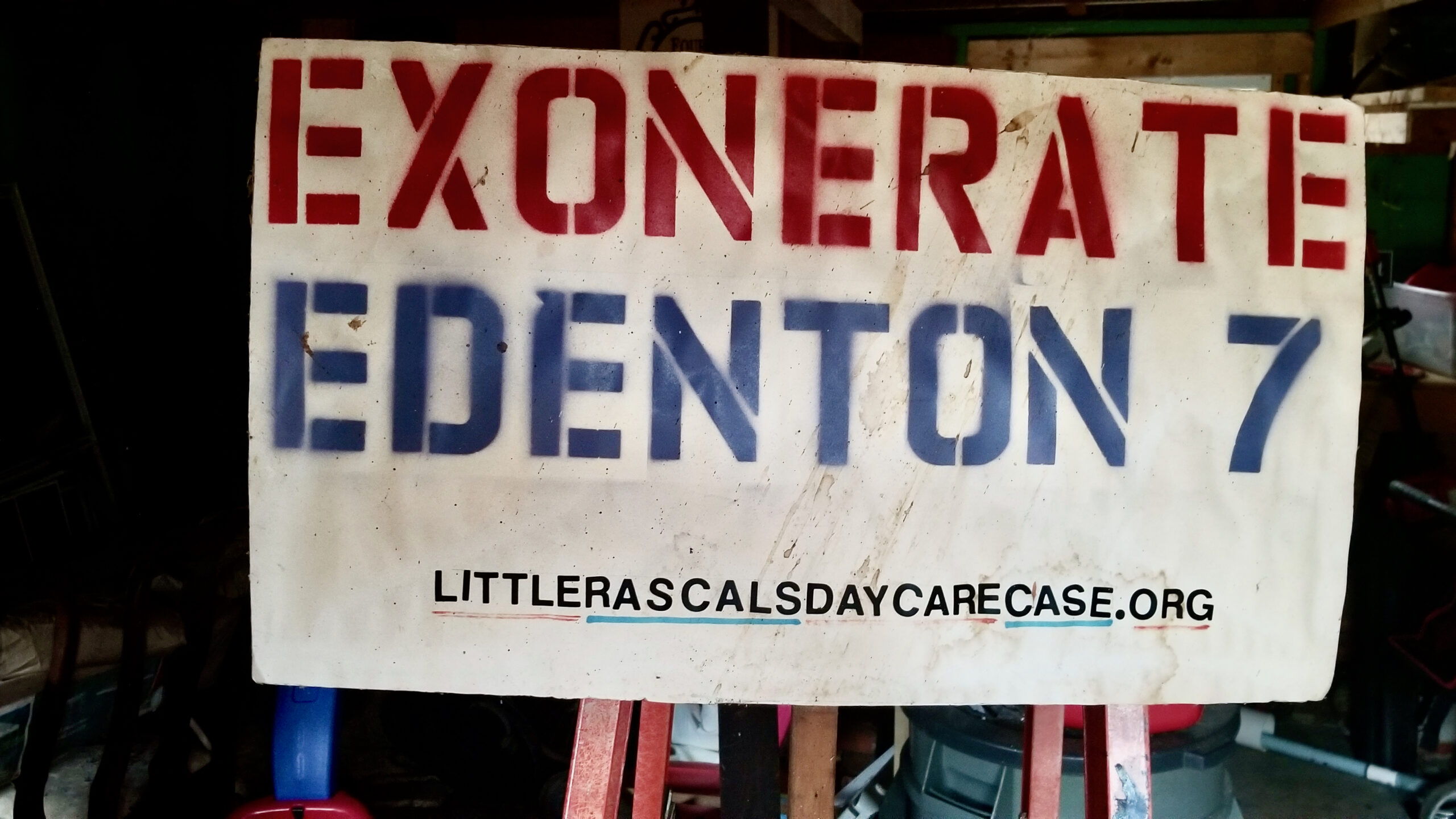
Among the alleged perpetrators: the sheriff and mayor. But prosecutors would charge only Robin Byrum, Darlene Harris, Elizabeth “Betsy” Kelly, Robert “Bob” Kelly, Willard Scott Privott, Shelley Stone and Dawn Wilson – the Edenton 7.
Along with sodomy and beatings, allegations included a baby killed with a handgun, a child being hung upside down from a tree and being set on fire and countless other fantastic incidents involving spaceships, hot air balloons, pirate ships and trained sharks.
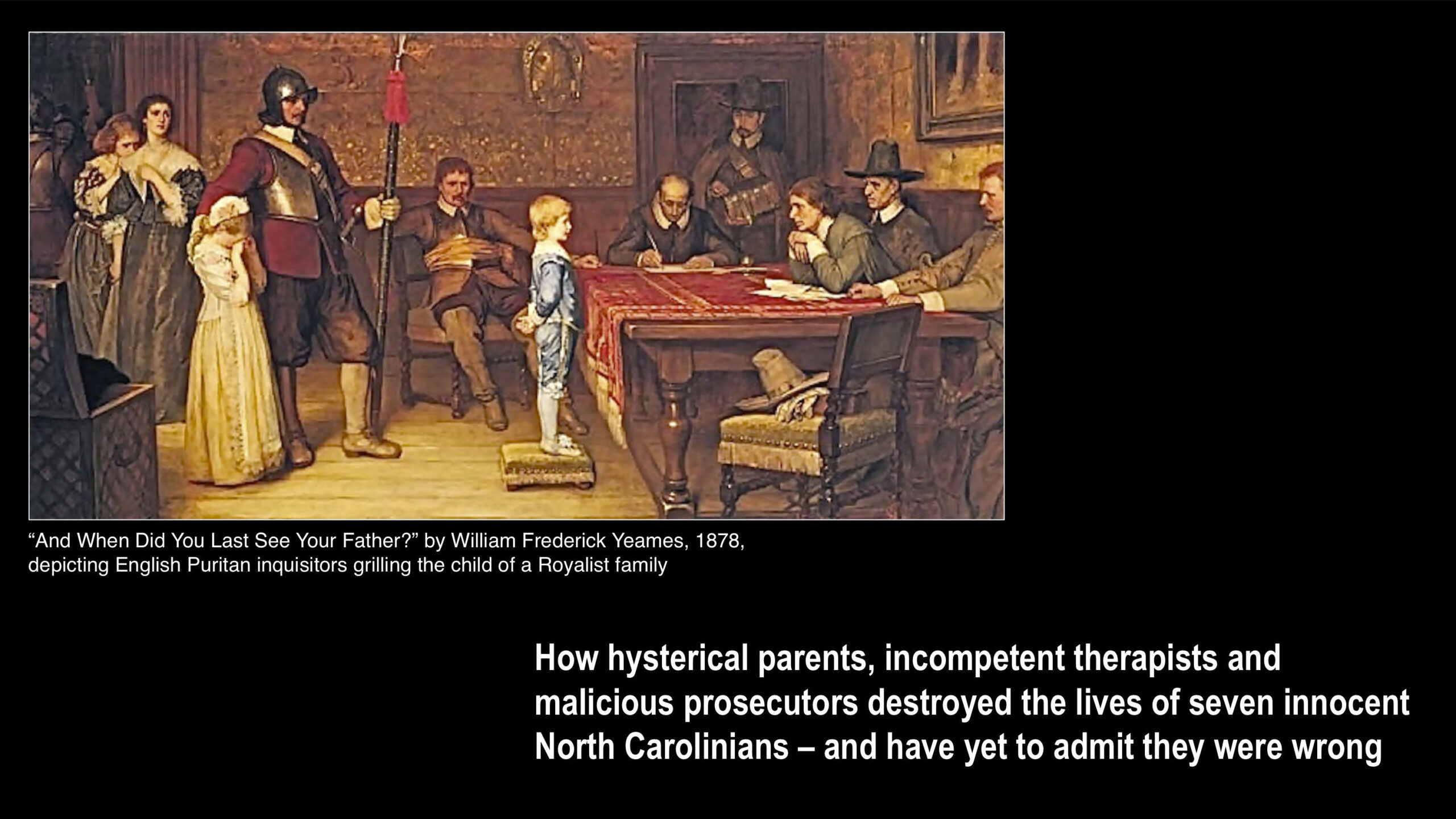
By the time prosecutors dropped the last charges in 1997, Little Rascals had become North Carolina’s longest and most costly criminal trial. Prosecutors kept defendants jailed in hopes at least one would turn against their supposed co-conspirators. Remarkably, none did. Another shameful record: Five defendants had to wait longer to face their accusers in court than anyone else in North Carolina history.
Between 1991 and 1997, Ofra Bikel produced three extraordinary episodes on the Little Rascals case for the PBS series “Frontline.” Although “Innocence Lost” did not deter prosecutors, it exposed their tactics and fostered nationwide skepticism and dismay.
With each passing year, the absurdity of the Little Rascals charges has become more obvious. But no admission of error has ever come from prosecutors, police, interviewers or parents. This site is devoted to the issues raised by this case.
On Facebook


Little Rascals Day Care Case
This Facebook page is an offshoot of littlerascalsdaycarecase.org, which addresses the wrongful prosecution of the Edenton Seven and other such victims.

Meanwhile in Edenton....
This content isn't available right now
When this happens, it's usually because the owner only shared it with a small group of people, changed who can see it or it's been deleted.0 CommentsComment on Facebook
Allies for our cause!
This content isn't available right now
When this happens, it's usually because the owner only shared it with a small group of people, changed who can see it or it's been deleted.0 CommentsComment on Facebook
The courts have a long history of capriciously pulling the rug out from under Junior's appeals, but maybe this time....
This content isn't available right now
When this happens, it's usually because the owner only shared it with a small group of people, changed who can see it or it's been deleted.0 CommentsComment on Facebook
Click for earlier Facebook posts archived on this site
Click to go to

Today’s random selection from the Little Rascals Day Care archives….
Abuse primer was big seller for county
Oct. 24, 2012
“Indeed, at a time when the (Los Angeles County) Board of Supervisors has been meeting just five floors below the (Ritual Abuse) task force to dismantle county health care programs, lay off part-time employees and cut all other services because of a severe budget shortfall, some are questioning whether the group – and particularly its obsession with poisoning – is not just a little frivolous.
“One county employee suggested that the task force has not been disbanded because it is ‘one of the few that actually make money.’ Since 1989, the task force – made up of therapists, alleged victims and religious leaders – has sold a handbook that outlines the telltale signs of ritual abuse. More than 17,000 copies of the handbook have been sold at $1 apiece, more than enough to offset the costs of the task force.”
– From the Los Angeles Times, December 1, 1992
Early on, the task force handbook –“Ritual Abuse: Definitions, Glossary and the Use of Mind Control” – played a significant role in inflaming fear of ritual abuse.
By 1992, however, the last charges in the McMartin case had been dropped, and skepticism about ritual abuse was finding its voice. (But not among Little Rascals prosecutors – Bob Kelly had just been convicted and Dawn Wilson was being tried.)
Today the Los Angeles County Commission for Women website makes no mention of its onetime task force.
Two historic sites, two wildly different outcomes

June 3, 2013
In the aftermath of the McMartin Preschool case in California, the building was razed and the site probed for secret tunnels.
In the aftermath of the Little Rascals Day Care case in Edenton, the building was turned into the East of Eden Spa and Kuttin Up Salon.
Both Nancy Smith Barrow and her daughter have been customers at the spa. “It truly was a strange experience to go back in,” she says.
Emissaries from Raleigh bring kneejerk resistance to exoneration
Sept. 11, 2016
“I honestly don’t understand not only how the Attorney General’s Office felt it was necessary to fight us through a full week of hearing in this case, but how they could stand up at the end of that hearing and say they thought Johnny should stay in prison.
“That is not a minister of justice. A minister of justice should be objective enough to evaluate the evidence in a fair way and there was no way anybody could look at the evidence that came out in that hearing and say Johnny Small should be in prison.”
– Chris Mumma of the N.C. Center on Actual Innocence, quoted in “Johnny Small free after murder charge dismissed” in the Wilmington Star-News (Sept. 8)
I would’ve expected, before my apprenticeship on the exoneration watch, that district attorneys would be less willing to having their fingers pried loose from wrongful convictions than their allies in the attorney general’s office. It’s the DAs, after all, who have to ‘splain their misfeasance to the voting public.
But this often seems not to be the case, as exemplified by Assistant AG Jess Mekeel’s misplaced concern for “the stability and reliability of our justice system.”
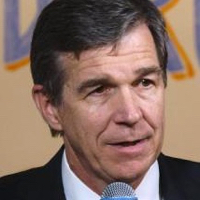
How much of this institutional resistance to exoneration owes to a tradition of prosecutorial blood-brotherhood? And how much springs directly (if not via email) from Attorney General Roy Cooper?
If Cooper took heed of Mumma’s thoughtful plea for “more cooperation between prosecutors and defense attorneys in their efforts to achieve justice,” evidence of it has yet to surface.

‘Antifeminism’ to blame? Not so fast, Mr. Beck
 Aug. 24, 2015
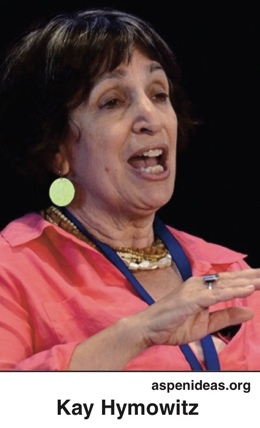
“(Richard) Beck is generally restrained in his narrative, letting the details pile up to a well-deserved indictment of the many players in the ‘moral panic.’ But in explaining how these fever dreams managed to seize the national imagination, he does a little witch-hunting of his own. The frenzy, he tells us, was a backlash by family-values conservatives to the social changes around them. It was a period of ‘an intense reactionary antifeminism.’
“This is an inexcusably partial interpretation. From Beck’s own evidence, feminists themselves were vital players in the hysteria. Gloria Steinem donated money to the McMartin investigation, and Ms. Magazine ran a 1993 cover article ‘BELIEVE IT! Cult Ritual Abuse Exists,’ even though, by that time, the general public had grown increasingly skeptical of the idea.
“In part because of her aggressive pursuit of child abusers – and conviction of a number of people later exonerated – a relatively unknown Dade County state attorney named Janet Reno was picked by President Clinton to become the nation’s first female attorney general. According to Debbie Nathan and Michael Snedeker, the authors of ‘Satan’s Silence,’ (Kee) MacFarlane had been a lobbyist for NOW before she set about terrifying the children of Manhattan Beach.
“With his partisan recounting of the child abuse panic of the 1980s, Beck turns what could have been a careful history about one facet of the nation’s exhausting culture wars into one more illustration of them.”
– From “ ‘We Believe the Children,’ by Richard Beck” by Kay Hymowitz in the New York Times Sunday Book Review (Aug. 21, 2015)
I’m posting this criticism of Beck’s book – from an otherwise laudatory review – mostly for archival purposes. My own interest lies less in the tangled roots of the day-care panic than in its results: defendants wrongfully incarcerated, children profoundly misguided and therapists and prosecutors unjustly unscathed.