Rascals case in brief
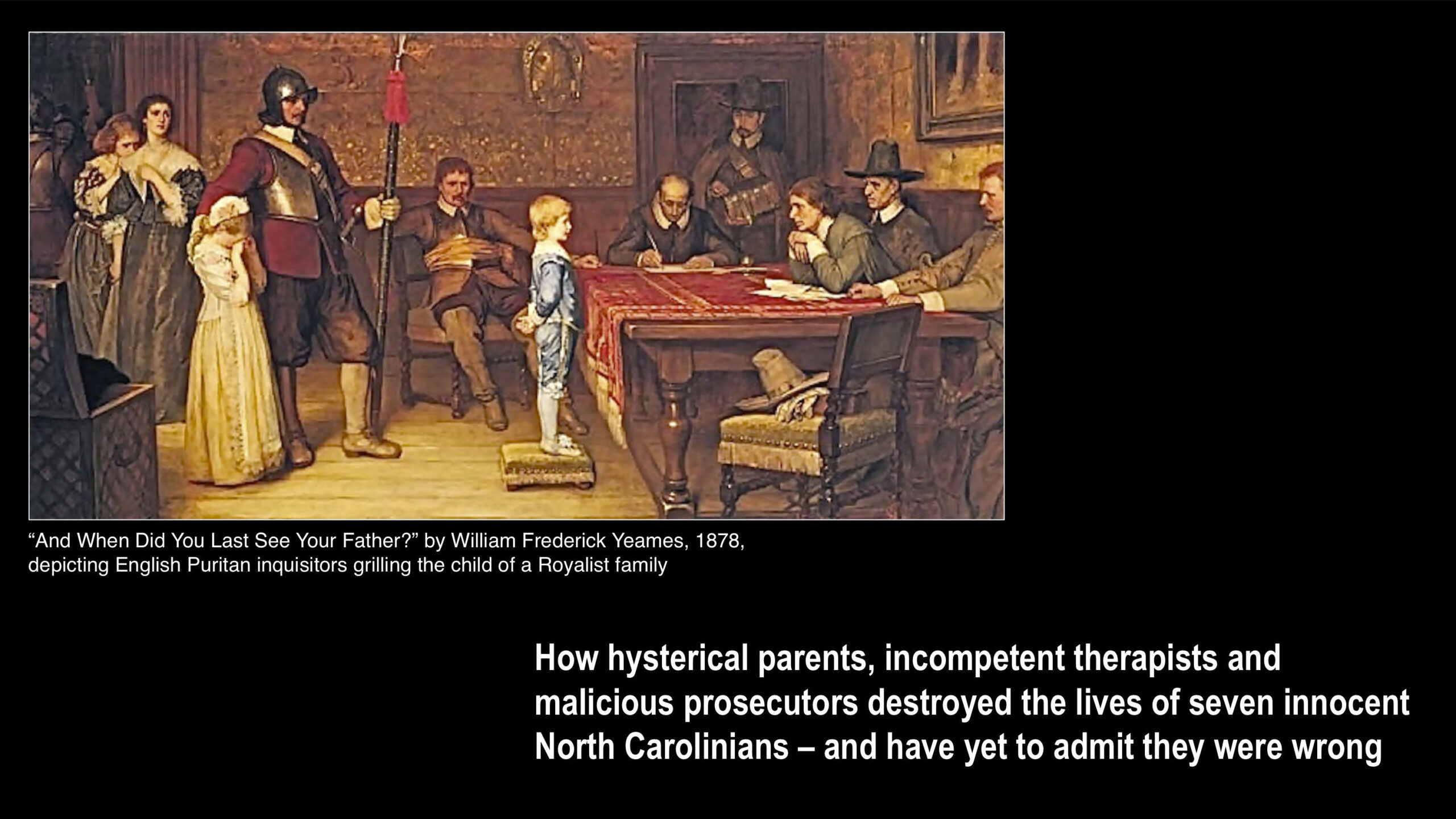
In the beginning, in 1989, more than 90 children at the Little Rascals Day Care Center in Edenton, North Carolina, accused a total of 20 adults with 429 instances of sexual abuse over a three-year period. It may have all begun with one parent’s complaint about punishment given her child.
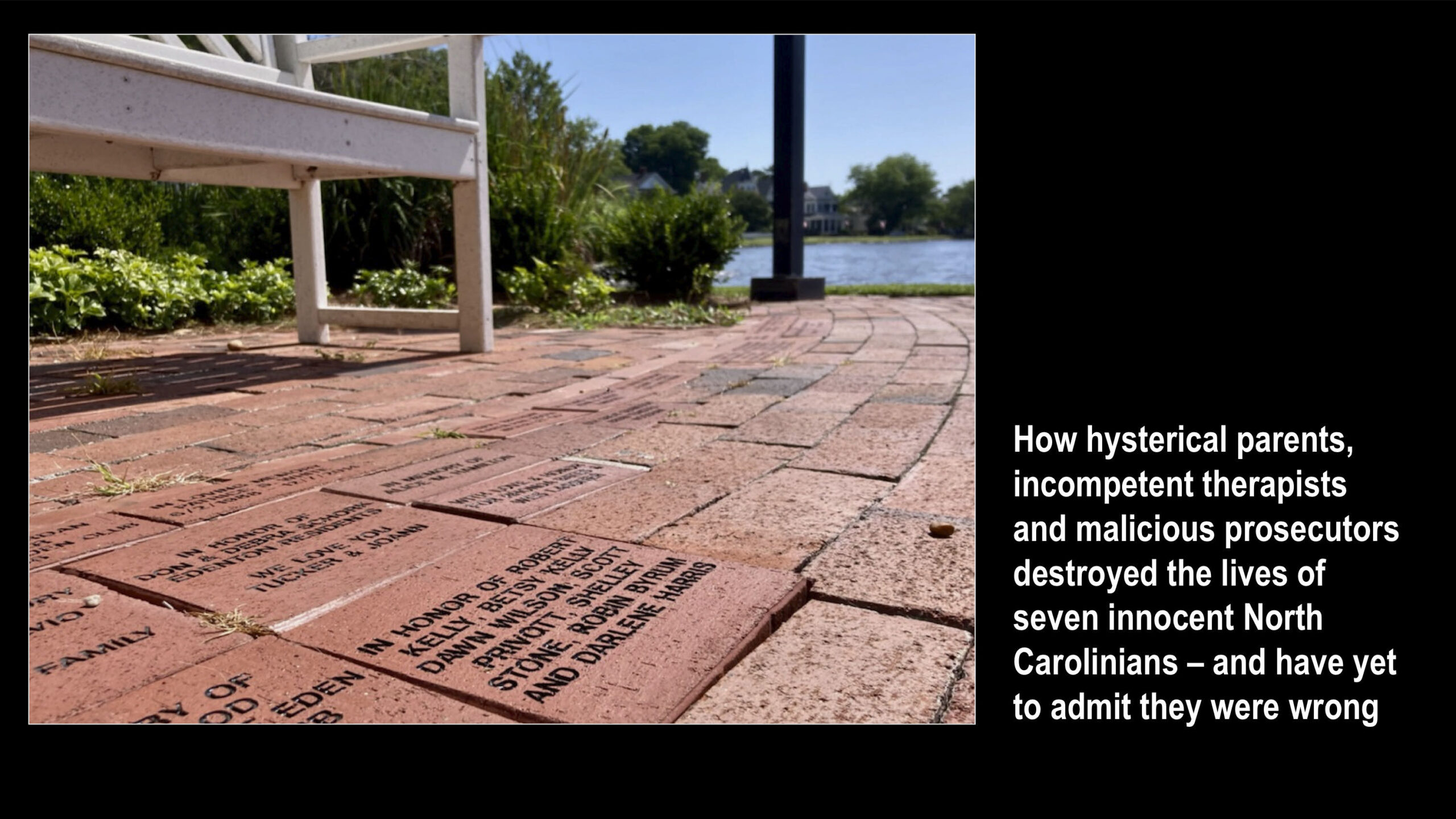
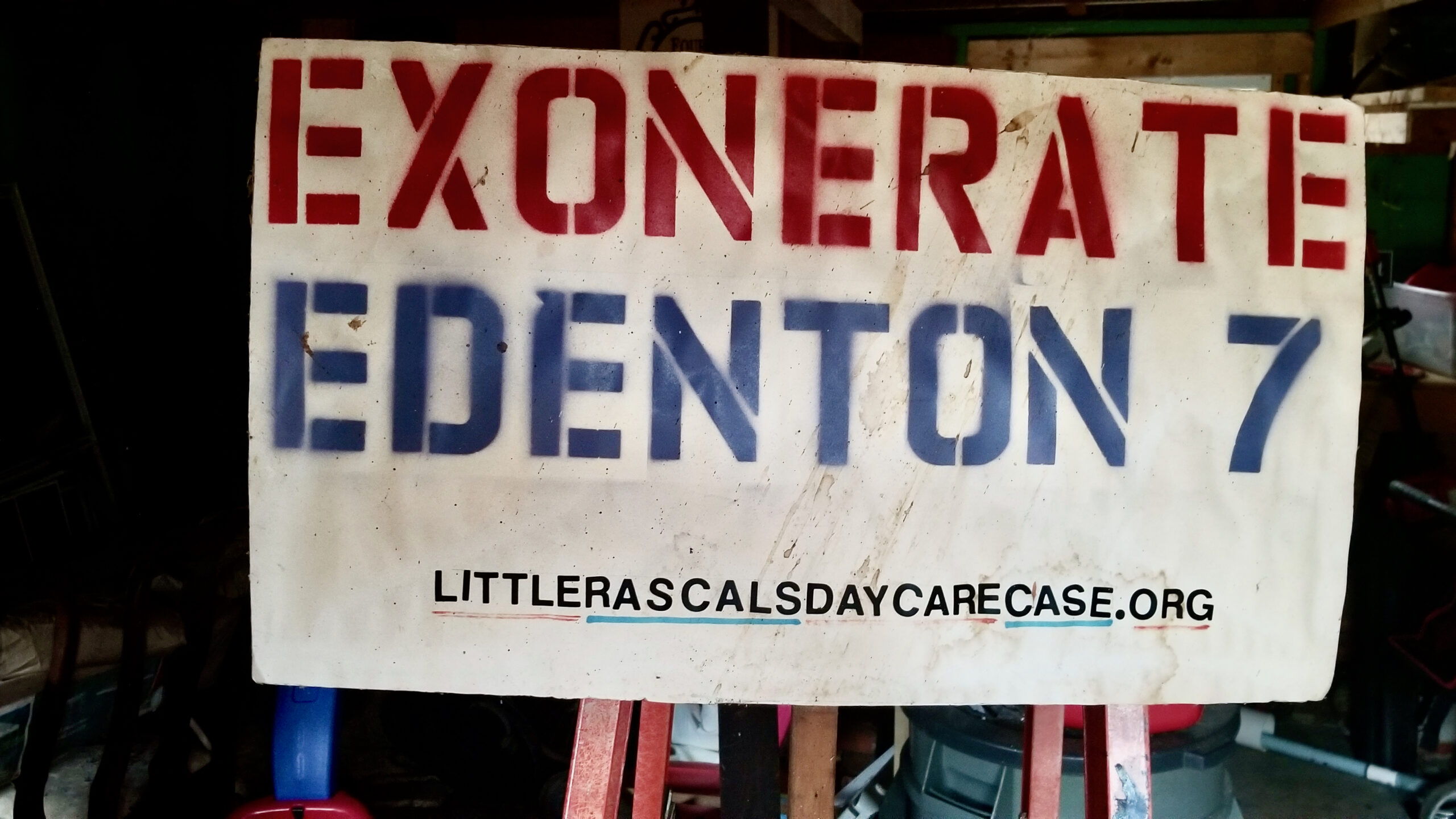
Among the alleged perpetrators: the sheriff and mayor. But prosecutors would charge only Robin Byrum, Darlene Harris, Elizabeth “Betsy” Kelly, Robert “Bob” Kelly, Willard Scott Privott, Shelley Stone and Dawn Wilson – the Edenton 7.
Along with sodomy and beatings, allegations included a baby killed with a handgun, a child being hung upside down from a tree and being set on fire and countless other fantastic incidents involving spaceships, hot air balloons, pirate ships and trained sharks.
By the time prosecutors dropped the last charges in 1997, Little Rascals had become North Carolina’s longest and most costly criminal trial. Prosecutors kept defendants jailed in hopes at least one would turn against their supposed co-conspirators. Remarkably, none did. Another shameful record: Five defendants had to wait longer to face their accusers in court than anyone else in North Carolina history.
Between 1991 and 1997, Ofra Bikel produced three extraordinary episodes on the Little Rascals case for the PBS series “Frontline.” Although “Innocence Lost” did not deter prosecutors, it exposed their tactics and fostered nationwide skepticism and dismay.
With each passing year, the absurdity of the Little Rascals charges has become more obvious. But no admission of error has ever come from prosecutors, police, interviewers or parents. This site is devoted to the issues raised by this case.
On Facebook


Little Rascals Day Care Case
This Facebook page is an offshoot of littlerascalsdaycarecase.org, which addresses the wrongful prosecution of the Edenton Seven and other such victims.

Meanwhile in Edenton....
This content isn't available right now
When this happens, it's usually because the owner only shared it with a small group of people, changed who can see it or it's been deleted.0 CommentsComment on Facebook
Allies for our cause!
This content isn't available right now
When this happens, it's usually because the owner only shared it with a small group of people, changed who can see it or it's been deleted.0 CommentsComment on Facebook
The courts have a long history of capriciously pulling the rug out from under Junior's appeals, but maybe this time....
This content isn't available right now
When this happens, it's usually because the owner only shared it with a small group of people, changed who can see it or it's been deleted.0 CommentsComment on Facebook
Click for earlier Facebook posts archived on this site
Click to go to

Today’s random selection from the Little Rascals Day Care archives….
APSAC’s child-protection record doesn’t inspire confidence

Sept. 28, 2016
“The American Professional Society on the Abuse of Children [is] presenting a ‘special issue’ of one of its publications devoted to [Differential response] – or rather, devoted to bashing DR….
“APSAC’s track record for getting child welfare issues right is less than distinguished. As Debbie Nathan and Michael Snedeker explain in Satan’s Silence, APSAC was formed in the 1980s largely by well-meaning ‘professionals’ who promoted claims of a supposed epidemic of mass molestation and satanic ritual abuse in day care centers.
“ ‘From its inception,’ Nathan and Snedeker write, ‘APSAC’s leadership roster was a veritable directory of ritual-abuse architects.’ Kee MacFarlane, who led the questioning of children in the notorious McMartin Preschool case, served on APSAC’s board – and received the group’s Outstanding Professional award – a decade after McMartin. And in 1997, three years after writing an article promoting the idea that there really were secret tunnels under the McMartin Preschool, Roland Summit, another former board member, received the group’s Lifetime Achievement award.”
– From “Opposition to Differential Response Dealt Heavy Blow” by Richard Wexler in the Chronicle of Social Change (Sept. 24)
Differential response – a less adversarial, more collaborative approach to reports of child abuse and neglect – isn’t a subject I’m well-informed on. But Wexler’s characterization of APSAC’s culpability for the day-care panic can’t be disputed.
Next: Has APSAC recanted about ‘satanic ritual abuse’?

McMartin: Patient Zero in day-care abuse contagion?
 March 26, 2012
How did the moral panic over day-care ritual abuse spread so widely? Did some undetected psychotropic waft from Manhattan Beach to Edenton to Christchurch, New Zealand?
I was reminded of that lingering question while reading the smart and lively “Mistakes Were Made (But Not by Me): Why We Justify Foolish Beliefs, Bad Decisions and Hurtful Acts” (2007).
Although Carol Tavris and Elliot Aronson address the day-care panic only briefly, their reference to the McMartin case having produced “copycat accusations against day care teachers across the country” caught my attention. Yes, the timing, pattern and similarity of these cases suggest conscious imitation, but I haven’t seen the evidence.
“We didn’t mean ‘copycat’ literally,” Tavris explains in an e-mail. “It’s just that the McMartin hysteria scared people, and got them worried about their own local day care centers, and motivated DAs and cops to advance their careers by finding these villains… and thereby launched a thousand other efforts to find molesters under the bed and in the day care classrooms…. That’s what a hysterical epidemic means.”
Coincidentally, I’ve been corresponding with Michael Hill, professor of sociology at Victoria University of Wellington, who has traced outbreaks in New Zealand and Australia directly to visits from such American Appleseeds as Roland Summit and Kee MacFarlane.
Were tales any taller in Salem than in Edenton?
 Dec, 4, 2016
“The testimony [in the Salem witch trials] is full of tall tales, unless you happen to believe – as one woman confessed, having vowed to tell the truth, the whole truth, and nothing but the truth – that she flew on a stick with her church deacon and two others to a satanic baptism, and that she had, the previous Monday, carried her minister’s specter through the air along with her, having earlier conferred in her orchard with a satanic cat….”
– From “The Witches: Salem, 1692” by Stacy Schiff (2015)
Kelly’s jury was rife with problems not visible at beginning

Aug. 19, 2016
The jury is empaneled in Farmville, N.C., where Bob Kelly’s trial has been moved because of pretrial publicity in Edenton.
Dennis T. Ray would turn out to be a major mischief-maker both inside and outside the jury room. Ray read aloud from a contraband Redbook article on how to identify child molesters, disobeyed the court’s instruction not to visit the alleged crime scenes, reported that a jailhouse snitch had shared personal knowledge of Kelly’s guilt and displayed a supposed “magic key” referred to by several child witnesses.
 Unfortunately, Judge Marsh McLelland told defense attorneys he didn’t consider Ray’s rogue behavior – or that of a second juror, who dramatically revealed during deliberations that he himself had been abused as a child – to be a “tremendous problem.”
At least three jurors would later express deep doubts about the guilty verdict.
Roswell Streeter, at 28 the youngest juror, would write:
“I’ll say this to the last day of my life, that the evidence that came through the courtroom did not prove that Bob Kelly committed any kind of sex abuse.” He told “Frontline” he had felt intimidated and confused.
Mary Nichols was suffering from advanced leukemia, and Marvin Shackelford had suffered two heart attacks. Both acknowledged afterward that worries about their health had moved them to vote guilty simply to cut short deliberations and go home. It had been nine months since the trial began.