Rascals case in brief
In the beginning, in 1989, more than 90 children at the Little Rascals Day Care Center in Edenton, North Carolina, accused a total of 20 adults with 429 instances of sexual abuse over a three-year period. It may have all begun with one parent’s complaint about punishment given her child.
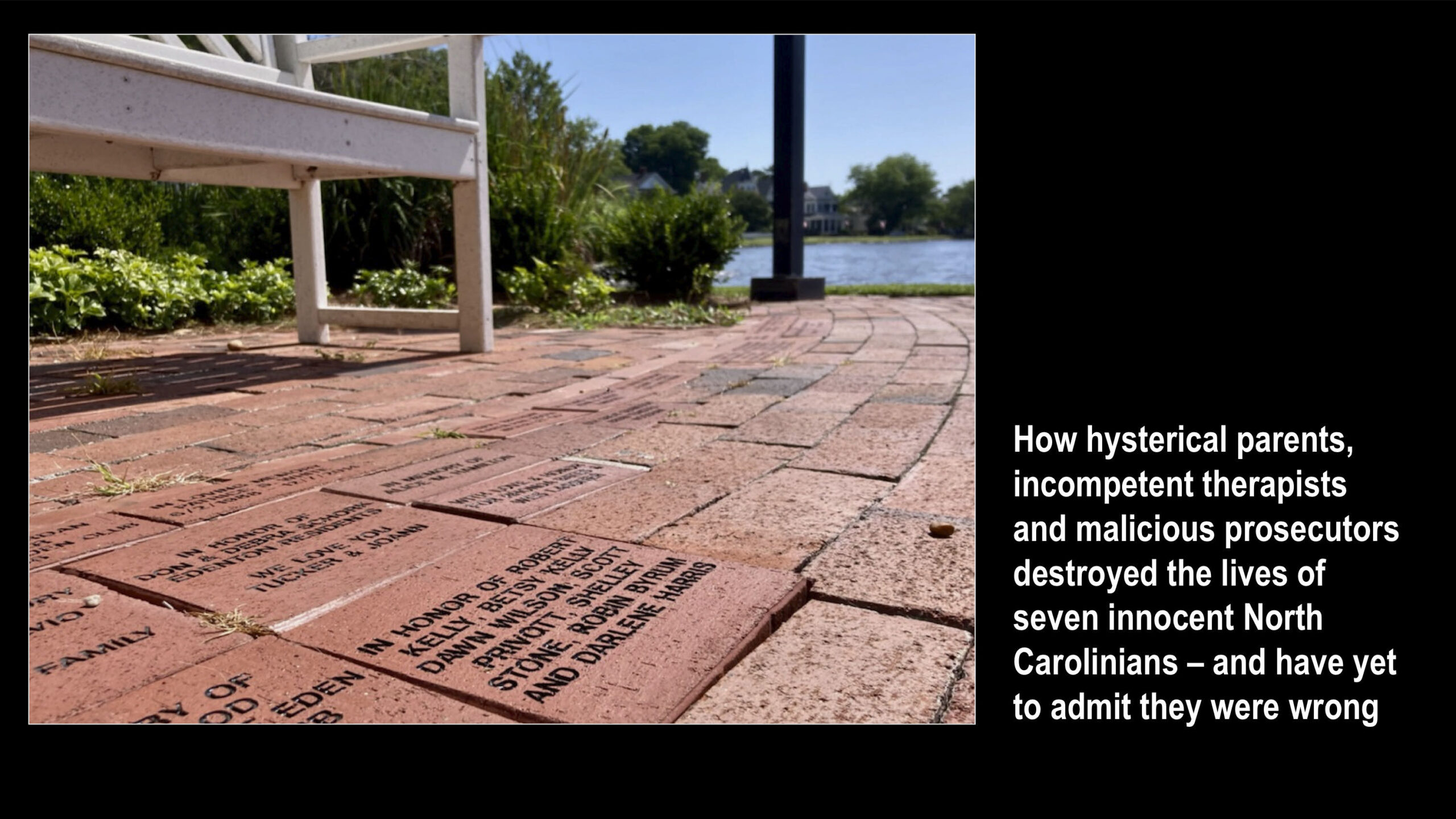
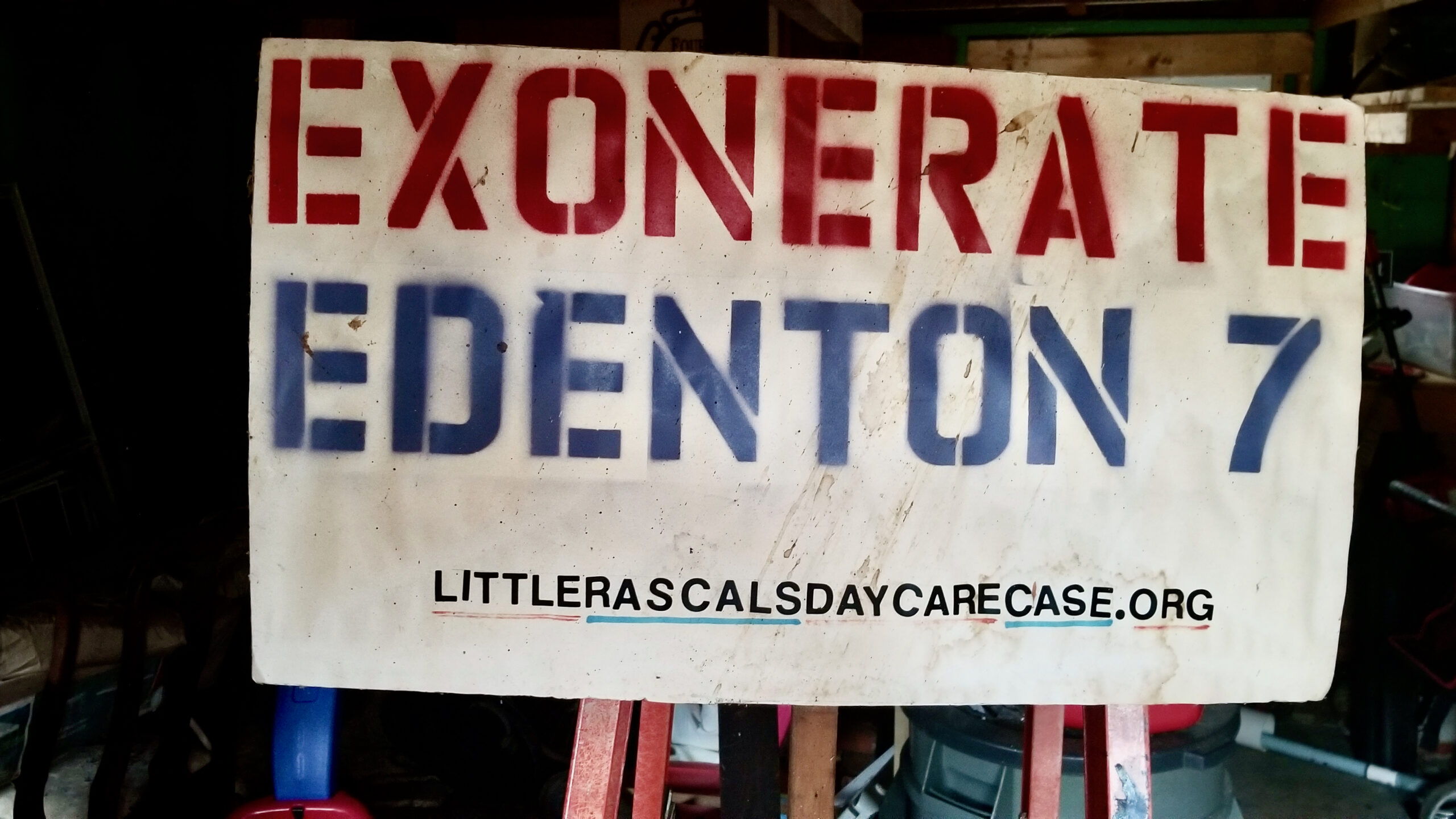
Among the alleged perpetrators: the sheriff and mayor. But prosecutors would charge only Robin Byrum, Darlene Harris, Elizabeth “Betsy” Kelly, Robert “Bob” Kelly, Willard Scott Privott, Shelley Stone and Dawn Wilson – the Edenton 7.
Along with sodomy and beatings, allegations included a baby killed with a handgun, a child being hung upside down from a tree and being set on fire and countless other fantastic incidents involving spaceships, hot air balloons, pirate ships and trained sharks.
By the time prosecutors dropped the last charges in 1997, Little Rascals had become North Carolina’s longest and most costly criminal trial. Prosecutors kept defendants jailed in hopes at least one would turn against their supposed co-conspirators. Remarkably, none did. Another shameful record: Five defendants had to wait longer to face their accusers in court than anyone else in North Carolina history.
Between 1991 and 1997, Ofra Bikel produced three extraordinary episodes on the Little Rascals case for the PBS series “Frontline.” Although “Innocence Lost” did not deter prosecutors, it exposed their tactics and fostered nationwide skepticism and dismay.
With each passing year, the absurdity of the Little Rascals charges has become more obvious. But no admission of error has ever come from prosecutors, police, interviewers or parents. This site is devoted to the issues raised by this case.
On Facebook


Little Rascals Day Care Case
This Facebook page is an offshoot of littlerascalsdaycarecase.org, which addresses the wrongful prosecution of the Edenton Seven and other such victims.

Meanwhile in Edenton....
This content isn't available right now
When this happens, it's usually because the owner only shared it with a small group of people, changed who can see it or it's been deleted.0 CommentsComment on Facebook
Allies for our cause!
This content isn't available right now
When this happens, it's usually because the owner only shared it with a small group of people, changed who can see it or it's been deleted.0 CommentsComment on Facebook
The courts have a long history of capriciously pulling the rug out from under Junior's appeals, but maybe this time....
This content isn't available right now
When this happens, it's usually because the owner only shared it with a small group of people, changed who can see it or it's been deleted.0 CommentsComment on Facebook
Click for earlier Facebook posts archived on this site
Click to go to

Today’s random selection from the Little Rascals Day Care archives….
‘Ritual abuse’ therapists to scientists: Drop dead
 March 13, 2015
“In this this arena of Recovered Memory Therapy and treatment of DID, therapists will simply imitate what sounds exciting or innovative without assessing the scientific value of the procedure. At times there appears to be little awareness of or concern with the professional literature.
“At a (1995) conference sponsored by a group dealing with ritual and cult abuse, there was an aversion to and a quick dismissal of major studies, including (those by David) Ceci….
“It is troubling that an entire panel had never heard of his well-known research.”
– From “The Death of Psychotherapy: From Freud to Alien Abductions” by Donald A. Eisner (2000)
Children ‘got mixed up’? Believe them anyway
June 18, 2012
“Yes, prosecutors blundered terribly by piling on charges and piling on defendants, just because they could.
“Yes, some of the parents became hysterical and acted out of guilt. That’s the way people act when told their children have been sexually abused – by someone to whom they entrusted them, to whom they personally delivered them every day.
“And here’s another thing the experts are right about. The children weren’t perfect witnesses. They got mixed up. They talked about spaceships and houses that walked.
“But that’s what it means to be a child, and what makes children prey to pedophiles. Children don’t know how to defend themselves. They’re easy to scare and apt to do what adults tell them to do.
“There is plenty to learn from the tragic mistakes in the Little Rascals case. But the final tragedy would be to conclude that child sex abuse is some sort of figment of our social imagination, and not the very real predator it is.”
– From a column by Lorraine Ahearn in the Greensboro News & Record (June 1, 1997)
As previously mentioned, journalists were among those who just couldn’t believe nothing happened at Little Rascals.
Ms. Ahearn, who covered part of Bob Kelly’s trial before becoming a columnist, has changed her line of work since 1997 – has she also changed her mind about ritual sex abuse at day cares? Apparently not:
“I am no longer a working journalist, and I am not interested in weighing in.
“You may glean whatever you wish from the (column). I did cover the trial as a reporter and that was what my column was based upon, not second-hand views about unrelated cases.”
I’d be the last to disparage shoe-leather reporting, but it’s those “second-hand views about unrelated cases” – from journalists such as Debbie Nathan and social scientists such as Stephen Ceci and Maggie Bruck – that enable us to comprehend the incomprehensible.
● ● ●
Do I ever tire of asking the Lorraine Ahearns, the David Finkelhors, the Kathleen Coulborn Fallers, the H.W. Williamses, the Elisabeth Porter-Hurds and the Michele L. Zimmermans, “Have you changed your mind?”
Well, yes, I do. But do they ever tire of insisting they haven’t?
UNC sociologist sought to deflate moral panic
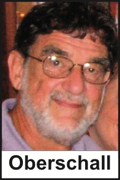 March 6, 2013
Anthony “Tony” Oberschall, professor (now emeritus) of sociology at UNC Chapel Hill, wrote extensively – if not prominently – about the insanity of the Little Rascals case. How was Oberschall able to resist the storyline that seduced so many others?
“Before retiring from UNC in 2005,” he recalls, “I taught in universities for 40 years. One of my fields of writing and research concerned collective behavior – collective myths, false beliefs, rumors, how they originate and why they are believed.
“As the Little Rascals prosecution unfolded right before my eyes (actually, as reported in the News & Observer), it became obvious to me that this was but one more instance of moral panic, false beliefs and miscarriage of justice….”
Oberschall likens the prosecution narrative to “the widely believed Iraqi WMD story disseminated by the Bush administration in 2002. Unthinking acceptance of what the authorities are asserting, alas, happens all too often.”
In early 1993, Oberschall sent the N&O both an op-ed column and a response to a Dennis Rogers column, but neither appeared nor drew a response from the paper. (They have now been posted on the Bookshelf of Case Materials on this site.)
“At that point,” he says, “having been stonewalled, I decided to research Little Rascals in depth and wrote several times about it in scholarly publications in subsequent years.”
More about Oberschall’s research in Thursday’s post.
Defective interviews? Irrelevant, DA insisted
July 23, 2012
“ ‘Don’t focus on the question, focus on the answer,’ (District Attorney H. P. Williams Jr.) said, referring to the defense argument that children were asked leading questions.”
– The Associated Press, March 28, 1992
Did prosecutors know all along that the interview process was corrupt at the core and that their case was in essence (if not in the strict legal sense) fruit of a poisonous tree?
Or had they, too, simply lost their bearings in the hysteria?