Rascals case in brief
In the beginning, in 1989, more than 90 children at the Little Rascals Day Care Center in Edenton, North Carolina, accused a total of 20 adults with 429 instances of sexual abuse over a three-year period. It may have all begun with one parent’s complaint about punishment given her child.
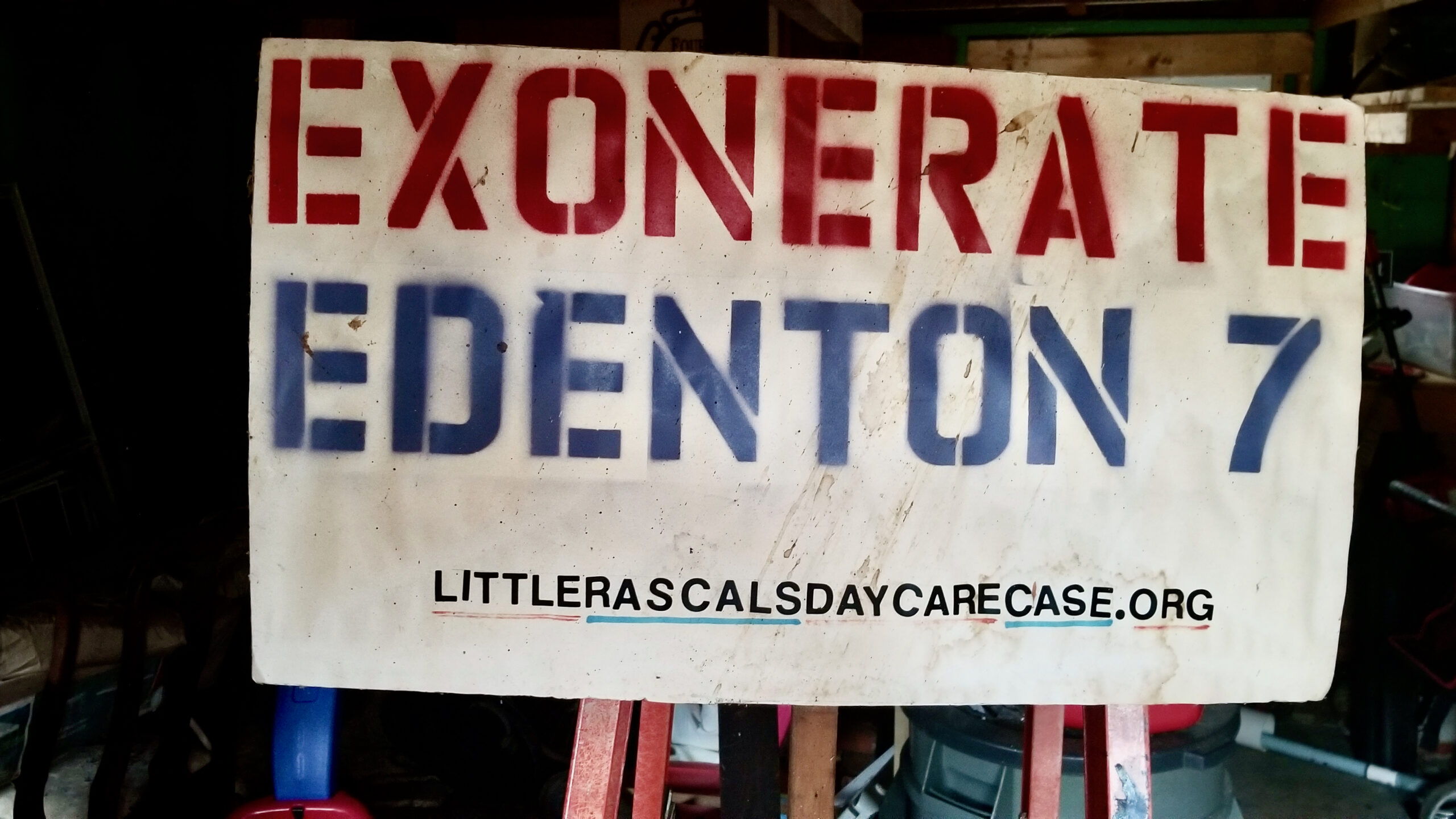
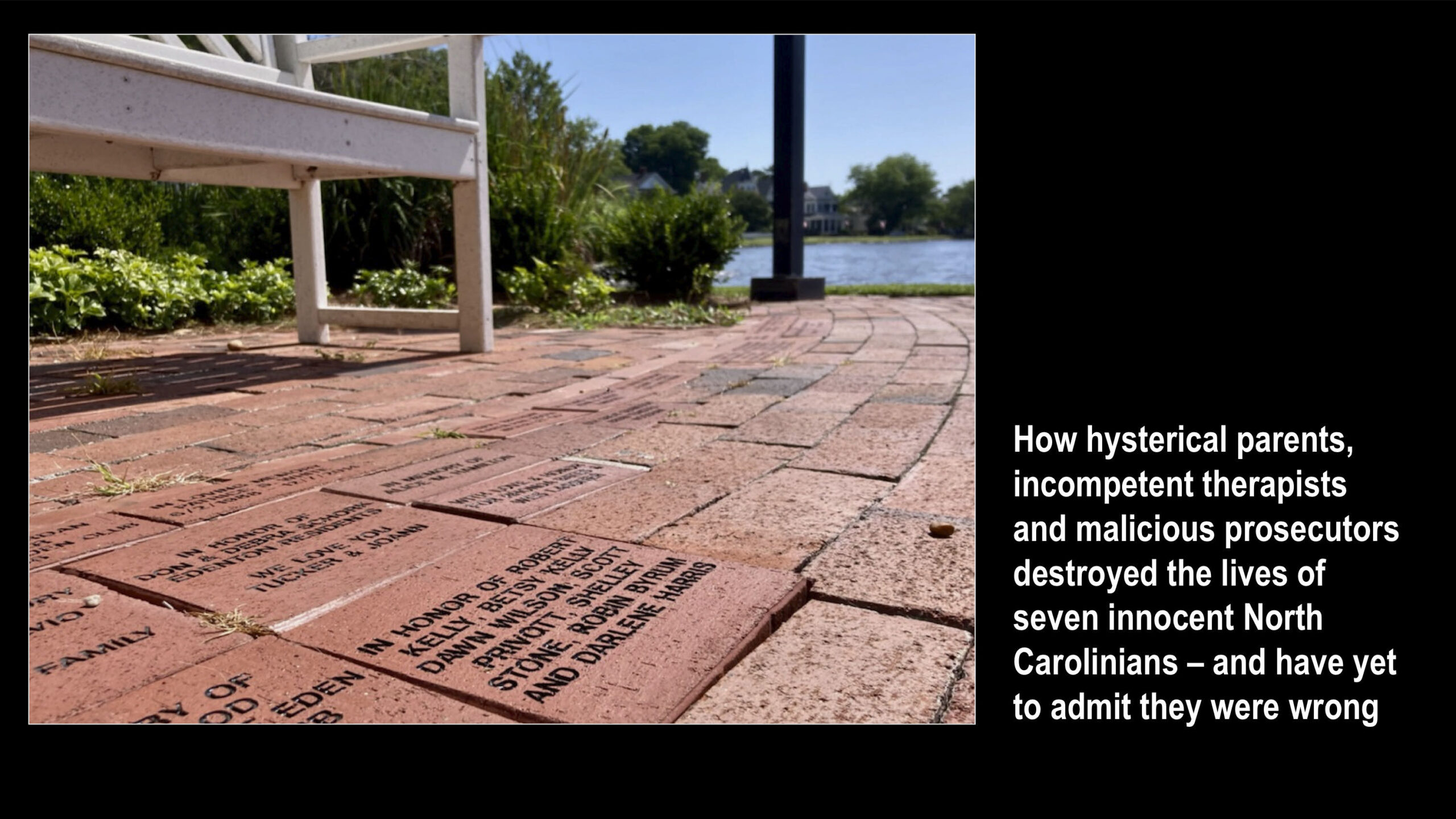
Among the alleged perpetrators: the sheriff and mayor. But prosecutors would charge only Robin Byrum, Darlene Harris, Elizabeth “Betsy” Kelly, Robert “Bob” Kelly, Willard Scott Privott, Shelley Stone and Dawn Wilson – the Edenton 7.
Along with sodomy and beatings, allegations included a baby killed with a handgun, a child being hung upside down from a tree and being set on fire and countless other fantastic incidents involving spaceships, hot air balloons, pirate ships and trained sharks.
By the time prosecutors dropped the last charges in 1997, Little Rascals had become North Carolina’s longest and most costly criminal trial. Prosecutors kept defendants jailed in hopes at least one would turn against their supposed co-conspirators. Remarkably, none did. Another shameful record: Five defendants had to wait longer to face their accusers in court than anyone else in North Carolina history.
Between 1991 and 1997, Ofra Bikel produced three extraordinary episodes on the Little Rascals case for the PBS series “Frontline.” Although “Innocence Lost” did not deter prosecutors, it exposed their tactics and fostered nationwide skepticism and dismay.
With each passing year, the absurdity of the Little Rascals charges has become more obvious. But no admission of error has ever come from prosecutors, police, interviewers or parents. This site is devoted to the issues raised by this case.
On Facebook


Little Rascals Day Care Case
This Facebook page is an offshoot of littlerascalsdaycarecase.org, which addresses the wrongful prosecution of the Edenton Seven and other such victims.

Meanwhile in Edenton....
This content isn't available right now
When this happens, it's usually because the owner only shared it with a small group of people, changed who can see it or it's been deleted.0 CommentsComment on Facebook
Allies for our cause!
This content isn't available right now
When this happens, it's usually because the owner only shared it with a small group of people, changed who can see it or it's been deleted.0 CommentsComment on Facebook
The courts have a long history of capriciously pulling the rug out from under Junior's appeals, but maybe this time....
This content isn't available right now
When this happens, it's usually because the owner only shared it with a small group of people, changed who can see it or it's been deleted.0 CommentsComment on Facebook
Click for earlier Facebook posts archived on this site
Click to go to

Today’s random selection from the Little Rascals Day Care archives….
McMartin interviewers showed way for Little Rascals
April 25, 2012
“Many questions were repeated (by interviewers in the McMartin Preschool case) even when the children had previously given unambiguous answers.
“For example, after a child responded that he/she did not remember any pictures of naked bodies, the interviewer repeated the question saying, ‘Can’t remember that part?’
“Even after the child again responded ‘no,’ the interviewer persisted, saying ‘Why don’t you think about that for awhile…. Your memory might come back to you.’ ”
– From “Tell Me What Happened: Structured Investigative Interviews
of Child Victims and Witnesses” by Michael E. Lamb, et al. (2008)
There is every reason to believe this approach typified interviews in the Little Rascals case, but of course prosecutors ensured almost no record of those interviews survived.
‘We cannot give him back those years….’
May 29, 2016
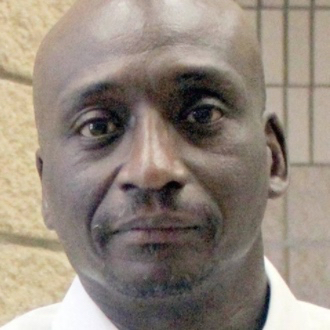
“ ‘On behalf of the State of North Carolina, I apologize to Mr. (Edward Charles) McInnis for the 27 years he had to spend behind bars for crimes he did not commit,’ McCrory said in a statement announcing the pardon. ‘While we cannot give him back those years of his life, I wish him well as he resumes his life as a free man.’ ”
– From “NC Gov. McCrory pardons Scotland County man” by Anne Blythe in the News & Observer (May 19) (text cache)
Another DNA exoneration – thanks yet again, North Carolina Innocence Inquiry Commission – and this time both District Attorney Kristy Newton and Gov. McCrory acted expeditiously and humanely.
I look forward to seeing the governor extend such sentiments toward Junior Chandler, who has now spent more than 29 years behind bars.

Postcard from the bumpy path to exoneration
 Sept. 3, 2012
Since its creation by the General Assembly in 2006, the North Carolina Innocence Inquiry Commission has considered more than 1,100 innocence claims, three of which resulted in exonerations. This is from a letter I wrote the Innocence Inquiry Commission requesting that it take up the case of the Edenton Seven:
“I am fully aware that my request falls outside the letter of your mandate. It is of such importance, however, that I believe consideration by the Commission would be both just and appropriate.”
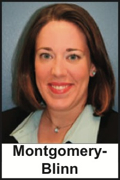
And this is from the response I received from Kendra Montgomery-Blinn, executive director:
“By law the Commission is only permitted to consider claims arising from current convictions. We cannot consider cases in which the conviction was vacated, even if the claimants were not fully exonerated.
“I am familiar with the (Little Rascals) case as I studied it both in college and in law school. In fact, I cited the case in the brief for a 2007 Commission hearing….
“I am sorry that the Commission cannot be of further assistance. The only other option I am aware of is a Gubernatorial pardon. The surviving defendants from the Wilmington 10 case have recently applied for pardons.
“Thank you for contacting the Commission and for continuing to bring attention to this important case and the subject of wrongful convictions. I am proud that North Carolina is first in the nation to have a state-run innocence commission.”
Another door to exoneration is closed, however sympathetically. Others remain.
Footnote: The hearing Ms. Montgomery-Blinn mentions grew out of a 2001 case in Pitt County. Henry Reeves had been convicted of taking indecent liberties with his 6-year-old daughter, Marquita. This passage in the Innocence Commission’s investigative statement caught my eye:
“Barbara Hardy (the child’s mother and the defendant’s wife) stated that when Marquita came out of her sessions with Dr. (Betty) Robertson, Marquita would have gum or little presents, and Marquita would state ‘Look what she gave me for getting the questions right.’
“Mrs. Hardy said that she tried to tell Dr. Robertson that Marquita was a people pleaser and may say things just to be rewarded, but Dr. Robertson said, ‘I believe it happened, and it’s going to court.’
“It is important to note that Dr. Robertson…. provided therapy and evaluations to 23 of the children in (the Little Rascals) case….”
Still rewarding possibly-abused children for “getting the questions right”? Did Betty Robertson learn nothing from the 23 false positives she reported in Edenton?
‘Overwhelming power’ in the worst possible hands
Dec. 23, 2011
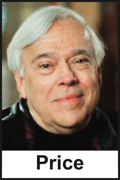 “Many appalling results of the recovered-memory movement of the 1970s and ’80s arose from … unexamined views of memory – occurrences like the false accusations of employees of children’s care centers… Such fantasies have often been encouraged as reliable memories by doctrinaire therapists and have sometimes resulted in prison sentences and ruined lives for innocent fathers, mothers, kin, teachers and devoted caretakers.
“The documentary films made by Ofra Bikel … are meticulous and frightening accounts of such fantasies and their overwhelming power in the hands of the cruelest, most self-deluded and most easily panicked among us.”
– From “Ardent Spirits” by the late Reynolds Price (2009)