Rascals case in brief
In the beginning, in 1989, more than 90 children at the Little Rascals Day Care Center in Edenton, North Carolina, accused a total of 20 adults with 429 instances of sexual abuse over a three-year period. It may have all begun with one parent’s complaint about punishment given her child.
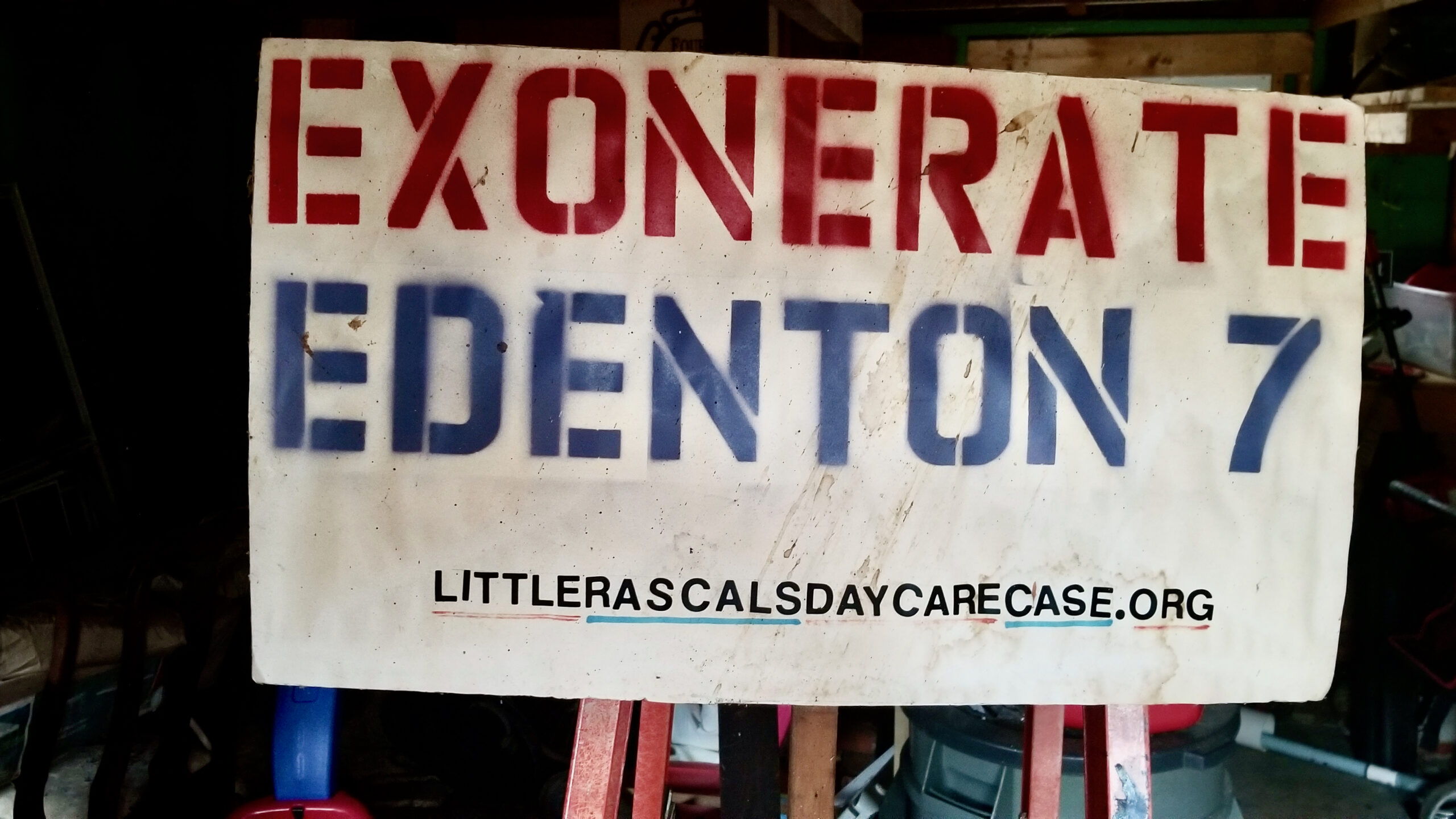
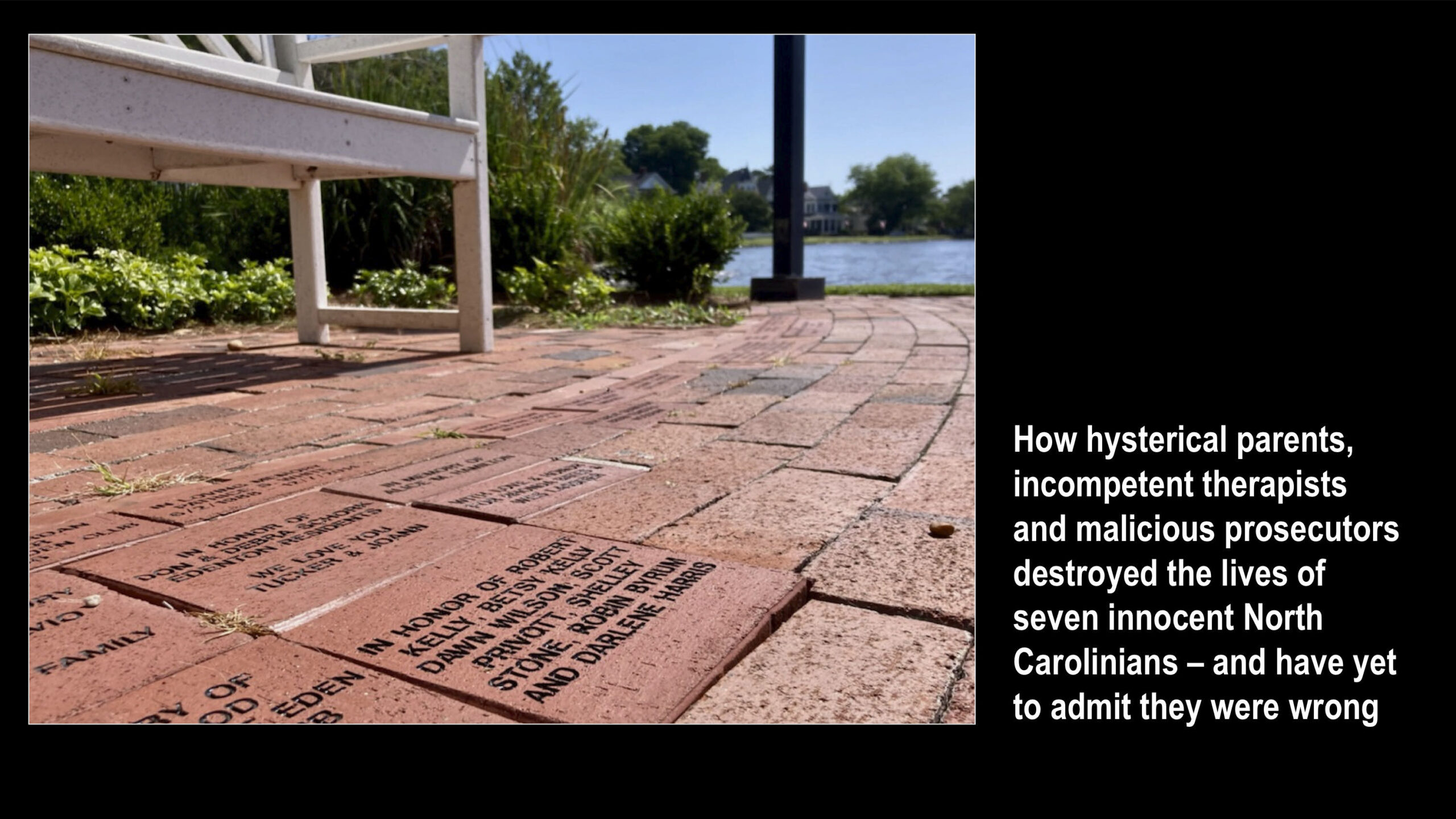
Among the alleged perpetrators: the sheriff and mayor. But prosecutors would charge only Robin Byrum, Darlene Harris, Elizabeth “Betsy” Kelly, Robert “Bob” Kelly, Willard Scott Privott, Shelley Stone and Dawn Wilson – the Edenton 7.
Along with sodomy and beatings, allegations included a baby killed with a handgun, a child being hung upside down from a tree and being set on fire and countless other fantastic incidents involving spaceships, hot air balloons, pirate ships and trained sharks.
By the time prosecutors dropped the last charges in 1997, Little Rascals had become North Carolina’s longest and most costly criminal trial. Prosecutors kept defendants jailed in hopes at least one would turn against their supposed co-conspirators. Remarkably, none did. Another shameful record: Five defendants had to wait longer to face their accusers in court than anyone else in North Carolina history.
Between 1991 and 1997, Ofra Bikel produced three extraordinary episodes on the Little Rascals case for the PBS series “Frontline.” Although “Innocence Lost” did not deter prosecutors, it exposed their tactics and fostered nationwide skepticism and dismay.
With each passing year, the absurdity of the Little Rascals charges has become more obvious. But no admission of error has ever come from prosecutors, police, interviewers or parents. This site is devoted to the issues raised by this case.
On Facebook


Little Rascals Day Care Case
This Facebook page is an offshoot of littlerascalsdaycarecase.org, which addresses the wrongful prosecution of the Edenton Seven and other such victims.

Meanwhile in Edenton....
This content isn't available right now
When this happens, it's usually because the owner only shared it with a small group of people, changed who can see it or it's been deleted.0 CommentsComment on Facebook
Allies for our cause!
This content isn't available right now
When this happens, it's usually because the owner only shared it with a small group of people, changed who can see it or it's been deleted.0 CommentsComment on Facebook
The courts have a long history of capriciously pulling the rug out from under Junior's appeals, but maybe this time....
This content isn't available right now
When this happens, it's usually because the owner only shared it with a small group of people, changed who can see it or it's been deleted.0 CommentsComment on Facebook
Click for earlier Facebook posts archived on this site
Click to go to

Today’s random selection from the Little Rascals Day Care archives….
Exoneree ‘eventually got the death penalty’
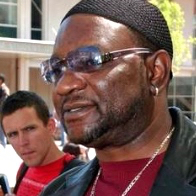
March 14, 2016
Darryl Hunt, imprisoned for more than 19 years for a murder he did not commit, was found dead in a car in Winston-Salem early Sunday.
“In 1984 at age 19, Hunt was charged with the rape and murder of a newspaper copy editor….” Read more here.
“Hunt was exonerated in 2004 after DNA evidence led police to Willard Brown, who confessed to the killing, and pardoned by then-Gov. Mike Easley.” Read more here.
He was awarded a settlement of more than $1.6 million in 2007 and founded the Darryl Hunt Project for Freedom and Justice, an advocacy group for the wrongfully convicted.
“But Hunt was also haunted by his experiences, said those who knew him. He would use ATMs daily, not so much to get money but so he could create a time-stamped receipt and an image recording his location.” Read more here.
“The trauma of wrongful convictions, years in prison, and the responsibilities he took on after he was free wore Hunt down, (his longtime attorney, Mark Rabil) said.
“ ‘In the long run, he eventually got the death penalty,’ Rabil said.” Read more here.
– From “Darryl Hunt, wrongly convicted of murder, found dead” by Lynn Bonner in the News & Observer (March 13)
Exoneration – what a beautiful word. Misleadingly beautiful for those who forever bear the wounds of wrongful conviction.
In 2007 a New York Times study of 137 DNA exonerees showed that “most of them have struggled to keep jobs, pay for health care, rebuild family ties and shed the psychological effects of years of uestionable or wrongful imprisonment.
Another study suggests New York state parolees experienced “a 2-year decline in life expectancy for each year served in prison.”
Perhaps most chilling: Darryl Hunt surely ranked as one of exoneration’s most heartening success stories.

If anyone deserves pardon, why not Edenton Seven?
May 30, 2012
Is the case for pardoning the Wilmington 10 any more compelling than that for pardoning the Edenton Seven?
As the N&O’s Bruce Siceloff points out, “Somebody firebombed Mike’s Grocery, a white-owned store in a black Wilmington neighborhood, during three days of racial violence in February 1971. When firefighters and police came to put out the blaze, somebody fired shots at them.”
In Edenton, by contrast, no crime was committed, making exoneration all the more challenging: There’s no alternative “somebody” to point to.
McMartin Preschool acquittal did little to stem spread of hysteria

May 18, 2018
“Despite the acquittal in [the McMartin Preschool case], the hysteria kept raging there and nationally; mainstream news still gave it credence, police still made arrests, prosecutors still prosecuted, and true believers among psychologists and psychiatrists (and their clients) still believed and proselytized, often with a government imprimatur….
“In a small town in Tidewater North Carolina, children testified that a satanic cult operating a day care center had ritually abused them – and taken them in hot-air balloons to outer space and on a boat into the Atlantic where newborns were fed to sharks; several people were sentenced to long prison terms and served time before their convictions were overturned or charges dismissed.”
– From “Fantasyland: How America Went Haywire: A 500-Year History” by Kurt Andersen (2017)
The ripples from McMartin were even more pronounced in Edenton, after prosecutors brought back from California a crucial lesson: Conceal, obscure or destroy the therapists’ notes that would reveal how relentlessly the child-witnesses had been manipulated.
Oh, for the ability to recognize something ‘odd’
 June 25, 2012
“I saw this woman in her 20s … accused of something like 2,800 charges of child sex abuse. Oh, I thought, well, that’s very odd….
“I thought, How can (Kelly Michaels) one woman, one young, lone woman in an absolutely open place like the child care center of the church in New Jersey that she worked for – how could she have committed these enormous crimes against 20 children, dressed and undressed them and sent – you know what it is to dress and undress even one child every day without getting their socks lost? – 20 children in a perfectly public place, torture them for two years, frighten and terrorize them, and they never went home and told their parents anything?… This did seem strange.”
– Dorothy Rabinowitz, recalling on C-SPAN the 1985 case that led to her Pulitzer-winning coverage of the ritual-abuse day-care mania
“This did seem strange.”
From the vantage of 2012, of course, such allegations seem not only “strange” but also patently incredible.
So why didn’t everybody – therapists, journalists, prosecutors, jurors – share Rabinowitz’s reasonable doubt?
How did such a grotesque misconception flourish?
Had skepticism really fallen that far out of fashion during the “Believe the Children” zeitgeist?