Rascals case in brief
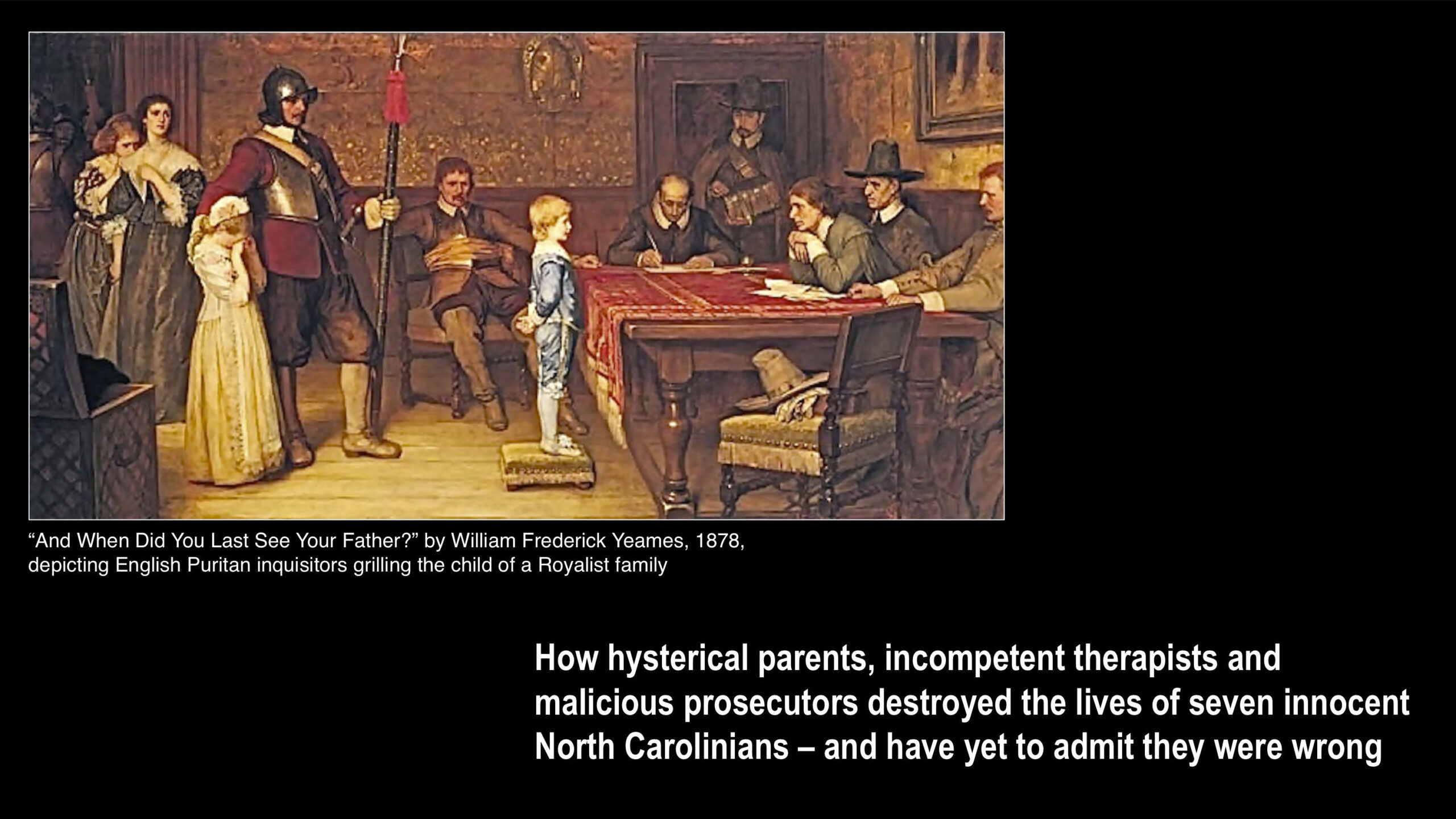
In the beginning, in 1989, more than 90 children at the Little Rascals Day Care Center in Edenton, North Carolina, accused a total of 20 adults with 429 instances of sexual abuse over a three-year period. It may have all begun with one parent’s complaint about punishment given her child.
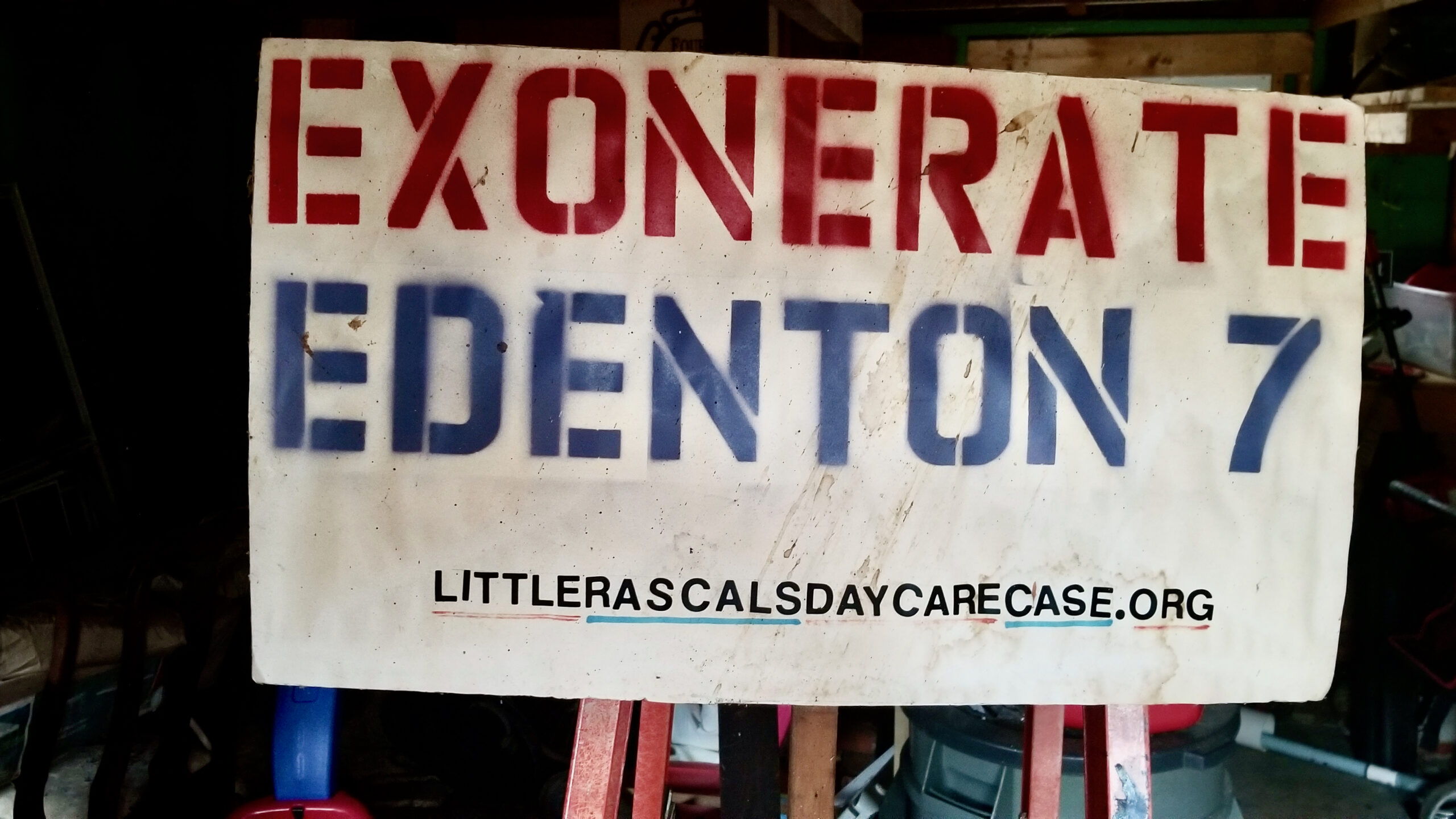
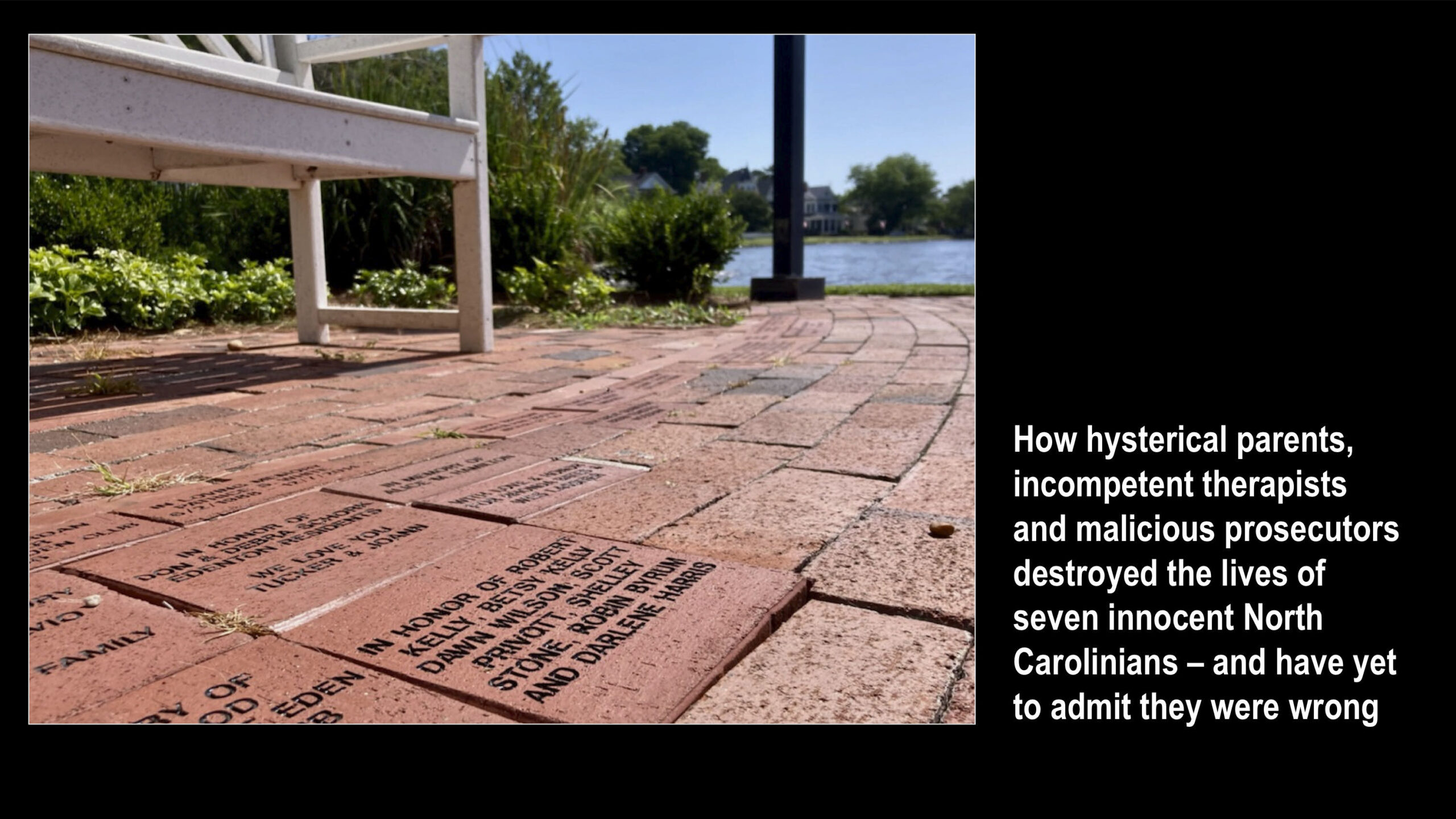
Among the alleged perpetrators: the sheriff and mayor. But prosecutors would charge only Robin Byrum, Darlene Harris, Elizabeth “Betsy” Kelly, Robert “Bob” Kelly, Willard Scott Privott, Shelley Stone and Dawn Wilson – the Edenton 7.
Along with sodomy and beatings, allegations included a baby killed with a handgun, a child being hung upside down from a tree and being set on fire and countless other fantastic incidents involving spaceships, hot air balloons, pirate ships and trained sharks.
By the time prosecutors dropped the last charges in 1997, Little Rascals had become North Carolina’s longest and most costly criminal trial. Prosecutors kept defendants jailed in hopes at least one would turn against their supposed co-conspirators. Remarkably, none did. Another shameful record: Five defendants had to wait longer to face their accusers in court than anyone else in North Carolina history.
Between 1991 and 1997, Ofra Bikel produced three extraordinary episodes on the Little Rascals case for the PBS series “Frontline.” Although “Innocence Lost” did not deter prosecutors, it exposed their tactics and fostered nationwide skepticism and dismay.
With each passing year, the absurdity of the Little Rascals charges has become more obvious. But no admission of error has ever come from prosecutors, police, interviewers or parents. This site is devoted to the issues raised by this case.
On Facebook


Little Rascals Day Care Case
This Facebook page is an offshoot of littlerascalsdaycarecase.org, which addresses the wrongful prosecution of the Edenton Seven and other such victims.

Meanwhile in Edenton....
This content isn't available right now
When this happens, it's usually because the owner only shared it with a small group of people, changed who can see it or it's been deleted.0 CommentsComment on Facebook
Allies for our cause!
This content isn't available right now
When this happens, it's usually because the owner only shared it with a small group of people, changed who can see it or it's been deleted.0 CommentsComment on Facebook
The courts have a long history of capriciously pulling the rug out from under Junior's appeals, but maybe this time....
This content isn't available right now
When this happens, it's usually because the owner only shared it with a small group of people, changed who can see it or it's been deleted.0 CommentsComment on Facebook
Click for earlier Facebook posts archived on this site
Click to go to

Today’s random selection from the Little Rascals Day Care archives….
Why the panic ‘needs to be remembered’
 April 22, 2013
“Lecturing recently, I mentioned the American witch-hunts of the 1980s and 1990s. When the audience looked puzzled, I explained that I was referring to the Satanic Panic of those years, the wave of false charges concerning ritual child abuse and devil cults that made regular headlines in the decade after 1984. The explanation helped little.
“Even people who had lived through those years, who had been following the media closely, had precisely no recollection. Lost in memory it may be, but the Satanic Panic needs to be remembered, if only to prevent a renewed outbreak of this horrible farrago. And when better than in the 30th anniversary of the affair’s beginning?
“It all started in southern California, in Manhattan Beach, in the Fall of 1983….”
– From “Remember the Satanic Panic” (Jan. 9, 2013) by Philip Jenkins, Distinguished Professor of History at Baylor University, on Real Clear Religion
I share Dr. Jenkins’ concern about public memory, of course.
Which are more worrisome – those who have no recollection at all of cases such as McMartin and Little Rascals, or those who have forgotten they all were hoaxes?
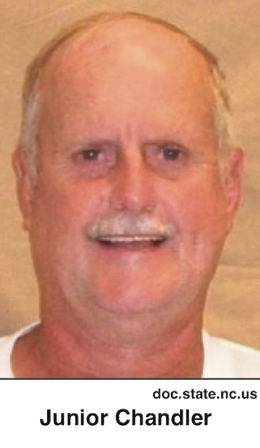
Chandler’s sentence designed to lock him up forever
 Nov. 8, 2015
“The latest obstacle to Gerald Amirault’s freedom came without fanfare. A three-member panel of the Massachusetts Department of Corrections has now decided that, since the prisoner has refused participation in treatment programs for sex offenders, he was considered to be ‘in denial.’ Permission for him to appear before the Board that could grant early parole would therefore be denied.”
– From “How to Extort a Confession” in the Wall Street Journal (April 22, 2002)
Steadfast in his supposed “denial,” Amirault wouldn’t be paroled until 2004 – 18 years into his 40-year sentence.
Compared with Junior Chandler, however, he was lucky. Chandler’s two consecutive life sentences have made him ineligible for parole. For a brief moment during his long and maddening appeals process, in 2008, it seemed those life sentences would be made concurrent – thus qualifying him for parole consideration. But a switch in judges, orchestrated by the attorney general’s office, vaporized that prospect.
A footnote: The North Carolina Department of Correction has its own Sexual Offender Accountability and Responsibility program. “Through psycho-educational modules, behavior techniques and empathy training,” its website says, “S.O.A.R. participants learn that sexually abusive behavior is both controllable and manageable.”
Junior Chandler recalls having been invited to participate, but …. “They said I had to admit I was guilty. I told them I couldn’t do that, because I hadn’t done anything…. What would you do?”
Is psychiatry ready to face up to its denial?
 Feb. 1, 2014
“As our medical schools and graduate programs fill with students who were born after 1989, we meet young mental health professionals-in-training who have no knowledge or
living memory of the Satanic ritual abuse (SRA) moral panic of the 1980s and early 1990s. To those of us old enough to have been there, that era already seems like a curious relic of the past, bracketed in our memory palaces behind a door we are loathe to open again.
“Some mass cultural phenomena are so emotionally-charged, so febrile, and in retrospect so causally incomprehensible, that we feel compelled to move on silently and feign forgetfulness…
“Despite the discomfort it brings, we owe it to the current generation of clinicians to remember that an elite minority within the American psychiatric profession played a small
but ultimately decisive role in the cultural validation, and then reduction, of the Satanism moral panic between 1988 and 1994….
“Are we ready now to reopen a discussion on this moral panic? Will both clinicians and historians of psychiatry be willing to be on record?”
– From “When Psychiatry Battled the Devil” by Richard Noll in Psychiatric Times (Dec. 6, 2013)
Wow! After more than two years of seeing mental health professionals shrug off responsibility for the moral panic they promoted, I can hardly believe what I’m reading. Noll, an accomplished author and professor, traces how it all happened – and asks, “Shall we continue to silence memory, or allow it to speak?”
An early vote to silence memory came from an unexpected source: Psychiatric Times itself, which clumsily pulled Noll’s piece from its website.
By contrast, Allen Frances, professor emeritus of psychiatry at Duke, offered a powerful – and I hope influential – personal mea culpa.
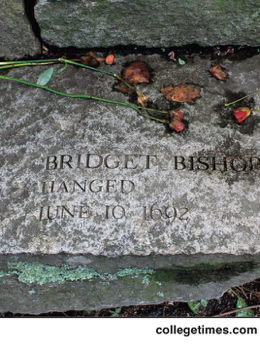
Excuses for denying exoneration (Salem version)
 July 21, 2015
“When Massachusetts exonerated the Salem victims in 1710 it overlooked six women. They remained missing through the 1940s and 1950s as the commonwealth considered pardons but could not seem to make up its legislative mind.
“One lawyer appearing before a Senate committee objected to ‘fooling with history.’ Some legislators feared expensive suits for damages. Others hinted that a pardon might knock Salem’s witches from their tourist-bewitching brooms. As the Commonwealth of Massachusetts had not existed in 1692, it surely had no jurisdiction over a verdict of Massachusetts Bay.
“On Halloween 2001 – weeks after we began to wonder anew about unseen evils – Massachusetts pardoned the last of the Salem witches….”
– From “The Witches: Salem, 1692” by Stacy Schiff (due Oct. 27)