Rascals case in brief
In the beginning, in 1989, more than 90 children at the Little Rascals Day Care Center in Edenton, North Carolina, accused a total of 20 adults with 429 instances of sexual abuse over a three-year period. It may have all begun with one parent’s complaint about punishment given her child.
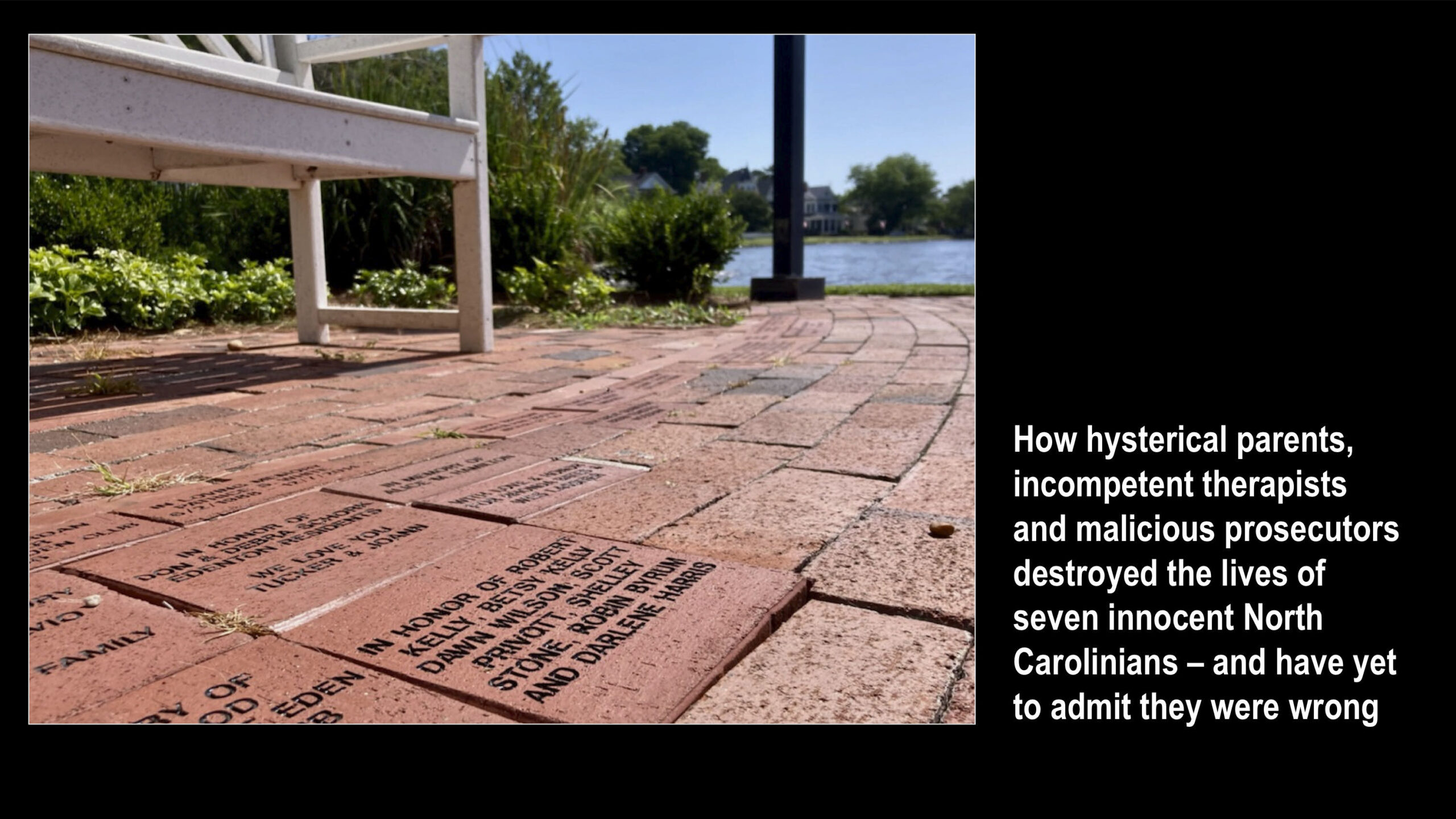
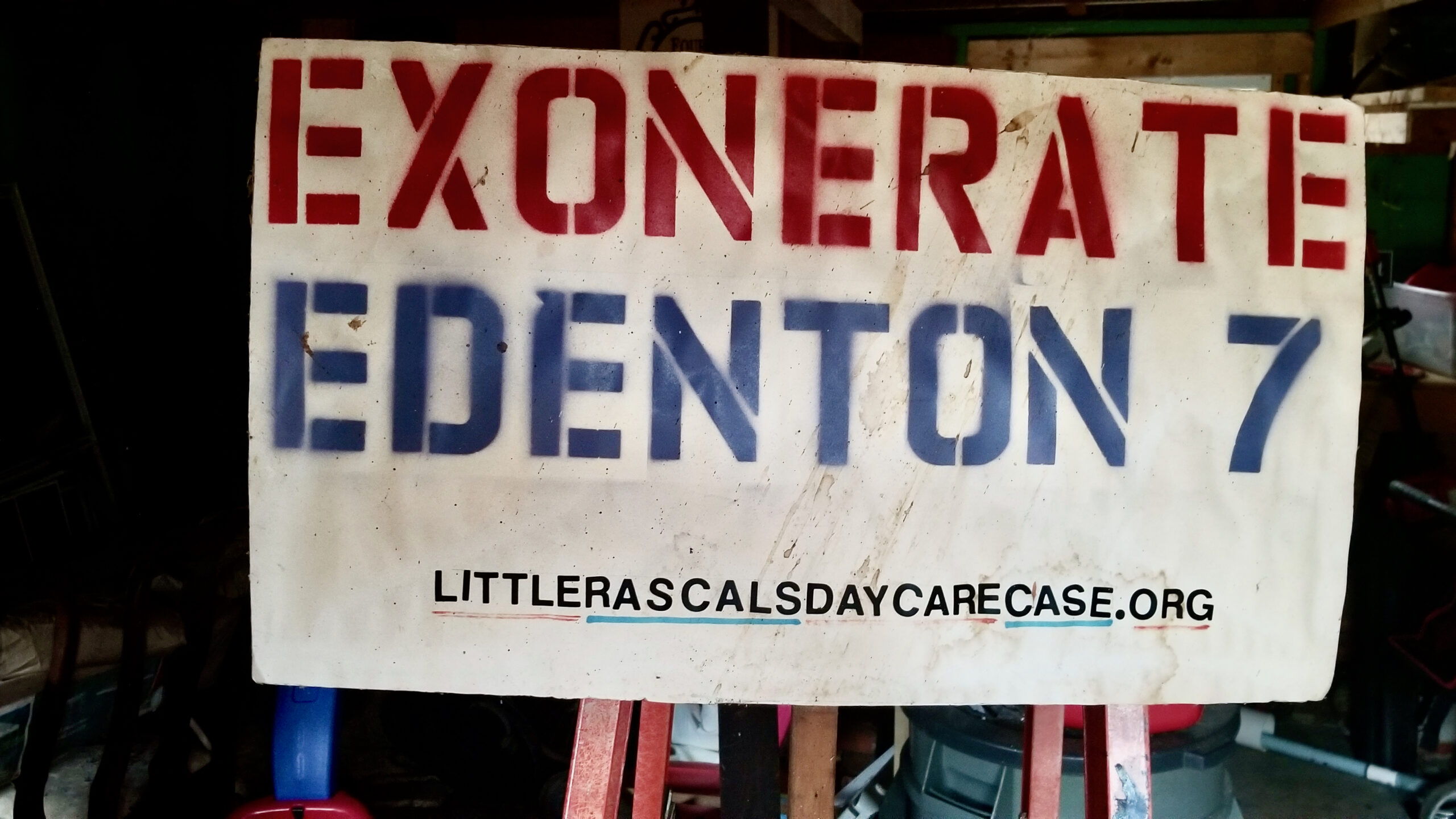
Among the alleged perpetrators: the sheriff and mayor. But prosecutors would charge only Robin Byrum, Darlene Harris, Elizabeth “Betsy” Kelly, Robert “Bob” Kelly, Willard Scott Privott, Shelley Stone and Dawn Wilson – the Edenton 7.
Along with sodomy and beatings, allegations included a baby killed with a handgun, a child being hung upside down from a tree and being set on fire and countless other fantastic incidents involving spaceships, hot air balloons, pirate ships and trained sharks.
By the time prosecutors dropped the last charges in 1997, Little Rascals had become North Carolina’s longest and most costly criminal trial. Prosecutors kept defendants jailed in hopes at least one would turn against their supposed co-conspirators. Remarkably, none did. Another shameful record: Five defendants had to wait longer to face their accusers in court than anyone else in North Carolina history.
Between 1991 and 1997, Ofra Bikel produced three extraordinary episodes on the Little Rascals case for the PBS series “Frontline.” Although “Innocence Lost” did not deter prosecutors, it exposed their tactics and fostered nationwide skepticism and dismay.
With each passing year, the absurdity of the Little Rascals charges has become more obvious. But no admission of error has ever come from prosecutors, police, interviewers or parents. This site is devoted to the issues raised by this case.
On Facebook


Little Rascals Day Care Case
This Facebook page is an offshoot of littlerascalsdaycarecase.org, which addresses the wrongful prosecution of the Edenton Seven and other such victims.

Meanwhile in Edenton....
This content isn't available right now
When this happens, it's usually because the owner only shared it with a small group of people, changed who can see it or it's been deleted.0 CommentsComment on Facebook
Allies for our cause!
This content isn't available right now
When this happens, it's usually because the owner only shared it with a small group of people, changed who can see it or it's been deleted.0 CommentsComment on Facebook
The courts have a long history of capriciously pulling the rug out from under Junior's appeals, but maybe this time....
This content isn't available right now
When this happens, it's usually because the owner only shared it with a small group of people, changed who can see it or it's been deleted.0 CommentsComment on Facebook
Click for earlier Facebook posts archived on this site
Click to go to

Today’s random selection from the Little Rascals Day Care archives….
‘Attached to their convictions’ – and then some
 Dec. 24, 2012
“Why prosecutors sometimes fight post-conviction evidence so adamantly depends on each case. Some legitimately believe the new evidence is not exonerating.
“But legal scholars looking at the issue suggest that prosecutors’ concerns about their political future and a culture that values winning over justice also come into play. ‘They are attached to their convictions,’ (says Brandon Garrett, a law professor at the University of Virginia), ‘and they don’t want to see their work called into question.’ ”
– From “The Prosecution’s Case Against DNA” in the New York Times Sunday Magazine (Nov. 25, 2011)
“Attached to their convictions,” indeed. Nancy Lamb was so attached that in 1996, after Bob Kelly’s 99-count conviction was overturned, she rummaged around the office and turned up yet another molestation claim – this one from two years before the Little Rascals arrests.
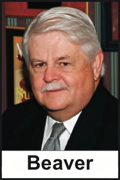
Gerald Beaver, Kelly’s attorney, pointed out that the law requires any report of sexual abuse to be investigated immediately and called police investigator Brenda Toppin, who testified that she had told Lamb about the claim in 1992. Lamb denied any recollection of Toppin’s comment.
“All of this ‘We care about the children’ kind of went down the drain after the conviction,” Beaver said. “It was only when (Kelly) successfully appealed and was no longer pulling 12 consecutive life sentences that the state felt compelled to go out and find this witness.”
As usual, however, time proved no object for prosecutors dedicated to making life miserable for Little Rascals defendants. It would be 1999 before they dropped the final charge against Bob Kelly.
Satanic ritual abuse exemplified ‘counterknowledge’
Oct. 4, 2013
“The essence of counterknowledge is that it purports to be knowledge but is not knowledge. Its claims can be shown to be untrue, either because there are facts that contradict them or because there is no evidence to support them. It misrepresents reality (deliberately or otherwise) by presenting non-facts as facts….
“The media were pushing the circulation of counterknowledge long before the public hooked up to broadband. Consider, for example, the satanic ritual abuse scare….”
– From “Counterknowledge: How we surrendered to conspiracy theories, quack medicine, bogus science and fake history” by Damian Thompson (2008)
McMartin: Patient Zero in day-care abuse contagion?
 March 26, 2012
How did the moral panic over day-care ritual abuse spread so widely? Did some undetected psychotropic waft from Manhattan Beach to Edenton to Christchurch, New Zealand?
I was reminded of that lingering question while reading the smart and lively “Mistakes Were Made (But Not by Me): Why We Justify Foolish Beliefs, Bad Decisions and Hurtful Acts” (2007).
Although Carol Tavris and Elliot Aronson address the day-care panic only briefly, their reference to the McMartin case having produced “copycat accusations against day care teachers across the country” caught my attention. Yes, the timing, pattern and similarity of these cases suggest conscious imitation, but I haven’t seen the evidence.
“We didn’t mean ‘copycat’ literally,” Tavris explains in an e-mail. “It’s just that the McMartin hysteria scared people, and got them worried about their own local day care centers, and motivated DAs and cops to advance their careers by finding these villains… and thereby launched a thousand other efforts to find molesters under the bed and in the day care classrooms…. That’s what a hysterical epidemic means.”
Coincidentally, I’ve been corresponding with Michael Hill, professor of sociology at Victoria University of Wellington, who has traced outbreaks in New Zealand and Australia directly to visits from such American Appleseeds as Roland Summit and Kee MacFarlane.
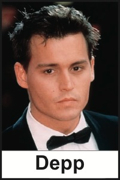
Edenton Seven could’ve used a Johnny Depp
 Sept. 10, 2012
“You saw those initial documentaries, you make a choice: Am I going to watch the thing and go ‘Wow, that’s really horrible,’ and go out and get a milkshake?”
– Johnny Depp, tracing the roots of his advocacy for the West Memphis Three
That could be me talking – except that the eye-opening documentaries for me were “Innocence Lost” rather than “Paradise Lost,” that I’m a retired newspaperman rather than a Hollywood actor and – most crucial – that I went out for a figurative two-decade milkshake run rather than responding immediately to the outrage I was seeing on screen. Hats off to WM3 advocates such as Depp, who moved quickly to challenge prosecutors every bit as recalcitrant as those in North Carolina.