Rascals case in brief
In the beginning, in 1989, more than 90 children at the Little Rascals Day Care Center in Edenton, North Carolina, accused a total of 20 adults with 429 instances of sexual abuse over a three-year period. It may have all begun with one parent’s complaint about punishment given her child.
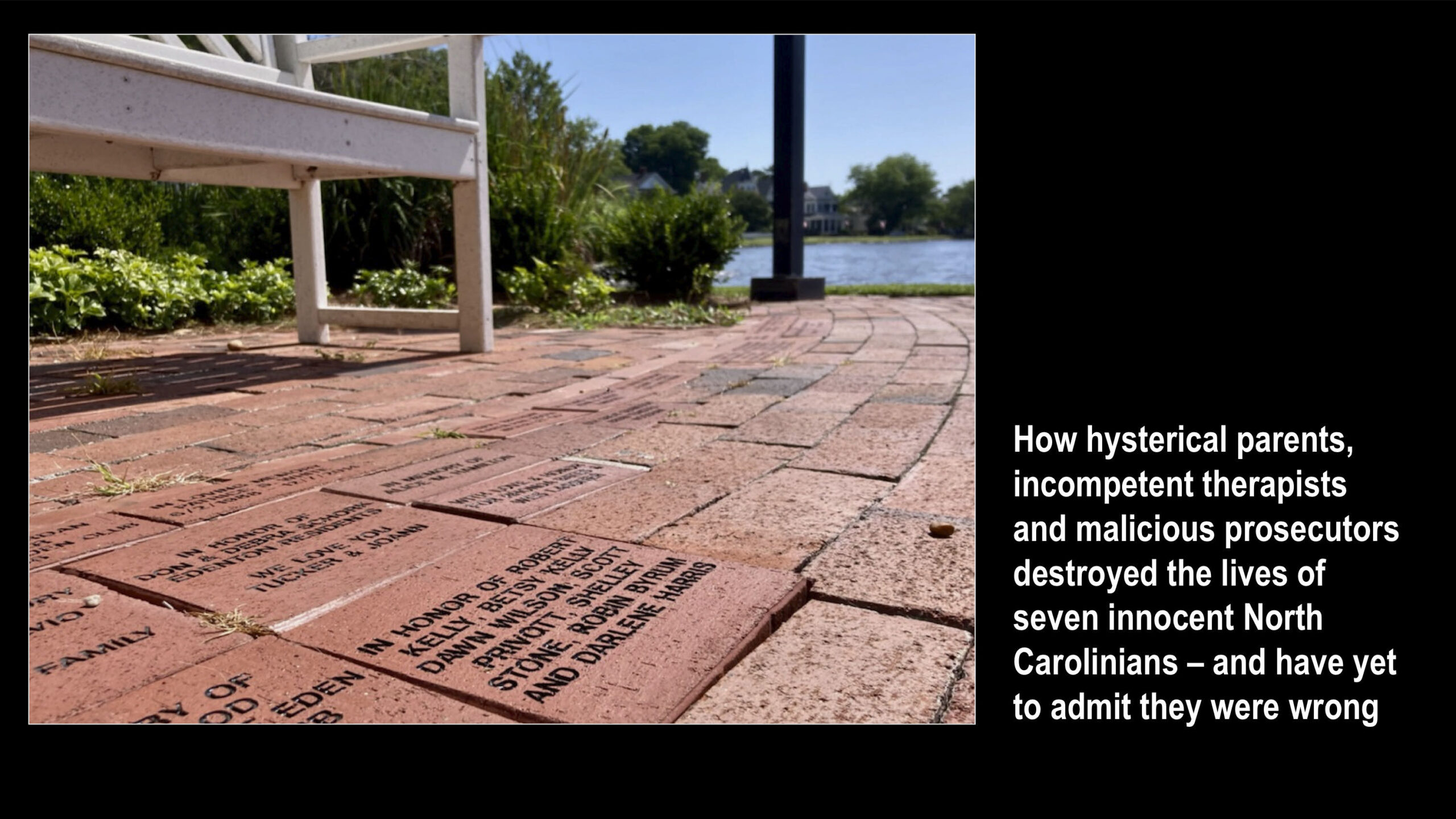
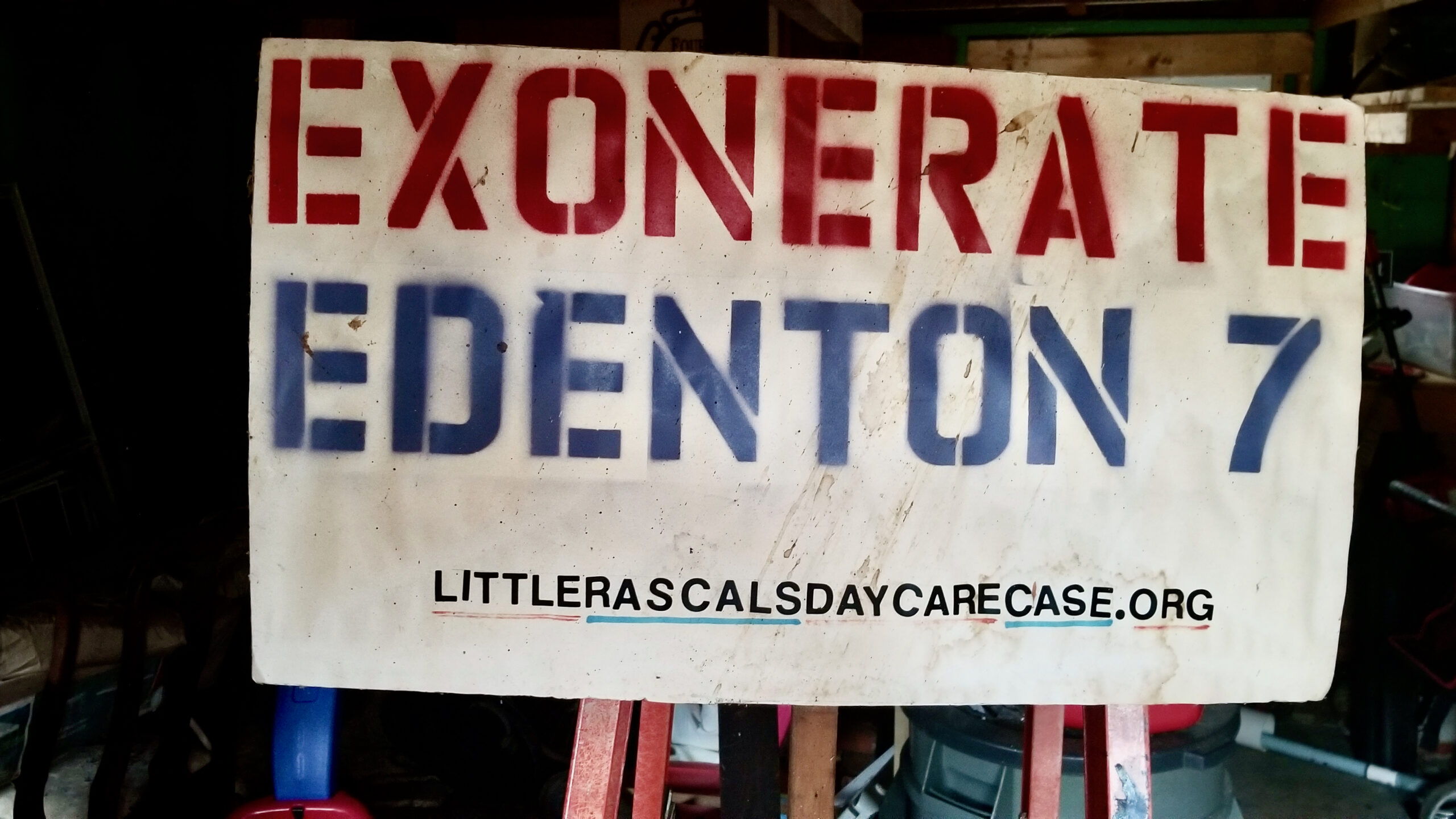
Among the alleged perpetrators: the sheriff and mayor. But prosecutors would charge only Robin Byrum, Darlene Harris, Elizabeth “Betsy” Kelly, Robert “Bob” Kelly, Willard Scott Privott, Shelley Stone and Dawn Wilson – the Edenton 7.
Along with sodomy and beatings, allegations included a baby killed with a handgun, a child being hung upside down from a tree and being set on fire and countless other fantastic incidents involving spaceships, hot air balloons, pirate ships and trained sharks.
By the time prosecutors dropped the last charges in 1997, Little Rascals had become North Carolina’s longest and most costly criminal trial. Prosecutors kept defendants jailed in hopes at least one would turn against their supposed co-conspirators. Remarkably, none did. Another shameful record: Five defendants had to wait longer to face their accusers in court than anyone else in North Carolina history.
Between 1991 and 1997, Ofra Bikel produced three extraordinary episodes on the Little Rascals case for the PBS series “Frontline.” Although “Innocence Lost” did not deter prosecutors, it exposed their tactics and fostered nationwide skepticism and dismay.
With each passing year, the absurdity of the Little Rascals charges has become more obvious. But no admission of error has ever come from prosecutors, police, interviewers or parents. This site is devoted to the issues raised by this case.
On Facebook


Little Rascals Day Care Case
This Facebook page is an offshoot of littlerascalsdaycarecase.org, which addresses the wrongful prosecution of the Edenton Seven and other such victims.

Meanwhile in Edenton....
This content isn't available right now
When this happens, it's usually because the owner only shared it with a small group of people, changed who can see it or it's been deleted.0 CommentsComment on Facebook
Allies for our cause!
This content isn't available right now
When this happens, it's usually because the owner only shared it with a small group of people, changed who can see it or it's been deleted.0 CommentsComment on Facebook
The courts have a long history of capriciously pulling the rug out from under Junior's appeals, but maybe this time....
This content isn't available right now
When this happens, it's usually because the owner only shared it with a small group of people, changed who can see it or it's been deleted.0 CommentsComment on Facebook
Click for earlier Facebook posts archived on this site
Click to go to

Today’s random selection from the Little Rascals Day Care archives….
Children don’t remember, but are sure abuse happened
 May 25, 2012
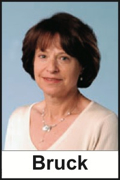
“Maggie Bruck, co-author of ‘Jeopardy in the Courtroom: A Scientific Analysis of Children’s Testimony’ and a professor of psychiatry at Johns Hopkins University, says no long-term psychological studies exist that track groups of children involved in alleged sex-abuse rings, in part because of confidentiality issues.
“But Bruck has studied follow-up interviews of children involved in cases similar to the notorious McMartin preschool trial. Some kids continue to believe they were abused. Bruck suspects it’s because their families or therapists have reinforced the stories of abuse. ‘The children say they don’t remember the salient, allegedly terrifying details,’ she told me. ‘But they are sure it happened.’ ”
– From “Who Was Abused?” by Maggie Jones in the New York Times (Sept. 19, 2004)
Might the Little Rascals children be among the subjects of that follow-up research? Sorry, Dr. Bruck says predictably – “Confidential information.”
Too bad ‘True Detective’ chose to mislead, not to enlighten
 March 15, 2014
“In an interview with Entertainment Weekly (True Detective creator Nic) Pizzolato responded to a question about the inspiration for the show: ‘You can Google “Satanism” “preschool” and “Louisiana” and you’ll be surprised at what you get.’
“This is clearly a reference to a 2005 child abuse prosecution in Ponchataoula, Louisiana, that generated lurid international headlines about ritualistic Satan worship inside a church, complete with black robes, animal blood, orgies, and pentagrams.
“This has since led various media sources to report breathlessly on the ‘true story’ behind True Detective. The problem is that this ‘true story’ turns out to be completely false, at least in regard to all the details regarding Satanic ritual abuse.
“These were apparently part of a classic atrocity story, invented by the defendants to garner sympathy from jurors – the idea being that the defendants were victims of an unspeakably evil church-based mind control cult, rather than merely being banally evil and not very interesting child molesters.
“What sort of moral responsibility do artists have not to exploit, and thereby perhaps propagate, moral panics? The aesthetic power of The Birth of a Nation and Triumph of the Will has not absolved their creators for choosing to exploit racist and anti-Semitic beliefs.
“Our shameful history of panics and persecutions over the imaginary satanic ritual abuse of children should have been treated by artists as talented as the makers of True Detectiveas a cautionary tale, rather than as an opportunity for further invidious myth-making.”
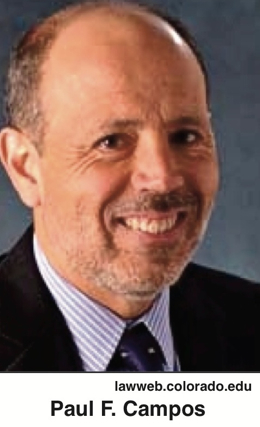
– From “True Detective’s dangerous lies about satanic ritual abuse” by Paul Campos at The Week (March 12)
I’m surprised to find myself cutting the just-concluded HBO series a bit more slack than Campos, a law professor at the University of Colorado. But True Detective’s potential for doing harm in 2014 seems minimal compared with the hysterically alarmist Do You Know the Muffin Man? which aired on Lifetime while arrests were still being made in the Little Rascals case.
Reality notwithstanding, ritual-abuse report lives on
 Nov. 26, 2012
Although no mention of the notorious Report of the Ritual Abuse Task Force is to be found on the Los Angeles County Commission for Women web site, I was curious whether an original booklet might still be available.
Sure enough, a few weeks after I mailed my request to the commission a pristine copy arrived. The text is widely available online, but somehow the experience of holding and reading it is even… creepier.
“Ritual abuse is a serious and growing problem in our community and in our nation…,” it begins. “Society is only just beginning to recognize the gravity and scope…. Parents need to be educated about the hallmarks of this abuse occurring in preschools and day care centers….
“The ritual abuse in such an institutional setting is not incidental to its operation, but is in fact intrinsic, the very reason for the institution’s existence….
“To victimize and indoctrinate as many young children as possible, (ritual abusers) frequently function together in groups in the operation of preschools, day-care services and baby-sitting services, providing themselves access to children outside of their own families.”
Even now, when the case for ritual abuse no longer draws a crowd, the Report of the Ritual Abuse Task Force continues to be cited respectfully, as in “Healing the Unimaginable: Treating Ritual Abuse and Mind Control” (2011), “If the West Falls: Globalization, the End of America and Biblical Prophecy” (2011) and “Healing the Soul after Religious Abuse: The Dark Heaven of Recovery” (2009).
What must it take to slay the ritual-abuse dragon – a stake through the heart?
Panics fade, ‘leaving in their wake bewilderment’
April 8, 2013
“The panic over satanic ritual abuse in the United States… subsided rather abruptly, as panics usually do, whether they are individual or social. They are like an acute anxiety attack – absolutely absorbing while in course and then suddenly gone, leaving in their wake bewilderment, fear of confronting the causes of the panic, and bafflement about what just happened….
“But traces of its presence can be found without much difficulty in the child abuse and neglect (CAN) literature. The panic, and the way CAN personnel had contributed to it, made the field more self-reflective and self-questioning. CAN practitioners had been shocked by the spectacle of their colleagues battling one another in courtrooms… unable to distinguish between real events of abuse and mass hysteria over alleged satanic abuse.”
– From “Childism: Confronting Prejudice Against Children” by Elisabeth Young-Bruehl (2012)
“More self-reflecting and self-questioning” may describe the current generation of child abuse professionals, but those who did such unspeakable damage in the 1980s and ’90s remain wedded to their junk science.