Rascals case in brief
In the beginning, in 1989, more than 90 children at the Little Rascals Day Care Center in Edenton, North Carolina, accused a total of 20 adults with 429 instances of sexual abuse over a three-year period. It may have all begun with one parent’s complaint about punishment given her child.
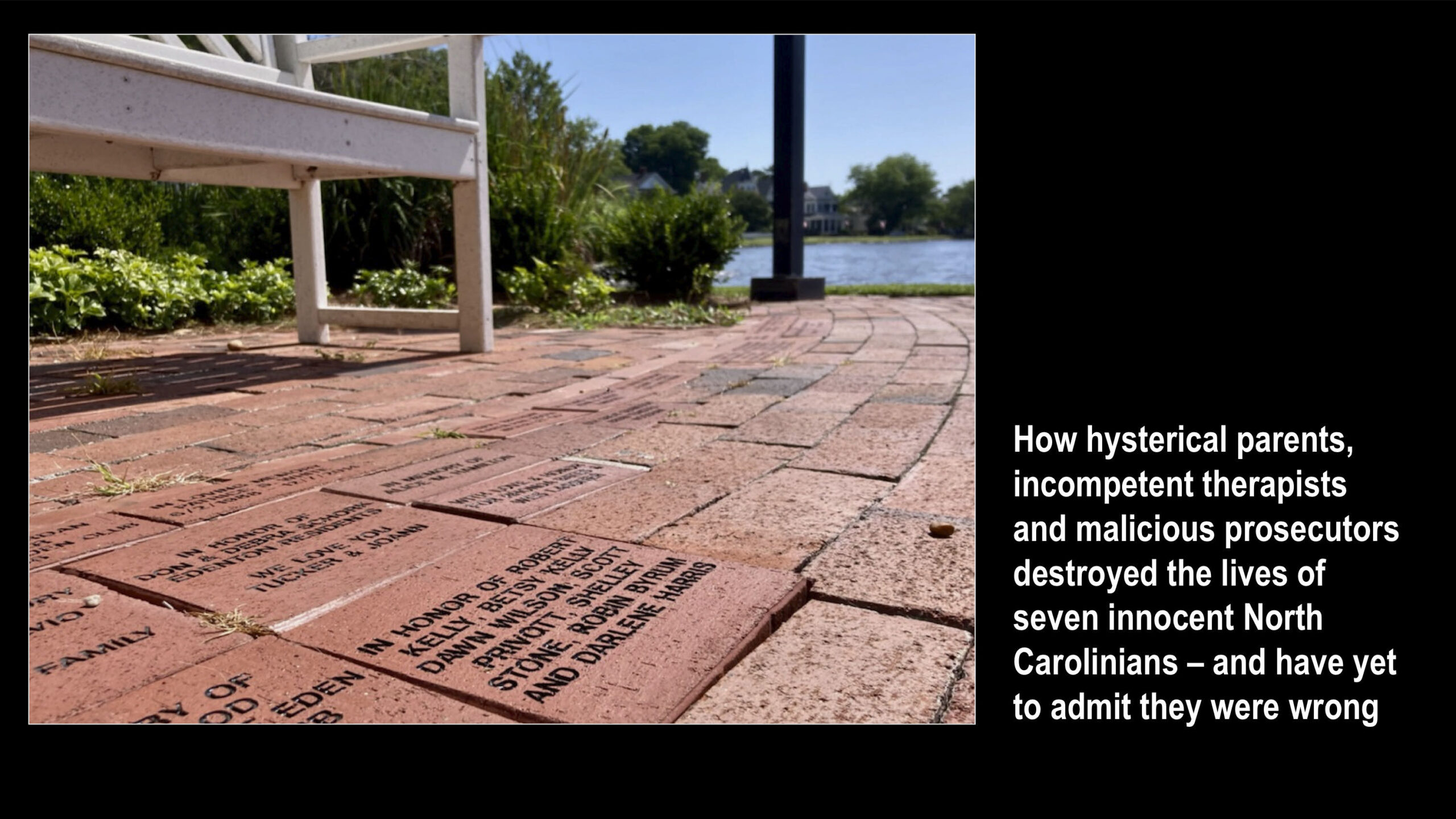
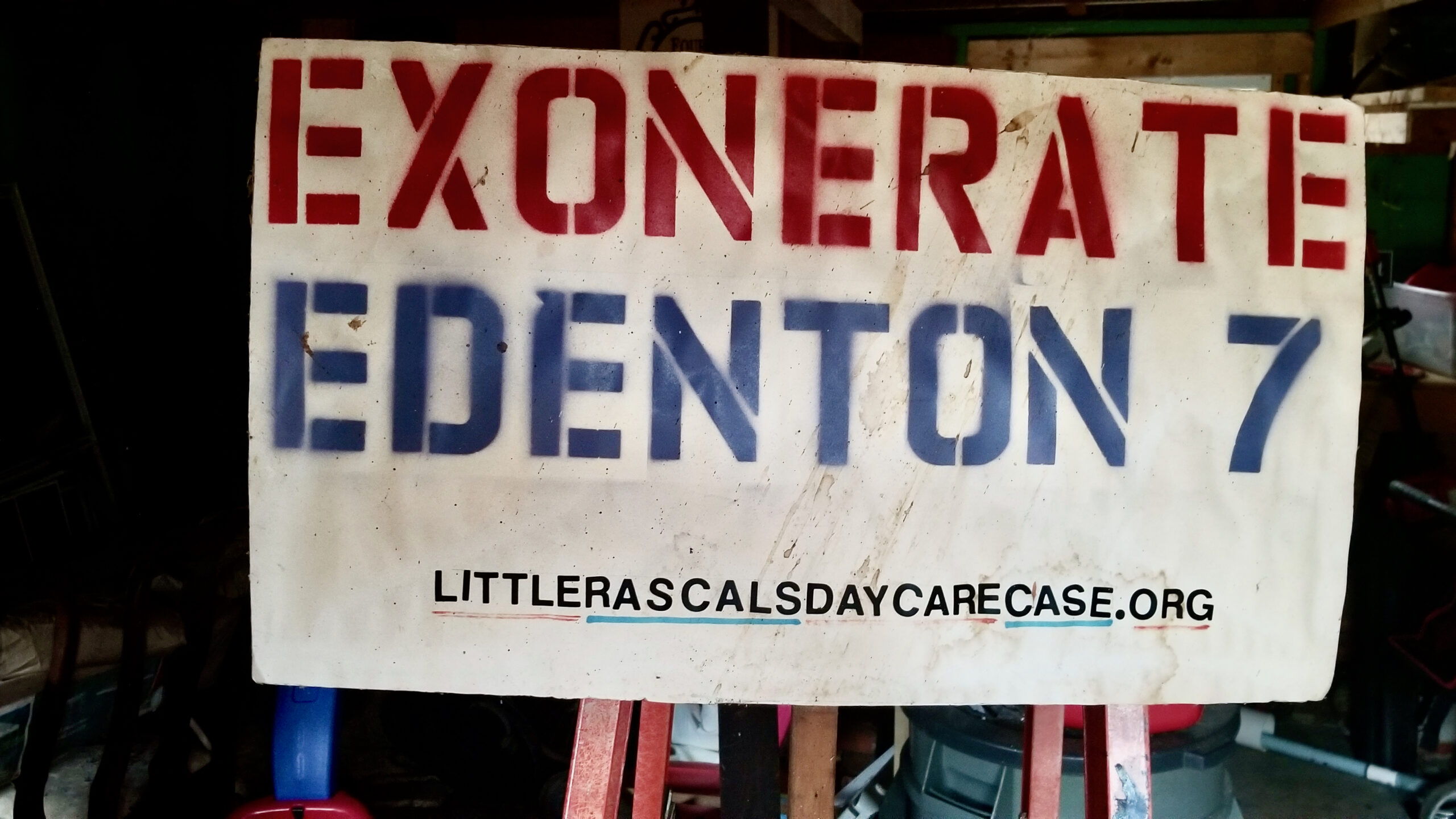
Among the alleged perpetrators: the sheriff and mayor. But prosecutors would charge only Robin Byrum, Darlene Harris, Elizabeth “Betsy” Kelly, Robert “Bob” Kelly, Willard Scott Privott, Shelley Stone and Dawn Wilson – the Edenton 7.
Along with sodomy and beatings, allegations included a baby killed with a handgun, a child being hung upside down from a tree and being set on fire and countless other fantastic incidents involving spaceships, hot air balloons, pirate ships and trained sharks.
By the time prosecutors dropped the last charges in 1997, Little Rascals had become North Carolina’s longest and most costly criminal trial. Prosecutors kept defendants jailed in hopes at least one would turn against their supposed co-conspirators. Remarkably, none did. Another shameful record: Five defendants had to wait longer to face their accusers in court than anyone else in North Carolina history.
Between 1991 and 1997, Ofra Bikel produced three extraordinary episodes on the Little Rascals case for the PBS series “Frontline.” Although “Innocence Lost” did not deter prosecutors, it exposed their tactics and fostered nationwide skepticism and dismay.
With each passing year, the absurdity of the Little Rascals charges has become more obvious. But no admission of error has ever come from prosecutors, police, interviewers or parents. This site is devoted to the issues raised by this case.
On Facebook


Little Rascals Day Care Case
This Facebook page is an offshoot of littlerascalsdaycarecase.org, which addresses the wrongful prosecution of the Edenton Seven and other such victims.

Meanwhile in Edenton....
This content isn't available right now
When this happens, it's usually because the owner only shared it with a small group of people, changed who can see it or it's been deleted.0 CommentsComment on Facebook
Allies for our cause!
This content isn't available right now
When this happens, it's usually because the owner only shared it with a small group of people, changed who can see it or it's been deleted.0 CommentsComment on Facebook
The courts have a long history of capriciously pulling the rug out from under Junior's appeals, but maybe this time....
This content isn't available right now
When this happens, it's usually because the owner only shared it with a small group of people, changed who can see it or it's been deleted.0 CommentsComment on Facebook
Click for earlier Facebook posts archived on this site
Click to go to

Today’s random selection from the Little Rascals Day Care archives….
Other victims of the ‘decade of moral panic’
Oct. 24, 2011
It’s almost obscene to consider the Edenton Seven as lucky, but at least they eventually went free.
Mark Montgomery, the Durham appellate lawyer who represented Bob Kelly, cites two clients still in prison after being convicted of bizarre sexual abuse during the decade of moral panic, 1984-94.
“Junior Chandler was a driver for a (Madison County) day care. The prosecutor (the same who prosecuted Bob Kelly) alleged that Junior would drive off his route to a park by a river, strip the children of their clothes, troop them down to the river, put them in a rowboat, commit various sexual acts, put them back on the bus and take them home.
Based almost exclusively on hearsay and expert ‘vouching,’ Junior was convicted in 1987, and sentenced to two life sentences.
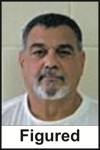 “Pat Figured was supposed to have driven from North Raleigh to Smithfield over his lunch hour to stick a screwdriver into the anal openings of his girlfriend’s two children. (UNC Chapel Hill) psychologist Mark Everson testified that the children ‘had been abused by Mr. Pat Figured.’ Pat was convicted in 1993 and sentenced to life in prison.”
Here is the North Carolina Supreme Court’s 2010 decision that kept Andrew Chandler Jr. a/k/a Junior Chandler in prison.
And here is a thorough history of Pat Figured’s case.
The fate of Chandler and Figured is surely appalling. However, Montgomery adds, “For each defendant who went to trial and was convicted of sexual abuse, dozens more pled guilty to a lesser charge in order to avoid trial for crimes that are difficult to defend against and carry draconian penalties.”
Authorities misled parents by cherry-picking evidence
 March 27, 2013
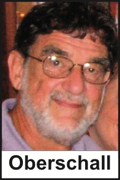
“Authorities fed… parents and public (in Edenton) a biased reading of the evidence, but few realized it was biased.
“Consider the following: John and David, two friends in the day care, are both questioned. John says he and David were both molested, but David says it didn’t happen. Thus the evidence is 50/50 on John and 50/50 on David. They can’t be both right.
“What now? If David keeps denying, he is dropped from the investigation, and the negative evidence on John exits with David. Meanwhile, John’s parents are not told that David denies, and John’s case goes ahead. From 50/50, the allegation has become 100 percent true.
“For this investigation to inevitably produce more victims of abuse, three things are necessary:
“1. Parents are told that their child was named by others as abused, but not told that their child was not abused according to still other children.
“2. Parents are told that denial by their child is a sign of abuse and that therefore the child should be questioned by therapists until he admits.
“3. In some therapy sessions, the children do disclose even if they were not abused.
“Did the prosecution in the Little Rascals investigate in such a manner? The (North Carolina) Appeals Court certainly was of that opinion. It was the principal reason the convictions of Robert Kelly and Dawn Wilson were overturned.”
– From “Why False Beliefs Prevail: the Little Rascals Child Sex Abuse Prosecutions” by Anthony Oberschall in “Essays in Honor of Raymond Boudon” (2000)
Oberschall doesn’t use the term, but I’m reminded of the widespread and pernicious “file drawer effect” – that is, “the practice of scientific researchers to file away studies with negative outcomes.”
A tormented wait for prosecutors to admit defeat
 July 25, 2012
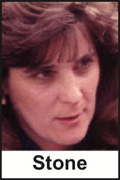
“The terms of (Shelley Stone’s release on $342,000 bond) included an order to stay out of downtown Edenton so she would not run across any children – or parents of children – who had attended Little Rascals.
“One exception came two years ago, when she was allowed to attend her daughter’s high school graduation.
“Stone and her family live in Tyner, a few miles outside Edenton. They receive public assistance.
“‘I’ve had people say to me point blank: “Gee, Shelley, I would hire you, but I’m afraid I’d lose customers,”’ Stone says. ‘Now, when you can’t a job within 30 miles, that’s bad.’
“Prosecutors say they still have not decided whether to try her on 12 charges of sexual abuse, which could mean life in prison. Meanwhile, she waits….
“‘It’s been going on for seven years. Is it going to go on for another seven years, or 10 years or 20 years? Am I going to die with this still going on?…
“‘I worry every day. Are they going to come and say, “We’re going to take you to trial now”?’”
– Adapted from the Associated Press, Sept. 23, 1996
Three months later the state dropped all charges against Stone (and Robin Byrum and Darlene Harris).
As in other Little Rascals cases, Nancy Lamb attributed the dismissals to concern for the child-witnesses and to limited resources in the DA’s office, not to any belated recognition of the defendants’ innocence. “We didn’t bring charges in 1989 and 1990 thinking that these people weren’t guilty,” she told the AP. “Why would we do such a thing? We had enough evidence all along to convict all three, or we would not have brought charges.”
But Lamb needn’t have been too disappointed. After all, how many juries would’ve rendered harsher punishment to these three innocent young women than the seven years of torture the state inflicted?
UNC sociologist sought to deflate moral panic
March 6, 2013
Anthony “Tony” Oberschall, professor (now emeritus) of sociology at UNC Chapel Hill, wrote extensively – if not prominently – about the insanity of the Little Rascals case. How was Oberschall able to resist the storyline that seduced so many others?
“Before retiring from UNC in 2005,” he recalls, “I taught in universities for 40 years. One of my fields of writing and research concerned collective behavior – collective myths, false beliefs, rumors, how they originate and why they are believed.
“As the Little Rascals prosecution unfolded right before my eyes (actually, as reported in the News & Observer), it became obvious to me that this was but one more instance of moral panic, false beliefs and miscarriage of justice….”
Oberschall likens the prosecution narrative to “the widely believed Iraqi WMD story disseminated by the Bush administration in 2002. Unthinking acceptance of what the authorities are asserting, alas, happens all too often.”
In early 1993, Oberschall sent the N&O both an op-ed column and a response to a Dennis Rogers column, but neither appeared nor drew a response from the paper. (They have now been posted on the Bookshelf of Case Materials on this site.)
“At that point,” he says, “having been stonewalled, I decided to research Little Rascals in depth and wrote several times about it in scholarly publications in subsequent years.”
More about Oberschall’s research in Thursday’s post.