Rascals case in brief
In the beginning, in 1989, more than 90 children at the Little Rascals Day Care Center in Edenton, North Carolina, accused a total of 20 adults with 429 instances of sexual abuse over a three-year period. It may have all begun with one parent’s complaint about punishment given her child.
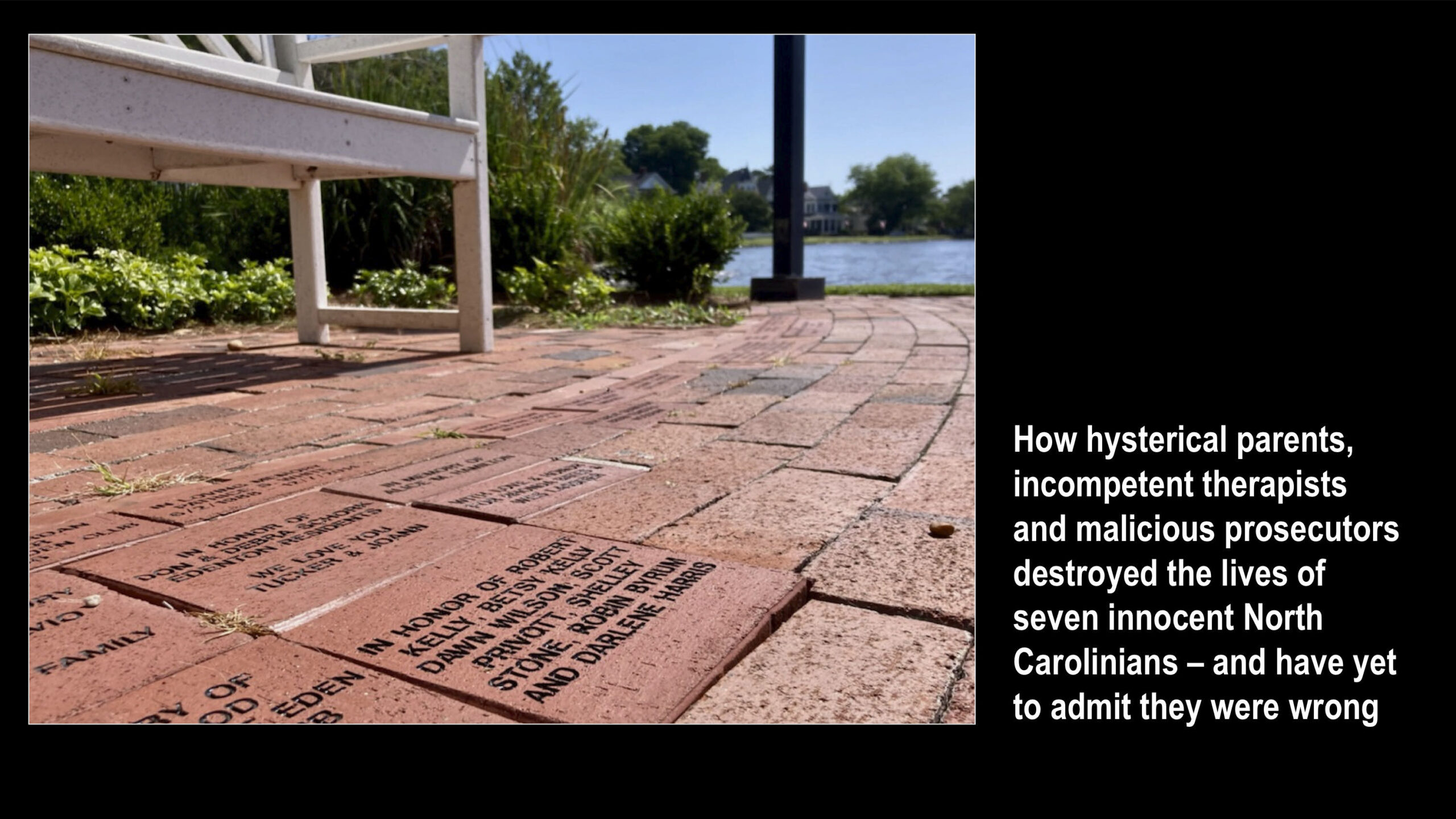
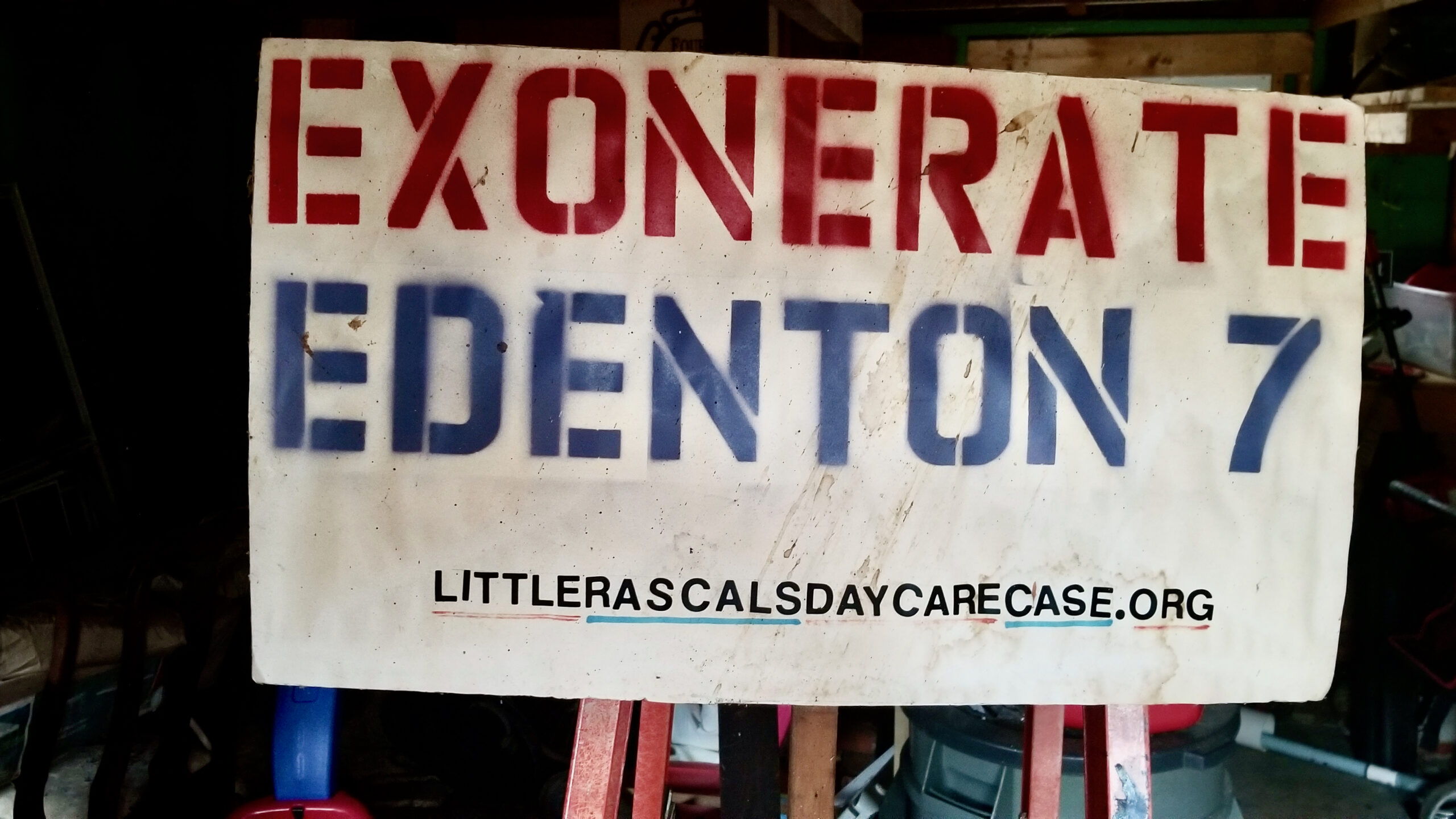
Among the alleged perpetrators: the sheriff and mayor. But prosecutors would charge only Robin Byrum, Darlene Harris, Elizabeth “Betsy” Kelly, Robert “Bob” Kelly, Willard Scott Privott, Shelley Stone and Dawn Wilson – the Edenton 7.
Along with sodomy and beatings, allegations included a baby killed with a handgun, a child being hung upside down from a tree and being set on fire and countless other fantastic incidents involving spaceships, hot air balloons, pirate ships and trained sharks.
By the time prosecutors dropped the last charges in 1997, Little Rascals had become North Carolina’s longest and most costly criminal trial. Prosecutors kept defendants jailed in hopes at least one would turn against their supposed co-conspirators. Remarkably, none did. Another shameful record: Five defendants had to wait longer to face their accusers in court than anyone else in North Carolina history.
Between 1991 and 1997, Ofra Bikel produced three extraordinary episodes on the Little Rascals case for the PBS series “Frontline.” Although “Innocence Lost” did not deter prosecutors, it exposed their tactics and fostered nationwide skepticism and dismay.
With each passing year, the absurdity of the Little Rascals charges has become more obvious. But no admission of error has ever come from prosecutors, police, interviewers or parents. This site is devoted to the issues raised by this case.
On Facebook


Little Rascals Day Care Case
This Facebook page is an offshoot of littlerascalsdaycarecase.org, which addresses the wrongful prosecution of the Edenton Seven and other such victims.

Meanwhile in Edenton....
This content isn't available right now
When this happens, it's usually because the owner only shared it with a small group of people, changed who can see it or it's been deleted.0 CommentsComment on Facebook
Allies for our cause!
This content isn't available right now
When this happens, it's usually because the owner only shared it with a small group of people, changed who can see it or it's been deleted.0 CommentsComment on Facebook
The courts have a long history of capriciously pulling the rug out from under Junior's appeals, but maybe this time....
This content isn't available right now
When this happens, it's usually because the owner only shared it with a small group of people, changed who can see it or it's been deleted.0 CommentsComment on Facebook
Click for earlier Facebook posts archived on this site
Click to go to

Today’s random selection from the Little Rascals Day Care archives….
‘Belief in a devil’ is essential to fanatics
Oct. 31, 2012
“Mass movements can rise and spread without a belief in God, but never without belief in a devil.”
– Eric Hoffer in his landmark analysis of fanaticism, “The True Believer” (1951)
Hoffer’s point was impressively made in the day-care mania. In no case I’ve found – in this country at least – did religion play a significant factor. To the contrary, several ministers and churches were on the receiving end of wrongful prosecution.
DA Williams to jury: Don’t consider the source
 Feb. 20, 2013
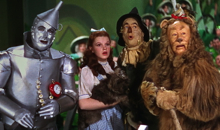
“Don’t focus on the question, focus on the answer.”
– District Attorney H. P. Williams, urging jurors to ignore the leading questions that therapists asked child-witnesses to elicit accusations against Bob Kelly
“Pay no attention to that man behind the curtain.”
– The Wizard of Oz
Why the panic ‘needs to be remembered’
 April 22, 2013
“Lecturing recently, I mentioned the American witch-hunts of the 1980s and 1990s. When the audience looked puzzled, I explained that I was referring to the Satanic Panic of those years, the wave of false charges concerning ritual child abuse and devil cults that made regular headlines in the decade after 1984. The explanation helped little.
“Even people who had lived through those years, who had been following the media closely, had precisely no recollection. Lost in memory it may be, but the Satanic Panic needs to be remembered, if only to prevent a renewed outbreak of this horrible farrago. And when better than in the 30th anniversary of the affair’s beginning?
“It all started in southern California, in Manhattan Beach, in the Fall of 1983….”
– From “Remember the Satanic Panic” (Jan. 9, 2013) by Philip Jenkins, Distinguished Professor of History at Baylor University, on Real Clear Religion
I share Dr. Jenkins’ concern about public memory, of course.
Which are more worrisome – those who have no recollection at all of cases such as McMartin and Little Rascals, or those who have forgotten they all were hoaxes?
Potent weapon for N.C. DAs: court calendar
March 20, 2013
“Unlike their counterparts in every other state, North Carolina prosecutors have control over criminal court calendars.
“In the Little Rascals case, prosecutors used their trial-scheduling authority to let defendants wait for years before proceeding with their cases. They have held the power of the calendar over (Bob) Kelly for a decade without having to account to any other government authority.”
– From “Little Rascals Day Care case still not over” in the Raleigh News & Observer (Jan. 4, 1999)
Almost nine more months would pass before prosecutors dropped the last charges against Bob Kelly.
Despite efforts at reform, district attorneys in North Carolina still maintain near total control over court calendars.