Rascals case in brief
In the beginning, in 1989, more than 90 children at the Little Rascals Day Care Center in Edenton, North Carolina, accused a total of 20 adults with 429 instances of sexual abuse over a three-year period. It may have all begun with one parent’s complaint about punishment given her child.
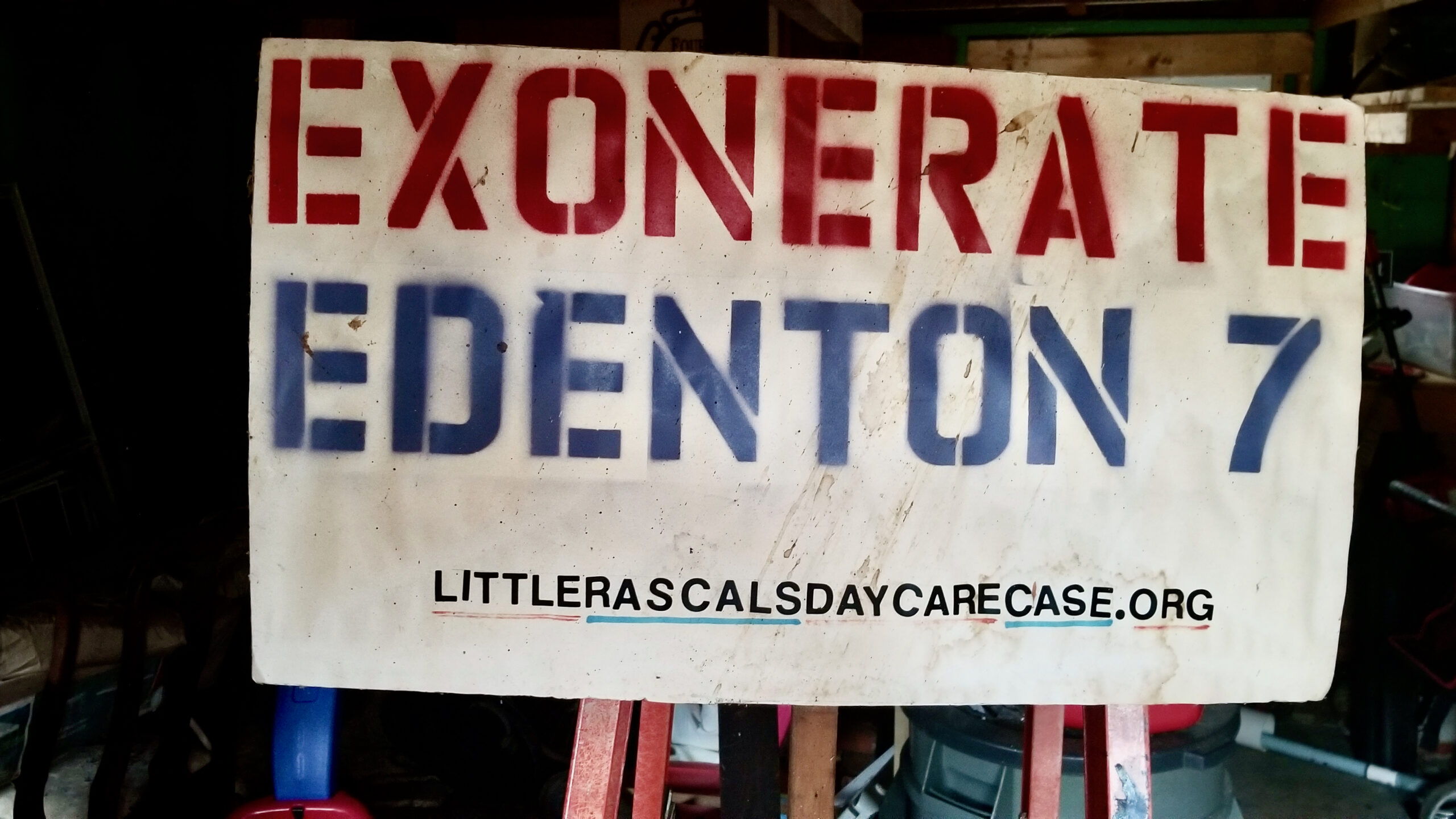
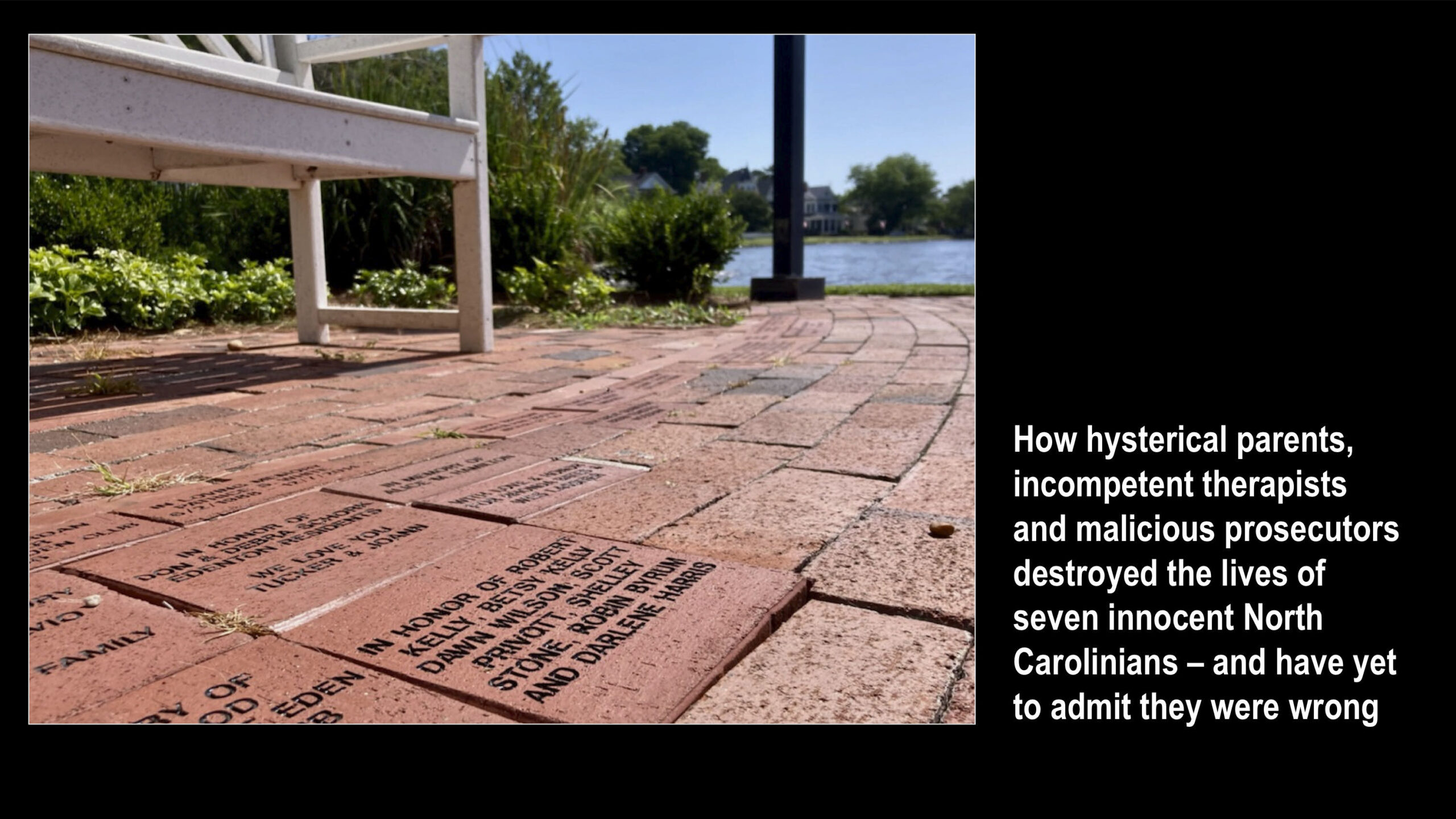
Among the alleged perpetrators: the sheriff and mayor. But prosecutors would charge only Robin Byrum, Darlene Harris, Elizabeth “Betsy” Kelly, Robert “Bob” Kelly, Willard Scott Privott, Shelley Stone and Dawn Wilson – the Edenton 7.
Along with sodomy and beatings, allegations included a baby killed with a handgun, a child being hung upside down from a tree and being set on fire and countless other fantastic incidents involving spaceships, hot air balloons, pirate ships and trained sharks.
By the time prosecutors dropped the last charges in 1997, Little Rascals had become North Carolina’s longest and most costly criminal trial. Prosecutors kept defendants jailed in hopes at least one would turn against their supposed co-conspirators. Remarkably, none did. Another shameful record: Five defendants had to wait longer to face their accusers in court than anyone else in North Carolina history.
Between 1991 and 1997, Ofra Bikel produced three extraordinary episodes on the Little Rascals case for the PBS series “Frontline.” Although “Innocence Lost” did not deter prosecutors, it exposed their tactics and fostered nationwide skepticism and dismay.
With each passing year, the absurdity of the Little Rascals charges has become more obvious. But no admission of error has ever come from prosecutors, police, interviewers or parents. This site is devoted to the issues raised by this case.
On Facebook


Little Rascals Day Care Case
This Facebook page is an offshoot of littlerascalsdaycarecase.org, which addresses the wrongful prosecution of the Edenton Seven and other such victims.

Meanwhile in Edenton....
This content isn't available right now
When this happens, it's usually because the owner only shared it with a small group of people, changed who can see it or it's been deleted.0 CommentsComment on Facebook
Allies for our cause!
This content isn't available right now
When this happens, it's usually because the owner only shared it with a small group of people, changed who can see it or it's been deleted.0 CommentsComment on Facebook
The courts have a long history of capriciously pulling the rug out from under Junior's appeals, but maybe this time....
This content isn't available right now
When this happens, it's usually because the owner only shared it with a small group of people, changed who can see it or it's been deleted.0 CommentsComment on Facebook
Click for earlier Facebook posts archived on this site
Click to go to

Today’s random selection from the Little Rascals Day Care archives….
Lamb ‘continues to hold herself out as an expert’
 April 23, 2012
In 2007, W. Joseph Wyatt, writing in the professional journal The Behavior Analyst Today, looked back at the Little Rascals case:
“Prosecutors appeared to have little appreciation for the possibility, or likelihood, that they were pursuing innocent people. Prosecutorial fervor for the case evidently persisted long after it had become clear that the case had taken a series of wrong turns.
“Despite the disastrous results, one of the prosecutors continues to hold herself out as an expert. As recently as November, 2006, Nancy Lamb, still working as an assistant district attorney, was co-presenter of a training program for professionals titled ‘The Necessary Components of a Legally Defensible Child Sex Abuse Investigation.’ ”
If for no other reason, the Little Rascals case demands continued public attention as long as Nancy Lamb remains at large, presenting her cruelty and deviousness as a model for future prosecutions.
Update: At a 2010 workshop for the North Carolina Conference of District Attorneys, “Nancy Lamb… presented on how to defend the forensic interview in the courtroom.”
How were defendants so skillful at dressing kids?
Nov. 30, 2011
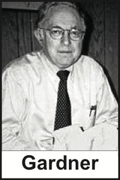 “You have to start with the matter of probability. What every one of these (day care sex abuse) cases has in common is that no adult observer has actually seen a molestation in progress.
“Supposedly, these abuses are going on continually over a period of months. Almost always, they supposedly involve a number of adults and many children, with outsiders constantly walking in and out of these centers. Yet we have no corroborating eyewitnesses. None….
“Throughout it all, these children somehow always come home in the right shoes and socks and underpants. Do you have kids? Do you realize how hard it is to dress two kids in a hurry without some kind of mix-up, let alone 10 or 12 or 20 kids?”
– Dr. Richard A. Gardner, clinical professor of psychiatry at Columbia University, quoted in Playboy magazine (June 1992)
What is ‘appropriate indemnity’ for wrongful prosecution?

June 21, 2016
“One of the earliest arguments for financial compensation for the wrongly incarcerated came in 1932, from the Yale law professor Edwin Borchard. In an influential book called ‘Convicting the Innocent: Sixty-five Actual Errors of Criminal Justice,’ Borchard wrote, ‘When it is discovered after conviction that the wrong man was condemned, the least the State can do to right this essentially irreparable injury is to reimburse the innocent victim, by an appropriate indemnity for the loss and damage suffered.’ He noted, ‘European countries have long recognized that such indemnity is a public obligation.’ But it would be many years before the United States began puzzling through what constituted an ‘appropriate indemnity.’ It wasn’t until the first DNA exoneration, in 1989, that most states began to seriously consider compensation.
“There is still no consensus about the value of lost time. Missouri gives exonerees $50 a day for time served, California twice that much. Massachusetts caps total compensation at $500,000. In Maine, the limit is $300,000; in Florida, it’s $2 million. The variation is largely arbitrary. ‘If there’s a logic to it, I haven’t seen it,’ Robert J. Norris, a researcher at SUNY Albany who has studied compensation statutes, told me…. Twenty states have no compensation statutes at all.”
– From “The Price of a Life: What’s the right way to compensate someone for decades of lost freedom?” by Ariel Levy in the New Yorker (April 13, 2015)
North Carolina exonerees are entitled to $50,000 for each year spent in prison, plus job training and college tuition, up to a maximum of $750,000. However, those statutes apply only to persons “granted a pardon of innocence by the Governor upon the grounds that the crime with which the person was charged either was not committed at all or was not committed by that person.”
As excruciatingly demonstrated in the case of Henry McCollum and Leon Brown, not every governor is in a hurry to enable that compensation.

How one DA refused to yield to madness
Dec. 12, 2011
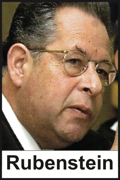 “(In 1989) when the Breezy Point Day School in Langhorne, Pennsylvania, was subjected to an elaborate skein of charges of satanic and ritualistic sex abuse (District Attorney Alan) Rubenstein mounted an immediate, aggressive investigation of the evidence supporting each allegation.
“He took up the rug at the school where rabbits were alleged to have been ritually sacrificed and sent it to (an independent toxicology) lab for analysis; no rabbit blood was found.
“He sifted the school sandbox for evidence of allegedly sacrificed and mutilated animals; no traces were found.
“He had the children alleged to have been raped and beaten interviewed apart from their frenzied parents and without the assistance of the ubiquitous (Roland) Summit-trained ‘sex therapists;’ none were found to have been abused.
“One of the child ‘victims,’ whose videotaped ‘disclosure’ was key to the original allegations, actually objected to being transferred to another school, claiming she ‘liked Breezy Point.’
“Rubenstein firmly resisted hysterical parents and the public clamor for arrests. As a result of his courage and integrity, and his thorough, timely and scientific investigations, all charges of abuse at Breezy Point quickly evaporated.”
– From “Sexual Liberation: The Scandal of Christendom” by Raymond J. Lawrence (2007)
Striking, isn’t it, to see the prosecutor in a day-care abuse case say “Wait just a minute, let’s check this out” rather than falling all over himself to round up a coffle of suspects.
Later this week I’ll be checking in with Doug Wiik, owner of Breezy Point and a key member of the Committee for Support of the Edenton Seven, and with former District Attorney Rubenstein.