Rascals case in brief
In the beginning, in 1989, more than 90 children at the Little Rascals Day Care Center in Edenton, North Carolina, accused a total of 20 adults with 429 instances of sexual abuse over a three-year period. It may have all begun with one parent’s complaint about punishment given her child.
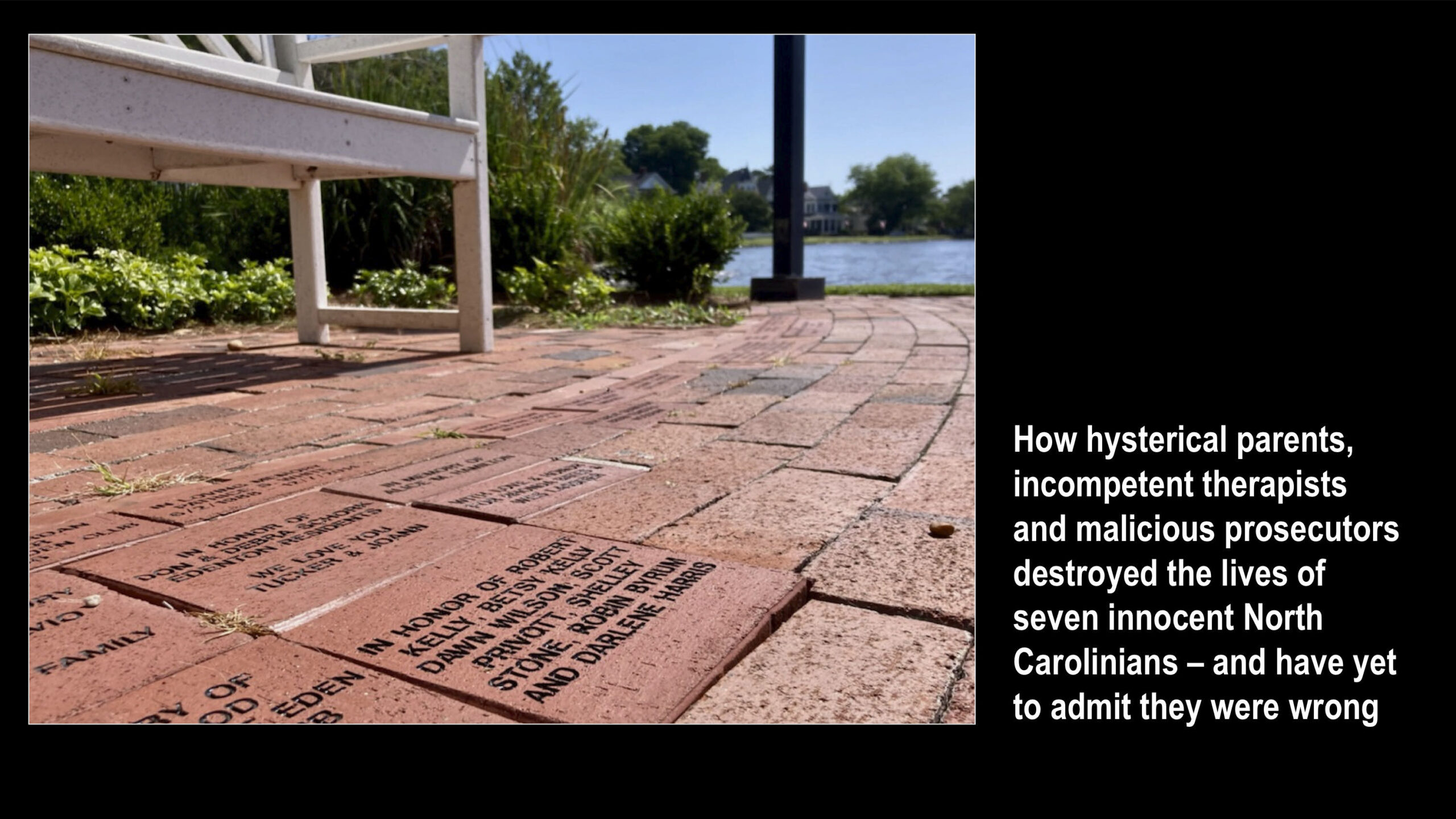
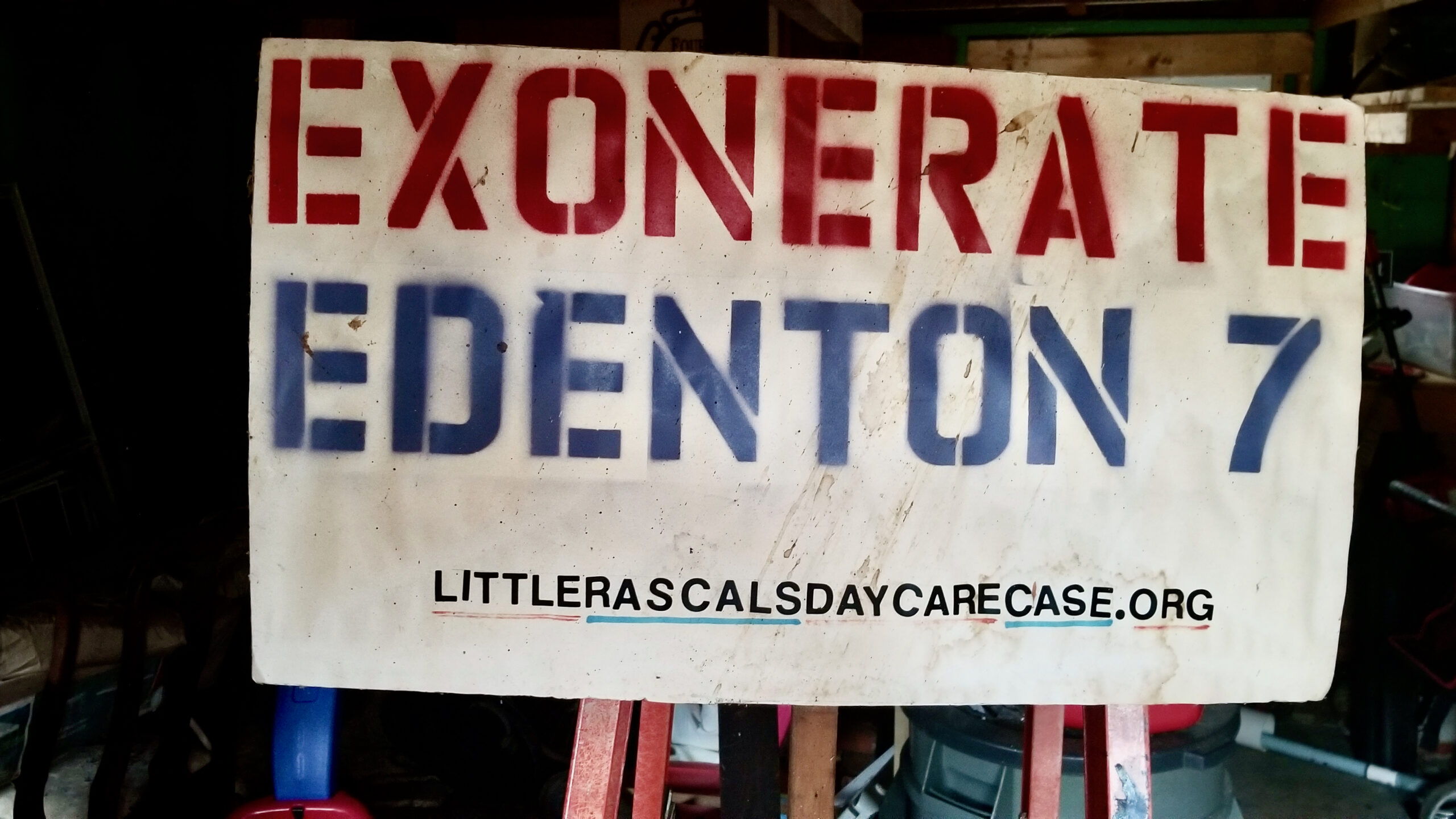
Among the alleged perpetrators: the sheriff and mayor. But prosecutors would charge only Robin Byrum, Darlene Harris, Elizabeth “Betsy” Kelly, Robert “Bob” Kelly, Willard Scott Privott, Shelley Stone and Dawn Wilson – the Edenton 7.
Along with sodomy and beatings, allegations included a baby killed with a handgun, a child being hung upside down from a tree and being set on fire and countless other fantastic incidents involving spaceships, hot air balloons, pirate ships and trained sharks.
By the time prosecutors dropped the last charges in 1997, Little Rascals had become North Carolina’s longest and most costly criminal trial. Prosecutors kept defendants jailed in hopes at least one would turn against their supposed co-conspirators. Remarkably, none did. Another shameful record: Five defendants had to wait longer to face their accusers in court than anyone else in North Carolina history.
Between 1991 and 1997, Ofra Bikel produced three extraordinary episodes on the Little Rascals case for the PBS series “Frontline.” Although “Innocence Lost” did not deter prosecutors, it exposed their tactics and fostered nationwide skepticism and dismay.
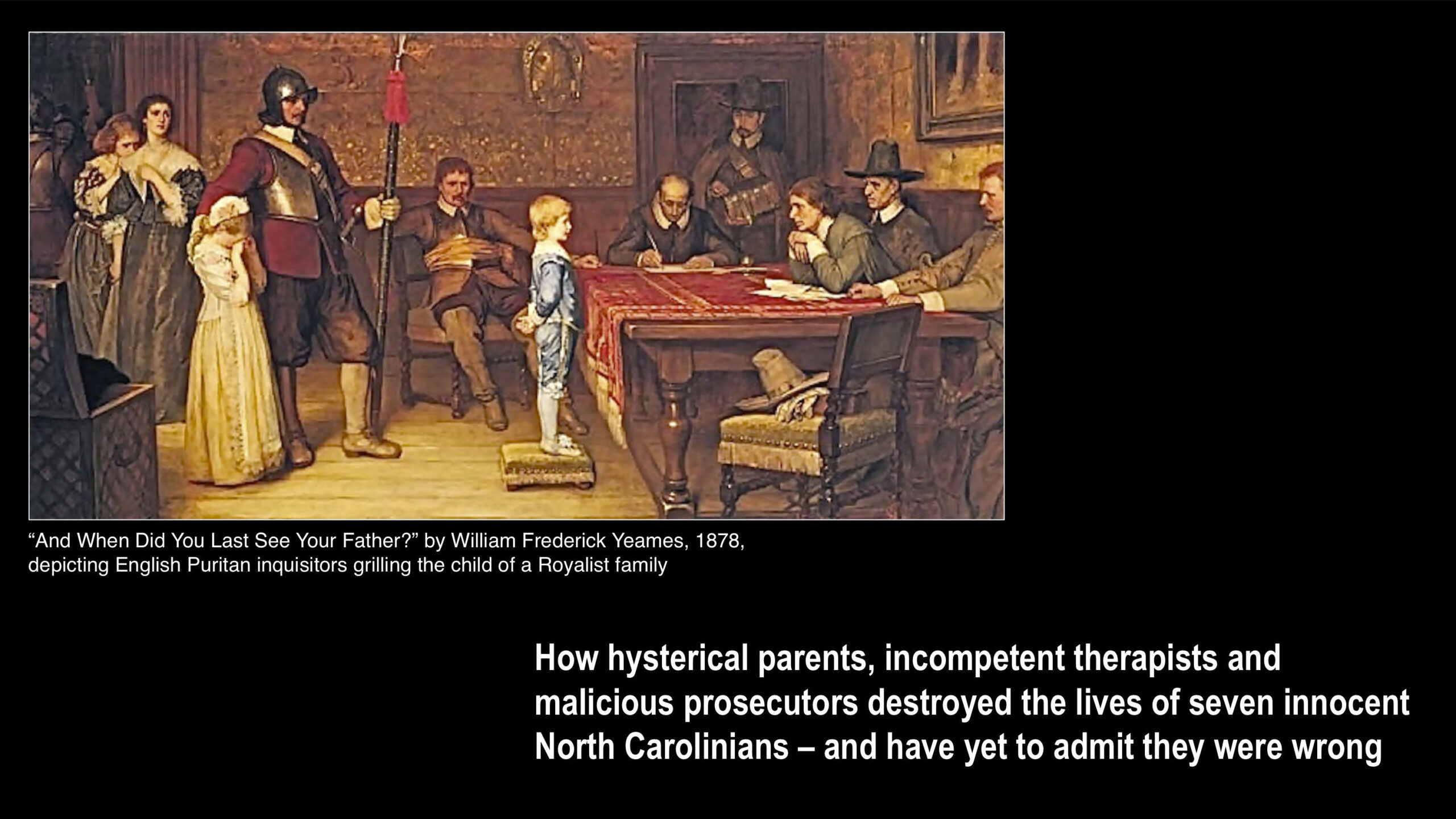
With each passing year, the absurdity of the Little Rascals charges has become more obvious. But no admission of error has ever come from prosecutors, police, interviewers or parents. This site is devoted to the issues raised by this case.
On Facebook


Little Rascals Day Care Case
This Facebook page is an offshoot of littlerascalsdaycarecase.org, which addresses the wrongful prosecution of the Edenton Seven and other such victims.

Meanwhile in Edenton....
This content isn't available right now
When this happens, it's usually because the owner only shared it with a small group of people, changed who can see it or it's been deleted.0 CommentsComment on Facebook
Allies for our cause!
This content isn't available right now
When this happens, it's usually because the owner only shared it with a small group of people, changed who can see it or it's been deleted.0 CommentsComment on Facebook
The courts have a long history of capriciously pulling the rug out from under Junior's appeals, but maybe this time....
This content isn't available right now
When this happens, it's usually because the owner only shared it with a small group of people, changed who can see it or it's been deleted.0 CommentsComment on Facebook
Click for earlier Facebook posts archived on this site
Click to go to

Today’s random selection from the Little Rascals Day Care archives….
‘Will Edenton be able to heal from this?’
 Aug. 7, 2013
“After (the first episode of “Innocence Lost” aired in 1991), letters and phone calls poured into the mayor’s office.
“ ‘Dear Mayor: Thank God I don’t live in Edenton. It’s full of witches…..’
“ ‘Dear Mayor: I suppose since lynching Negroes is verboten, the next best thing is for Southerners to cannibalize each other….’
“John Dowd, Edenton’s mayor at the time, is trying to correct some of the damage done to the town’s reputation….
“Many reporters have wanted to know: ‘Will Edenton be able to heal from this?’ The question is a little too touchy-feely for some residents, too intimate and much too insincere. Dowd replies, ‘Hell, we’ve recovered from the Civil War, from World War II.’ Then, dryly: ‘Yeah, I think we’ll recover from this.’ ”
– From “Little Town of Horrors” by Kathy Dobie in McCall’s (June 1992)
The Civil War, World War II and the Little Rascals Day Care case? The mayor’s resolve was apparent, if not his logic – but that was true for the whole case, wasn’t it?
Chandler’s imprisonment: cruel and unusual
April 28, 2014
Average number of months served by inmates in state prisons…
■ for sexual assault: 35
■ for homicide: 71
■ for rape: 65
Number of months served by Andrew Junior Chandler for an imaginary crime: 324.
Anonymous sympathizer gave $750,000
Nov. 14, 2011
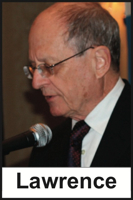 Raymond Lawrence, then director of chaplains for Columbia Presbyterian Hospital in New York, attended Bob Kelly’s trial on several occasions and founded the Committee for Support of the Edenton Seven.
This passage is excerpted from a memoir I asked him to write for littlerascalsdaycare.org:
“One Monday morning on arriving at my office I noted a special delivery overnight package in my mail pile. Just as I walked in, my secretary buzzed me to say I had a long distance call asking whether I had opened the package. I told her to get the number and I would call back.
“Instead, the caller said he would call back. I assumed it was the kind of crank call which often comes to chaplains.
“When I finally turned to the special delivery package, I found inside cashier’s checks made out to various defendants in an amount of about $450,000.
“Finally the donor called back, but he didn’t want his name disclosed to the secretary or anyone else. He felt the case was a witch hunt, and he was in solidarity with the accused. He was a businessman who had made a fortune in the emerging computer industry. A year later he gave another $300,000.
“When I flew to Ohio to meet him, he told me he had a terminal illness, and some years later he died. He was a humble, unassuming man. I was in awe of his sensitivity and generosity.”
Is clinging to error really ‘how science progresses’?
 Nov. 30, 2012
In 1993 (January-February issue), the journal Child Abuse & Neglect published “Sexual Abuse of Children in Day Care Centers” by Susan J. Kelley, Renee Brant and Jill Waterman. This is from the article’s abstract:
“Sexual abuse of children in day care center settings has received considerable attention in the past decade. The nature and extent of allegations of sexual abuse in day care poses unique challenges to clinicians. Cases of sexual abuse in day care typically involve multiple victims and multiple perpetrators, and use of extreme threats to prevent disclosure….”
The article’s misinformation has spread far beyond its original readership. Google Scholar shows “Sexual Abuse of Children in Day Care Centers” to have been cited in other publications no fewer than 36 times, as recently as this year.
I asked Child Abuse & Neglect to publish a retraction.
I received this response from editor-in-chief David A. Wolfe, professor of psychology and psychiatry at the University of Toronto:
“The journal only retracts papers if there are significant errors or other problems, such as plagiarism, health risks etc. Otherwise, it is up to the scientific community to decide when new knowledge or findings would usurp those previously published. This is the case in many areas of research, whereby older (sometimes well-accepted) findings are no longer given credence due to newer findings. It is not feasible or appropriate to remove the previous findings, as that is how science progresses.
“Unless you are aware of specific errors in the 1993 data, rather than drawing different conclusions, the journal would not take any further action.
“I trust this resolves your concerns.”
Well, no, actually it doesn’t. This is what I wrote back to Dr. Wolfe:
“The problem with ‘Sexual Abuse of Children in Day Care Centers’ is not a matter of ‘different conclusions’ being drawn from the data. The entire concept of the article is false: There was never any ‘multiple victim, multiple offender’ sexual abuse in day cares, any more than there was witchcraft in Salem. As has been thoroughly documented by social scientists such as Stephen J. Ceci and Maggie Bruck, and eventually validated in the legal system, all these ritual-abuse cases resulted from a moral panic.
“This passage is from the Retraction Guidelines of the Committee on Publication Ethics: ‘Retraction is a mechanism for correcting the literature and alerting readers to publications that contain such seriously flawed or erroneous data that their findings and conclusions cannot be relied upon. Unreliable data may result from honest error or from research misconduct.’
“And this is from Tom Reller (vice president of global public relations at publisher Elsevier): ‘Our journals, and academia overall, do better when shining a light on bad actors and bad science.’ ”….
“This is my concern, not yours, but ‘bad science’ fostered numerous convictions in Little Rascals, McMartin and other day care prosecutions of the 1980s and early 1990s. A retraction in a journal such as yours would be a significant step toward obtaining true exoneration for these defendants.”
No response from Dr. Wolfe. Maybe he’s reconsidering?