Rascals case in brief
In the beginning, in 1989, more than 90 children at the Little Rascals Day Care Center in Edenton, North Carolina, accused a total of 20 adults with 429 instances of sexual abuse over a three-year period. It may have all begun with one parent’s complaint about punishment given her child.
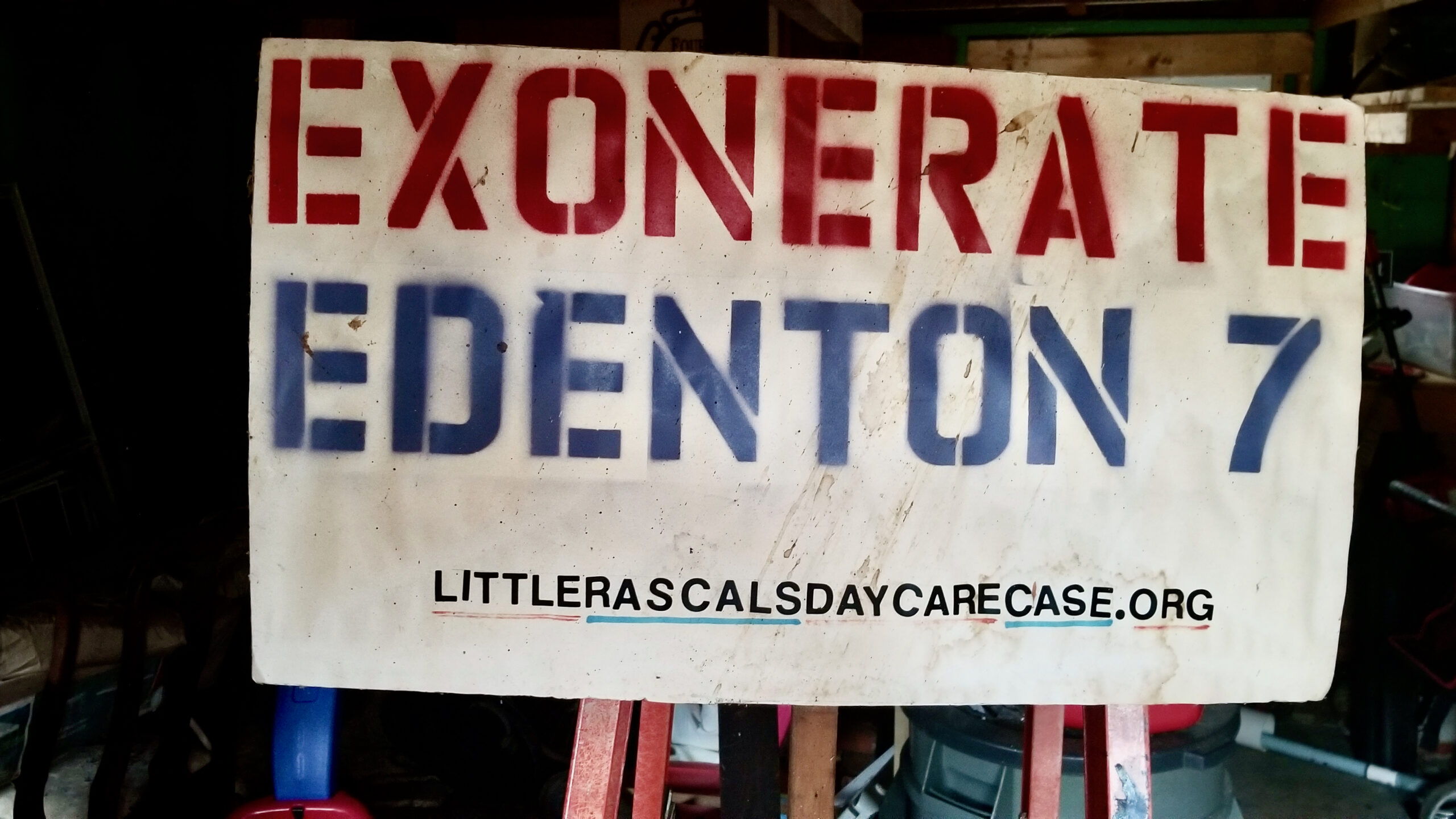
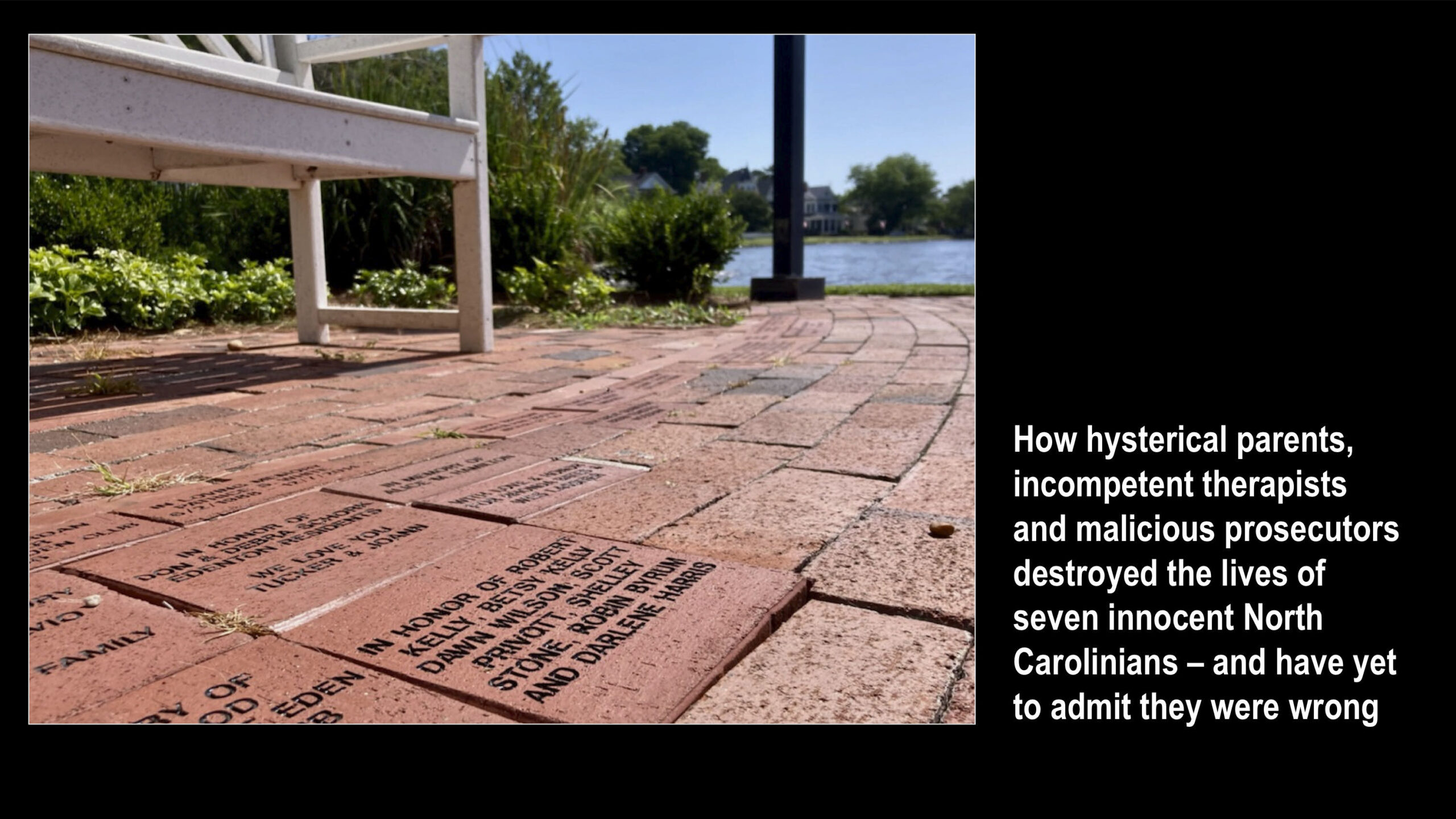
Among the alleged perpetrators: the sheriff and mayor. But prosecutors would charge only Robin Byrum, Darlene Harris, Elizabeth “Betsy” Kelly, Robert “Bob” Kelly, Willard Scott Privott, Shelley Stone and Dawn Wilson – the Edenton 7.
Along with sodomy and beatings, allegations included a baby killed with a handgun, a child being hung upside down from a tree and being set on fire and countless other fantastic incidents involving spaceships, hot air balloons, pirate ships and trained sharks.
By the time prosecutors dropped the last charges in 1997, Little Rascals had become North Carolina’s longest and most costly criminal trial. Prosecutors kept defendants jailed in hopes at least one would turn against their supposed co-conspirators. Remarkably, none did. Another shameful record: Five defendants had to wait longer to face their accusers in court than anyone else in North Carolina history.
Between 1991 and 1997, Ofra Bikel produced three extraordinary episodes on the Little Rascals case for the PBS series “Frontline.” Although “Innocence Lost” did not deter prosecutors, it exposed their tactics and fostered nationwide skepticism and dismay.
With each passing year, the absurdity of the Little Rascals charges has become more obvious. But no admission of error has ever come from prosecutors, police, interviewers or parents. This site is devoted to the issues raised by this case.
On Facebook


Little Rascals Day Care Case
This Facebook page is an offshoot of littlerascalsdaycarecase.org, which addresses the wrongful prosecution of the Edenton Seven and other such victims.

Meanwhile in Edenton....
This content isn't available right now
When this happens, it's usually because the owner only shared it with a small group of people, changed who can see it or it's been deleted.0 CommentsComment on Facebook
Allies for our cause!
This content isn't available right now
When this happens, it's usually because the owner only shared it with a small group of people, changed who can see it or it's been deleted.0 CommentsComment on Facebook
The courts have a long history of capriciously pulling the rug out from under Junior's appeals, but maybe this time....
This content isn't available right now
When this happens, it's usually because the owner only shared it with a small group of people, changed who can see it or it's been deleted.0 CommentsComment on Facebook
Click for earlier Facebook posts archived on this site
Click to go to

Today’s random selection from the Little Rascals Day Care archives….
Surviving tape undercuts officer’s testimony
 May 11, 2012
“One of the attorneys preparing the appeal brief for Mr. Kelly found a tape of an interview with a child that had been taped over with another interview, but retained the last five minutes. The attorney (described Brenda Toppin’s approach as) ‘not only suggestive, but coercive to the point of brutality. The child’s crying and pleas to stop are met only by Ms. Toppin’s promise to stop when the child said what she wanted to hear’….
“(This discovery) is especially shocking because Officer Toppin denied under oath that she was coercive, suggestive or leading in her interviews.”
– From “What I learned from the Edenton Little Rascals sex abuse trial” by
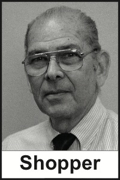
Moisy Shopper, M.D. (in the peer-reviewed journal Psychoanalytic Inquiry, 2009)
Did prosecutors check out AG’s horror movies?
 Aug. 5, 2013
The little-publicized North Carolina Justice Academy describes itself as “one of six divisions of the N.C. Department of Justice under the administration of Attorney General Roy Cooper… charged with improving the professionalism and effectiveness of criminal justice personnel throughout the state, through training and support.”
Among the academy’s services: an audiovisual library (downloadable here) designed “to provide criminal justice personnel in North Carolina with training and public information materials (including) over 2,573 videotapes, CDs and DVD programs….”
And quite a varied collection it is, ranging from the practical (“Body Searches: Clothed and Unclothed,” “Dusting for Latents”) to the uplifting (“Climb the Ladder of Success and Take your Family with You!”) to the wholly unexpected (Abbott and Costello’s “Who’s On First?”).
What caught my attention, however, were such titles and descriptions as these:
- “Devil Worship: The Rise of Satanism” (1989) Former satanists, practicing witches, and law enforcement experts explain the vastness and diversity of the movement. Parents are given clues to determine if their children are involved.
- “Treatment of the Ritually Abused Child” (1992) Sophisticated mind control techniques employed by cult members leave their young victims fearful, confused, and deeply traumatized. The special treatment needs of these children are examined in detail through both session segments and on-camera discussions with the therapists.
- “Satanic Cults and Ritual Crime” (1990) Reveals the symbols used by members of the occult world, highlights criminal activities associated with ritual practices and ceremonies and gives important dates when these crimes are most likely to occur during the year.
Is it possible these documentaries informed the beliefs of the Little Rascals prosecutors? Could Assistant Attorney General Bill Hart have checked them out and hosted a ritual-abuse film festival for Nancy Lamb and H.P. Williams? Sounds crazy, sure – but not a bit crazier than the claims ginned up by the therapists and prosecutors.
Footnote: I had hoped to borrow these films myself – I was especially eager to watch those “on-camera discussions with the therapists” – but a library technician at the Justice Academy told me she was “only allowed to send materials to folks in law enforcement.”
Oh, those spoilsports, voicing ‘disbelief and skepticism’
April 3, 2013
In my fruitless attempt to extract a retraction from the journal Child Abuse & Neglect, I quoted only the abstract of “Sexual Abuse of Children in Day Care Centers” by Susan J. Kelley, Renee Brant and Jill Waterman.
But because the 1993 article continues to be cited in the literature – most recently in the International Journal of Law and Psychiatry – it deserves a more detailed review.
Most offensive to me is the authors’ use of ostensibly sophisticated statistics. For example: “The mean number of different types of sexual acts per child ranged from 5.3 sexual acts per child in (Kathleen Coulborn) Faller’s (1988) sample to 6.6 different types of sexual abuse per child in Kelley’s (1989) study.”
Can’t you just picture the authors’ computers straining under the weight of all their meticulous research? In reality, of course, the “mean number of different types of sexual acts per child” was… zero.
And the anecdotes! What ever were Kelley, Brant and Waterman thinking as their fingers typed such unfounded claims as these:
- “Foreign objects used to penetrate children in day care center cases have included such items and pencils, needles, knives, scissors and crucifixes.”
- “Allegations of pornographic photographs and videos being taken of children in day care center cases sometimes surface…. Unfortunately, in very few cases have law enforcement officials been able to locate the pornography.”
- “Children who have been ritualistically abused describe participation in group ceremonies, use of chants and songs, adults dressed in costumes and masks, threats with supernatural powers….the sacrifice of animals, the ingestion of blood, feces and urine, and murders.”
Despite the authors’ unbridled certitude, they can’t help complaining that “One of the first complications in the evaluation of ritualistic abuse cases is the frequent disbelief and skepticism on the part of the professionals secondary to the bizarre and extreme nature of the allegations.”
“Complications,” indeed.
Prosecutors’ motto: But they’re still guilty!
Jan. 20, 2012
Although the West Memphis Three weren’t day care workers, their notorious case – most recently updated in HBO’s “Paradise Lost 3: Purgatory” – holds obvious parallels to that of the Edenton 7.
In both courtrooms voodoo justice ruled.
Most poignant to me, however, is that prosecutors in Arkansas and North Carolina shared a dedication to ensuring the defendants’ long-overdue release bore the least possible resemblance to exoneration.
In August 2011 the West Memphis Three were required to enter an Alford plea, maintaining their innocence but acknowledging that sufficient evidence existed to convict them.
On May 23, 1997, Nancy Lamb announced the decision not to challenge the overturned convictions of Bob Kelly and Dawn Wilson in order to “allow wounds to heal…. The paramount thing is not having to drag these children through this again.” Her timing seemed aimed – futilely, as it turned out – at averting the national outrage that would come four days later with the airing of the final episode of “Innocence Lost.”
Two years later, when the last charges against Kelly were dismissed, here’s how Joseph Neff of the News & Observer described the scene:
“The prosecutors in the longest, most expensive criminal case in North Carolina history picked a day when all attention was focused elsewhere to quietly throw in the towel.
“It was Sept. 15, as Hurricane Floyd churned northward toward landfall the next day, that Assistant District Attorney Nancy Lamb filed a two-page document with the Clerk of Superior Court in Edenton, dismissing eight counts of sexual abuse against Robert Kelly.”