Rascals case in brief
In the beginning, in 1989, more than 90 children at the Little Rascals Day Care Center in Edenton, North Carolina, accused a total of 20 adults with 429 instances of sexual abuse over a three-year period. It may have all begun with one parent’s complaint about punishment given her child.
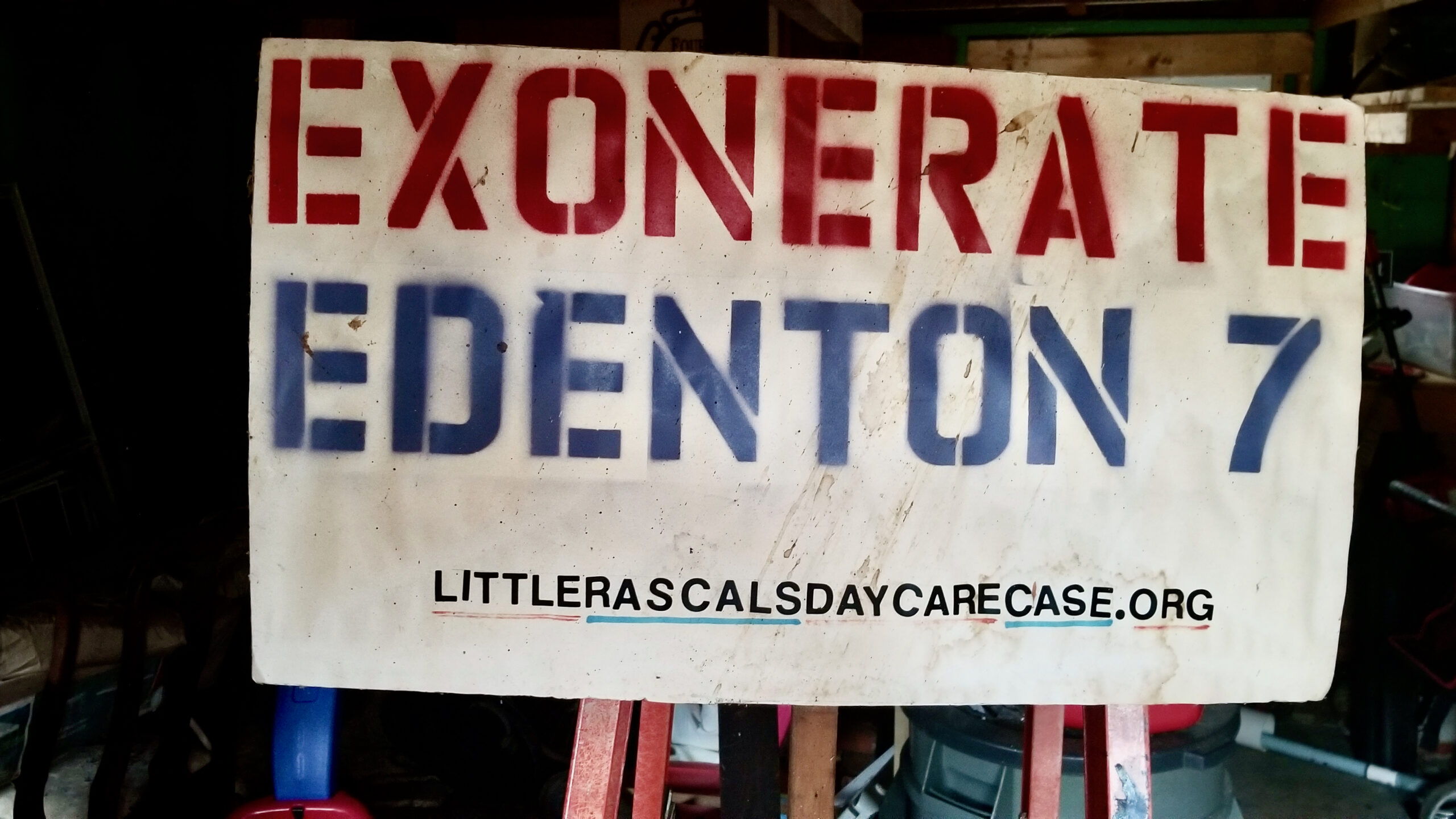
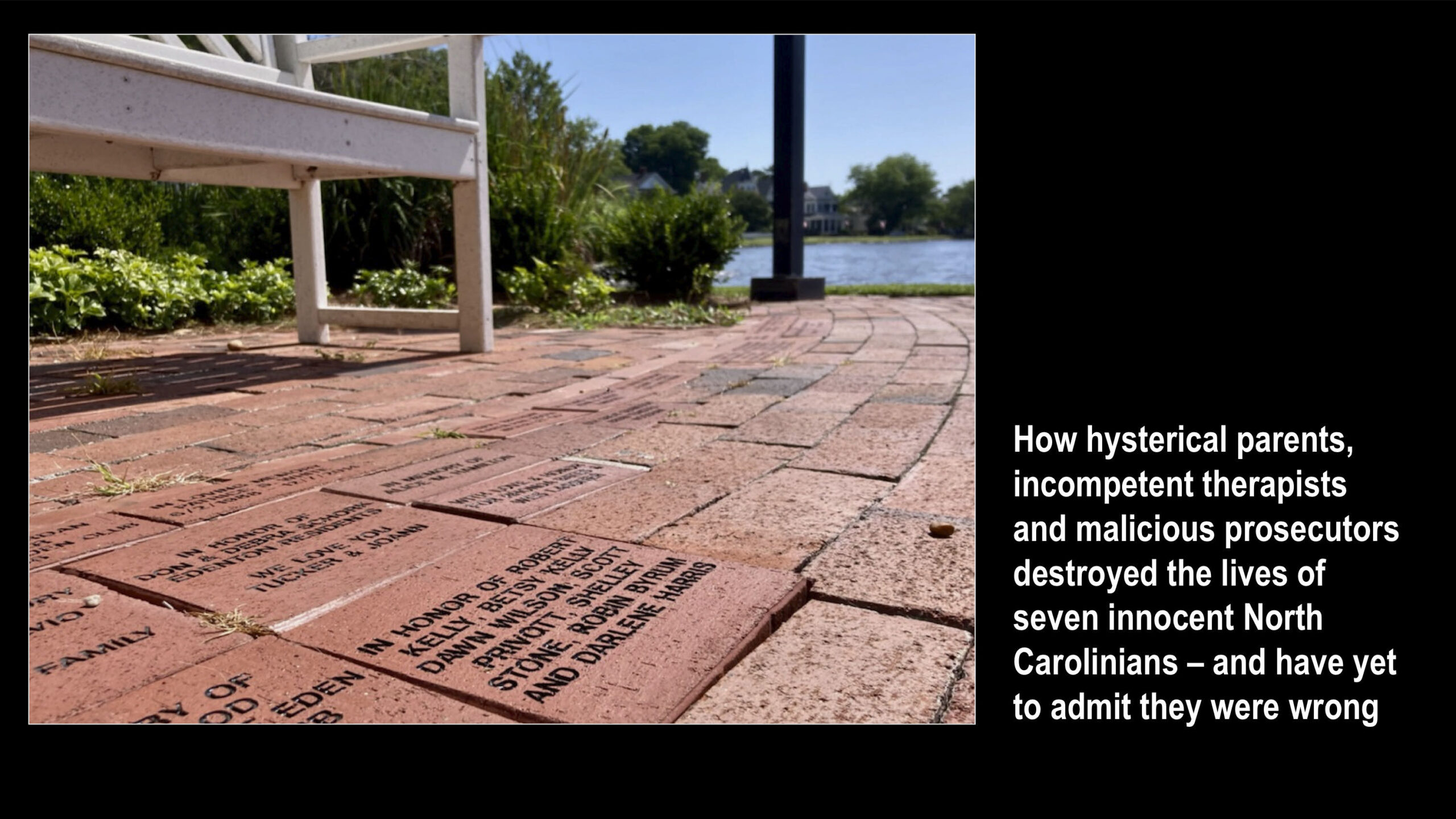
Among the alleged perpetrators: the sheriff and mayor. But prosecutors would charge only Robin Byrum, Darlene Harris, Elizabeth “Betsy” Kelly, Robert “Bob” Kelly, Willard Scott Privott, Shelley Stone and Dawn Wilson – the Edenton 7.
Along with sodomy and beatings, allegations included a baby killed with a handgun, a child being hung upside down from a tree and being set on fire and countless other fantastic incidents involving spaceships, hot air balloons, pirate ships and trained sharks.
By the time prosecutors dropped the last charges in 1997, Little Rascals had become North Carolina’s longest and most costly criminal trial. Prosecutors kept defendants jailed in hopes at least one would turn against their supposed co-conspirators. Remarkably, none did. Another shameful record: Five defendants had to wait longer to face their accusers in court than anyone else in North Carolina history.
Between 1991 and 1997, Ofra Bikel produced three extraordinary episodes on the Little Rascals case for the PBS series “Frontline.” Although “Innocence Lost” did not deter prosecutors, it exposed their tactics and fostered nationwide skepticism and dismay.
With each passing year, the absurdity of the Little Rascals charges has become more obvious. But no admission of error has ever come from prosecutors, police, interviewers or parents. This site is devoted to the issues raised by this case.
On Facebook


Little Rascals Day Care Case
This Facebook page is an offshoot of littlerascalsdaycarecase.org, which addresses the wrongful prosecution of the Edenton Seven and other such victims.

Meanwhile in Edenton....
This content isn't available right now
When this happens, it's usually because the owner only shared it with a small group of people, changed who can see it or it's been deleted.0 CommentsComment on Facebook
Allies for our cause!
This content isn't available right now
When this happens, it's usually because the owner only shared it with a small group of people, changed who can see it or it's been deleted.0 CommentsComment on Facebook
The courts have a long history of capriciously pulling the rug out from under Junior's appeals, but maybe this time....
This content isn't available right now
When this happens, it's usually because the owner only shared it with a small group of people, changed who can see it or it's been deleted.0 CommentsComment on Facebook
Click for earlier Facebook posts archived on this site
Click to go to

Today’s random selection from the Little Rascals Day Care archives….
When rationalizing is mistaken for reasoning
 June 2, 2015
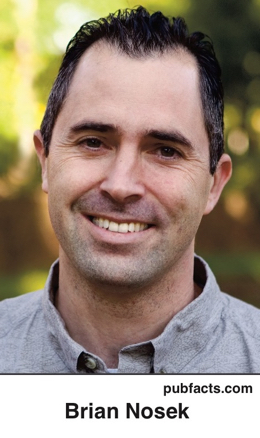
“Psychologist Brian Nosek of the University of Virginia says that the most common and problematic bias in science is ‘motivated reasoning’: We interpret observations to fit a particular idea.
“Psychologists have shown that ‘most of our reasoning is in fact rationalization,’ he says. In other words, we have already made the decision about what to do or to think, and our ‘explanation’ of our reasoning is really a justification for doing what we wanted to do – or to believe – anyway.”
– From “The Trouble With Scientists: How one psychologist is tackling human biases in science” by Philip Ball at Nautilus (May 14)
“Motivated reasoning” ran amok during the “satanic ritual abuse” day-care panic, resulting in journal articles such as “Stress Responses of Children to Sexual Abuse and Ritualistic Abuse in Day Care Centers” and “Satanic Ritual Abuse: A Cause of Multiple Personality Disorder” – and legitimizing testimony by the prosecution’s expert witnesses.
Not surprisingly, Dr. Nosek has found examples of “motivated reasoning” in claims of recovered memory.
“In my intro psych course,” he told me, “I have one lecture that is centered around Lawrence Wright’s fascinating ‘Remembering Satan’….” (about a 1988 case in Olympia, Wash., involving not only SRA allegations but also false confession).
Where do you stand, Edenton, on the Little Rascals case?
May 17, 2018
In recent years the Little Rascals Day Care case, probably the most significant event in Edenton in the 20th century, seems to have been a taboo subject in the local Chowan Herald and in the Daily Advance of Elizabeth City. I’m grateful that the Herald has published my letter to the editor in this week’s edition:
 “In the 1990s the town of Edenton was torn apart by the Little Rascals Day Care case, in which seven local people were accused of ‘satanic ritual abuse’ of dozens of children. The case attracted reporters from the New York Times and Washington Post and received eight hours of documentary coverage on PBS’s “Frontline” series. Co-owner Bob Kelly’s trial was the longest and costliest in North Carolina history. After Kelly served six years in prison and cook Dawn Wilson three, their convictions were overturned.
“The Duke University Law School Library recently opened to researchers an exhibit and archive on the Little Rascals case, including the transcript of Bob Kelly’s trial and numerous other documents. ‘The case is one example of the preoccupation with perceived abuse taking place at daycares and preschools in the 1980s and 1990s,’ Duke wrote in its announcement. ‘Often, these cases also involved allegations of Satanism or devil worship. Like the Little Rascals case, most of these daycare abuse accusations turned out to be false.
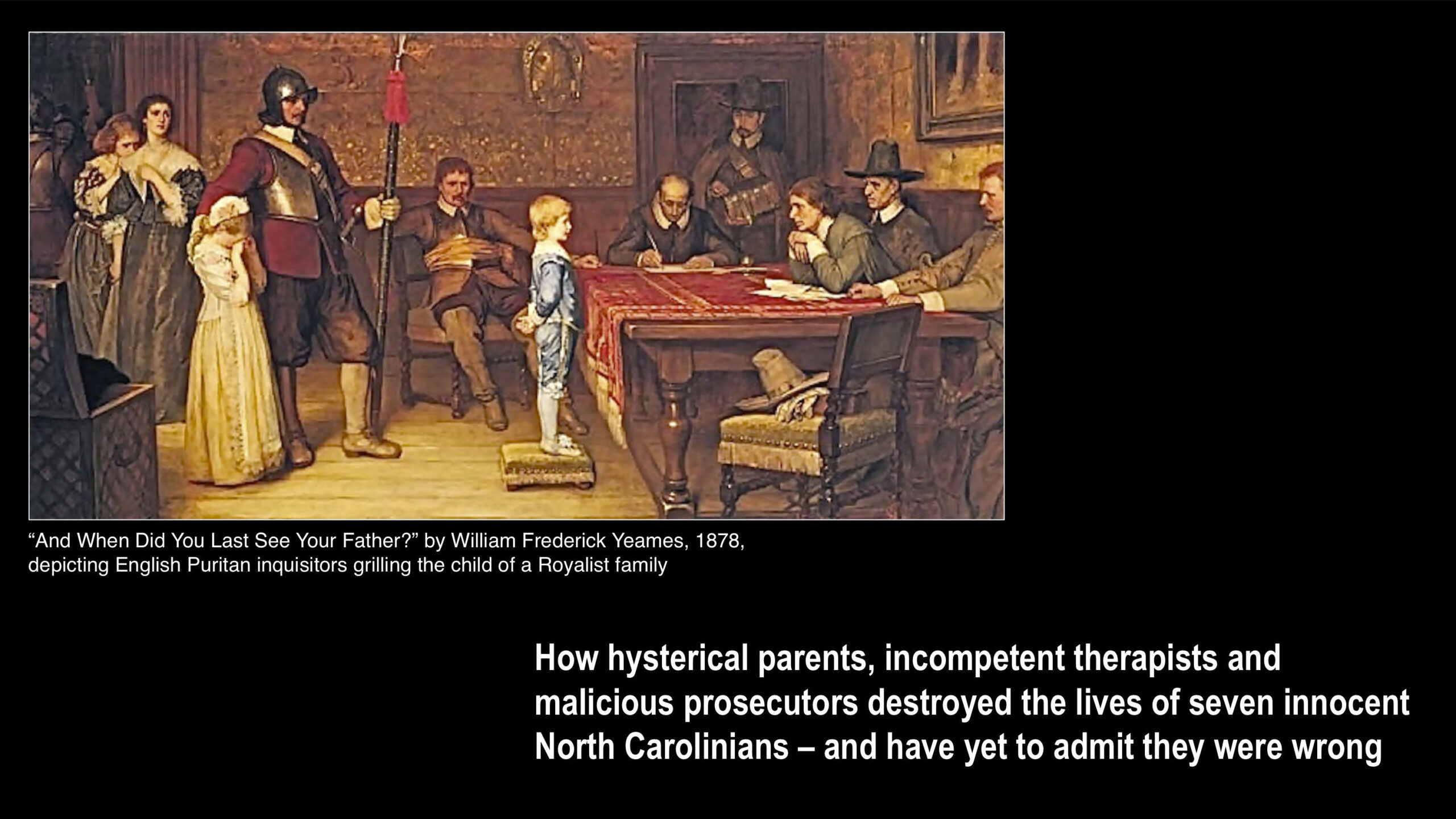
“Today no reputable psychologist, social scientist or legal expert will argue otherwise. From Wikipedia to the National Registry of Exonerations, the defendants in cases such as Little Rascals are recognized as innocent victims of a bizarre ‘moral panic’ that bore striking similarities to the Salem witch hunts 300 years earlier.
“During the years-long prosecution of the Edenton Seven, townspeople were divided family vs. family, friends vs. friends. Today the former Little Rascals Day Care Center is being converted into housing – is that what would happen if townspeople believed it was the site of mass molestation of their children? So where now does Edenton stand?”

Prosecutor believed he had closed the deal early on
March 22, 2013
“’There are some people who said we could have stopped after the first child testified.”
– District Attorney H.P. Williams Jr., expressing confidence that the jury was being persuaded by the state’s stream of child-witnesses against Bob Kelly, The Associated Press, Dec. 9, 1991
What prosecutors didn’t (want to) know
Sept. 17, 2012
I don’t doubt that prosecutors asked themselves many questions during the course of the Little Rascals case. “Think it’s gonna rain tomorrow, Nancy?” Or maybe “You want anchovies on yours, Bill?”
On more relevant issues, however, they seem to have been remarkably incurious. For instance….
■ Why did none of the defendants in the state’s biggest sex-abuse case have any history of sex crimes?
■ When sex-abusers of children are almost always men, why were five of the Edenton Seven women?
■ Why was there a complete absence of physical evidence?
■ Why did none of the frequently cited child-porn photographs ever turn up?
■ At a day care where parents came and went often and unpredictably, why did not one adult ever report anything suspicious?
■ Why was every child seen by prosecution therapists determined to have been abused, but none of those seen by out-of-town therapists?
■ When criminal conspiracies almost always collapse at the first offer of a plea deal, why did none of these defendants agree to point a finger at the others?
■ Could it really be just coincidence that these allegations surfaced so soon after a day-care ritual-abuse seminar attended by the Edenton police officer who would lead the investigation?
For prosecutors to have raised such questions, of course, would risk recognizing their career-making case as a colossal sham. Better to stay blindered and to forge ahead….