Rascals case in brief
In the beginning, in 1989, more than 90 children at the Little Rascals Day Care Center in Edenton, North Carolina, accused a total of 20 adults with 429 instances of sexual abuse over a three-year period. It may have all begun with one parent’s complaint about punishment given her child.
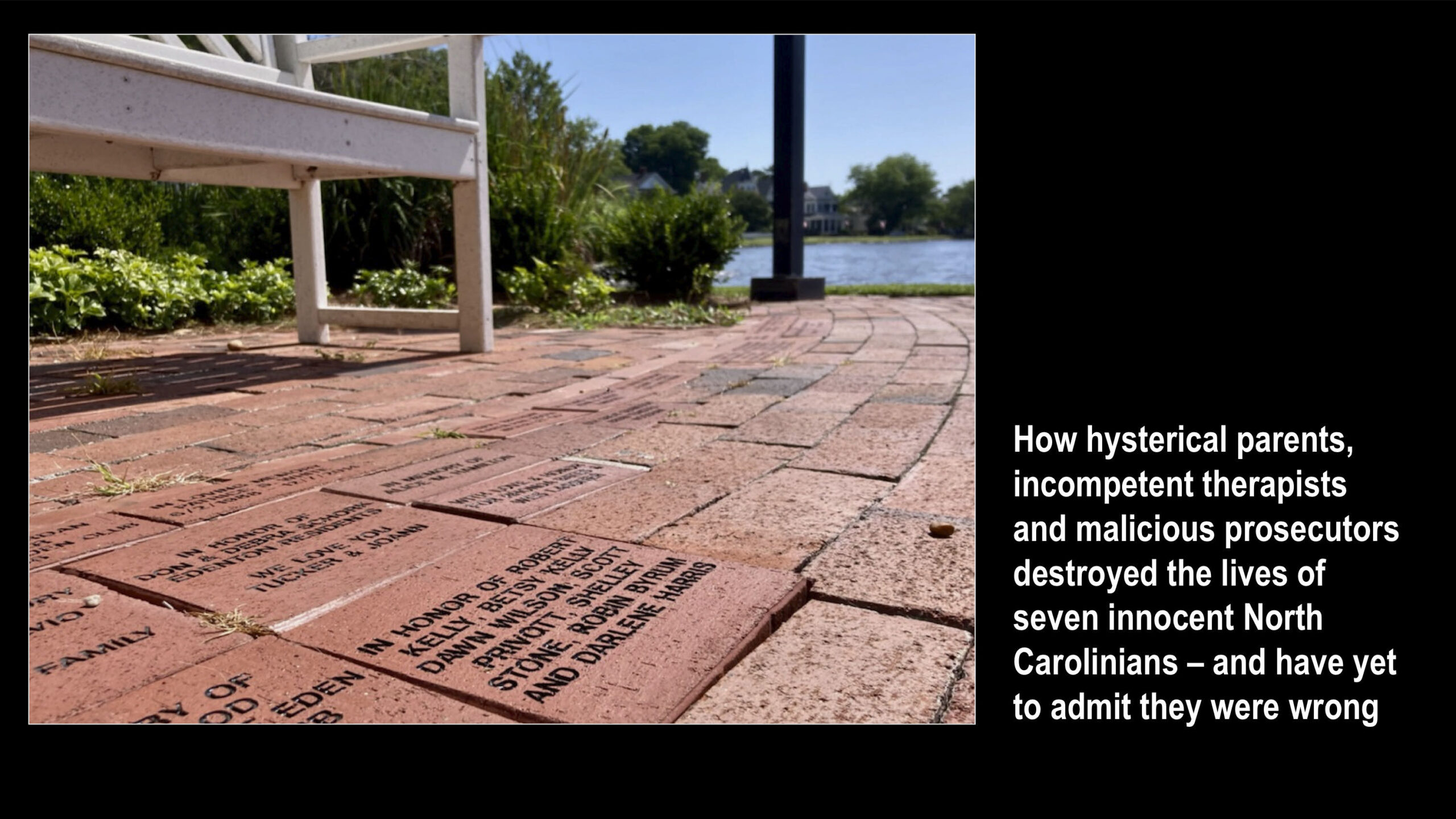
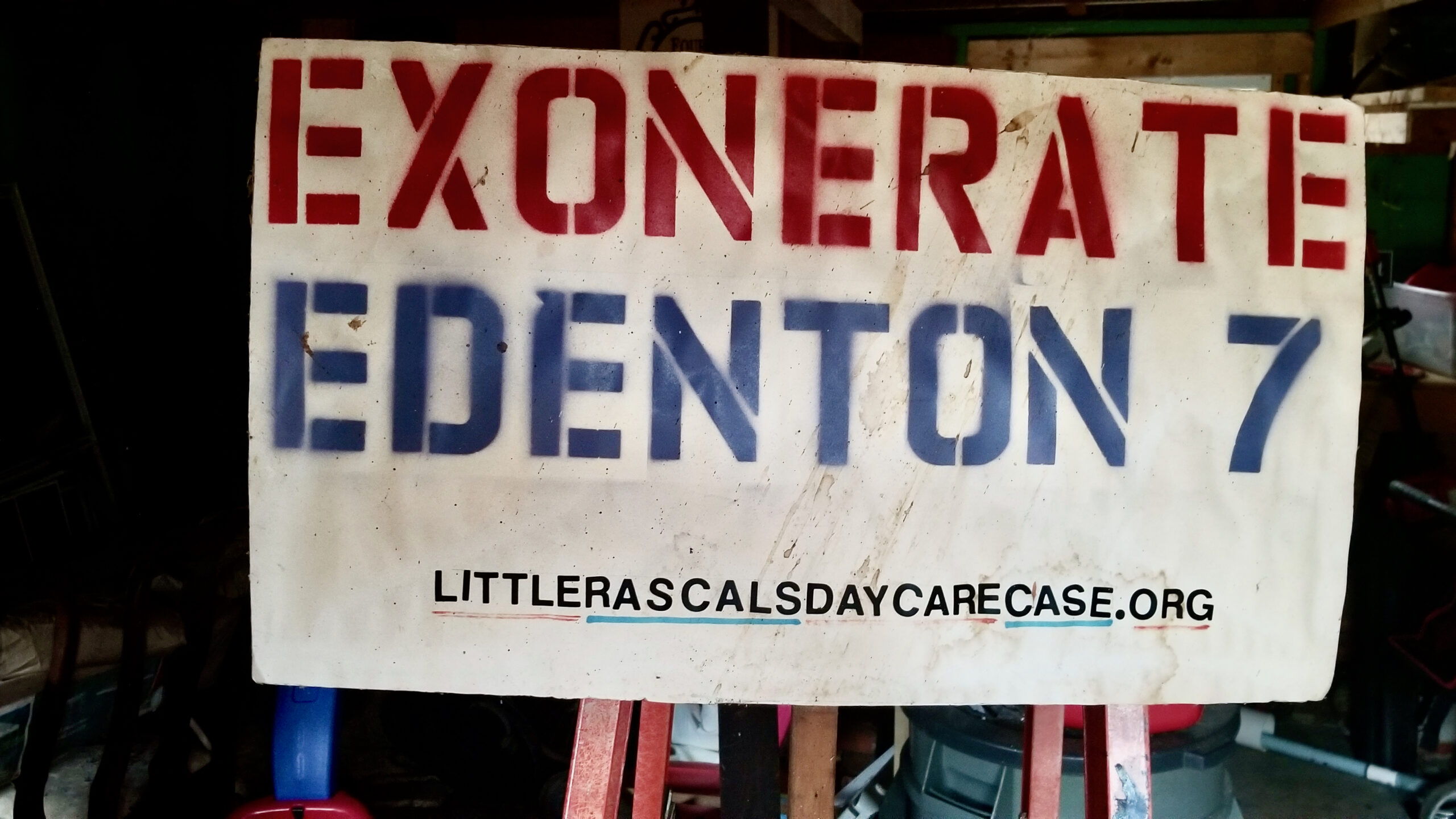
Among the alleged perpetrators: the sheriff and mayor. But prosecutors would charge only Robin Byrum, Darlene Harris, Elizabeth “Betsy” Kelly, Robert “Bob” Kelly, Willard Scott Privott, Shelley Stone and Dawn Wilson – the Edenton 7.
Along with sodomy and beatings, allegations included a baby killed with a handgun, a child being hung upside down from a tree and being set on fire and countless other fantastic incidents involving spaceships, hot air balloons, pirate ships and trained sharks.
By the time prosecutors dropped the last charges in 1997, Little Rascals had become North Carolina’s longest and most costly criminal trial. Prosecutors kept defendants jailed in hopes at least one would turn against their supposed co-conspirators. Remarkably, none did. Another shameful record: Five defendants had to wait longer to face their accusers in court than anyone else in North Carolina history.
Between 1991 and 1997, Ofra Bikel produced three extraordinary episodes on the Little Rascals case for the PBS series “Frontline.” Although “Innocence Lost” did not deter prosecutors, it exposed their tactics and fostered nationwide skepticism and dismay.
With each passing year, the absurdity of the Little Rascals charges has become more obvious. But no admission of error has ever come from prosecutors, police, interviewers or parents. This site is devoted to the issues raised by this case.
On Facebook


Little Rascals Day Care Case
This Facebook page is an offshoot of littlerascalsdaycarecase.org, which addresses the wrongful prosecution of the Edenton Seven and other such victims.

Meanwhile in Edenton....
This content isn't available right now
When this happens, it's usually because the owner only shared it with a small group of people, changed who can see it or it's been deleted.0 CommentsComment on Facebook
Allies for our cause!
This content isn't available right now
When this happens, it's usually because the owner only shared it with a small group of people, changed who can see it or it's been deleted.0 CommentsComment on Facebook
The courts have a long history of capriciously pulling the rug out from under Junior's appeals, but maybe this time....
This content isn't available right now
When this happens, it's usually because the owner only shared it with a small group of people, changed who can see it or it's been deleted.0 CommentsComment on Facebook
Click for earlier Facebook posts archived on this site
Click to go to

Today’s random selection from the Little Rascals Day Care archives….
Kelly defenders risked ‘financial and social suicide’
July 13, 2015
Throughout the long unfolding of the Little Rascals Day Care prosecution, outsiders often sought to determine the “mood of Edenton.” This was a challenging task even in the early days of the case, and it became just about impossible after the first “Innocence Lost” episode cast the town in a starkly unflattering light.
The default response to anyone with a notepad: Go away.
In 1996, however, a defense attorney weighing Edenton as a site for Bob Kelly’s possible retrial had better luck. His case notes include this candid and chilling evaluation from a longtime Edentonian:
“(The resident) didn’t believe that any of the defendants, but especially Bob, had a chance of getting a fair trial in Edenton. Although the constant talk of Little Rascals has died down, he said people still wouldn’t dare mention the idea of innocence. He believes that probably half of (Chowan County) either doesn’t believe Bob did it or at least not to the extent alleged. He believes the largest group of ‘nonbelievers’ to be those of lesser means, and especially minorities.
“He said that anyone of means or in any type of business in town would be committing financial and social suicide if they voiced any belief in Bob’s innocence.
“He said that even if he knew Bob to be innocent, or less guilty than charged, he would have a hard time voting so as a juror in light of the lifelong social repercussions. If there was even one or two jurors who believed Bob was guilty, they would be able to pressure everyone else into voting with them….”
Parents ill-prepared to practice psychology
Nov. 28, 2011
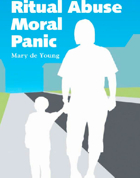 “The Little Rascals case offers a trove of testimony illustrating how immersion into the popular psychology of sexual abuse gave parent-experts the terms and concepts to retrospectively interpret their children’s behaviors and emotions, and to do so with the ring of authority….
“One mother testified that once she had learned the psychology of sexual abuse, she realized her child’s denial that anything untoward had happened at the day care center actually was a sign that he had been sexually abused.”
– From “The Day Care Ritual Abuse Moral Panic” by Mary De Young (2004)
Who killed the ritual abuse day care panic?
 April 9, 2012
“Where do epidemics go when they die?…. Have all the sadistic pedophiles closed down their day-care centers?”
– From “Mistakes Were Made (But Not by Me)” by Carol Tavris and Elliot Aronson
I asked Mary de Young, author of “The Day Care Ritual Abuse Moral Panic,” whether this epidemic might have gasped its last in Edenton as a result of “Innocence Lost.”
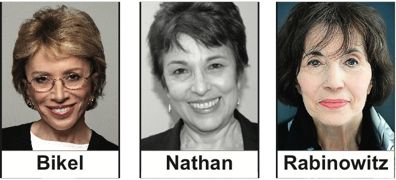
“Ofra Bikel certainly pounded a nail in its coffin,” De Young said. “Her excellent work on the Little Rascals case appeared after the last day care ritual abuse case was prosecuted, but she created a reason to be profoundly skeptical of all the cases that came before.
“I would give a lot of credit to Debbie Nathan (Village Voice) and Dorothy Rabinowitz (Wall Street Journal) for bringing an end to this craziness, but to be honest I think the moral panic really collapsed under its own weight – i.e., it was impossible to sustain these allegations in the absence of evidence, as well as to sustain the suspended disbelief that was required.”
How one DA refused to yield to madness
Dec. 12, 2011
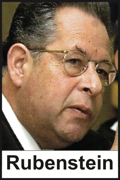 “(In 1989) when the Breezy Point Day School in Langhorne, Pennsylvania, was subjected to an elaborate skein of charges of satanic and ritualistic sex abuse (District Attorney Alan) Rubenstein mounted an immediate, aggressive investigation of the evidence supporting each allegation.
“He took up the rug at the school where rabbits were alleged to have been ritually sacrificed and sent it to (an independent toxicology) lab for analysis; no rabbit blood was found.
“He sifted the school sandbox for evidence of allegedly sacrificed and mutilated animals; no traces were found.
“He had the children alleged to have been raped and beaten interviewed apart from their frenzied parents and without the assistance of the ubiquitous (Roland) Summit-trained ‘sex therapists;’ none were found to have been abused.
“One of the child ‘victims,’ whose videotaped ‘disclosure’ was key to the original allegations, actually objected to being transferred to another school, claiming she ‘liked Breezy Point.’
“Rubenstein firmly resisted hysterical parents and the public clamor for arrests. As a result of his courage and integrity, and his thorough, timely and scientific investigations, all charges of abuse at Breezy Point quickly evaporated.”
– From “Sexual Liberation: The Scandal of Christendom” by Raymond J. Lawrence (2007)
Striking, isn’t it, to see the prosecutor in a day-care abuse case say “Wait just a minute, let’s check this out” rather than falling all over himself to round up a coffle of suspects.
Later this week I’ll be checking in with Doug Wiik, owner of Breezy Point and a key member of the Committee for Support of the Edenton Seven, and with former District Attorney Rubenstein.