Rascals case in brief
In the beginning, in 1989, more than 90 children at the Little Rascals Day Care Center in Edenton, North Carolina, accused a total of 20 adults with 429 instances of sexual abuse over a three-year period. It may have all begun with one parent’s complaint about punishment given her child.
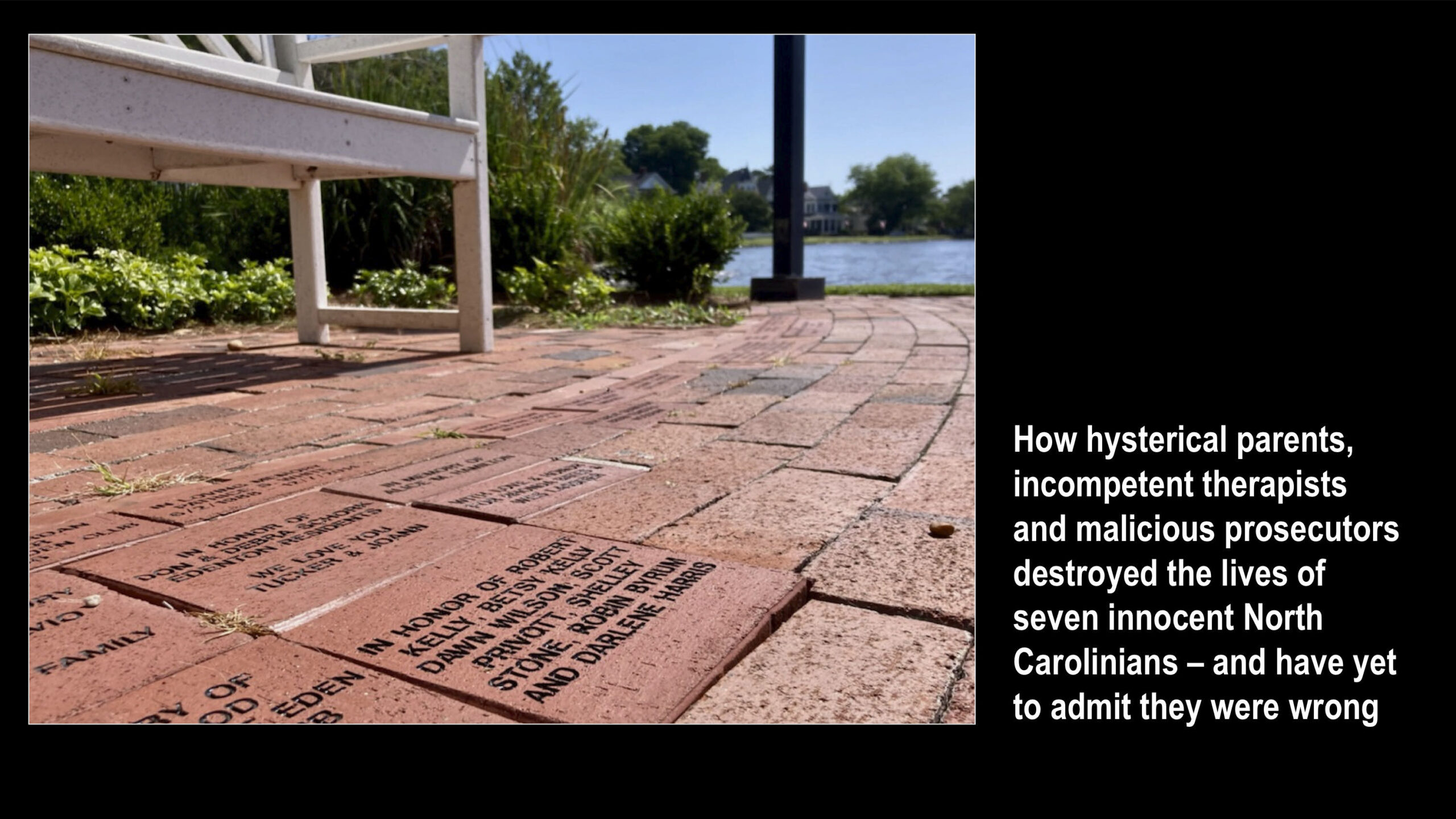
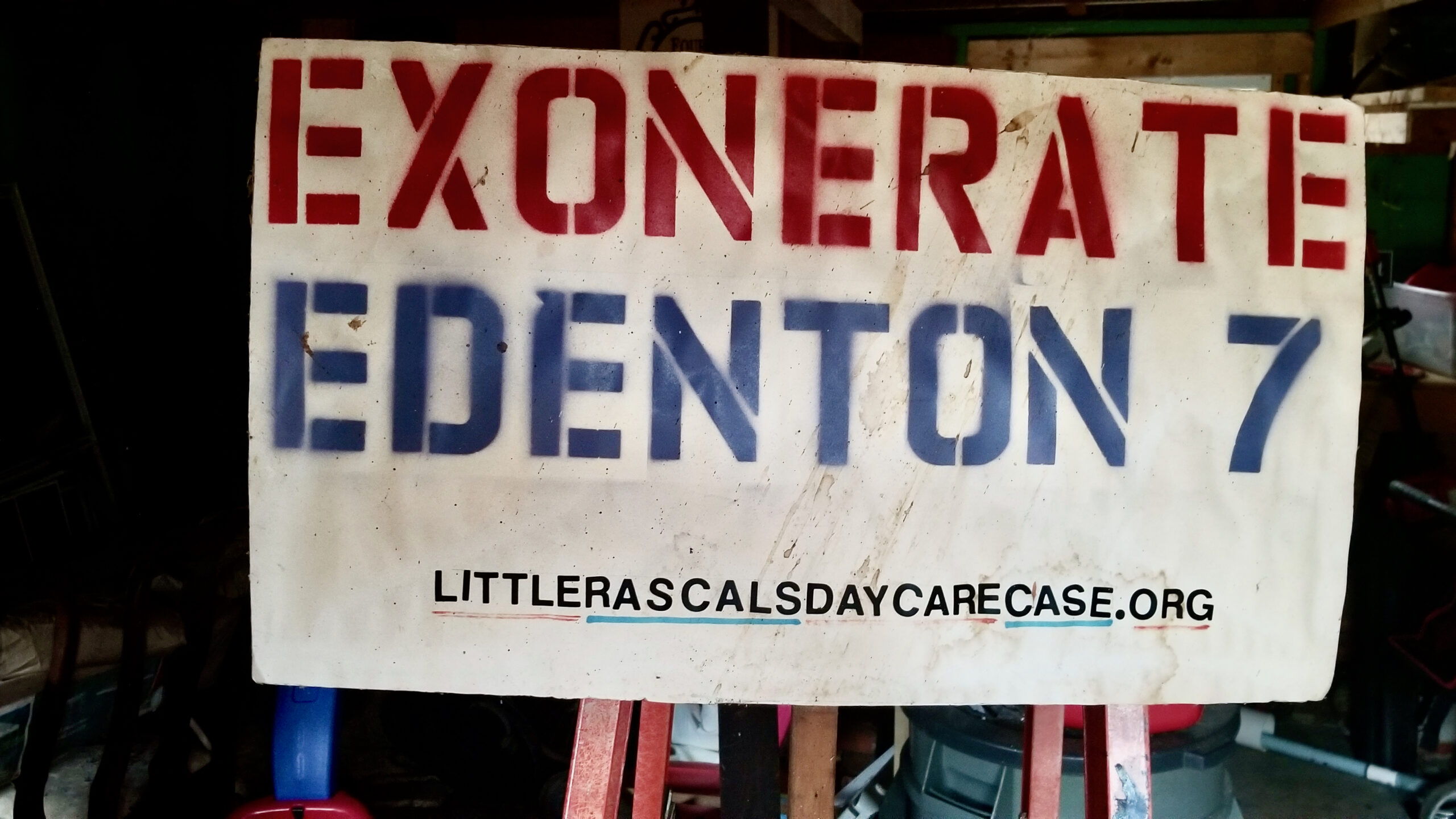
Among the alleged perpetrators: the sheriff and mayor. But prosecutors would charge only Robin Byrum, Darlene Harris, Elizabeth “Betsy” Kelly, Robert “Bob” Kelly, Willard Scott Privott, Shelley Stone and Dawn Wilson – the Edenton 7.
Along with sodomy and beatings, allegations included a baby killed with a handgun, a child being hung upside down from a tree and being set on fire and countless other fantastic incidents involving spaceships, hot air balloons, pirate ships and trained sharks.
By the time prosecutors dropped the last charges in 1997, Little Rascals had become North Carolina’s longest and most costly criminal trial. Prosecutors kept defendants jailed in hopes at least one would turn against their supposed co-conspirators. Remarkably, none did. Another shameful record: Five defendants had to wait longer to face their accusers in court than anyone else in North Carolina history.
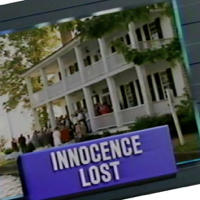
Between 1991 and 1997, Ofra Bikel produced three extraordinary episodes on the Little Rascals case for the PBS series “Frontline.” Although “Innocence Lost” did not deter prosecutors, it exposed their tactics and fostered nationwide skepticism and dismay.
With each passing year, the absurdity of the Little Rascals charges has become more obvious. But no admission of error has ever come from prosecutors, police, interviewers or parents. This site is devoted to the issues raised by this case.
On Facebook


Little Rascals Day Care Case
This Facebook page is an offshoot of littlerascalsdaycarecase.org, which addresses the wrongful prosecution of the Edenton Seven and other such victims.

Meanwhile in Edenton....
This content isn't available right now
When this happens, it's usually because the owner only shared it with a small group of people, changed who can see it or it's been deleted.0 CommentsComment on Facebook
Allies for our cause!
This content isn't available right now
When this happens, it's usually because the owner only shared it with a small group of people, changed who can see it or it's been deleted.0 CommentsComment on Facebook
The courts have a long history of capriciously pulling the rug out from under Junior's appeals, but maybe this time....
This content isn't available right now
When this happens, it's usually because the owner only shared it with a small group of people, changed who can see it or it's been deleted.0 CommentsComment on Facebook
Click for earlier Facebook posts archived on this site
Click to go to

Today’s random selection from the Little Rascals Day Care archives….
Kids say the darndest things… eventually
 April 24, 2015
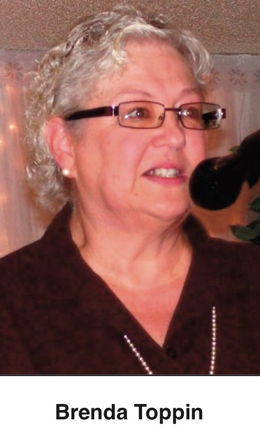
“As was made clear repeatedly upon testimony by experts, the very first reports of the children were the ones that would be most critical in determining whether sexual abuse had indeed occurred. Yet in the first interviews, the children said almost nothing of any interest with regard to sexual abuse, and the police officer who conducted these hearings destroyed all of her notes and all of her tapes of what happened before the case went to court. She was approached by several of the mothers initially because she had taken a short course in investigating cases of child abuse.
“Officer (Brenda) Toppin was crucial to the whole process because she was the one who escalated the case from a minor complaint by one parent into a case of massive sexual abuse of dozens of children by scores of day-care workers.”
– From “Understanding The Crucible: A Student Casebook to Issues, Sources, and Historical Documents” by Claudia Durst Johnson and Vernon Johnson (1998)
Time for Truth and Reconciliation Commission
Three years ago a former Edenton resident told me: “The town leaders still have some things to answer for about Little Rascals, and I suspect that until there is a process of reconciliation, the town will remain a troubled place, though it does a good job putting on a facade.”
Edenton will elect its town officials Nov. 5. The predominant issues – population decline and the lack of a second supermarket – are clearly important, but I want to add another. This is from a query I sent all the candidates:
I don’t live in Edenton, but I’m reaching out to candidates for mayor and town council about a local issue of historic importance.
The Little Rascals Day Care case was Edenton’s most significant event of the 20th Century. The trial of Robert Kelly remains the longest and most expensive in North Carolina history. He served six years in prison before the North Carolina Court of Appeals overturned his conviction and that of Dawn Wilson. The lives of Kelly, Wilson and the five other defendants were profoundly harmed over allegations of “satanic ritual abuse” of children in their care.
The Little Rascals case, most prominently covered by eight hours of documentary coverage on PBS’s “Frontline,” also did nationwide damage to the town’s reputation. But Edenton has never reexamined, much less made amends for, the wrongful prosecution of the Edenton Seven. One way to move forward would be to create a Truth and Reconciliation Commission.
Fact-finding, non-judicial truth commissions first appeared in the 1970s and have since been used to foster honest discussion and to encourage reconciliation in the aftermath of community conflict.
In North Carolina the Greensboro Truth and Reconciliation Commission was an independent, seven-member body that sought to heal a city left divided and weakened by the “Greensboro Massacre” of 1979. The parallel to Edenton is inexact but undeniable.
If elected, would you consider supporting a Truth and Reconciliation Commission to address Edenton’s continuing divide over the Little Rascals Day Care case? Thank you for your time and attention. And good luck in your campaign.
The two candidates who have responded so far seem at least cautiously open to the idea. One day the Town of Edenton will surely find the courage to embark on its long-avoided “process of reconciliation” – let’s hope the Edenton Seven are around to see it.’
25 years ago: ‘Innocence Lost’ debuts
 May 7, 2016
Twenty-five years ago today, “Frontline” aired Ofra Bikel’s landmark two-hour documentary on the Little Rascals Day Care case. It turned out to be the first of three installments over the next six years.
About the “satanic ritual abuse” day-care panic of the 1980s and early ’90s, historian Mary De Young says:
“Ofra Bikel certainly pounded a nail in its coffin. Her excellent work on the Little Rascals case appeared after the last day care ritual abuse case was prosecuted, but she created a reason to be profoundly skeptical of all the cases that came before.”
“Innocence Lost” is unavailable on DVD, but you can view all eight hours here.

‘Fear of closets’? Get that child to a therapist!
Oct. 22, 2012
In the Dark Ages of social science – the 1980s, give or take a few years — unfounded concepts were treated as received truth: satanic ritual abuse (later recast as sadistic ritual abuse), multiple personality disorder (later, dissociative identity disorder), repressed memory syndrome.
On what possible grounds did California clinical psychologist Catherine Gould determine that satanic ritual abuse was indicated by a child’s “Refusal to eat red or brown food” or “Fear of closets and small spaces” or “Preoccupation with cleanliness”? Did this crazy quilt of symptoms come to her in a hallucination.
Regardless, Gould’s list, widely photocopied, contributed to parental panics at day cares across the country. After all, she was “a licensed psychologist specializing in the diagnosis and treatment of adult and child victims of ritual abuse”!
So just how reliable an authority was Catherine Gould? Well, it was she who first claimed the Los Angeles County Ritual Abuse Task Force was being poisoned with diazinon.
Later, according to the Associated Press, “She said her blurred vision and failed memory weren’t psychosomatic, but she admitted she never visited a doctor to be tested for the pesticide.”
Refusal to eat red or brown food
Fear that food is poisoned
Bingeing, gorging, vomiting, anorexia
Problems Associated with Doctors
Fear of doctors
Fear of injections, blood tests
Fear of removing clothes
Toiletting/Bathroom Problems
Bathroom avoidance, toileting accidents
Preoccupation with cleanliness
Preoccupation with urine and feces
Ingestion of urine and feces
Family Problems
Fear of death of parents, siblings, pets
Separation anxiety
Avoidance of physical contact
Threatens or attacks parents, siblings
Sexual Problems
Age-inappropriate sexual knowledge
Fear of touch
Excessive masturbation
Sexually provocative behavior
Vaginal or anal pain
Relaxed anal sphincter,enlarged vaginal opening
Venereal disease
Emotional Problems
Rapid mood swings
Resistance to authority
Hyperactivity, poor attention span
Anxiety
Poor self-esteem
Withdrawal
Regression and babyish speech
Flat affect
Nightmares, night terrors
Learning disorders
Fear of closets and small spaces
Fear of being tied up, ties up others
Problems Associated with Colors
Fear of colors red and black
Preoccupation with color black
Problems Associated with Death
Fear of dying, preoccupation with death
Play and Peer Problems
Destroys toys
Death, mutilation, confinement themes in play
Inability to engage in fantasy play
Problems Associated with Supernatural
Fear of ghosts, monsters, witches, devils
Preoccupation with wands, spirits, magic potions, curses, crucifixes
Odd songs and chants
Preoccupation with occult symbols
Fear of attending church
Other Fears and Strange Beliefs
Imaginary friends
Fear of police, strangers, bad people
Fear of violent films
Fear of aggressive animals
Fear of cemeteries, mortuaries, churches
Fear of something foreign inside body, e.g. bomb, devil’s heart
Downloaded Oct. 22, 2012 from http://www.prism.gatech.edu/~kquach6/common.html