Rascals case in brief
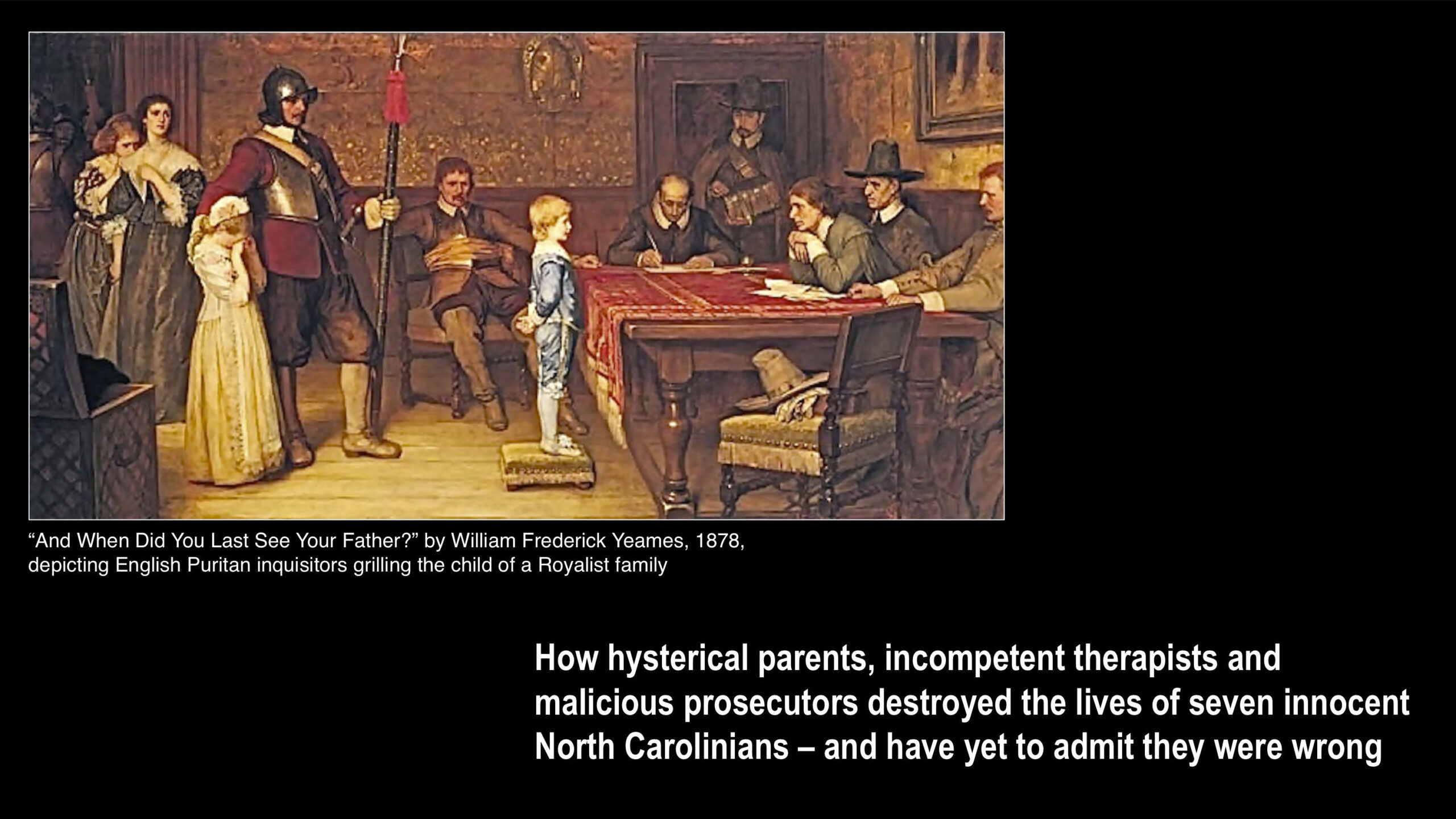
In the beginning, in 1989, more than 90 children at the Little Rascals Day Care Center in Edenton, North Carolina, accused a total of 20 adults with 429 instances of sexual abuse over a three-year period. It may have all begun with one parent’s complaint about punishment given her child.
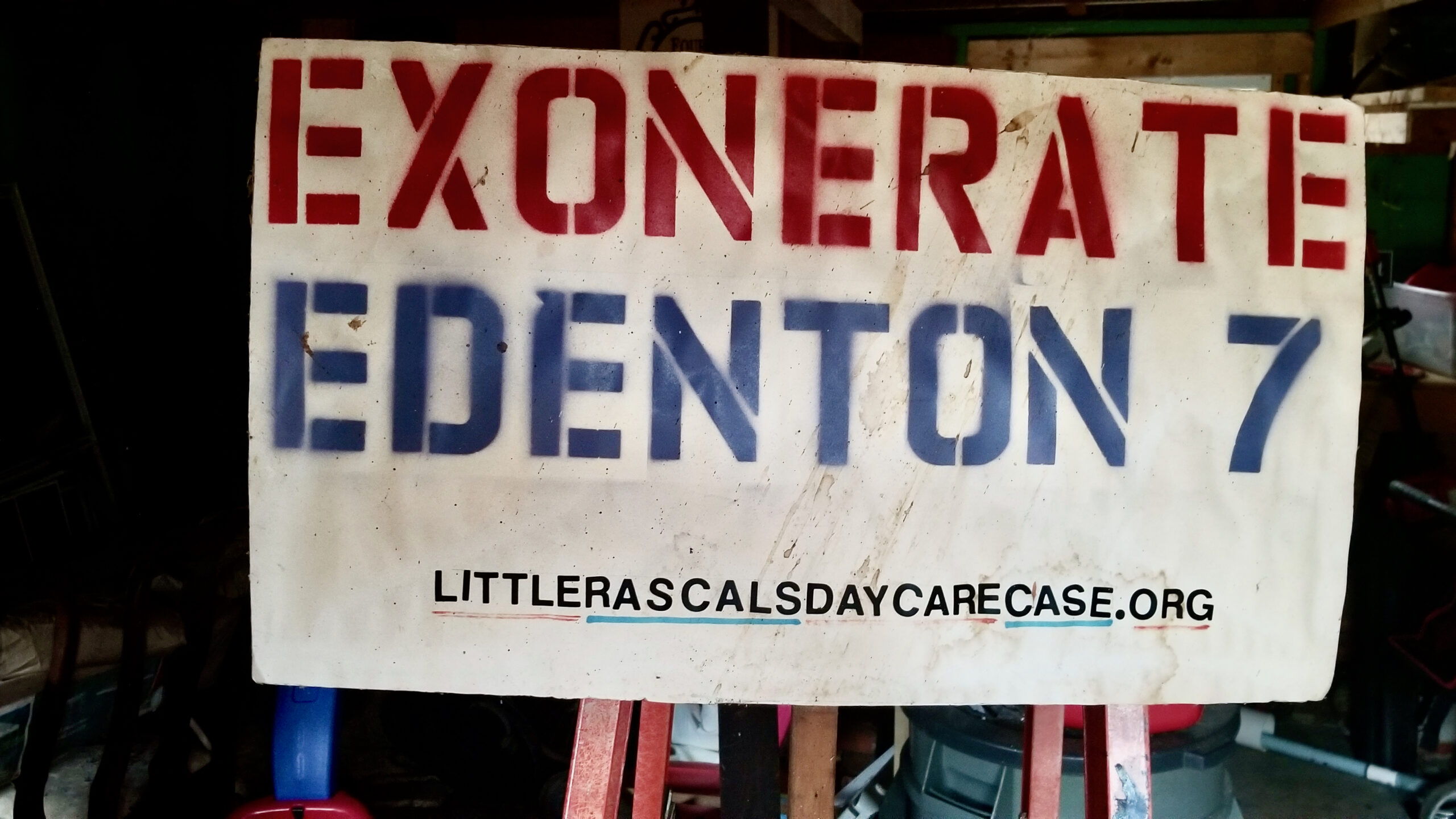
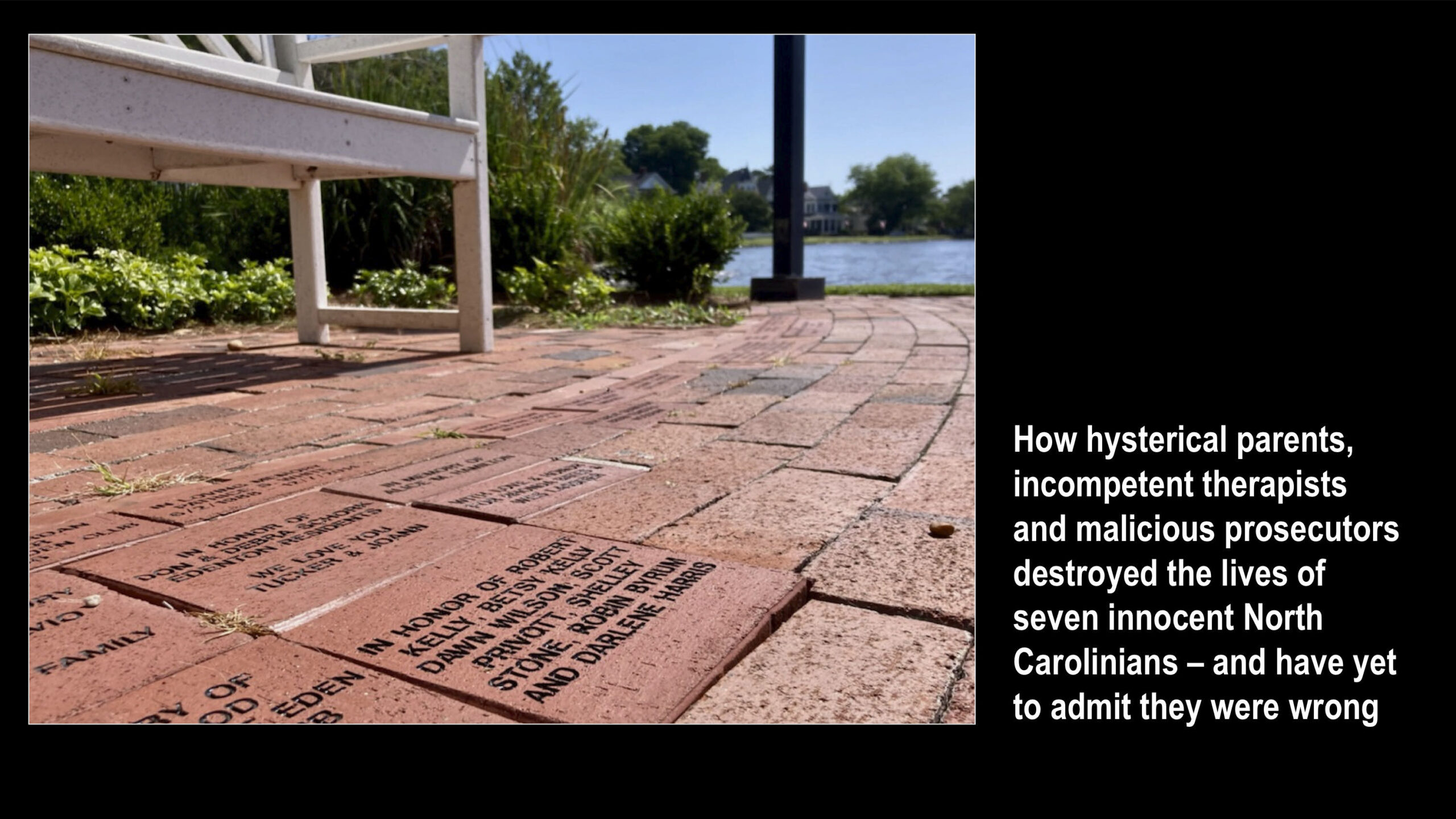
Among the alleged perpetrators: the sheriff and mayor. But prosecutors would charge only Robin Byrum, Darlene Harris, Elizabeth “Betsy” Kelly, Robert “Bob” Kelly, Willard Scott Privott, Shelley Stone and Dawn Wilson – the Edenton 7.
Along with sodomy and beatings, allegations included a baby killed with a handgun, a child being hung upside down from a tree and being set on fire and countless other fantastic incidents involving spaceships, hot air balloons, pirate ships and trained sharks.
By the time prosecutors dropped the last charges in 1997, Little Rascals had become North Carolina’s longest and most costly criminal trial. Prosecutors kept defendants jailed in hopes at least one would turn against their supposed co-conspirators. Remarkably, none did. Another shameful record: Five defendants had to wait longer to face their accusers in court than anyone else in North Carolina history.
Between 1991 and 1997, Ofra Bikel produced three extraordinary episodes on the Little Rascals case for the PBS series “Frontline.” Although “Innocence Lost” did not deter prosecutors, it exposed their tactics and fostered nationwide skepticism and dismay.
With each passing year, the absurdity of the Little Rascals charges has become more obvious. But no admission of error has ever come from prosecutors, police, interviewers or parents. This site is devoted to the issues raised by this case.
On Facebook


Little Rascals Day Care Case
This Facebook page is an offshoot of littlerascalsdaycarecase.org, which addresses the wrongful prosecution of the Edenton Seven and other such victims.

Meanwhile in Edenton....
This content isn't available right now
When this happens, it's usually because the owner only shared it with a small group of people, changed who can see it or it's been deleted.0 CommentsComment on Facebook
Allies for our cause!
This content isn't available right now
When this happens, it's usually because the owner only shared it with a small group of people, changed who can see it or it's been deleted.0 CommentsComment on Facebook
The courts have a long history of capriciously pulling the rug out from under Junior's appeals, but maybe this time....
This content isn't available right now
When this happens, it's usually because the owner only shared it with a small group of people, changed who can see it or it's been deleted.0 CommentsComment on Facebook
Click for earlier Facebook posts archived on this site
Click to go to

Today’s random selection from the Little Rascals Day Care archives….
For Junior Chandler, one door opens – will another open?
 Nov. 16, 2013
An update from Mark Montgomery, Junior Chandler’s appellate attorney: “[The N.C. Center on Actual Innocence] reviewed Junior’s case but could not find anything that would help him. The ‘kids’ were too young at the time to have anything helpful to say now. Of the two retarded adults who rode Junior’s bus (and testified against him), one is dead and the other incompetent.”
On a somewhat more encouraging note, Mark reports that the governor’s office has notified him that Junior’s clemency application is being considered.
Want to put in a word on Junior’s behalf? Here’s where to write:
Executive Clemency Office
4294 Mail Service Center
Raleigh NC 27699-4294
Perdue removes one stain, leaves another
Jan. 2, 2013
What a bittersweet moment, reading Gov. Bev Perdue’s statement announcing her pardon of innocence for the Wilmington 10.
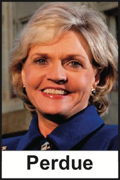 Surely, for the six surviving defendants, the pardon represents far too little justice, far too long delayed. But so many of Perdue’s words apply poignantly to a more recent “dark chapter in North Carolina’s history” – the prosecution of the Edenton Seven:
“I have decided to grant these pardons because the more facts I have learned… the more appalled I have become about the manner in which their convictions were obtained….
“This conduct (of prosecutor Jay Stroud) is disgraceful. It is utterly incompatible with basic notions of fairness and with every ideal that North Carolina holds dear. The legitimacy of our criminal justice system hinges on it operating in a fair and equitable manner…. That did not happen here. Instead, these convictions… represent an ugly stain on North Carolina’s criminal justice system….
“Justice demands that this stain finally be removed. The process in which this case was tried was fundamentally flawed….”
As noted previously, state government has continued to withhold exoneration from the Little Rascals defendants. In addition to these reasons that the Edenton Seven haven’t matched the Wilmington 10 in capturing the public eye, there is this notable difference in the two cases:
No one involved in prosecuting the Wilmington 10 remains in office, and the current Pender County district attorney has accepted Perdue’s decision without complaint. But two decades after prosecuting the Edenton Seven, Bill Hart and Nancy Lamb remain on the job, no doubt ready to beat down any hint of exoneration.
Some journals getting better at correcting mistakes
 March 9, 2017
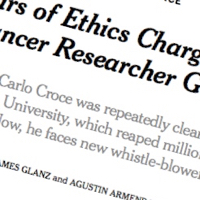
“As a result of complaints, [scientific] journals have been posting notices of problems with Dr. [Carlo] Croce’s papers at a quickening pace. From just a handful of notices before 2013 – known as corrections, retractions and editors’ notices – the number has ballooned to at least 20, with at least three more on the way, according to journal editors….”
– From “Years of Ethics Charges, but Star Cancer Researcher Gets a Pass” by James Glanz and Agustin Armendariz in the New York Times (March 8)
Yet another example of professional journals responding with new vigor to faulty articles.
By contrast, no retraction has ever appeared in those journals that lent credence to testimony by the prosecution’s expert witnesses during the day-care panic. Or perhaps some author or editor still wants to defend the likes of “Stress Responses of Children to Sexual Abuse and Ritualistic Abuse in Day Care Centers” and “Satanic Ritual Abuse: A Cause of Multiple Personality Disorder”?

Prosecutors have upper hand in plea bargains
May 9, 2012
“A Question of Innocence: A True Story of False Accusation” by Lawrence D. Spiegel was published in 1986, but this passage – lamenting plea-bargains by those falsely accused of assaulting children – applies exactly to Little Rascals:
“The innocent often fall prey to the waiting hands of the prosecutor and plead guilty to a lesser charge, just to put an end to the ordeal and to the separation from a child.
“Prosecutors, as a result of over-zealousness to protect the child, blind ambition to further a career or a number of other reasons, will do ‘strange’ things for a conviction. It is always to the prosecutor’s benefit to get a guilty plea, even to a lesser charge. Sometimes the prosecutor will wait until the accused is emotionally and financially drained, then the plea bargain offer is made….
“Some falsely accused are so battered and beaten, they accept the humiliation and anger and take the deal. Often this occurs with the consent of the victim’s attorney…. The stigma of the bargain will remain forever.”