Rascals case in brief
In the beginning, in 1989, more than 90 children at the Little Rascals Day Care Center in Edenton, North Carolina, accused a total of 20 adults with 429 instances of sexual abuse over a three-year period. It may have all begun with one parent’s complaint about punishment given her child.
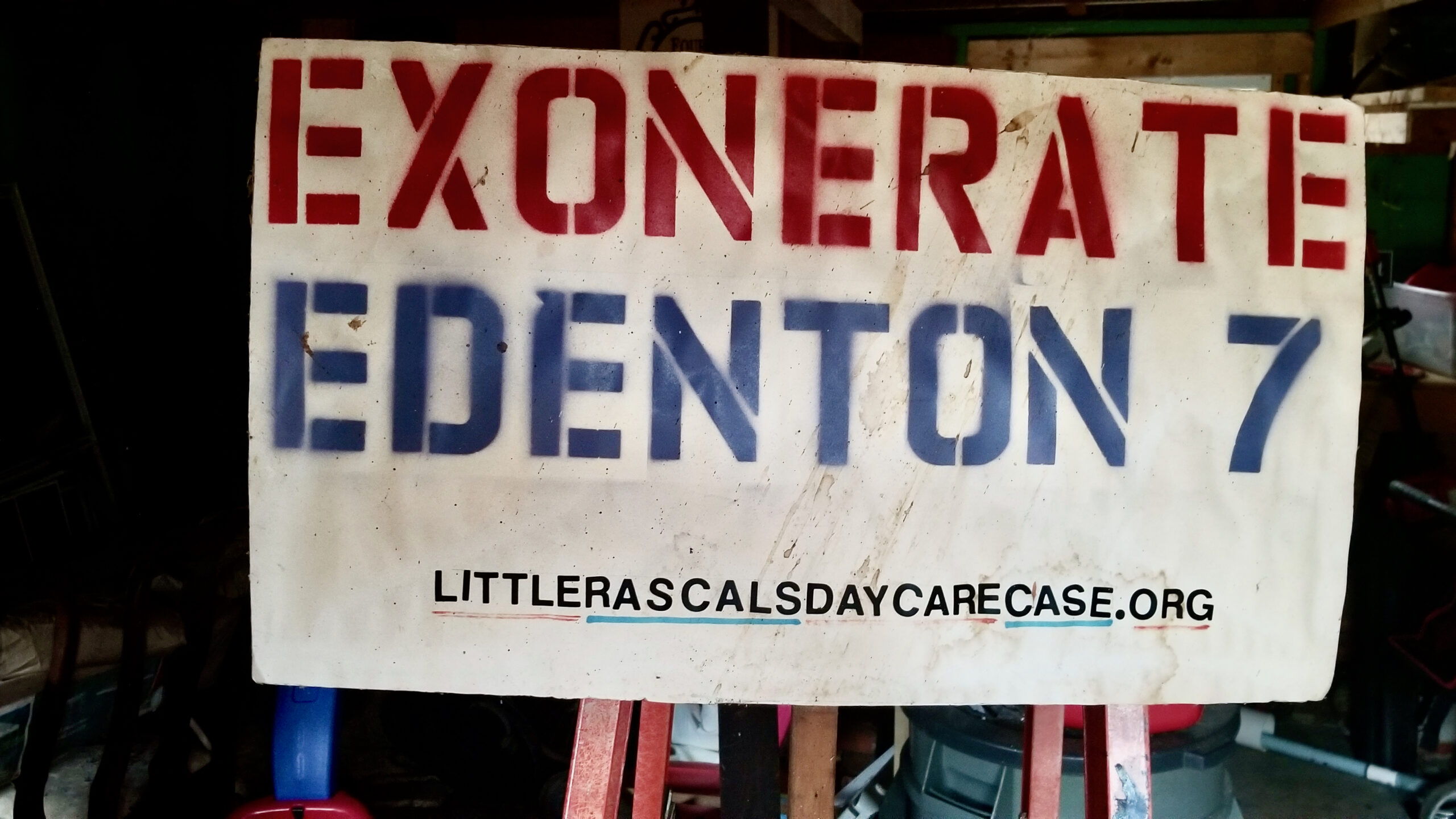
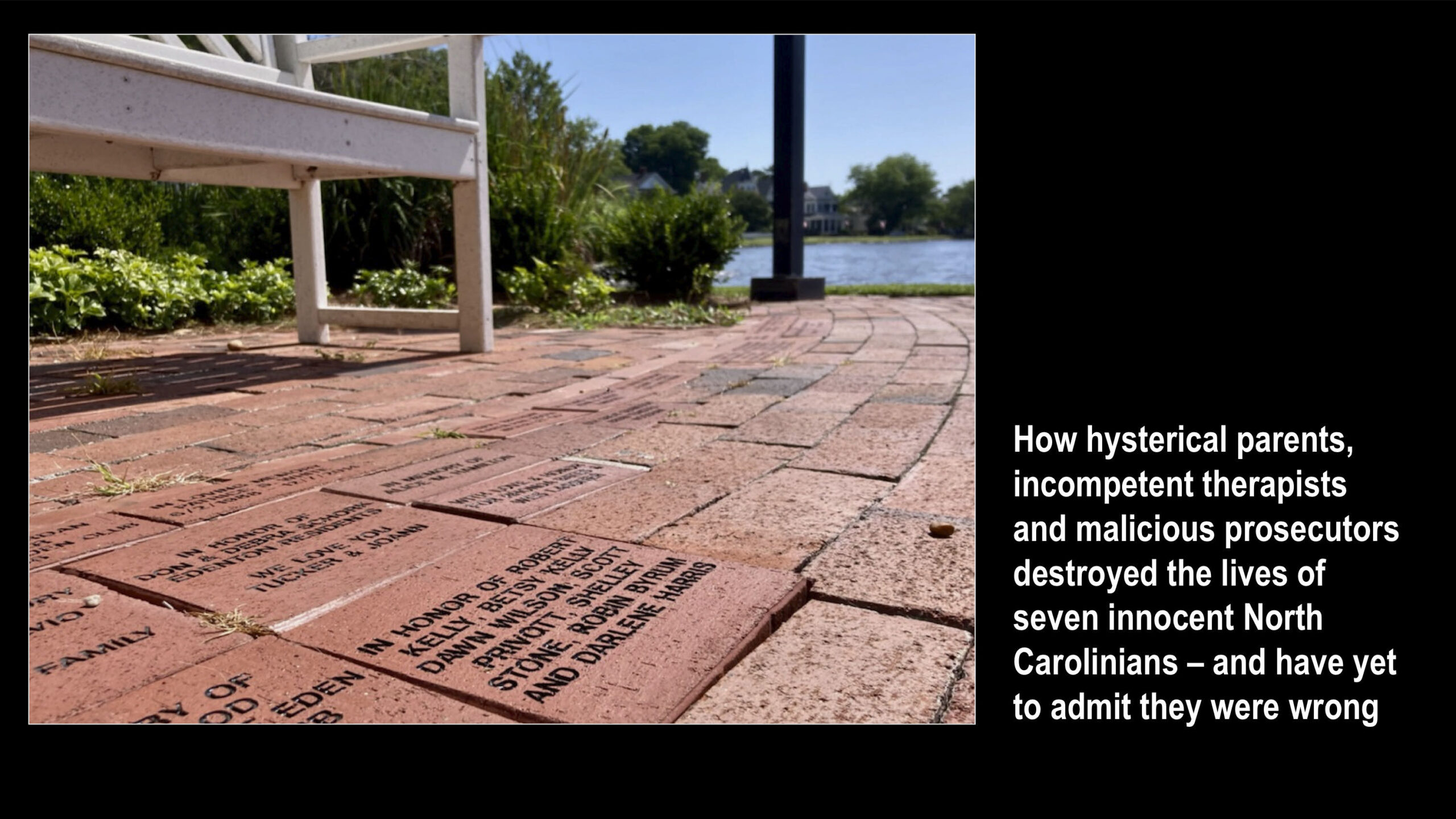
Among the alleged perpetrators: the sheriff and mayor. But prosecutors would charge only Robin Byrum, Darlene Harris, Elizabeth “Betsy” Kelly, Robert “Bob” Kelly, Willard Scott Privott, Shelley Stone and Dawn Wilson – the Edenton 7.
Along with sodomy and beatings, allegations included a baby killed with a handgun, a child being hung upside down from a tree and being set on fire and countless other fantastic incidents involving spaceships, hot air balloons, pirate ships and trained sharks.
By the time prosecutors dropped the last charges in 1997, Little Rascals had become North Carolina’s longest and most costly criminal trial. Prosecutors kept defendants jailed in hopes at least one would turn against their supposed co-conspirators. Remarkably, none did. Another shameful record: Five defendants had to wait longer to face their accusers in court than anyone else in North Carolina history.
Between 1991 and 1997, Ofra Bikel produced three extraordinary episodes on the Little Rascals case for the PBS series “Frontline.” Although “Innocence Lost” did not deter prosecutors, it exposed their tactics and fostered nationwide skepticism and dismay.
With each passing year, the absurdity of the Little Rascals charges has become more obvious. But no admission of error has ever come from prosecutors, police, interviewers or parents. This site is devoted to the issues raised by this case.
On Facebook


Little Rascals Day Care Case
This Facebook page is an offshoot of littlerascalsdaycarecase.org, which addresses the wrongful prosecution of the Edenton Seven and other such victims.

Meanwhile in Edenton....
This content isn't available right now
When this happens, it's usually because the owner only shared it with a small group of people, changed who can see it or it's been deleted.0 CommentsComment on Facebook
Allies for our cause!
This content isn't available right now
When this happens, it's usually because the owner only shared it with a small group of people, changed who can see it or it's been deleted.0 CommentsComment on Facebook
The courts have a long history of capriciously pulling the rug out from under Junior's appeals, but maybe this time....
This content isn't available right now
When this happens, it's usually because the owner only shared it with a small group of people, changed who can see it or it's been deleted.0 CommentsComment on Facebook
Click for earlier Facebook posts archived on this site
Click to go to

Today’s random selection from the Little Rascals Day Care archives….
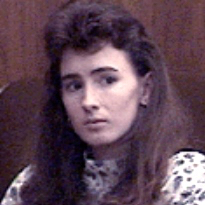
Robin Byrum, youngest of Edenton Seven, recalls brutality at hands of prosecution
April 29, 2017
Robin Byrum, not long out of high school and pregnant with her first child, went to work at Little Rascals Day Care Center in September 1988. A year later she was in prison under $500,000 bond, charged with 23 counts of child sex abuse. Prosecutors had no credible evidence against her, but they were betting the youngest defendant would implicate Bob Kelly and the others accused.
“I was in the wrong place at the wrong time,” she recalls today in her first interview since charges finally were dropped against her in 1996. “They thought I would tell on the others. That was the only reason I was swept up.”
Now 15 years into her second marriage, she lives in Eastern North Carolina. For her privacy I’m not mentioning her town or married name. “I’ve gone on with my life. It’s turned out well, in spite of all that….”
——-
After months of sporadic questioning she was arrested in January 1990. “Three men from the SBI came to my mother’s house. It was so frightening. They intimidated me. One of them put his foot up on the table and I could see the gun in his ankle holster. He said, ‘I’d hate to see you taken away from that child.’
“Then we went to the police station in Edenton. [SBI agent] Kevin McGinnis said he would give me one more chance to talk. I could hear my baby crying in the next room. When I told him again I didn’t know anything, he was so angry he kicked the desk across the room.”
Along with Betsy Kelly and Dawn Wilson, she was put in a cell in women’s prison in Raleigh. “I was three hours from my only family in North Carolina. Strip-searched before and after every visit.
“They put another prisoner in there with us, a snitch, thinking she could get us to talk. But we had nothing to tell….. One day they even tossed our cell, looking for ‘satanic’ passages marked in our Bibles.”
As the months passed, prosecutors offered Byrum ever more tempting plea deals. In a particularly poignant moment in “Innocence Lost: The Plea” (1997) she explains to Ofra Bikel why she had even turned down a deal offering no active time, but an admission of guilt: “‘That would mean knowing I would not ever have to be separated from my child again. But then I’d have to live with the rest of my life that I [said I] did something when I didn’t do it.’”
In 1990, bond was reduced to a still absurd $200,000 and her grandparents and two aunts in Kentucky managed to pay in time to get her home for Christmas.
Today Byrum, 46, works in health information management. “My office manager knew about the case, but the doctors hadn’t put two and two together until they went to your site. One of them shook his head and said, ‘How did seven people go to prison on something completely unfounded?’ Well, I’m still baffled too….
“How could anyone believe all these things happened? We were a block from downtown, in a building with huge windows and no curtains. Parents walked their 2- and 3-year-olds there, and they dropped by all the time….
“Didn’t a light bulb ever once come on that made somebody use their common sense?”

When ‘overwhelming community sentiment’ wins
 June 10, 2013
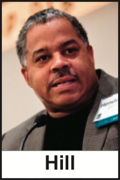
“The danger posed by courts and prosecutors who abdicate their responsibilities to uphold the Constitution in favor of overwhelming community sentiment was recently illustrated in State v. Robert Fulton Kelly Jr.
“The trial prosecutor and the Superior Court judge were so overwhelmed by community sentiment that the trial was converted from a proceeding to adjudicate Mr. Kelly’s guilt or innocence into a forum to assist the families of the scores of alleged child victims recover from the gut-wrenching allegations of the 100-count indictment. The result: Justice was poorly served.
“The individuals thought to be victims and their many family members, loved ones and neighbors were frustrated, angered and in the end felt cheated. The individuals accused of heinous abuse of scores of children were deprived of a fair trial and deprived of liberty for more than three years.”
– From a talk by Henderson Hill, director of the N.C. Resource Center, Office of the Appellate Defender, at the Senator Sam J. Ervin Jr. Constitutional Issues Program, (May 18, 1995)
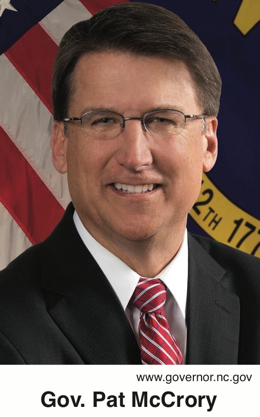
Nancy Lamb, DA? It’s up to Gov. McCrory
 Oct. 18, 2013
Because the Elizabeth City Daily Advance rejected my letter to the editor questioning its support of Nancy Lamb for district attorney, I’ve been posting comments in the online Advance, these two most recently:
Oct. 2: “It was no ‘technicality’ that led the North Carolina Court of Appeals to overturn the conviction of Bob Kelly (and of Dawn Wilson). The court focused on three glaring reversible errors in Kelly’s trial and implied it could have cited many more had that been needed. You can read the decision here.
“Little Rascals was only one of a wave of ‘ritual abuse’ day-care prosecutions during the ’80s and ’90s – virtually all of them based on hysteria rather than facts. You can read more here.
“Thank God, ‘Frontline’ put a national spotlight on the shameful abuse H.P. Williams, Bill Hart and Nancy Lamb – and their team of ill-trained therapists – were inflicting on the Edenton Seven, but the miscarriage of justice was clear even without it.”
Oct. 12: “Unfortunately, the most salient example of Nancy Lamb’s ‘ability to think for herself’ was her irrational, hysterical, unprofessional prosecution of the Little Rascals Day Care case. It would be easier to forgive her role in perpetuating the myth of ‘satanic ritual abuse’ in day cares were she finally able to admit her mistake and to apologize for crushing the lives of seven innocent defendants.”
After the death of District Attorney Frank Parrish, Gov. McCrory gave Lamb a 60-day appointment as interim DA. He is now deciding who should complete Parrish’s term. Next election for DA will be in November 2014.
Prognosis uncertain for misled child-witnesses
May 7, 2012
From an exchange with Stephen Ceci, author (with Maggie Bruck) of the landmark “Jeopardy in the Courtroom: A Scientific Analysis of Children’s Testimony” (1995):
Q: What may have happened to the child-witnesses as a result of being so profoundly misdiagnosed? One Little Rascals child-witness who responded anonymously to an advertisement I placed in the Edenton paper continues to say she was abused by Bob Kelly, although she admits to doubts about the female defendants.
A: We lack good scientific data on the long-term beliefs of individuals who as children were suggestively interviewed. A handful of studies, none of which resemble allegations of sexual abuse, seem to indicate that they grow up with the belief that they were abused, replete with the same psychological sequelae of true abuse survivors.
But you’ll note I use phrases such as “seem to indicate,” because the data are not uniform or consistent and the scenarios are not sex abuse ones. I think many, perhaps most, memory researchers would expect someone who was convinced as a child that he or she was victimized to grow into an adult with the same problems seen in actual victims, e.g., distrust of authority figures, insecurity, etc..
–
What extreme caution Dr. Ceci, an unsurpassed authority on child abuse, uses not to present theory and speculation as fact…. If only the therapists and theoreticians behind the day-care-abuse mania had shown half the professional uncertainty….