Rascals case in brief
In the beginning, in 1989, more than 90 children at the Little Rascals Day Care Center in Edenton, North Carolina, accused a total of 20 adults with 429 instances of sexual abuse over a three-year period. It may have all begun with one parent’s complaint about punishment given her child.
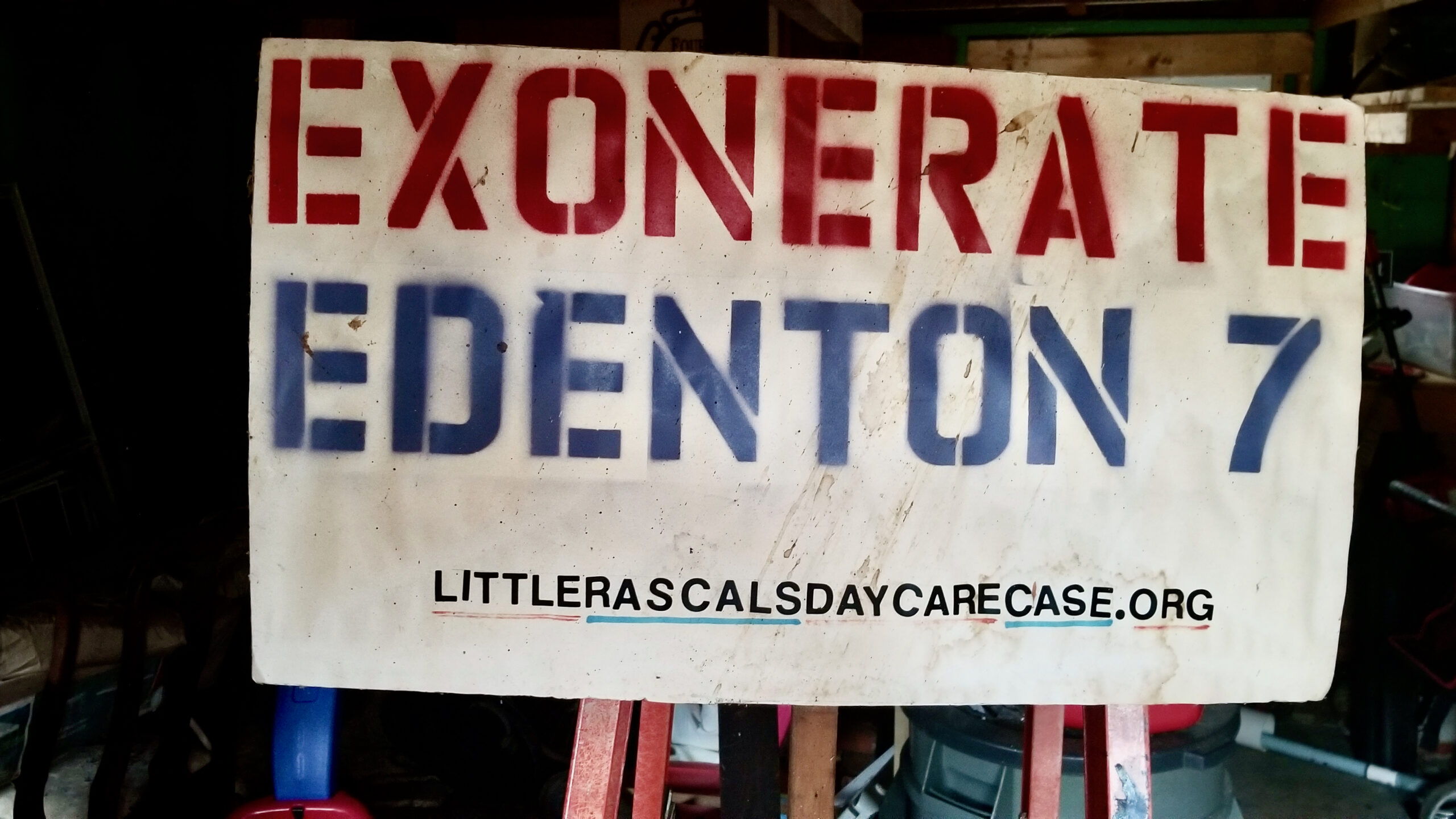
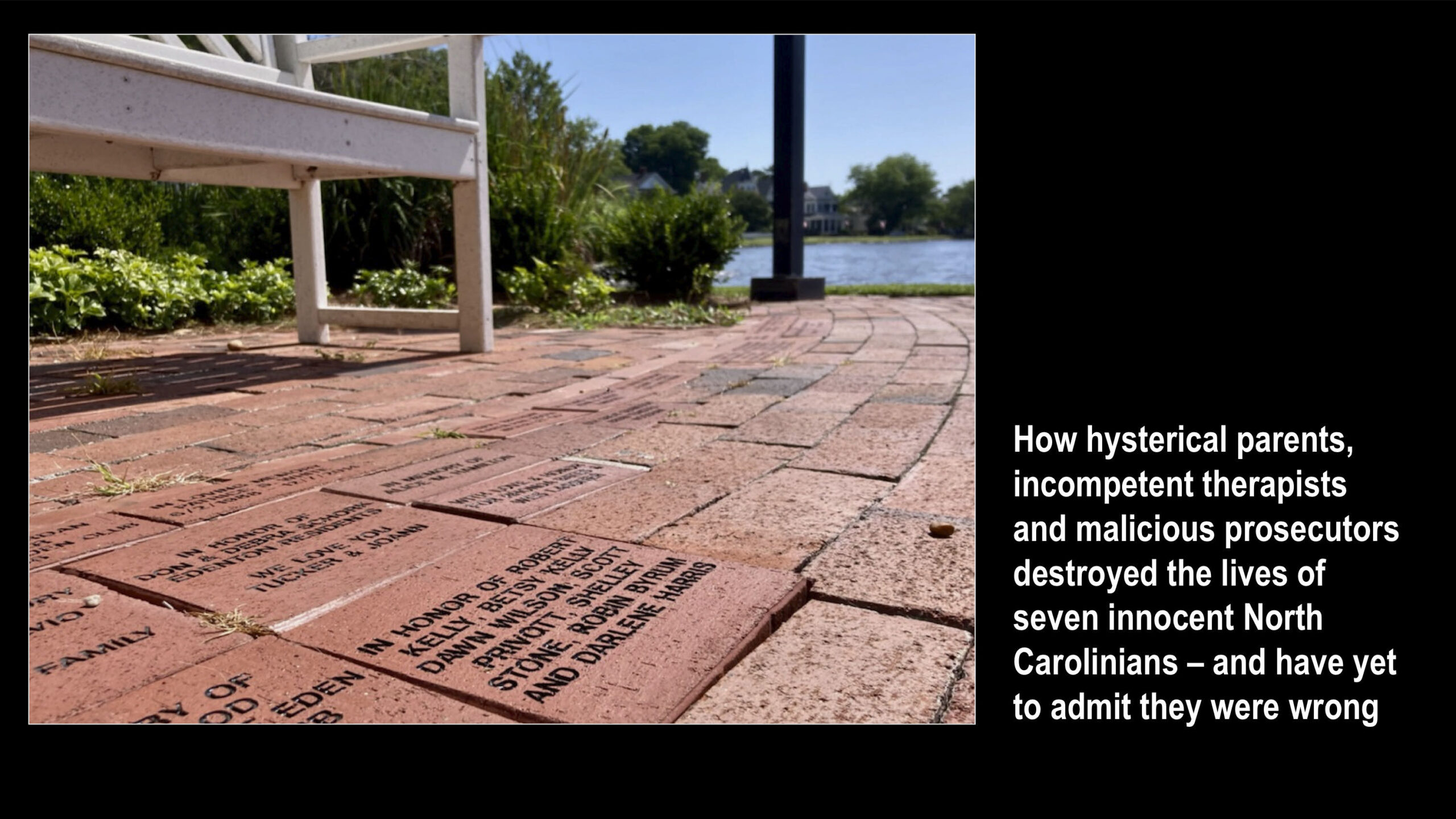
Among the alleged perpetrators: the sheriff and mayor. But prosecutors would charge only Robin Byrum, Darlene Harris, Elizabeth “Betsy” Kelly, Robert “Bob” Kelly, Willard Scott Privott, Shelley Stone and Dawn Wilson – the Edenton 7.
Along with sodomy and beatings, allegations included a baby killed with a handgun, a child being hung upside down from a tree and being set on fire and countless other fantastic incidents involving spaceships, hot air balloons, pirate ships and trained sharks.
By the time prosecutors dropped the last charges in 1997, Little Rascals had become North Carolina’s longest and most costly criminal trial. Prosecutors kept defendants jailed in hopes at least one would turn against their supposed co-conspirators. Remarkably, none did. Another shameful record: Five defendants had to wait longer to face their accusers in court than anyone else in North Carolina history.
Between 1991 and 1997, Ofra Bikel produced three extraordinary episodes on the Little Rascals case for the PBS series “Frontline.” Although “Innocence Lost” did not deter prosecutors, it exposed their tactics and fostered nationwide skepticism and dismay.
With each passing year, the absurdity of the Little Rascals charges has become more obvious. But no admission of error has ever come from prosecutors, police, interviewers or parents. This site is devoted to the issues raised by this case.
On Facebook


Little Rascals Day Care Case
This Facebook page is an offshoot of littlerascalsdaycarecase.org, which addresses the wrongful prosecution of the Edenton Seven and other such victims.

Meanwhile in Edenton....
This content isn't available right now
When this happens, it's usually because the owner only shared it with a small group of people, changed who can see it or it's been deleted.0 CommentsComment on Facebook
Allies for our cause!
This content isn't available right now
When this happens, it's usually because the owner only shared it with a small group of people, changed who can see it or it's been deleted.0 CommentsComment on Facebook
The courts have a long history of capriciously pulling the rug out from under Junior's appeals, but maybe this time....
This content isn't available right now
When this happens, it's usually because the owner only shared it with a small group of people, changed who can see it or it's been deleted.0 CommentsComment on Facebook
Click for earlier Facebook posts archived on this site
Click to go to

Today’s random selection from the Little Rascals Day Care archives….
District attorney to reexamine Little Rascals – or not?
 Jan. 11, 2015
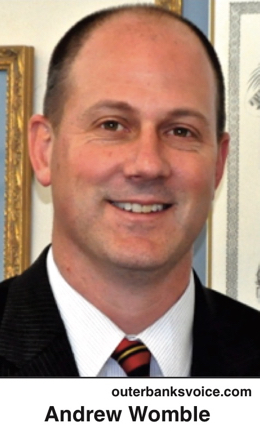
Before he turned back a challenge from Little Rascals prosecutor Nancy Lamb, incumbent District Attorney Andrew Womble had given me an inkling of hope he might consider revisiting the case.
This is from a letter I sent him on Sept. 11:
“In your Q&A with the Outer Banks Voice… you recalled ‘a pervasive mindset that the job of the district attorney was to prosecute all cases and to gain convictions. The Duke lacrosse case sort of changed that in my mind; the role of the district attorney is to seek justice.’
“Your thoughtful response leads me to ask how in retrospect you view the prosecution of Bob Kelly, Dawn Wilson and the rest of the Edenton Seven. Is Little Rascals a case you would have chosen to take to court, much less extend over eight years?
“Johnson Britt, Robeson County DA, recently disavowed the state’s allegations against two defendants cleared by DNA testing. In addition to the North Carolina Court of Appeals’ robust overturning of the verdicts against Kelly and Wilson, a quarter-century of medical and social science research has made ever more clear the innocence of the Edenton Seven….
“As district attorney, would you be willing to voice your own unofficial exoneration of the defendants in the First District’s most notorious prosecution?”
When Womble didn’t respond, I turned to Holly Koerber-Audette, his campaign consultant. Two weeks before the election she offered encouragement: “I am more than happy to talk to him about your request. I have followed the case and your excellent efforts for a long time now…. You have my word, I will discuss it with him.”
My several follow-up emails have gone unanswered. Whatever the DA’s response, I’d be glad to see it.
Second thoughts from a ‘ritual abuse’ prosecutor?
 Aug. 17, 2014
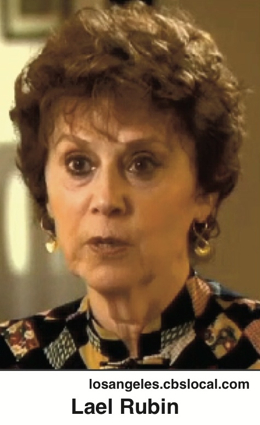
“I’m not comfortable commenting on any of them at this point in time.”
– Lael Rubin, formerly the lead prosecutor in the McMartin Preschool case, declining to say whether she still thinks the defendants were guilty
That’s not the only eyebrow-raiser in this recent 30-years-after piece by a Los Angeles TV station.
Rubin contends that “The strongest evidence, the physical evidence, the medical evidence, I think was very significant.” But Kevin Cody, who logged more hours in the courtroom than any other journalist, confirms my impression that the prosecution actually produced “zero medical evidence of abuse.”
Finally, Rubin credits the McMartin case with improvements in the interviewing of children: “The criminal justice system, interviewers and police, law enforcement are much more concerned about eliciting information from children, as opposed to giving them clues.”
This is disingenuous. Like John E. B. Myers, Kee MacFarlane and Sylvia Gillotte – Rubin tips her hat to progress but refuses to take the logical next step: admitting the injustices issuing from those McMartin-style interrogations.
Three centuries later, witch trials remain uncomfortably relevant
 Oct. 31, 2016
“Historical truths emerge only with time, after which they are ours, particularly on Halloween, to mangle.
“Early on, the Salem witch trials disappeared from the record; a hush descended over 1692 for generations. ‘The People of Salem Do Not Like to Be Questioned in Regard to the Witchery Affair’ reads a Philadelphia Inquirer headline – from 1895. It fell to others to resurrect the ‘witchcraft,’ as the South did during the debate over slavery. Then came Arthur Miller, who made off with the story, or at least a version of it.
“A lush mythology grew up around the trials, one that reassured us that these events took place in a remote land in no way resembling our own. In truth, they are deeply woven into the American fabric. They are more relevant than the lore suggests – our earliest instance of conspiratorial fantasy and reckless demonizing, of the brand of national distemper that grips us in anxious times.”
– From “Five Myths about the Salem witch trials” by Stacy Schiff in the Washington Post (Oct. 30)
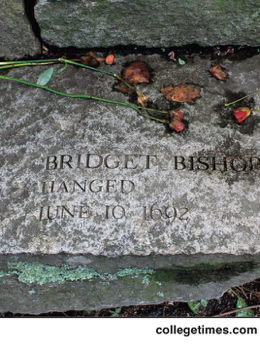
Fifteen years ago today: Massachusetts officially exonerates five women hanged as witches in Salem.

Abuse theory didn’t fit, but what the heck
Sept. 21, 2012
“Los Angeles psychiatrist Roland Summit’s ‘child sexual abuse syndrome,’ a theory about incest… argues that if there is evidence of sex abuse and a child denies it, this is only further proof that it happened and a therapist should use any means necessary to help the child talk…. If they later recant, that means they are under family pressure to protect the father and their turnabout is further proof of the crime.
“So no matter how much coercion was used to get an accusation and no matter if a child later retracted it, once Summit’s incest theory was applied, a charge of abuse became irrefutable. Child protection workers ignored the fact that this logic had little to do with day care. After all, why would children staunchly defend abuse to protect an adult who wasn’t part of the family? And if they had been so brutally attacked at school, why wouldn’t they tell their parents?
“Therapists and investigators came up with all sorts of rationales. One was the teachers threatened them by slaughtering animals and warning that the same thing would happen to their parents if they told….”
– From “The Ritual Sex Abuse Hoax” by Debbie Nathan (Village Voice, January 12, 1990)
The “threatened parents” claim reared its head in this 1995 letter from Little Rascals parents:
“…Many (children are now) old enough to realize that Bob Kelly can’t work his threatened evil to kill their families.”