Rascals case in brief
In the beginning, in 1989, more than 90 children at the Little Rascals Day Care Center in Edenton, North Carolina, accused a total of 20 adults with 429 instances of sexual abuse over a three-year period. It may have all begun with one parent’s complaint about punishment given her child.
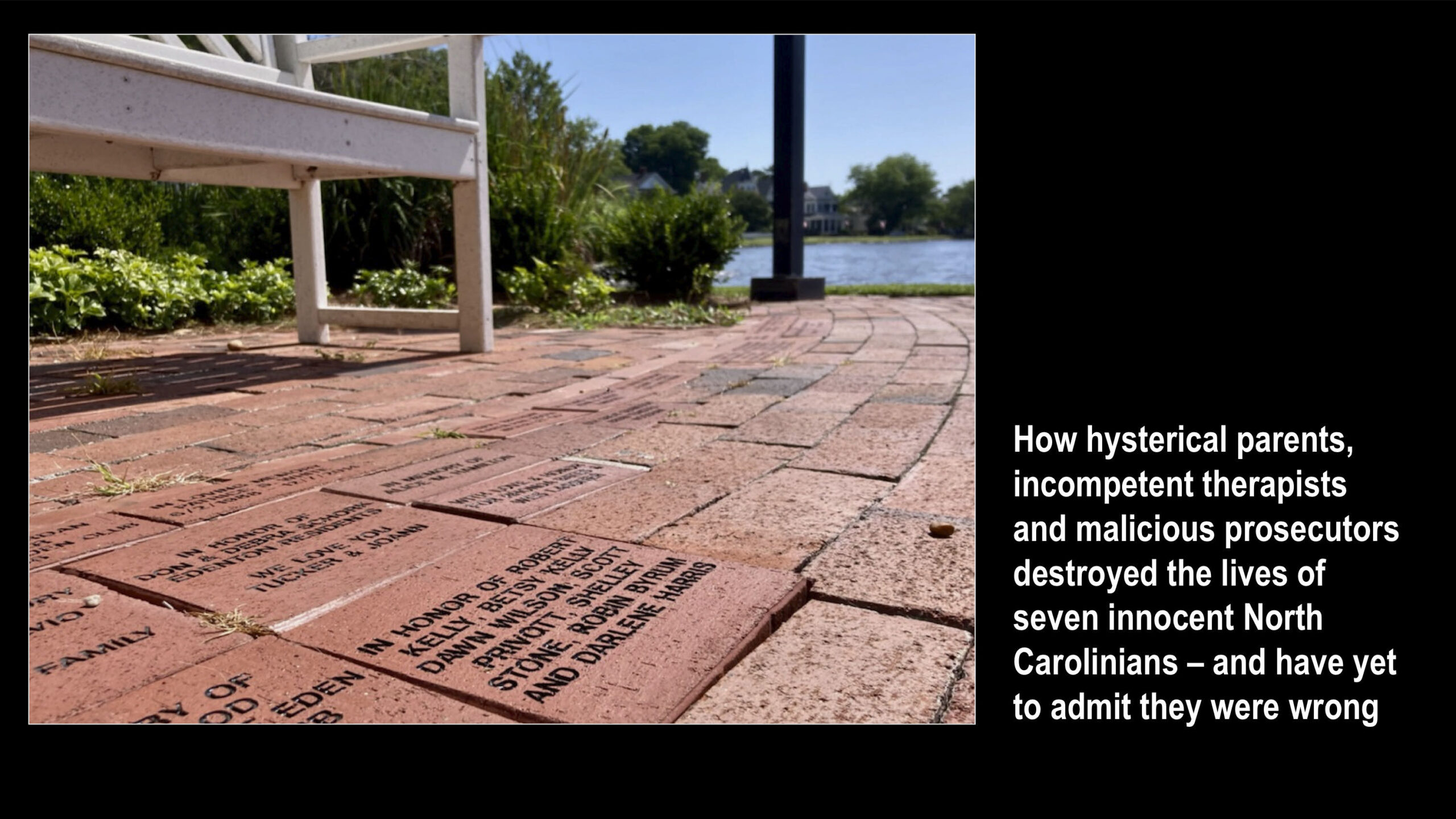
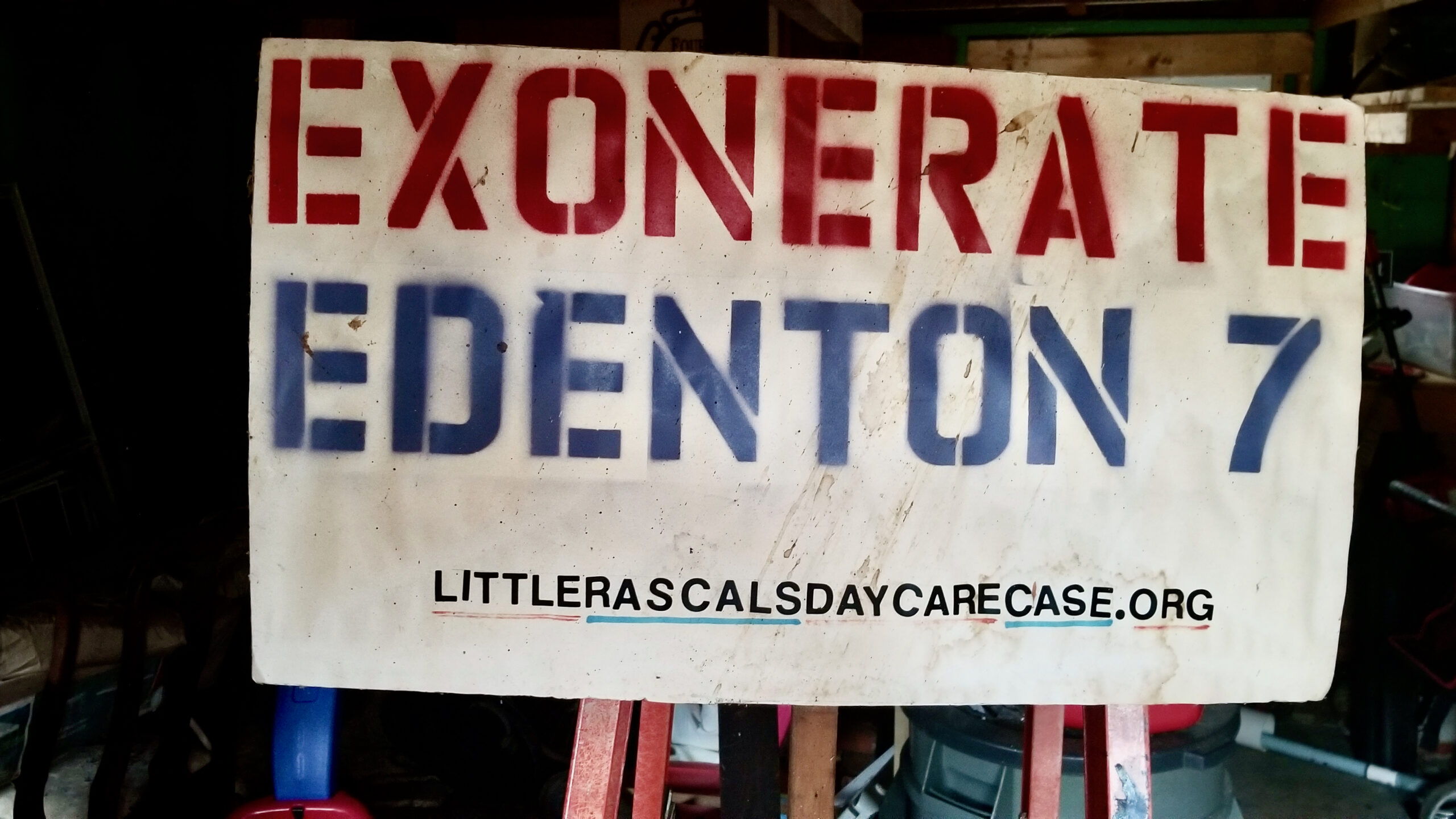
Among the alleged perpetrators: the sheriff and mayor. But prosecutors would charge only Robin Byrum, Darlene Harris, Elizabeth “Betsy” Kelly, Robert “Bob” Kelly, Willard Scott Privott, Shelley Stone and Dawn Wilson – the Edenton 7.
Along with sodomy and beatings, allegations included a baby killed with a handgun, a child being hung upside down from a tree and being set on fire and countless other fantastic incidents involving spaceships, hot air balloons, pirate ships and trained sharks.
By the time prosecutors dropped the last charges in 1997, Little Rascals had become North Carolina’s longest and most costly criminal trial. Prosecutors kept defendants jailed in hopes at least one would turn against their supposed co-conspirators. Remarkably, none did. Another shameful record: Five defendants had to wait longer to face their accusers in court than anyone else in North Carolina history.
Between 1991 and 1997, Ofra Bikel produced three extraordinary episodes on the Little Rascals case for the PBS series “Frontline.” Although “Innocence Lost” did not deter prosecutors, it exposed their tactics and fostered nationwide skepticism and dismay.
With each passing year, the absurdity of the Little Rascals charges has become more obvious. But no admission of error has ever come from prosecutors, police, interviewers or parents. This site is devoted to the issues raised by this case.
On Facebook


Little Rascals Day Care Case
This Facebook page is an offshoot of littlerascalsdaycarecase.org, which addresses the wrongful prosecution of the Edenton Seven and other such victims.

Meanwhile in Edenton....
This content isn't available right now
When this happens, it's usually because the owner only shared it with a small group of people, changed who can see it or it's been deleted.0 CommentsComment on Facebook
Allies for our cause!
This content isn't available right now
When this happens, it's usually because the owner only shared it with a small group of people, changed who can see it or it's been deleted.0 CommentsComment on Facebook
The courts have a long history of capriciously pulling the rug out from under Junior's appeals, but maybe this time....
This content isn't available right now
When this happens, it's usually because the owner only shared it with a small group of people, changed who can see it or it's been deleted.0 CommentsComment on Facebook
Click for earlier Facebook posts archived on this site
Click to go to

Today’s random selection from the Little Rascals Day Care archives….
Edenton Seven won’t be snapping selfies at marker ceremony
Dec. 31, 2014
“Dear Mr. Powell:
“At their meeting on December 16, the members of the North Carolina Highway Historical Marker Advisory Committee… voted unanimously not to approve a marker (in Edenton recognizing the Little Rascals Day Care case).
“Your nomination was among 17 on the agenda (only five met with approval)…. In short, the committee felt that the case was too recent – with too many people affected by it living in the area. They felt that much more time needed to pass before the subject could be judged by history and considered for a marker. One suggestion was that it might be considered 25 years after the deaths of those convicted…..”
– From a letter rejecting my application for a “history on a stick” marker for the Little Rascals case
I respect the committee’s reasoning, even though I doubt I’ll be around when it’s ready to reconsider – in what, 2075?
Bob Kelly: ‘I had nothing to be ashamed of’
Oct. 11, 2011
In 1989 Bob Kelly was charged with 100 counts of child molestation.
In 1992 he was convicted and sentenced to 12 consecutive life sentences.
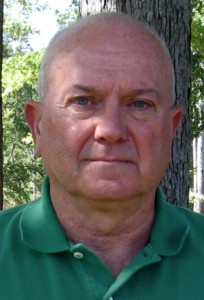
In 1995 his conviction was overturned and he was released from Central Prison.
“It was the best six years of my life,” he says of his time behind bars, “because it set me up for the rest of my life.”
When he walked out, Kelly was a man who had determined “never to feel ashamed, because I had nothing to be ashamed of.”
Today, remarried and retired at 63, he lives in a tidy suburban house just outside Sanford.
Perhaps the anger he still feels toward those who conspired to imprison him has been compartmentalized.
His attention goes to gardening (“500 pounds of tomatoes this year”), writing and visiting inmates, carving walking sticks out of old Christmas tree trunks, playing Sudoku, hitting golf balls and reading only those Westerns in which “the good guy always wins in the end.”
And he still cooks and cans the spaghetti sauce he once served every Friday at the Little Rascals Day Care Center.
“Freedom don’t ever get old,” he says.
How hard it was to say, ‘Boy, was I wrong’
 Aug. 10, 2012
Carol Tavris:
“After the McMartin trial in 1986, I wrote an article for the Los Angeles Times about research that had been done on how to interview children in sex abuse cases. Evidence at the time suggested that sometimes you have to ask children leading questions or they will not tell you they have been molested.
“For example, if you interviewed a child after a genital examination and you asked her just to tell what the doctor did, almost no child would volunteer that the doctor touched her genitals. But if you asked a leading question, such as, ‘The doctor touched your private parts, didn’t he?’ the children would say ‘yes.’ The L.A. Times headlined this article, ‘Do Children Lie? Not About This.’
“Of course that was preposterous. Of course children lie ‘about this’ and lots of other things. But my essay, although based on research at the time, helped support the child advocates who were on a rampage against child molesters, and who were running around saying ‘children never lie’ and selling bumper stickers that said ‘Believe the Children.’’ I didn’t foresee that prosecutors and therapists would use these same studies to coerce the hell out of kids.
“When I think of my own embarrassment about that little article, and how hard it was to say, ‘Boy, was I wrong about that research,’ I realize how difficult it must be for all those ‘believe the children’ people to acknowledge they were wrong, too. In fact, most of them haven’t. They are more entrenched than ever in their pernicious beliefs.”
– From “The Measure of a Woman: An Interview with Social Scientist Carol Tavris”
in Skeptic magazine (Feb. 9, 2011)
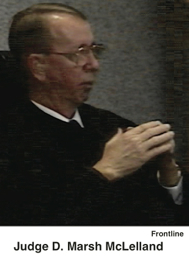
Convictions overturned, judge angrily exited
 July 5, 2014
“The Burlington judge who has presided over the the Little Rascals Day Care Center case since 1990 resigned in disgust the day after the state Supreme Court refused to review (the overturning of) two convictions.
“D. Marsh McLelland, a retired Superior Court judge, said in a letter dated Sept. 8 that the court’s refusal to review the cases ‘is legally and morally reprehensible.’
“McLelland’s letter to Chief Justice Burley Mitchell said the refusal to review a Court of Appeals order for a new trial raised the term technicality to new heights….”
– From “Judge quits Little Rascals case” from the Associated Press (Sept. 22, 1995)
I imagine that the “technicality” comment was from a direct quote, although I haven’t been able to find either McLelland’s original letter or a more substantial account. It’s no wonder he felt humiliated – the Court of Appeals decision had laid bare his indifference to the rights of the defendants.
Regardless, McLelland’s resignation proved irrelevant, as prosecutors decided not to retry Bob Kelly and Dawn Wilson.