Rascals case in brief
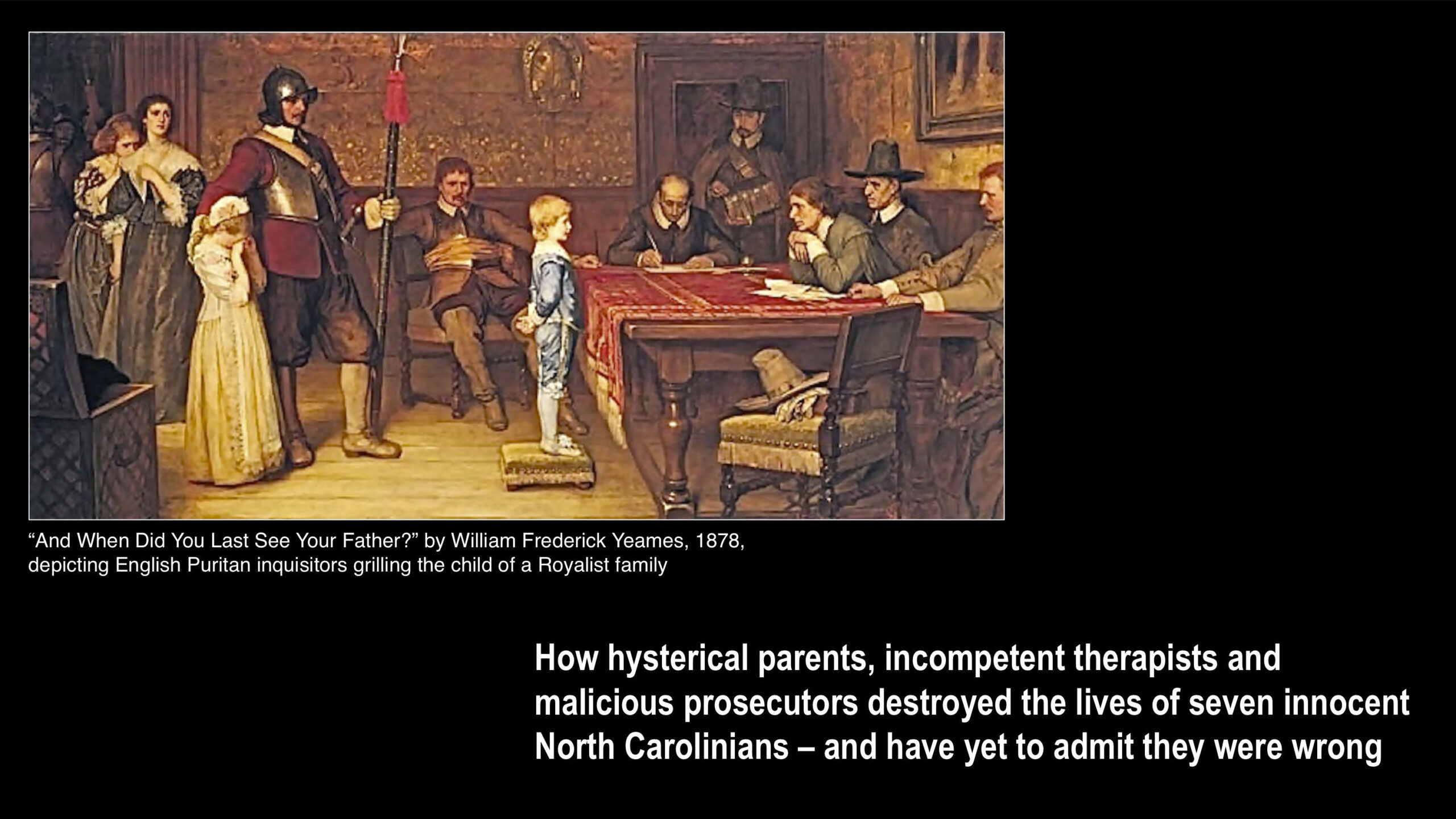
In the beginning, in 1989, more than 90 children at the Little Rascals Day Care Center in Edenton, North Carolina, accused a total of 20 adults with 429 instances of sexual abuse over a three-year period. It may have all begun with one parent’s complaint about punishment given her child.
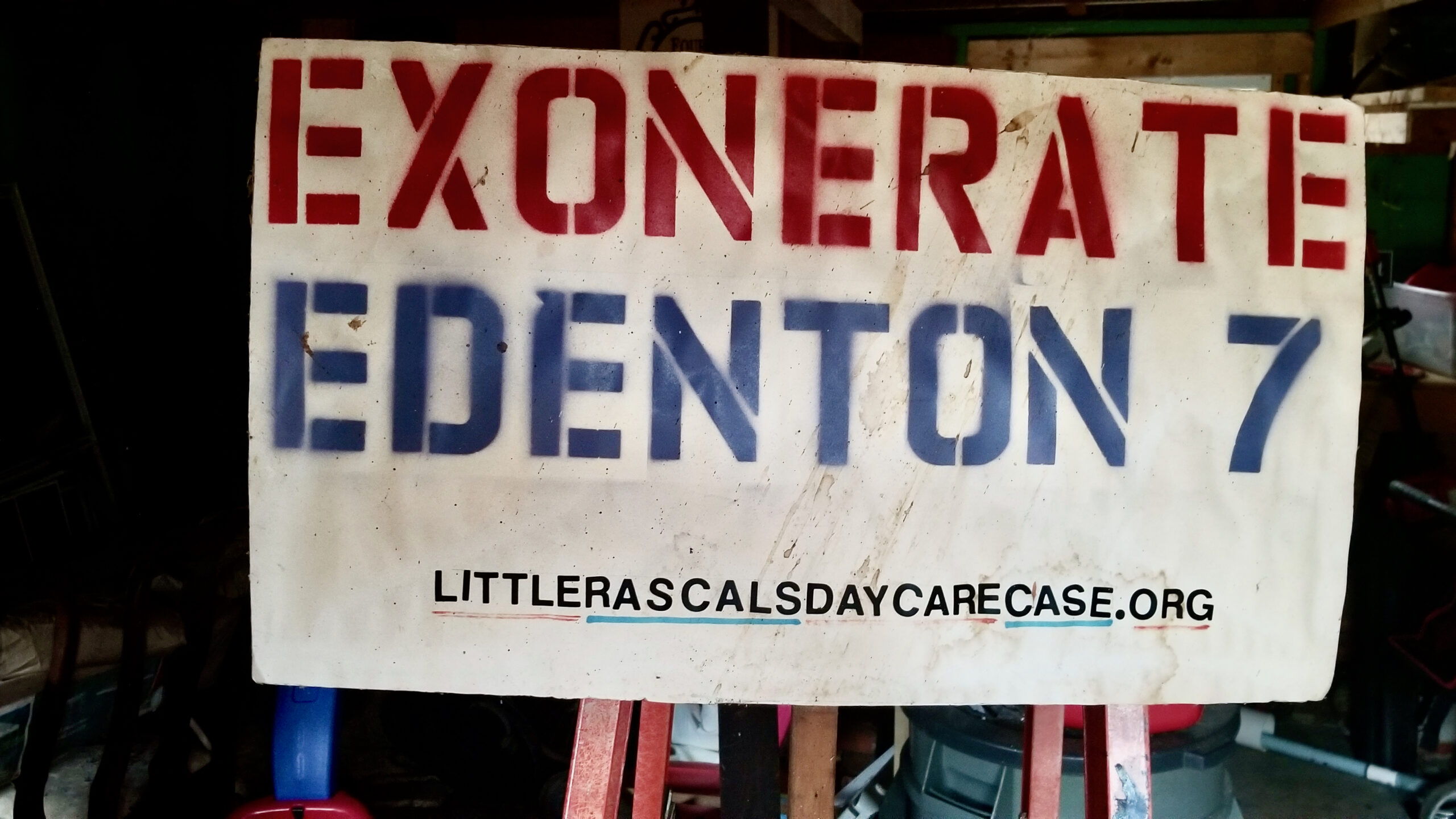
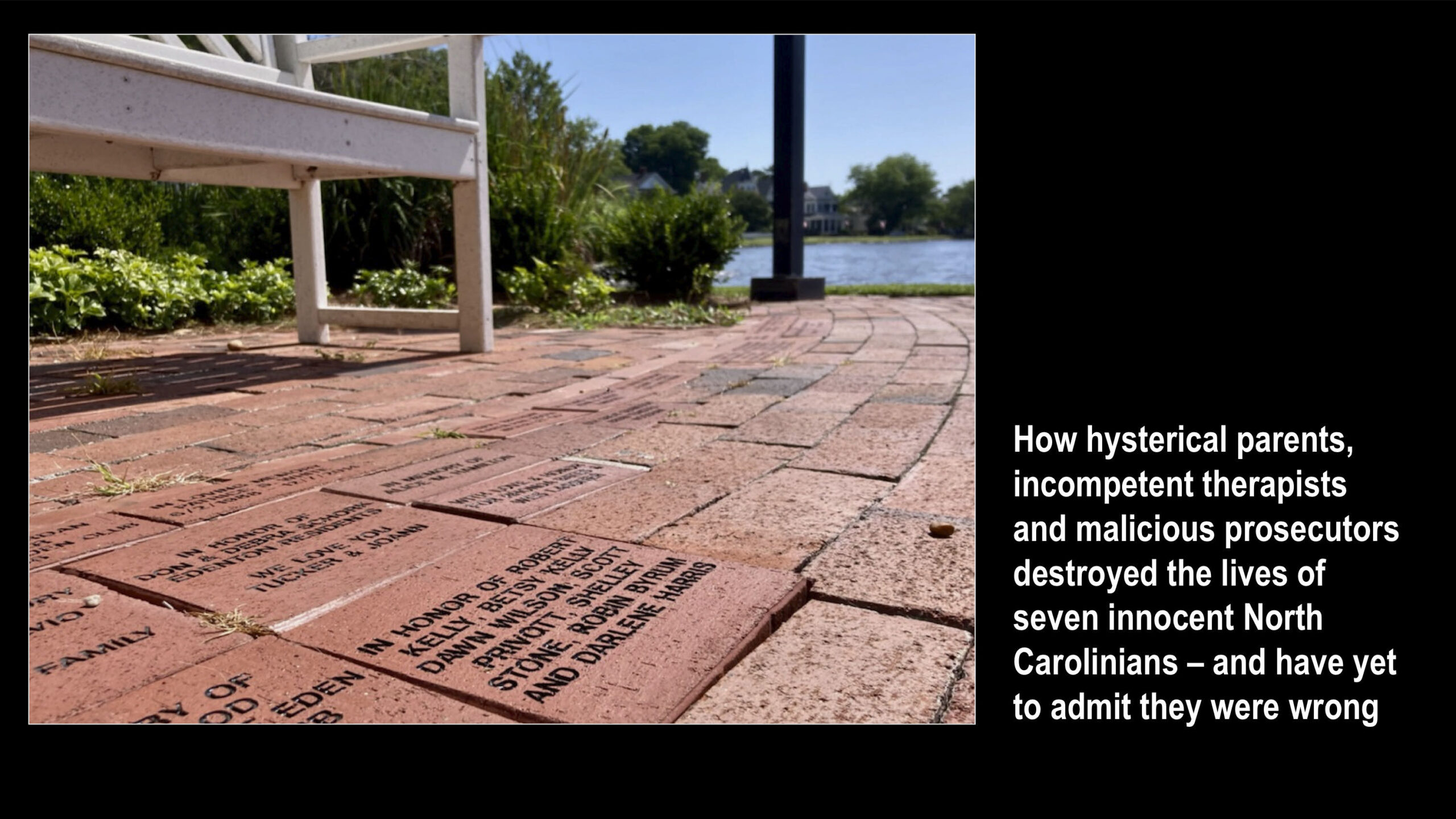
Among the alleged perpetrators: the sheriff and mayor. But prosecutors would charge only Robin Byrum, Darlene Harris, Elizabeth “Betsy” Kelly, Robert “Bob” Kelly, Willard Scott Privott, Shelley Stone and Dawn Wilson – the Edenton 7.
Along with sodomy and beatings, allegations included a baby killed with a handgun, a child being hung upside down from a tree and being set on fire and countless other fantastic incidents involving spaceships, hot air balloons, pirate ships and trained sharks.
By the time prosecutors dropped the last charges in 1997, Little Rascals had become North Carolina’s longest and most costly criminal trial. Prosecutors kept defendants jailed in hopes at least one would turn against their supposed co-conspirators. Remarkably, none did. Another shameful record: Five defendants had to wait longer to face their accusers in court than anyone else in North Carolina history.
Between 1991 and 1997, Ofra Bikel produced three extraordinary episodes on the Little Rascals case for the PBS series “Frontline.” Although “Innocence Lost” did not deter prosecutors, it exposed their tactics and fostered nationwide skepticism and dismay.
With each passing year, the absurdity of the Little Rascals charges has become more obvious. But no admission of error has ever come from prosecutors, police, interviewers or parents. This site is devoted to the issues raised by this case.
On Facebook


Little Rascals Day Care Case
This Facebook page is an offshoot of littlerascalsdaycarecase.org, which addresses the wrongful prosecution of the Edenton Seven and other such victims.

Meanwhile in Edenton....
This content isn't available right now
When this happens, it's usually because the owner only shared it with a small group of people, changed who can see it or it's been deleted.0 CommentsComment on Facebook
Allies for our cause!
This content isn't available right now
When this happens, it's usually because the owner only shared it with a small group of people, changed who can see it or it's been deleted.0 CommentsComment on Facebook
The courts have a long history of capriciously pulling the rug out from under Junior's appeals, but maybe this time....
This content isn't available right now
When this happens, it's usually because the owner only shared it with a small group of people, changed who can see it or it's been deleted.0 CommentsComment on Facebook
Click for earlier Facebook posts archived on this site
Click to go to

Today’s random selection from the Little Rascals Day Care archives….
Lacrosse case wasn’t state’s only imaginary crime
 Oct. 14, 2015
“(Attorney General Roy Cooper) took over a tangled and controversial investigation of alleged gang rape by Duke University athletes, eventually in 2007 making the extraordinary determination that the crime never happened….”
– From “Cooper formally declares campaign to unseat McCrory” by Craig Jarvis in the News & Observer of Raleigh (Oct. 12)
So far, Attorney General Cooper’s willingness to address crimes that never happened hasn’t extended to the Little Rascals Day Care case.
Faulty ‘mental tuning forks’ betrayed therapists
Aug. 23, 2013
“Developing a mental tuning fork for the credibility of a claim, gaining an instinct for when to trust and when to doubt a source – these are two critical components of becoming a confident and effective researcher.”
– From “The Devil in the Details: Media Representation of ‘Ritual Abuse’ and Evaluation of Sources” by Barbara Fister in Studies in Media & Information Literacy Education (May 2003
Although Fister’s observation addresses the challenge of fact-finding on the Internet, it applies just as well to the interviewing of child witnesses. The poorly prepared Little Rascals prosecution therapists – and social services investigators – surely had an overabundance of confidence in their “mental tuning forks” and their “instinct for when to trust and when to doubt.” By contrast, social scientists such as Ceci and Bruck proceed with caution, not credulity.
Edenton’s history was no defense against panic
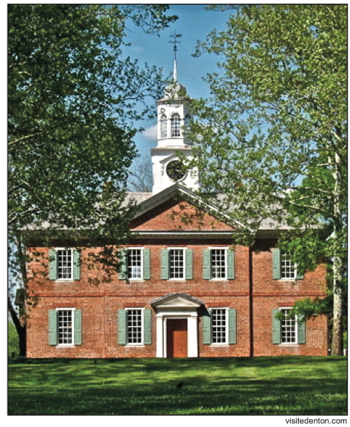 Jan. 28, 2013
Manhattan Beach, California; Malden, Massachusetts; Christchurch, New Zealand; Maplewood, New Jersey; Sao Paulo, Brazil…. For more than a decade, unfounded allegations of day-care ritual abuse were breaking out all over the planet.
But for sheer cultural anomaly it’s hard to match the emergence of such a case in historic and pristine Edenton, North Carolina, not unreasonably billed as “the South’s Prettiest Small Town.”
Edenton had made lots of headlines before Little Rascals, but almost none since the 1700s.
Among the town’s prominent residents: Joseph Hewes, signer of the Declaration of Independence; Hugh Williamson, signer of the Constitution; James Iredell, George Washington’s youngest appointee to the U.S. Supreme Court.
Penelope Barker hosted the Edenton Tea Party to protest British taxes (that’s her waterfront house in the opening scene of “Innocence Lost”).
Harriet Jacobs, author of “Incidents in the Life of a Slave Girl,” was a native.
You won’t find a Walmart in Edenton (population 5,000 and slowly shrinking), but its trove of civic treasures includes a 1925 moviehouse, a 1939 baseball park and a 1767 courthouse (above right), the state’s oldest.
So why Edenton of all places? How did this charming, 300-year-old hamlet happen to offer all the essential ingredients for a world-class ritual-abuse panic? I wish I knew (and I wish Edenton did too).
One thing led to another…. boy, did it ever!
 Nov. 16, 2012
“In North America in the 1980s, the moral panic about organized child abuse arose in a context that included the following scares:
- “a moral panic about satanic activity;
- “a scare about missing and murdered children;
- “great public anxiety about incest, redefined as child sexual abuse during the 1970s;
- “a wave of disputed custody cases in which women accused their former husbands of sexually abusing children during court-ordered visitations;
- “self-help books by women claiming to be ‘survivors’ of incest and ritual abuse;
- “therapists’ claims that many of their adult women patients suffered from multiple-personality disorder as a result of severe childhood sexual and ritual abuse.
“Of particular importance were claims that society was in denial about widespread child sexual abuse…. Thus, claims about organized child abuse by caregivers were made in a context of claims about similar issues, and the effect of claims in one panic was to reinforce claims in another.”
– From “Wrongful Conviction and the Moral Panic About Organized Child Abuse: National and International Perspectives” by Randall Grometstein (2005)