Rascals case in brief
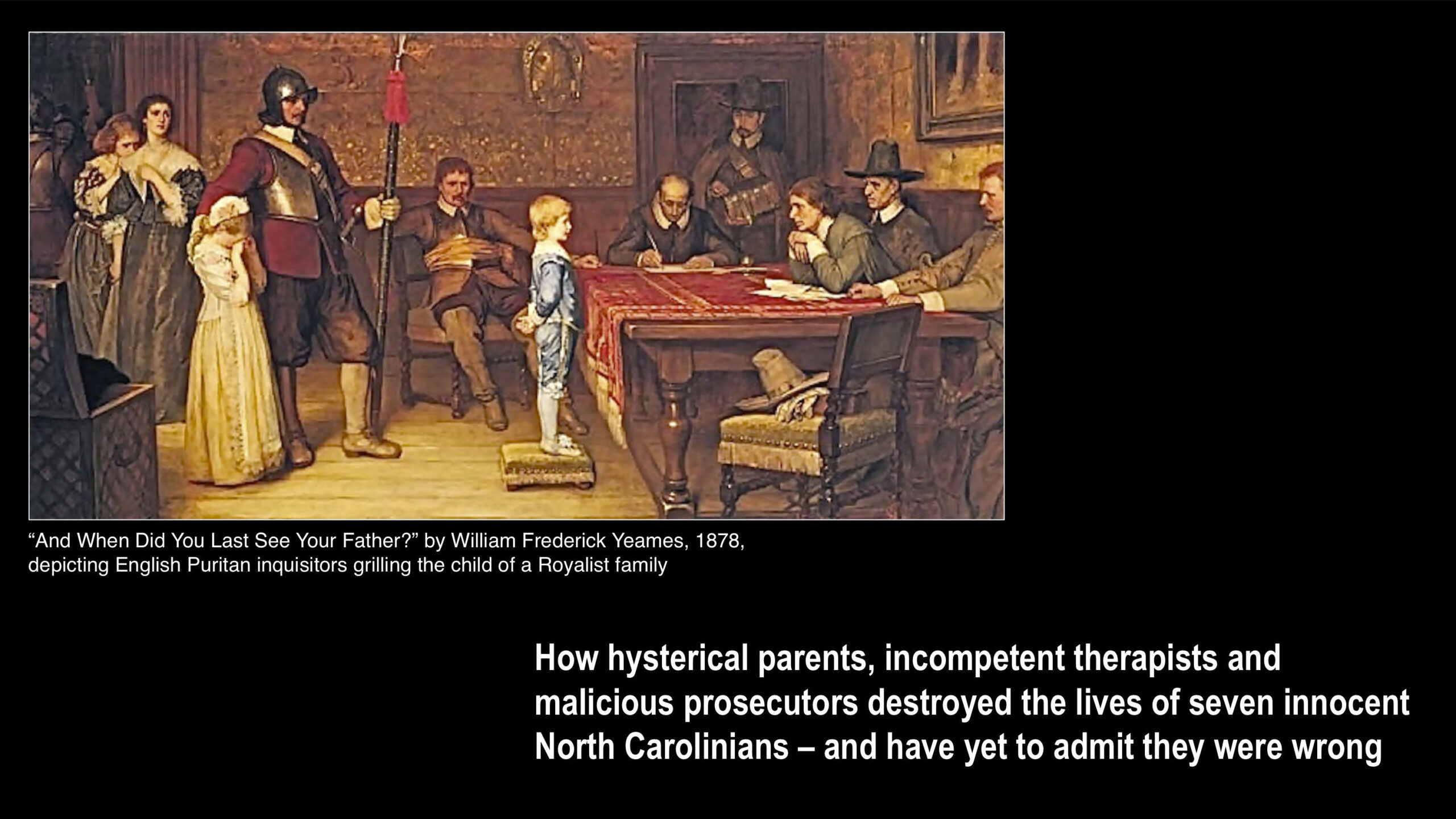
In the beginning, in 1989, more than 90 children at the Little Rascals Day Care Center in Edenton, North Carolina, accused a total of 20 adults with 429 instances of sexual abuse over a three-year period. It may have all begun with one parent’s complaint about punishment given her child.
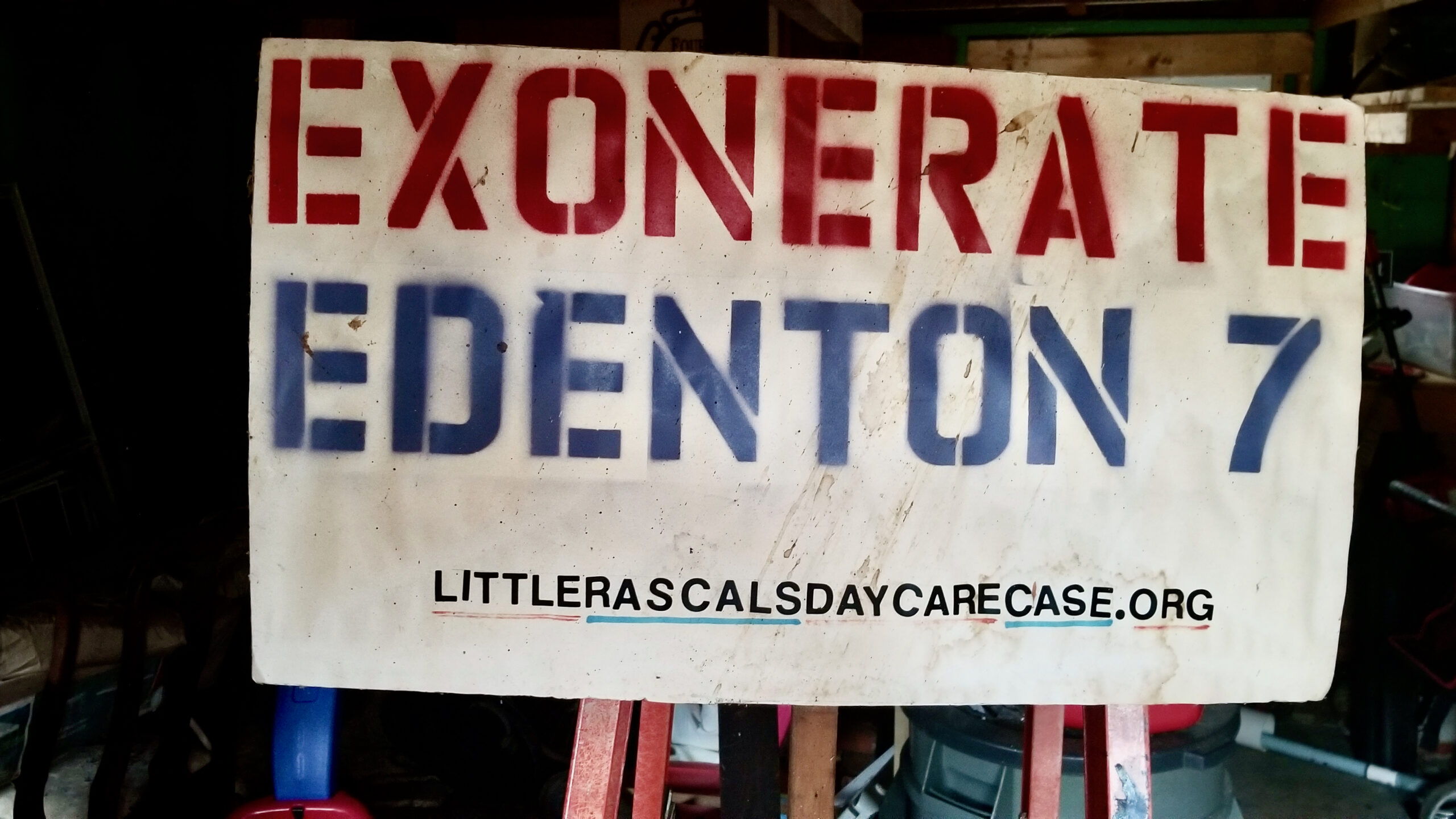
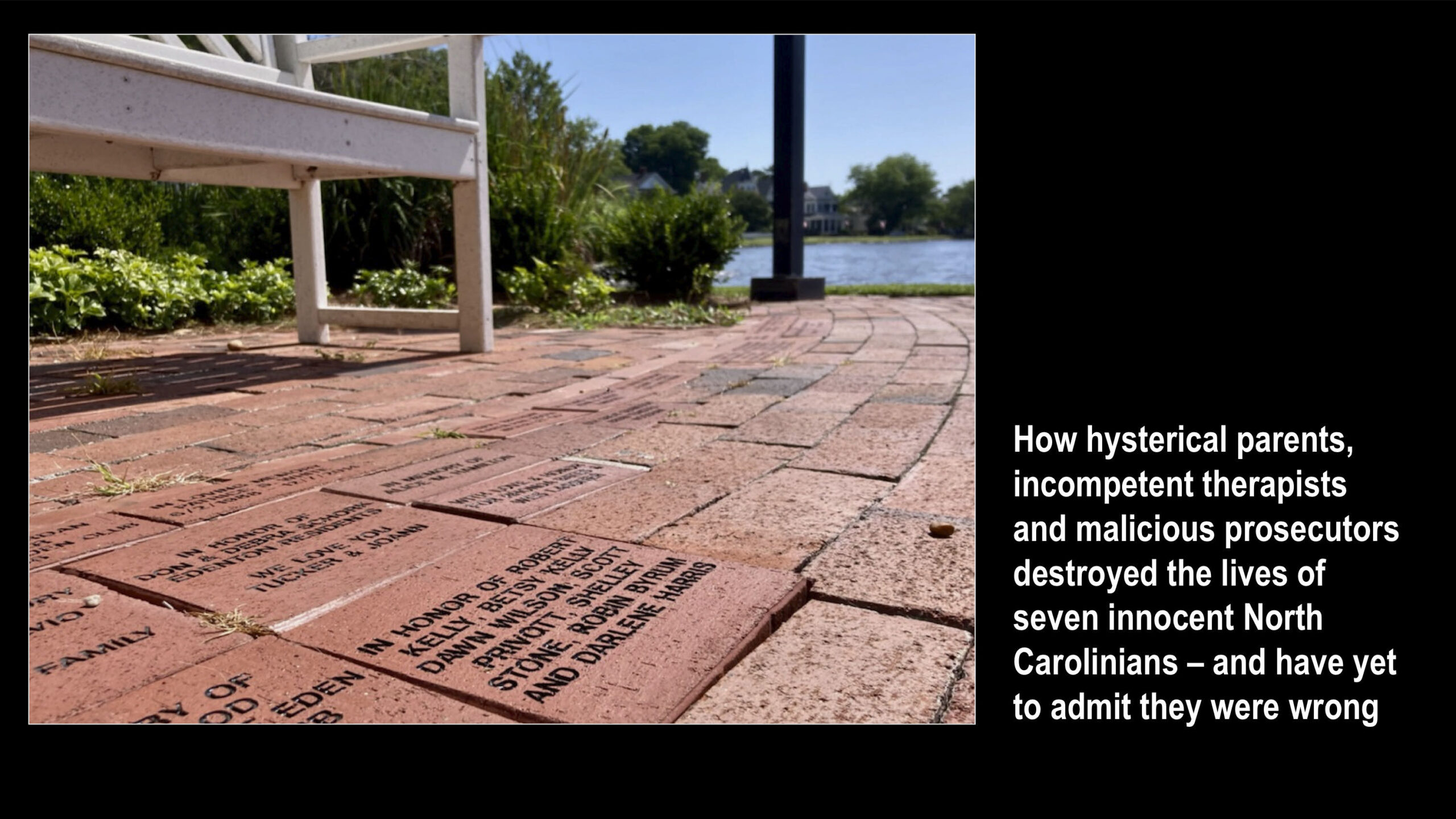
Among the alleged perpetrators: the sheriff and mayor. But prosecutors would charge only Robin Byrum, Darlene Harris, Elizabeth “Betsy” Kelly, Robert “Bob” Kelly, Willard Scott Privott, Shelley Stone and Dawn Wilson – the Edenton 7.
Along with sodomy and beatings, allegations included a baby killed with a handgun, a child being hung upside down from a tree and being set on fire and countless other fantastic incidents involving spaceships, hot air balloons, pirate ships and trained sharks.
By the time prosecutors dropped the last charges in 1997, Little Rascals had become North Carolina’s longest and most costly criminal trial. Prosecutors kept defendants jailed in hopes at least one would turn against their supposed co-conspirators. Remarkably, none did. Another shameful record: Five defendants had to wait longer to face their accusers in court than anyone else in North Carolina history.
Between 1991 and 1997, Ofra Bikel produced three extraordinary episodes on the Little Rascals case for the PBS series “Frontline.” Although “Innocence Lost” did not deter prosecutors, it exposed their tactics and fostered nationwide skepticism and dismay.
With each passing year, the absurdity of the Little Rascals charges has become more obvious. But no admission of error has ever come from prosecutors, police, interviewers or parents. This site is devoted to the issues raised by this case.
On Facebook


Little Rascals Day Care Case
This Facebook page is an offshoot of littlerascalsdaycarecase.org, which addresses the wrongful prosecution of the Edenton Seven and other such victims.

Meanwhile in Edenton....
This content isn't available right now
When this happens, it's usually because the owner only shared it with a small group of people, changed who can see it or it's been deleted.0 CommentsComment on Facebook
Allies for our cause!
This content isn't available right now
When this happens, it's usually because the owner only shared it with a small group of people, changed who can see it or it's been deleted.0 CommentsComment on Facebook
The courts have a long history of capriciously pulling the rug out from under Junior's appeals, but maybe this time....
This content isn't available right now
When this happens, it's usually because the owner only shared it with a small group of people, changed who can see it or it's been deleted.0 CommentsComment on Facebook
Click for earlier Facebook posts archived on this site
Click to go to

Today’s random selection from the Little Rascals Day Care archives….
Lack of DNA evidence opens way for injustice
 April 18, 2015
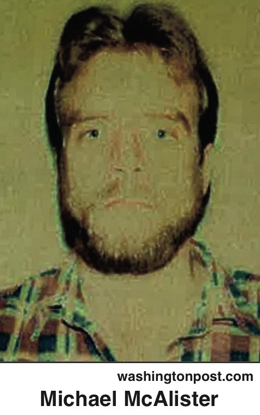
“DNA testing has been used 329 times now to prove the innocence of people wrongly convicted of a crime. But what happens when there is no DNA evidence to prove someone’s innocence? What happens when there is only his word, and the mounded doubts of the team that prosecuted and convicted him? And what happens when – despite growing certainty that it has imprisoned the wrong man for more than 20 years – the Commonwealth of Virginia stands poised to keep him locked up, possibly forever?
“Of all the maddening stories of wrongful convictions, Michael McAlister’s may be one of the worst. For starters, he has been in prison for 29 years for an attempted rape he almost certainly did not commit….”
– From “This Man Deserves a Pardon” by Dahlia Lithwick at Slate (April 13)
Michael McAlister’s story surely qualifies as “one of the worst,” but forgive me if I think Junior Chandler – coincidentally now serving his 29th year of imprisonment – has suffered every bit as much injustice. And in McAlister’s case at least a crime was actually committed, just not by him.
Sex-abuse journalism raises ‘strange question’
 Nov. 9, 2012
“Did I recognize that child sex abuse existed and was a serious problem? reporters would ask. A strange question, that. The discussion of no other crime would require such a disclaimer. Journalists who have written about false murder charges are seldom asked to provide reassurance that they know murder is a bad thing, and it really happens.”
– From “No Crueler Tyrannies: Accusations, False Witness and Other Terrors of Our Times” by Dorothy Rabinowitz (2003)
Advising parents ‘one of the damnedest things I ever did’
 Feb. 18, 2013
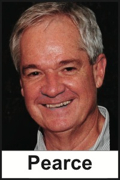
Gov. Jim Hunt was serving his fourth term (1997-2001) when prosecutors dropped the last Little Rascals charges. Although Gary Pearce, Hunt’s longtime adviser and later biographer, doesn’t remember the governor being involved in the case, Pearce experienced his own Edenton moment:
“I actually got called by one of the parents who had heard of me. I met with them and worked with them on a program that UNC-TV did (in 1993 to give parents a chance to respond to “Innocence Lost: The Verdict”). I did it just out of curiosity. It was one of the damnedest things I ever did.
“What the parents were claiming happened was, in the truest sense of the word, incredible. But they seemed absolutely and genuinely and sincerely convinced that it had happened….
“The best word to describe the whole thing is ‘gothic.’”
Defense attorneys were excluded from the program, UNC-TV director Tom Howe explained, because “We’re not really interested in getting into a tit-for-tat about guilt or innocence.”
This time, will NC Bar tell DAs to play fair?

April 20, 2016
“‘If prosecutors have an ethical duty to avoid wrongful convictions, then they should have some sort of ethical duty to remedy wrongful convictions,’ said attorney Brad Bannon of the North Carolina Bar’s ethics committee.
“He wants North Carolina to adopt a rule recommended by the American Bar Association, requiring prosecutors to come forward if they find ‘new, credible and material evidence’ that an innocent person is serving time. Thirteen states have adopted the post-conviction rule. North Carolina isn’t among them.
“The State Bar rejected the rule several years ago but recently appointed a committee to reconsider….”
– From “Rule targets prosecutors who don’t reveal innocence evidence” by Martha Waggoner of the Associated Press (April 16)
Given prosecutors’ disproportionate influence on the state bar, to even “reconsider” the disclosure rule suggests the recent stream of unbecoming publicity hasn’t gone unnoticed.
