Rascals case in brief
In the beginning, in 1989, more than 90 children at the Little Rascals Day Care Center in Edenton, North Carolina, accused a total of 20 adults with 429 instances of sexual abuse over a three-year period. It may have all begun with one parent’s complaint about punishment given her child.
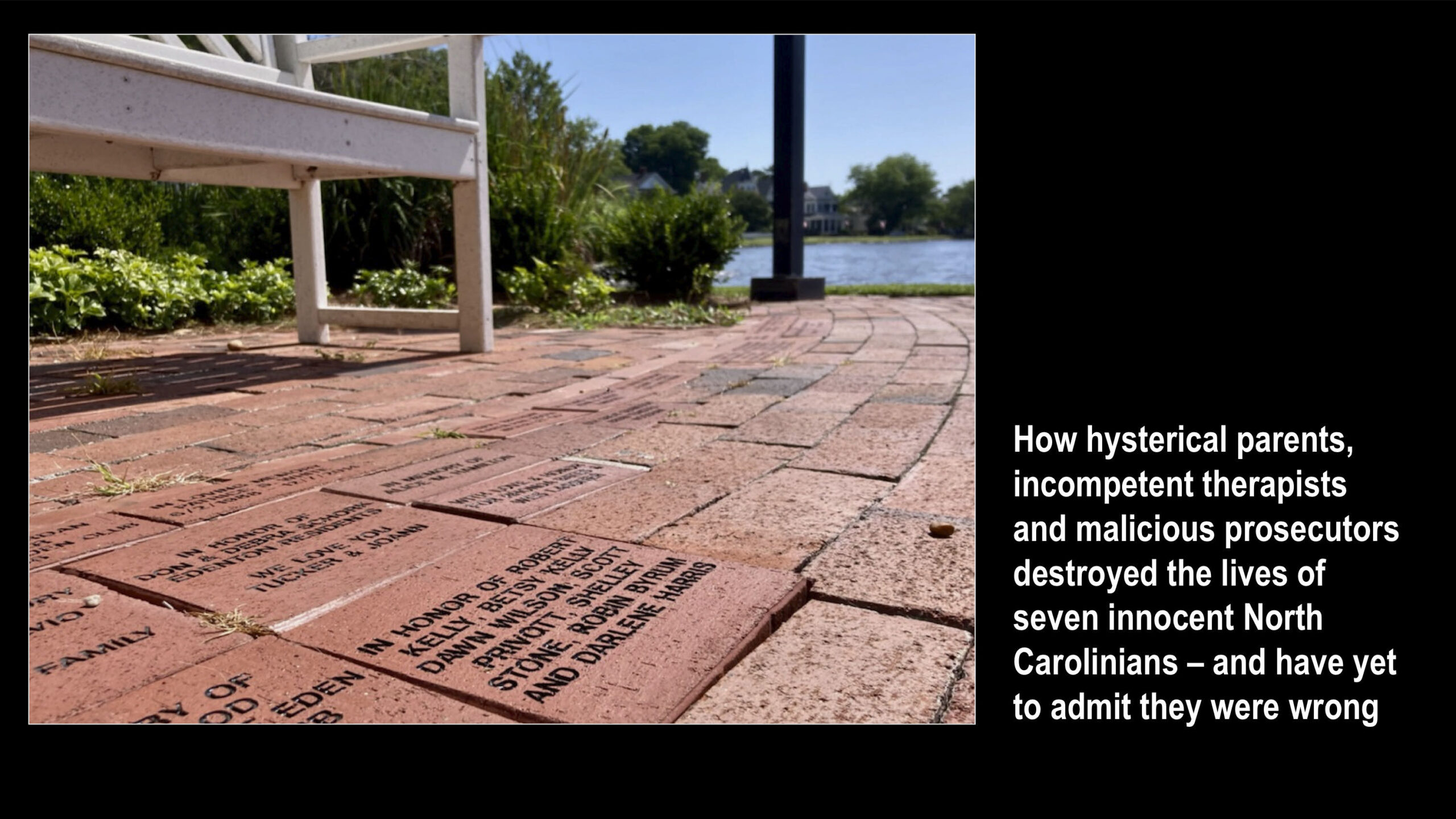
Among the alleged perpetrators: the sheriff and mayor. But prosecutors would charge only Robin Byrum, Darlene Harris, Elizabeth “Betsy” Kelly, Robert “Bob” Kelly, Willard Scott Privott, Shelley Stone and Dawn Wilson – the Edenton 7.
Along with sodomy and beatings, allegations included a baby killed with a handgun, a child being hung upside down from a tree and being set on fire and countless other fantastic incidents involving spaceships, hot air balloons, pirate ships and trained sharks.
By the time prosecutors dropped the last charges in 1997, Little Rascals had become North Carolina’s longest and most costly criminal trial. Prosecutors kept defendants jailed in hopes at least one would turn against their supposed co-conspirators. Remarkably, none did. Another shameful record: Five defendants had to wait longer to face their accusers in court than anyone else in North Carolina history.
Between 1991 and 1997, Ofra Bikel produced three extraordinary episodes on the Little Rascals case for the PBS series “Frontline.” Although “Innocence Lost” did not deter prosecutors, it exposed their tactics and fostered nationwide skepticism and dismay.
With each passing year, the absurdity of the Little Rascals charges has become more obvious. But no admission of error has ever come from prosecutors, police, interviewers or parents. This site is devoted to the issues raised by this case.
On Facebook


Little Rascals Day Care Case
This Facebook page is an offshoot of littlerascalsdaycarecase.org, which addresses the wrongful prosecution of the Edenton Seven and other such victims.

Meanwhile in Edenton....
This content isn't available right now
When this happens, it's usually because the owner only shared it with a small group of people, changed who can see it or it's been deleted.0 CommentsComment on Facebook
Allies for our cause!
This content isn't available right now
When this happens, it's usually because the owner only shared it with a small group of people, changed who can see it or it's been deleted.0 CommentsComment on Facebook
The courts have a long history of capriciously pulling the rug out from under Junior's appeals, but maybe this time....
This content isn't available right now
When this happens, it's usually because the owner only shared it with a small group of people, changed who can see it or it's been deleted.0 CommentsComment on Facebook
Click for earlier Facebook posts archived on this site
Click to go to

Today’s random selection from the Little Rascals Day Care archives….
A call to ‘look within the bowels of the human psyche’
 Aug. 5, 2014
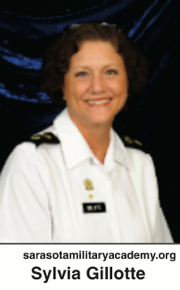
Following up on Sunday’s post about Professor Sylvia Gillotte, I’ve strung together excerpts from our lengthy email exchange about her belief in “satanic ritual abuse.” My comments are in wide paragraphs; Professor Gillotte’s are in indented paragraphs.
● ● ●
I have read your 1993 article excerpted from “Representing Children in Family Court,” in which you expressed belief that widespread ritual abuse existed in day cares.
And I see now in your summer 2014 syllabus for “Legal Perspectives on Crimes Against Children” that Dr. Randall Noblitt was the only scheduled speaker.
Does this mean you continue to believe that the “satanic ritual abuse” day-care prosecutions were justified? Or has your opinion changed in any way?
…What objection would you have to my bringing Dr. Noblitt’s professional perspective on Dissociation and Trauma into my Legal Perspectives class?
Dr. Noblitt certainly would bring his own perspective to your class, but it is a perspective that has been thoroughly discredited by numerous psychologists, psychiatrists and academics.
Most recently, for instance, his testimony in the Fran and Dan Keller case in Texas proved pivotal in the overturning of their convictions.
The “satanic ritual abuse” era is a subject in many college classrooms. Yours is the only one I know where it is framed as anything but a moral panic. Although we obviously disagree, I welcome your thoughts.
The core of my professional opinion related to ritual trauma is not based upon the day care cases that received sensational media coverage during the ’80s and ’90s…. I followed those cases as a means of better understanding cases involving evidence of similar abuse – intergenerational in nature – in a number of cases with which I was involved as statewide staff attorney of the S.C. Guardian ad Litem Program. Like many, I initially found that such allegations lacked credibility — that is, however, until the sheer weight of the circumstantial evidence forced me to move outside of the accepted paradigm…. Only then was I able to understand the organized nature of this abuse, its intergenerational aspects, and its connection to dissociative trauma.
I would take exception to the accuracy of your assertion related to the Keller case and that Dr. Noblitt’s perspective is one that “…has been thoroughly discredited by numerous psychologists, psychiatrists, and academics.” There are a quite a number of professionals in the field of law, law enforcement, psychology, and social work who differ with the opinions that were shared in the link you provided, and who continue to treat victims of ritual trauma today. These professionals span the globe and are respected, credible professionals in their field. They quietly work with victims, so as not to be tried in the court of public opinion, and they toil against huge odds at great professional cost to help bring these individuals to a place of healing.
I do not believe or find it credible that hundreds of people, from toddlers to middle aged grandmothers, representing various nationalities and walks of life, having no connection to one another, have conspired to perpetuate a lie about victimization that garners no gain, and only hurts themselves. While the artifacts evidencing their abuse may not be available due to the dynamics of its perpetration – and a level of societal denial that dissuades professional involvement – the psychological aftermath of their abuse is impossible to ignore. It is like walking through a disaster area following a storm….
What I’m not seeing in your thoughtful and caring comments is any mention of the profoundly misguided child-interviewing techniques that fostered the fantastical claims on which the day-care prosecutions were built. It’s no coincidence that publication of “Jeopardy in the Courtroom: A Scientific Analysis of Children’s Testimony” by Stephen J. Ceci and Maggie Bruck (1995) coincided with the disappearance of the multiple-victim, multiple-offenderday-care cases that had occurred during the previous decade.
Another factor in bringing this era to an end was the $7.5 million malpractice settlement awarded a patient of ritual-abuse therapist Bennett Braun.
Also, I think you understate Randy Noblitt’s remove from the rest of the professional and academic world. The letter on behalf of the Kellers was signed by 39 respected experts – how many would the prosecution have been
able to come up with in support of Noblitt? I’m guessing none.
Most recently, Allen Frances, professor emeritus of psychiatry at Duke University and chair of the DSM IV Task Force, has issued a bold personal apology for having failed to expose the theoreticians and practitioners of “ritual abuse” therapy.
Even Wikipedia, whose entries typically cite a broad range of views, has barred “ritual abuse” believers from inserting their changes and additions on the subject.
I’m not imagining that our exchange is going to lead either of us to abandon our deeply held views, but I sincerely appreciate your discussing the subject with me. Maybe next semester your “Legal Perspectives…” course might include a guest speaker on “ritual abuse” other than (or even in addition to) Dr. Noblitt?
Many of the day care cases positively contributed to the development and strengthening of interview protocols and training for professionals across the field of child abuse and neglect. I discuss this in my class….
Here is my biggest problem with your approach. You continue to refer to all claims related to ritual trauma as “fantastical,” which leads me to believe that you still don’t fully understand the dynamics of how this type of abuse is perpetrated and unfolds, or how the “fantastical” elements are consciously designed to discredit children upon disclosure to dissuade investigation. Nor do you seem to understand the organized nature of this abuse and its connections to other recognized crime….
Insurance companies often settle (malpractice) claims based upon calculations that have more to do with financial considerations than the perceived or actual liability of the individual sued. Furthermore, are you surprised that the huge settlement against Braun would have had a chilling effect upon other therapists and professionals?…
Unless you are truly open to understanding the dynamics of this abuse, you cannot understand or appreciate the difficulty in investigating and prosecuting these cases, or the dearth of empirical evidence…. I use a small portion of my Legal Perspectives on Crimes Against Children to address how law enforcement might step outside the normal investigative paradigm in order to better understand, recognize, and investigate these cases so that, one day, we might actually be able to accumulate some of the critical physical evidence and empirical data that are missing.
The thing is, Mr. Powell, you can’t do this journey without a willingness to look into the darker side of humanity. You must be willing to challenge every previously held notion that you may have about the world and how it operates. You must push past your comfort zone and look beyond the veneer and the facade to what lies beneath the surface and within the bowels of the human psyche. You must be courageous enough to swim against the tide long enough to reach still water, where you can actually study dissociative trauma and even mind control in conjunction with ritual trauma allegations. Only then will you begin to see these allegations in their true light….
It is my understanding that the Kellers appealed their conviction based on the recantation of testimony of an examining physician, Michael Mouw, M.D., not specifically on Dr. Noblitt’s testimony….
(I erred. The Kellers’ appeal did cite Noblitt’s testimony, but the district attorney based her call to overturn their convictions on only Mouw’s recantation. In the event of a retrial, however, Noblitt’s crucial “expert” status will get the scrutiny it should have received earlier.)
About the letter signed by 39 “leading” psychologists and psychiatrists: I would want to know what their qualifications are, whether or not they are members of the International Society for the Study of Trauma and Dissociation (ISSTD), how and why they can so confidently refute the existence of ritual abuse, or if they have an agenda that suggests bias such as membership in or adherence to the False Memory Syndrome Foundation (FMSF).
I Skype (Dr. Noblitt) into my Legal Perspectives class to directly answer questions my students may have about dissociative trauma in general, as Dr. Noblitt is the author of several articles, chapters, and books on the topic of dissociation and ritual abuse….
Dr. Noblitt teaches at the California School of Professional Psychology at Alliant International University — Los Angeles. During his clinical practice (1983-2006), he treated more than 300 individuals who reported ritually abusive histories. Although a frequent target of the FMSF, he was not sued nor did he lose his license to practice psychology….
Dr. Noblitt is not a Lone Ranger, any more than I. While their numbers may be dwindling due to a lack of public and professional resources and support, there are professionals who continue to assist victims and other professionals in this field. Regrettably, misunderstanding of the nature of ritual abuse and its “fantastical” elements, as well as the mishandling of many of the highly public day care cases, have each served to drive many professionals underground or into the woodwork….
The public skewering of some of these professionals may have had a chilling effect on those victims seeking justice in the legal system, but it has not stopped their need for healing, and the vast majority of the professionals who treat these victims do so at great cost to themselves, mentally, emotionally, and financially. In this regard, those engaged in the organized perpetration of this abuse have indeed won, and you are an unwitting ally. When public discourse and academic freedom have been chilled or even effectively censored by such sites as Wikipedia, we may as well be living in China when it comes to ritual abuse. ….
Finally, if you are ever in Southwest Florida, let me know. Perhaps we can continue our dialogue in person. I find e-mail rather limiting in many respects.
Ms. Gillotte, I think we have taken our conversation to its natural end, and I again want to express my appreciation. Not everyone who holds your beliefs is willing to make the case for them in such scope and intensity.
I’ll look forward to that day when “we might actually be able to accumulate some of the critical physical evidence and empirical data that is missing.”
Esteemed psychiatrist analyzes Trump – and Junior Chandler

Sept. 18, 2017
Allen Frances, professor emeritus of psychiatry at Duke University, has been generating lots of attention with his provocative and important new book, “Twilight of American Sanity: A Psychiatrist Analyzes the Age of Trump.”
What better time to look back at Dr. Frances’s 2014 call to correct the “egregious injustice” committed by the State of North Carolina against Junior Chandler.

Who killed the ritual abuse day care panic?
 April 9, 2012
“Where do epidemics go when they die?…. Have all the sadistic pedophiles closed down their day-care centers?”
– From “Mistakes Were Made (But Not by Me)” by Carol Tavris and Elliot Aronson
I asked Mary de Young, author of “The Day Care Ritual Abuse Moral Panic,” whether this epidemic might have gasped its last in Edenton as a result of “Innocence Lost.”
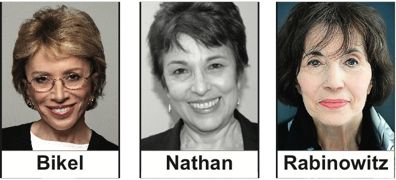
“Ofra Bikel certainly pounded a nail in its coffin,” De Young said. “Her excellent work on the Little Rascals case appeared after the last day care ritual abuse case was prosecuted, but she created a reason to be profoundly skeptical of all the cases that came before.
“I would give a lot of credit to Debbie Nathan (Village Voice) and Dorothy Rabinowitz (Wall Street Journal) for bringing an end to this craziness, but to be honest I think the moral panic really collapsed under its own weight – i.e., it was impossible to sustain these allegations in the absence of evidence, as well as to sustain the suspended disbelief that was required.”
Did prosecutors sell out for name recognition?
 Nov. 12, 2012
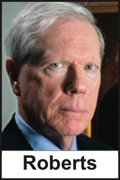
“It is not conceivable that any of the prosecutors (in cases such as Little Rascals) believed a word of the charges responsible for ruining the lives of so many people. The cases were brought for one reason alone: to gain name recognition for the prosecutors.”
– From “The Tyranny of Good Intentions: How Prosecutors and Bureaucrats Are Trampling the Constitution in the Name of Justice” by Paul Craig Roberts and Lawrence M. Stratton (2008)
Could prosecutors really have sold their souls (not to mention their public trust) for mere “name recognition”? Or did their lust for guilty verdicts blind them to the obvious?
Most days, the latter seems more likely to me. Or perhaps a hybrid….
Indisputably, however, career benefits did attach to trumpeting from the courthouse steps that you’ve sent away Bob Kelly for 12 consecutive life sentences.