Rascals case in brief
In the beginning, in 1989, more than 90 children at the Little Rascals Day Care Center in Edenton, North Carolina, accused a total of 20 adults with 429 instances of sexual abuse over a three-year period. It may have all begun with one parent’s complaint about punishment given her child.
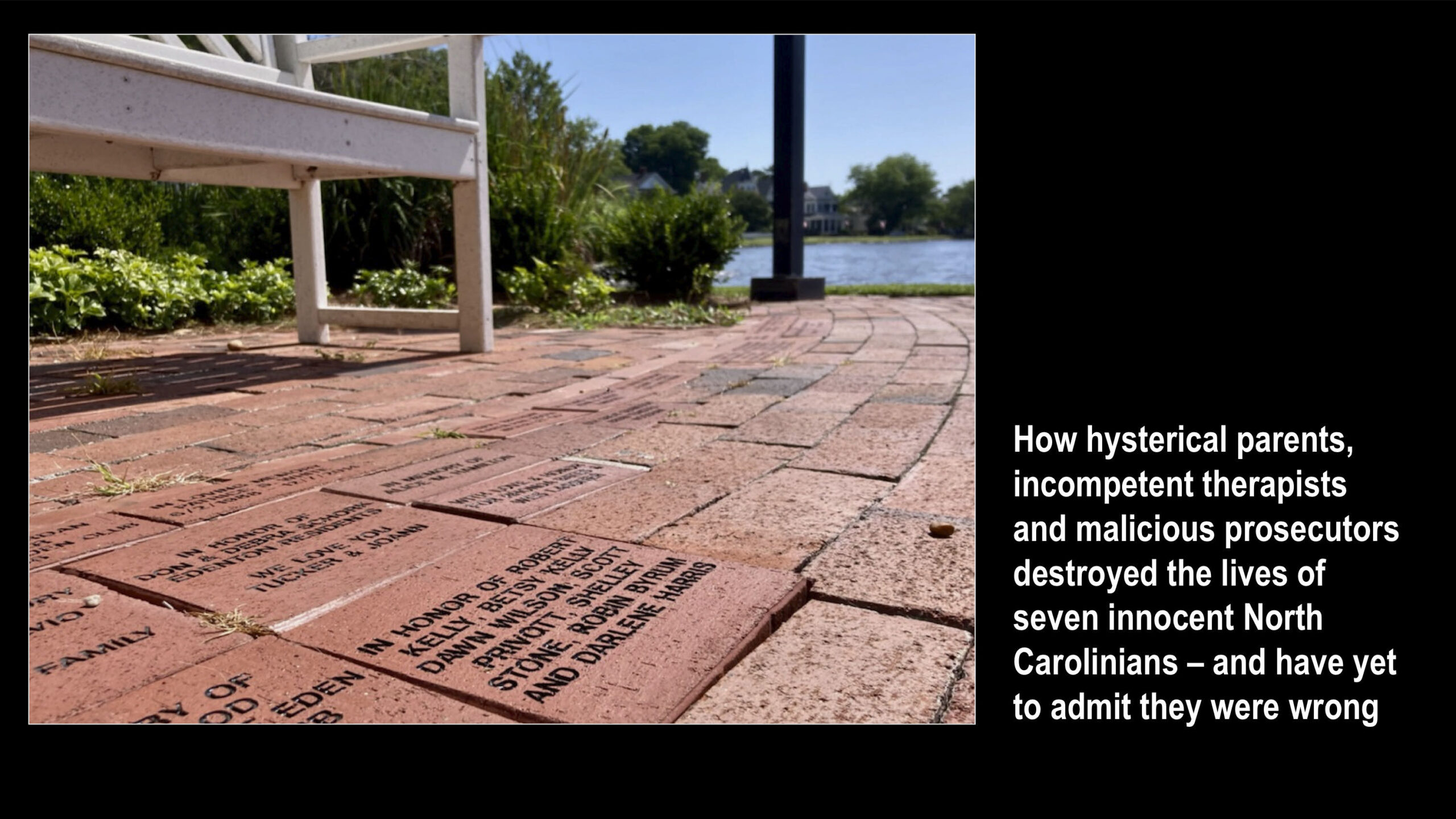
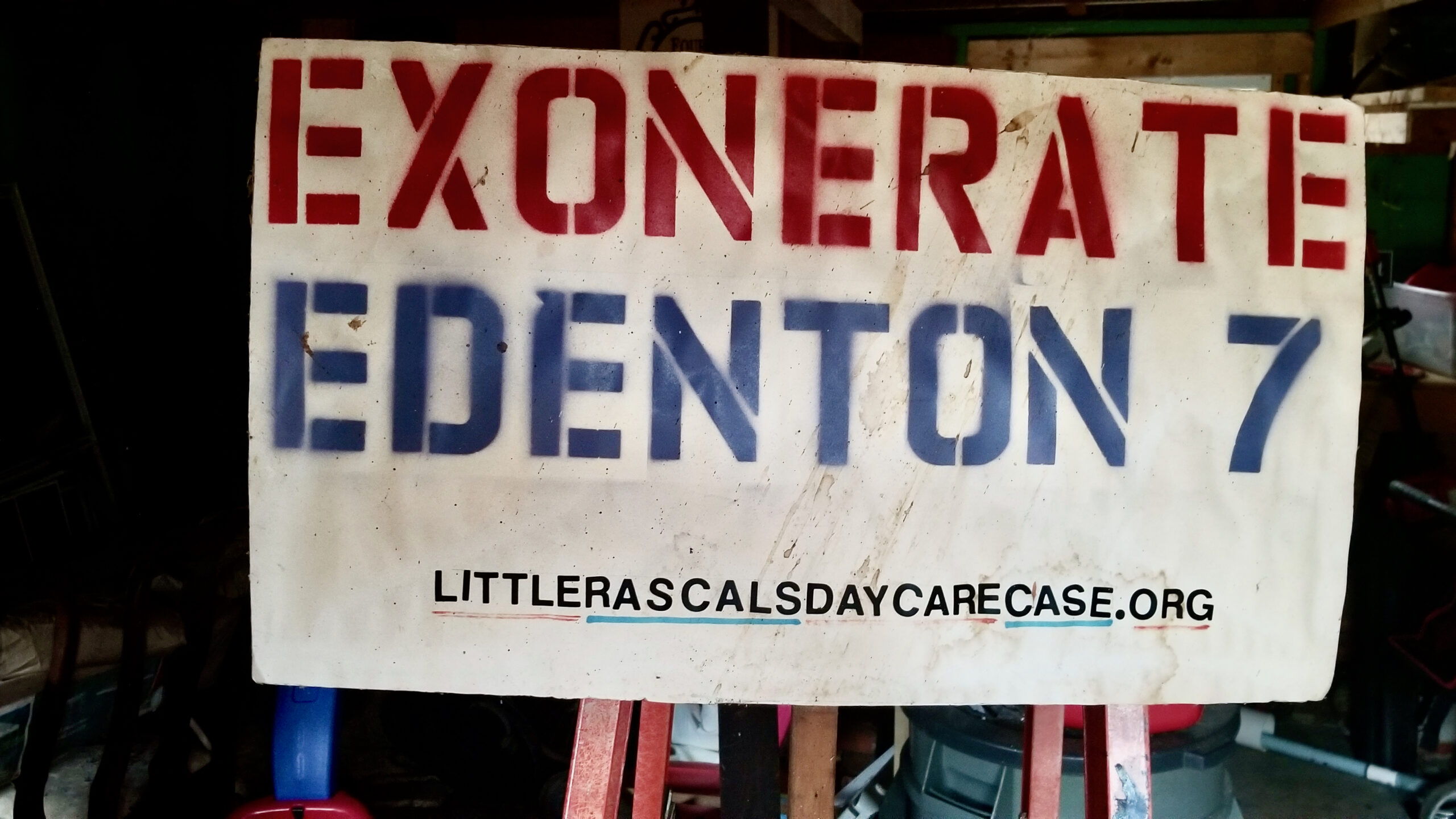
Among the alleged perpetrators: the sheriff and mayor. But prosecutors would charge only Robin Byrum, Darlene Harris, Elizabeth “Betsy” Kelly, Robert “Bob” Kelly, Willard Scott Privott, Shelley Stone and Dawn Wilson – the Edenton 7.
Along with sodomy and beatings, allegations included a baby killed with a handgun, a child being hung upside down from a tree and being set on fire and countless other fantastic incidents involving spaceships, hot air balloons, pirate ships and trained sharks.
By the time prosecutors dropped the last charges in 1997, Little Rascals had become North Carolina’s longest and most costly criminal trial. Prosecutors kept defendants jailed in hopes at least one would turn against their supposed co-conspirators. Remarkably, none did. Another shameful record: Five defendants had to wait longer to face their accusers in court than anyone else in North Carolina history.
Between 1991 and 1997, Ofra Bikel produced three extraordinary episodes on the Little Rascals case for the PBS series “Frontline.” Although “Innocence Lost” did not deter prosecutors, it exposed their tactics and fostered nationwide skepticism and dismay.
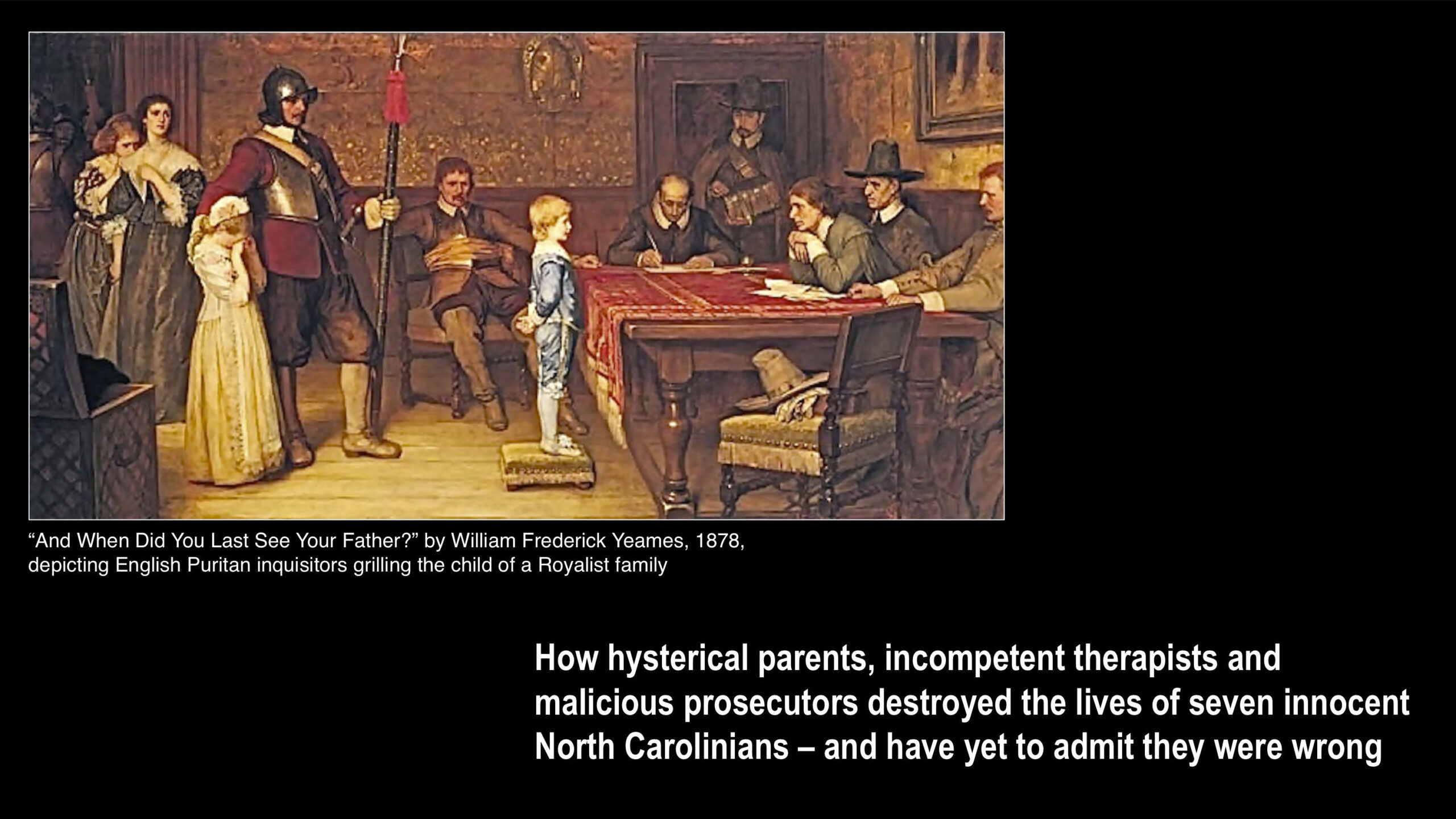
With each passing year, the absurdity of the Little Rascals charges has become more obvious. But no admission of error has ever come from prosecutors, police, interviewers or parents. This site is devoted to the issues raised by this case.
On Facebook


Little Rascals Day Care Case
This Facebook page is an offshoot of littlerascalsdaycarecase.org, which addresses the wrongful prosecution of the Edenton Seven and other such victims.

Meanwhile in Edenton....
This content isn't available right now
When this happens, it's usually because the owner only shared it with a small group of people, changed who can see it or it's been deleted.0 CommentsComment on Facebook
Allies for our cause!
This content isn't available right now
When this happens, it's usually because the owner only shared it with a small group of people, changed who can see it or it's been deleted.0 CommentsComment on Facebook
The courts have a long history of capriciously pulling the rug out from under Junior's appeals, but maybe this time....
This content isn't available right now
When this happens, it's usually because the owner only shared it with a small group of people, changed who can see it or it's been deleted.0 CommentsComment on Facebook
Click for earlier Facebook posts archived on this site
Click to go to

Today’s random selection from the Little Rascals Day Care archives….
The shocking ease of installing ‘lost memories’
 Feb. 13, 2015
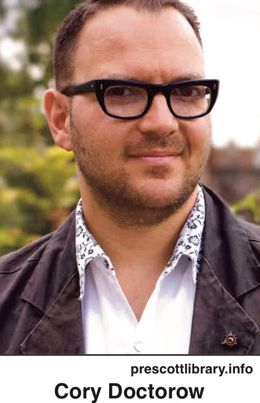
“Psychologists terminated a study (of 70 students at a Canadian university) that showed the ease of implanting false memories of committing terrible, violent crimes in the recent past – because some subjects couldn’t be convinced that they hadn’t committed the crime after they were told the truth.”
– From “Police interrogation techniques generate false memories of committing crimes” by Cory Doctorow at Boing Boing (Feb. 9)
More on this recent study from Sarah Barmak at the Toronto Star:
“If subjects said they couldn’t remember the false event, questioners reassured them they would be able to retrieve their ‘lost memories’ if they tried hard enough. If they began to ‘remember,’ experimenters asked for more detail. Do you recall any images? How did you feel? Visualize what it might have been like, they said, and the memory will come back to you….”
“Lost memories,” of course, were the fool’s gold mined so relentlessly by the prosecution therapists in the Little Rascals Day Care case. Remarkably, it took only three 40-minute sessions for the Canadian researchers to corrupt the memories of fully 70 percent of their college-age subjects – the Little Rascals children required months of implantation!
What white people believed that black people doubted
Oct. 14, 2014
“(Bob) Kelly’s father-in-law, Warren Twiddy, says that blacks are the only people in Edenton who still treat him like a human being.
“One black woman, calling the whole episode a Salem witch hunt, told me she was so ashamed she had removed the Edenton license plates from her car.”
– From “Nursery witch hunt” by Ambrose Evans-Pritchard in the Sunday Telegraph of London (Aug. 3, 1993)
Court finds Hart’s ploy ‘grossly improper’
March 16, 2012
“The appeals court called a maneuver (in Dawn Wilson’s trial) by the chief special prosecutor, Bill Hart, ‘grossly improper.’
“The judges found that Hart had tried to impugn the reputation of Wilson by placing in the courtroom audience two people whose presence was likely to intimidate Wilson.
“Hart never called the pair as witnesses, but… by his actions had implied to Wilson that he intended to use the two people against her in a way that might result in self-incrimination.”
– From the (Norfolk) Virginian-Pilot, May 3, 1995
In 1995 the N.C. Court of Appeals overturned her conviction. And then of course the prosecutors rushed to apologize to Dawn Wilson for their disgraceful vilification.
At last, book lays bare ‘satanic ritual abuse’ era
 Aug. 10, 2015
Since I undertook this blog in 2011, I’ve been waiting for a mass-market book that recalls the “satanic ritual abuse” day-care era with authority, insight and thoroughness.
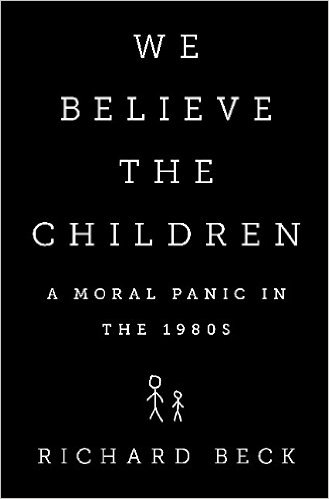
“We Believe the Children: A Moral Panic in the 1980s” comes pretty darn close to meeting that standard. (I do wish author Richard Beck had addressed the significant post-panic contributions of Richard Noll and Allen Frances.)
I’ll be posting excerpts from the book and later an interview with Beck.
Meanwhile, I’ve been pleased to see the reviews in the news media – so far, all largely appreciative.
“…This book does a devil of a job correcting… all the lies and self-deceptions, so credulously believed in the 1980s….”
– From “Child Abuse Cases Endure as Lessons in Hysteria” by Mark Oppenheimer in The New York Times (Aug. 6)
“ ‘We Believe the Children’ should serve to remind us of the dangers of the ‘we must believe the victim’ mindset in the case of any criminal offense. A faith-based pursuit of justice can lead to a miscarriage of justice.”
– From “What Fueled the Child Sex Abuse Scandal That Never Was?” by Lizzie Crocker at the Daily Beast (Aug. 3)
“ ‘We Believe the Children’ reveals the various combinations of ignorance, venality, arrogance and zealotry that characterized the major players who fueled the moral panic.”
– From “A Very Model Moral Panic” by Carol Tavris in the Wall Street Journal (Aug. 7)
Here also is a radio interview with Beck and – inevitably – a response from witch-hunt denier Ross Cheit.