Rascals case in brief
In the beginning, in 1989, more than 90 children at the Little Rascals Day Care Center in Edenton, North Carolina, accused a total of 20 adults with 429 instances of sexual abuse over a three-year period. It may have all begun with one parent’s complaint about punishment given her child.
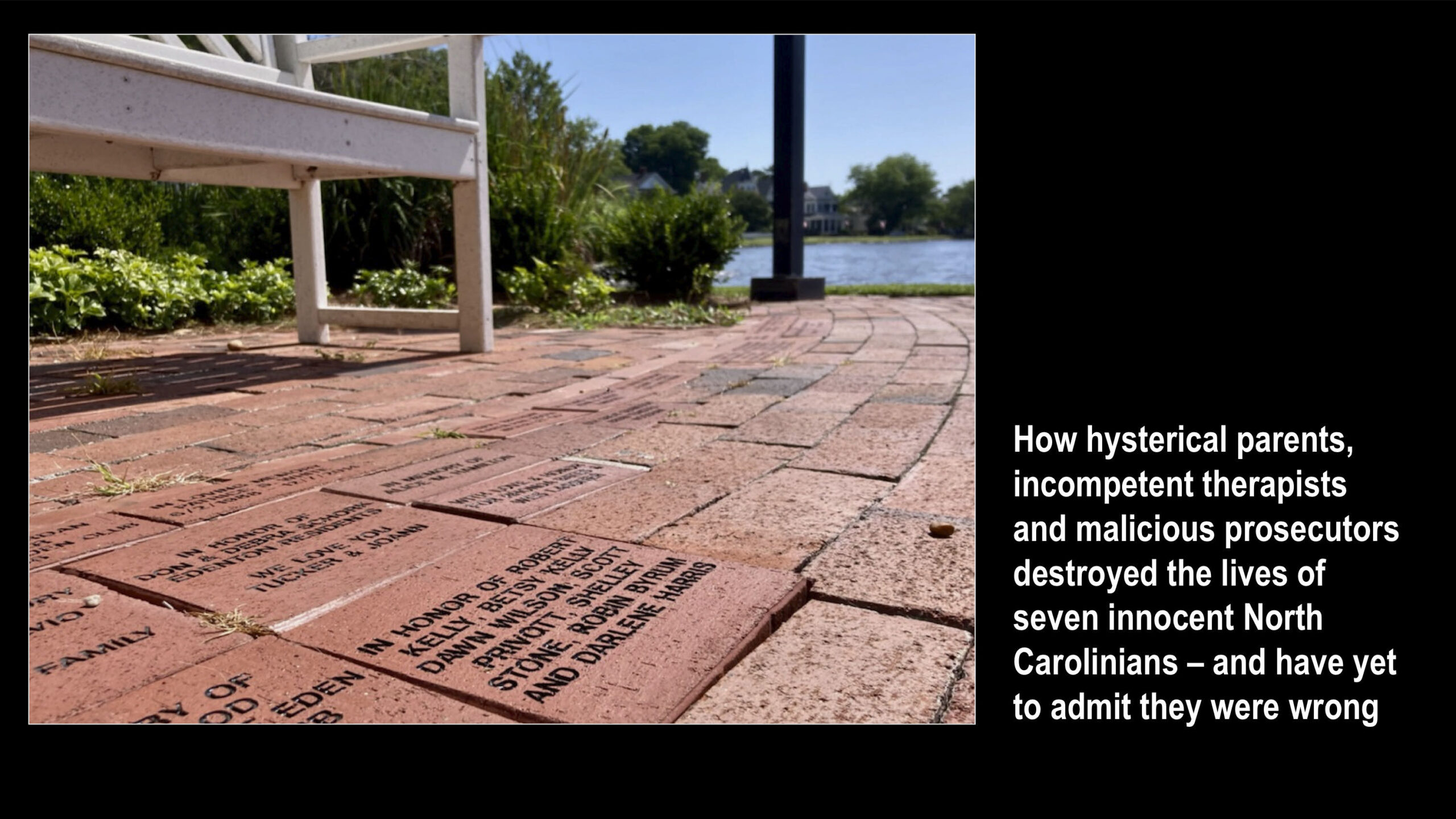
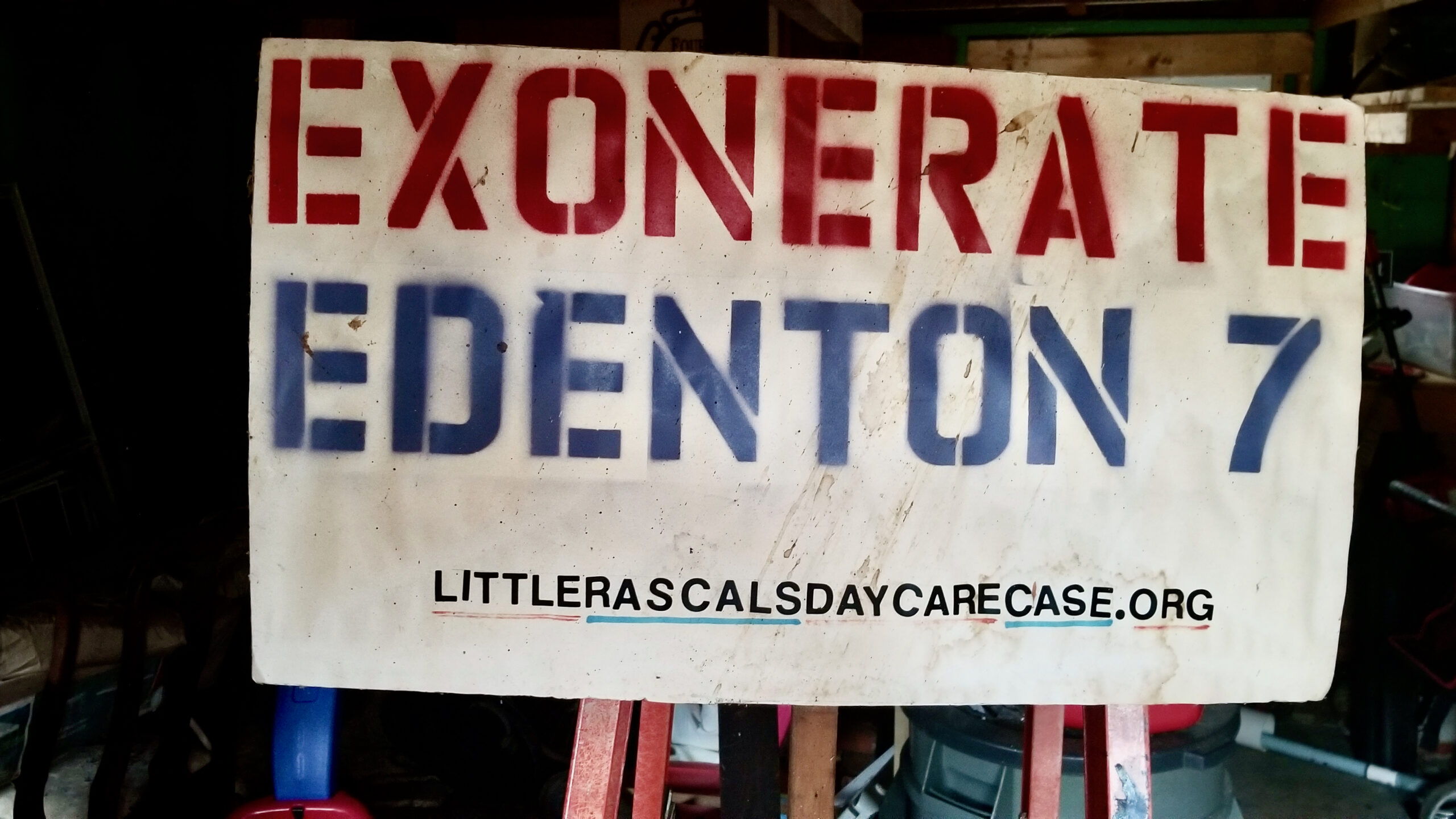
Among the alleged perpetrators: the sheriff and mayor. But prosecutors would charge only Robin Byrum, Darlene Harris, Elizabeth “Betsy” Kelly, Robert “Bob” Kelly, Willard Scott Privott, Shelley Stone and Dawn Wilson – the Edenton 7.
Along with sodomy and beatings, allegations included a baby killed with a handgun, a child being hung upside down from a tree and being set on fire and countless other fantastic incidents involving spaceships, hot air balloons, pirate ships and trained sharks.
By the time prosecutors dropped the last charges in 1997, Little Rascals had become North Carolina’s longest and most costly criminal trial. Prosecutors kept defendants jailed in hopes at least one would turn against their supposed co-conspirators. Remarkably, none did. Another shameful record: Five defendants had to wait longer to face their accusers in court than anyone else in North Carolina history.
Between 1991 and 1997, Ofra Bikel produced three extraordinary episodes on the Little Rascals case for the PBS series “Frontline.” Although “Innocence Lost” did not deter prosecutors, it exposed their tactics and fostered nationwide skepticism and dismay.
With each passing year, the absurdity of the Little Rascals charges has become more obvious. But no admission of error has ever come from prosecutors, police, interviewers or parents. This site is devoted to the issues raised by this case.
On Facebook


Little Rascals Day Care Case
This Facebook page is an offshoot of littlerascalsdaycarecase.org, which addresses the wrongful prosecution of the Edenton Seven and other such victims.

Meanwhile in Edenton....
This content isn't available right now
When this happens, it's usually because the owner only shared it with a small group of people, changed who can see it or it's been deleted.0 CommentsComment on Facebook
Allies for our cause!
This content isn't available right now
When this happens, it's usually because the owner only shared it with a small group of people, changed who can see it or it's been deleted.0 CommentsComment on Facebook
The courts have a long history of capriciously pulling the rug out from under Junior's appeals, but maybe this time....
This content isn't available right now
When this happens, it's usually because the owner only shared it with a small group of people, changed who can see it or it's been deleted.0 CommentsComment on Facebook
Click for earlier Facebook posts archived on this site
Click to go to

Today’s random selection from the Little Rascals Day Care archives….
Alarmed ‘Frontline’ viewers turned to governor
 July 10, 2014
“Thank you for your letter expressing your concerns about the prosecution of the Little Rascals Day Care Center personnel in Chowan County. Although this matter is outside my jurisdiction as head of the executive branch, I appreciate your interest in the administration of justice in North Carolina….
“I would suggest that it might be appropriate to wait until after the trial when all the evidence has been heard before reaching conclusions about the correctness of actions taken by (District Attorney H.P. Williams) and the court.
“North Carolina has had a long history of evenhandedness in the administration of justice, and I am confident that the tradition continues to be in effect. Nonetheless, if you wish to express your concerns directly to the District Attorney, his address is…..”
– From Gov. Jim Martin’s response to PBS viewers appalled by the first installment of “Innocence Lost” (May 7, 1991)
Last week I found in the State Archives in Raleigh about a dozen letters beseeching Gov. Martin to look into the case. Although significantly less heated than those addressing the mayor of Edenton, the letters expressed alarm about the plight of the Edenton Seven:
“As a member of Amnesty International, I write letters to officials of foreign governments, many of them without democratic governments or traditions, urging them to look into the cases of people being unjustly treated…. (In Edenton) one fact cannot be ignored: Defendants have been held in jail without a trial for close to two years….”
– Laura J. Reid, New York City
“I was disturbed by the incredibly high bonds recommended by the District Attorney and allowed by the Judge…. I would hope that you will personally intervene to request judicial review of the bonds set….”
– Steven J. Edwards, Decatur, Ga.
“As a former teacher, I can assure you that children – especially young children – can easily be coaxed, cajoled or pressured into say just about anything an adult might wish them to say.”
– S.T. Reynolds, Woodland, Calif.
I have asked Gov. Martin, now retired and living at Lake Norman, to discuss his views of the Little Rascals case both then and now. I’ll be posting his response soon.
A rare chance to watch the story unfold
 May 20, 2013
The day-care ritual-abuse era generated a wealth of words, many of which have been cited here. Aside from the epic “Innocence Lost,” however, little video evidence remains.
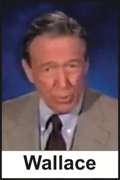
Just made available on our Bookshelf of Case Materials is the hour-long 1999 CBS documentary “Child Sex Scandals: Modern Day Witch-Hunt?”
Part of correspondent Mike Wallace’s “20th Century” series, it includes basic coverage of the McMartin, LIttle Rascals and Kelly Michaels day-care prosecutions, as well as the closely-akin “recovered memory” movement.
Especially salient are the 30-second comments from key combatants in the opinion arena such as Maggie Bruck, Roland Summit, Elizabeth Loftus, and Mark Pendergrast.
A last chance at freedom – or the end of the road
 Feb. 15, 2012
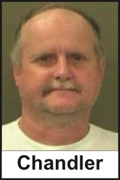
I asked Mark Montgomery for an update on Junior Chandler’s latest appeal of his two life sentences for child sexual abuse:
“There are two prongs to the appeal. First, I am asking the N.C. Supreme Court to simply do the right thing by Junior. The Court said in 2010 that expert testimony like that in Junior’s case is (and was) inadmissible. That being the case, it is fundamentally unfair for Junior to be facing the rest of his life in prison, when many defendants have been freed because this sort of testimony was used against them at trial.
“Second, Junior’s lawyer objected to the testimony but did not raise the issue on appeal. I argued in a motion in Superior Court that the lawyer was ineffective for abandoning the issue. The Superior Court judge denied the motion without a hearing. If the Supreme Court will not itself set aside Junior’s convictions, it should at least require a hearing on trial counsel’s conduct.”
This is how the process works: “Petitions such as Junior’s go to one of the six associate justices. He or she decides what should be done and then presents the case to the court as a whole in a monthly (sort of) closed door meeting. The justices then vote on whether to grant the petition. If the Court grants the petition, it usually requires full briefs from both parties, but may decide the case of the basis of the petition and the State’s response alone.
“If it denies the petition, that’s the end of the road.”
The court could respond as early as April 13, according to this chart of petitions allowed and denied.
‘No abuse until the interviews began….’
Feb. 11, 2013
“After reading a number of these interviews (of children) in the Wee Care (Kelly Michaels) case, it is difficult to believe that adults charged with the care and protection of young children would be allowed to use the vocabulary that they used in these interviews, that they would be allowed to interact with the children in such sexually explicit ways, or that they would be allowed to bully and frighten their child witnesses in such a shocking manner. No amount of evidence that sexual abuse had actually occurred could ever justify the use of these techniques especially with three- and four-year-old children.
“Above and beyond the great stress, intimidation, and embarrassment that many of the children so obviously suffered during the interviews, we are deeply concerned about the long-lasting harmful effects of persuading children that they have been horribly sexually and physically abused, when in fact there may have been no abuse until the interviews began….”
– From an amicus curiae brief to the Appellate Court of New Jersey from Stephen Ceci and Maggie Bruck on behalf of the 46-member Committee of Concerned Social Scientists (1994)