Rascals case in brief
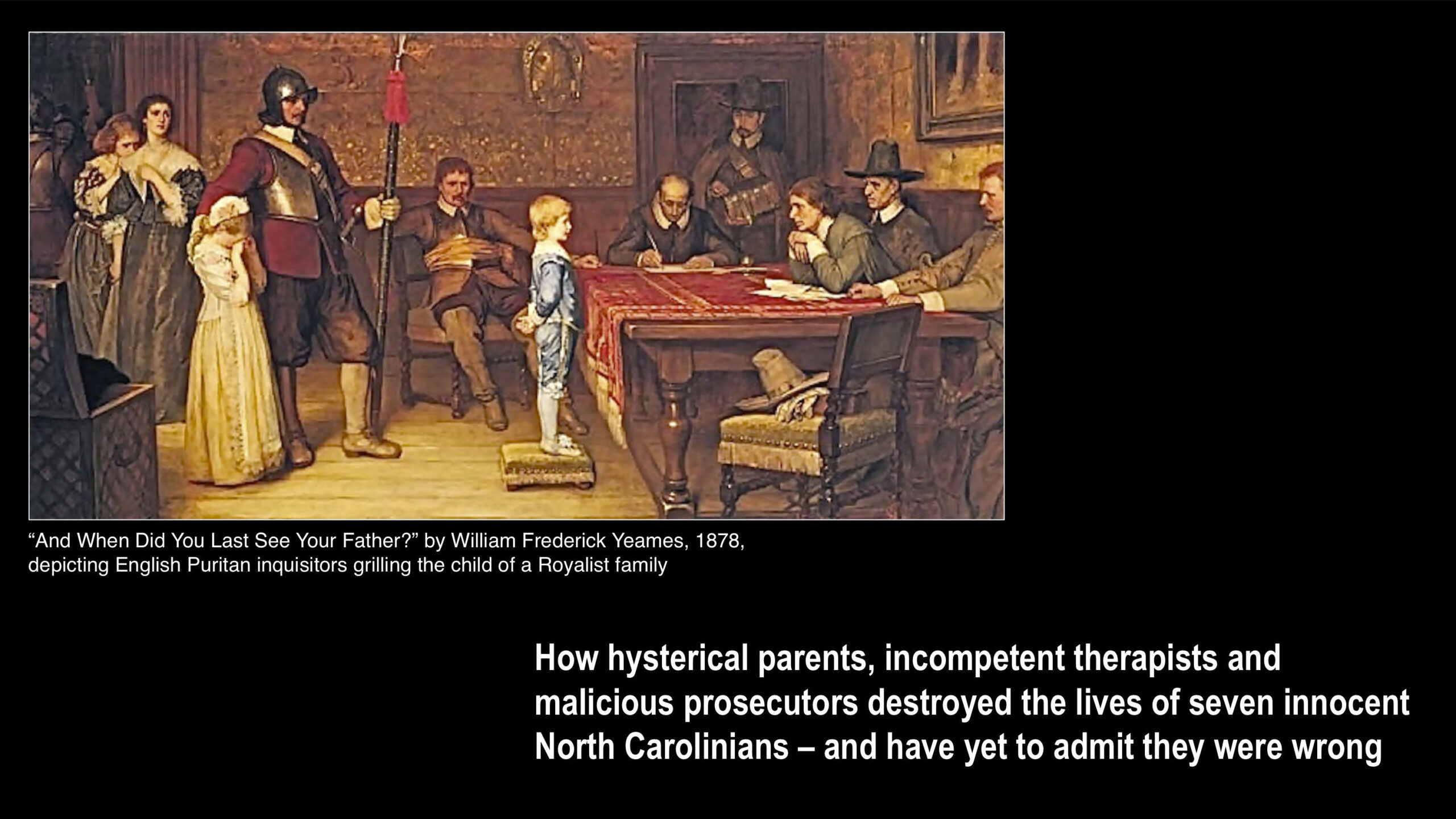
In the beginning, in 1989, more than 90 children at the Little Rascals Day Care Center in Edenton, North Carolina, accused a total of 20 adults with 429 instances of sexual abuse over a three-year period. It may have all begun with one parent’s complaint about punishment given her child.
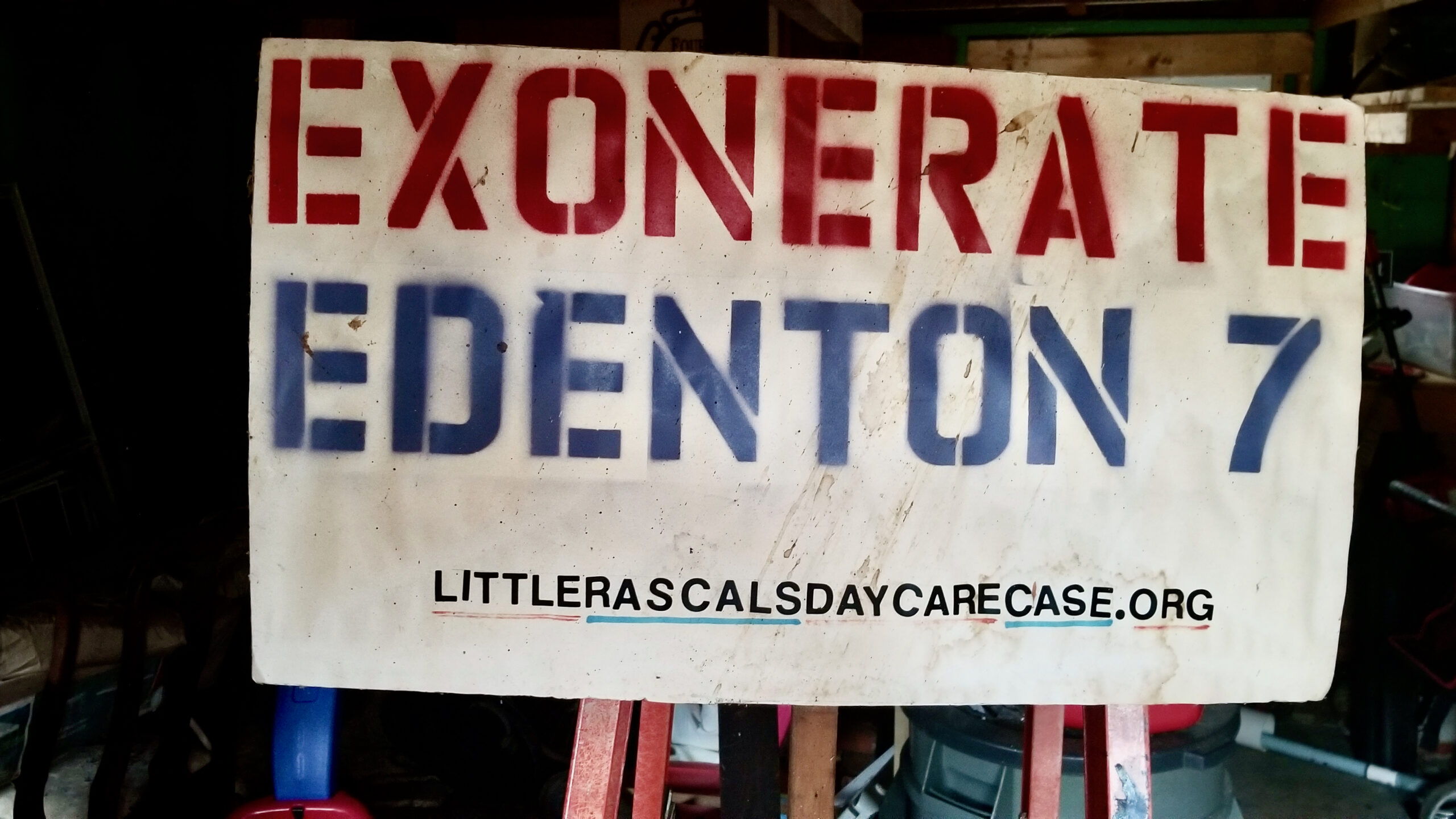
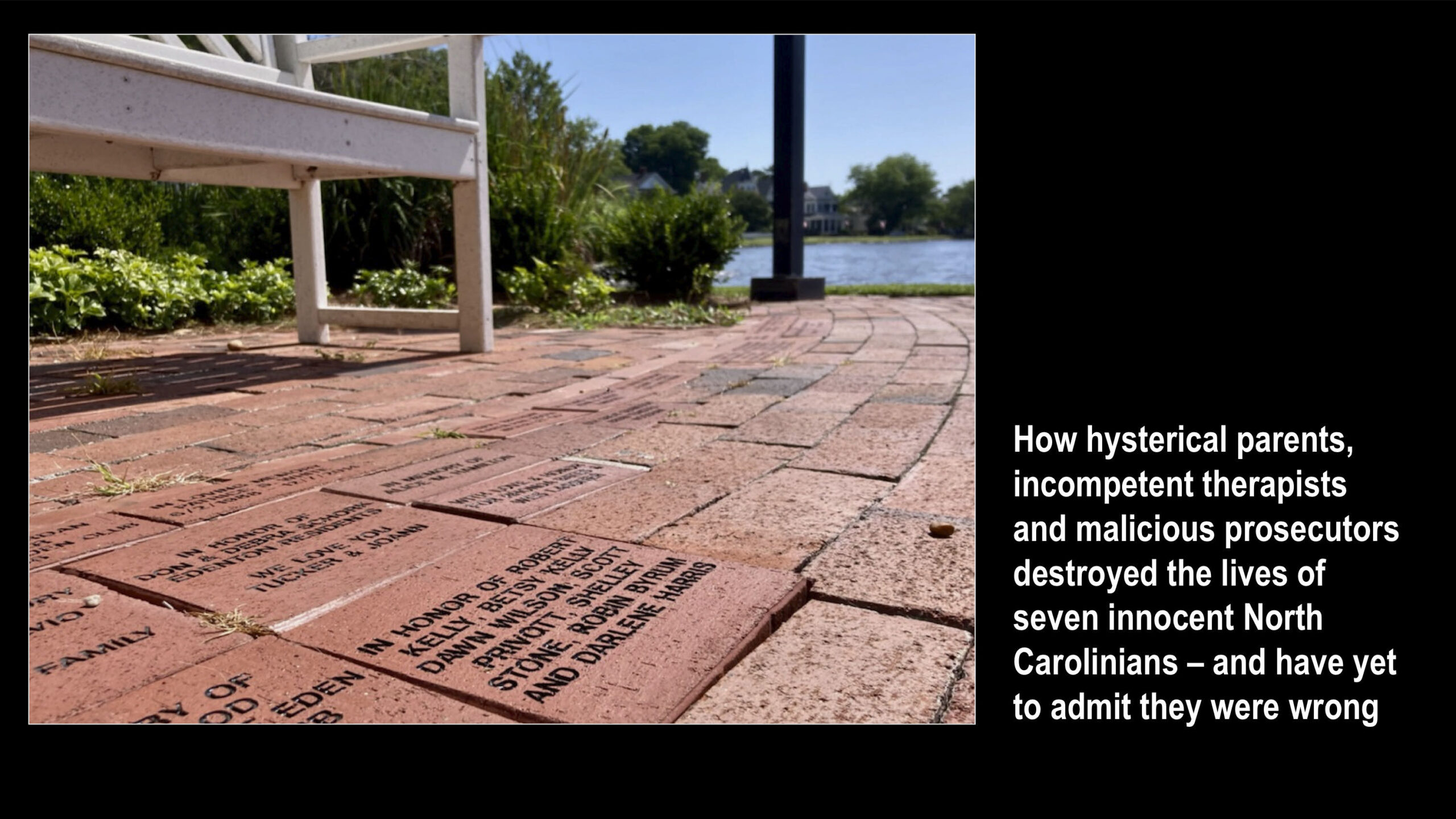
Among the alleged perpetrators: the sheriff and mayor. But prosecutors would charge only Robin Byrum, Darlene Harris, Elizabeth “Betsy” Kelly, Robert “Bob” Kelly, Willard Scott Privott, Shelley Stone and Dawn Wilson – the Edenton 7.
Along with sodomy and beatings, allegations included a baby killed with a handgun, a child being hung upside down from a tree and being set on fire and countless other fantastic incidents involving spaceships, hot air balloons, pirate ships and trained sharks.
By the time prosecutors dropped the last charges in 1997, Little Rascals had become North Carolina’s longest and most costly criminal trial. Prosecutors kept defendants jailed in hopes at least one would turn against their supposed co-conspirators. Remarkably, none did. Another shameful record: Five defendants had to wait longer to face their accusers in court than anyone else in North Carolina history.
Between 1991 and 1997, Ofra Bikel produced three extraordinary episodes on the Little Rascals case for the PBS series “Frontline.” Although “Innocence Lost” did not deter prosecutors, it exposed their tactics and fostered nationwide skepticism and dismay.
With each passing year, the absurdity of the Little Rascals charges has become more obvious. But no admission of error has ever come from prosecutors, police, interviewers or parents. This site is devoted to the issues raised by this case.
On Facebook


Little Rascals Day Care Case
This Facebook page is an offshoot of littlerascalsdaycarecase.org, which addresses the wrongful prosecution of the Edenton Seven and other such victims.

Meanwhile in Edenton....
This content isn't available right now
When this happens, it's usually because the owner only shared it with a small group of people, changed who can see it or it's been deleted.0 CommentsComment on Facebook
Allies for our cause!
This content isn't available right now
When this happens, it's usually because the owner only shared it with a small group of people, changed who can see it or it's been deleted.0 CommentsComment on Facebook
The courts have a long history of capriciously pulling the rug out from under Junior's appeals, but maybe this time....
This content isn't available right now
When this happens, it's usually because the owner only shared it with a small group of people, changed who can see it or it's been deleted.0 CommentsComment on Facebook
Click for earlier Facebook posts archived on this site
Click to go to

Today’s random selection from the Little Rascals Day Care archives….
‘You don’t just brush off 24 years of a man’s life’
 Oct. 12, 2012
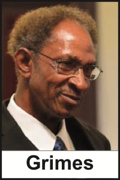
The exoneration of Willie Grimes warms my heart, and not just because the 66-year-old parolee has become “Free at last!” after a 1987 rape conviction in Hickory.
As often lamented on this site, prosecutors such as those in the Little Rascals case simply refuse to acknowledge, much less take responsibility for their mistakes.
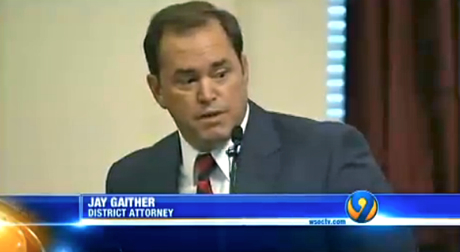
In the Grimes case, however, District Attorney Jay Gaither told the Innocence Inquiry Commission panel, “The State cannot argue any conclusion other than for innocence in the case of Willie Grimes,” then rested the state’s case and sat down.
Afterward, he explained that “In this week’s presentation of evidence we counted no less than 35 pieces of evidence and testimony in support of innocence…. The fact that the three-judge panel was so emphatic in its conclusion and decision only strengthens the confidence I have in our decision.”
 But Gaither went even further, on camera and rebroadcast by WSOC-TV: “On behalf of the district attorneys of North Carolina, I want to offer an apology to Willie Grimes.”
Yes – an apology!
Although the Grimes conviction occurred long before Gaither took office in 2002, DAs often feel compelled to defend even their predecessors’ performance. As former New York prosecutor Bennett Gershman has observed, “The prosecutor can’t do anything that undermines the public’s confidence in the prosecutor’s office. Once the public begins to doubt that prosecutors convict guilty people – that there may be mistakes in the system – that undermines confidence in the prosecutor….”
Gaither took the opposite approach. “You don’t just brush off 24 years of a man’s life and go on,” he told me Wednesday. “A series of events denied Mr. Grimes a fair trial. Closure was required.
“I wanted the public, as well as Mr. Grimes, to know that we weren’t just beat down, but that we were actually sorry.” (Click Gaither’s picture above to watch the broadcast that includes video of the courtroom apology.)
Also notable is how Gaither framed his apology: “I was speaking not so much for district attorneys as individuals, as for the State of North Carolina…. Only 44 of us have that right to say ‘The state says….’ ”
In this case, that right was admirably used. Would that it happened more often.
How hard it was to say, ‘Boy, was I wrong’
 Aug. 10, 2012
Carol Tavris:
“After the McMartin trial in 1986, I wrote an article for the Los Angeles Times about research that had been done on how to interview children in sex abuse cases. Evidence at the time suggested that sometimes you have to ask children leading questions or they will not tell you they have been molested.
“For example, if you interviewed a child after a genital examination and you asked her just to tell what the doctor did, almost no child would volunteer that the doctor touched her genitals. But if you asked a leading question, such as, ‘The doctor touched your private parts, didn’t he?’ the children would say ‘yes.’ The L.A. Times headlined this article, ‘Do Children Lie? Not About This.’
“Of course that was preposterous. Of course children lie ‘about this’ and lots of other things. But my essay, although based on research at the time, helped support the child advocates who were on a rampage against child molesters, and who were running around saying ‘children never lie’ and selling bumper stickers that said ‘Believe the Children.’’ I didn’t foresee that prosecutors and therapists would use these same studies to coerce the hell out of kids.
“When I think of my own embarrassment about that little article, and how hard it was to say, ‘Boy, was I wrong about that research,’ I realize how difficult it must be for all those ‘believe the children’ people to acknowledge they were wrong, too. In fact, most of them haven’t. They are more entrenched than ever in their pernicious beliefs.”
– From “The Measure of a Woman: An Interview with Social Scientist Carol Tavris”
in Skeptic magazine (Feb. 9, 2011)
Parent said God knew better than ‘Frontline’
April 17, 2013
“One day you will stand before almighty God and be accountable for that which you have done here on Earth, and no amount of lies and manipulation, no ‘Frontline’ presentation will be able to hide the truth from him. He knows every sordid detail and I pity you for that.”
– From a statement read by Little Rascals parent Susan Small at the plea-agreement hearing of Scott Privott (June 16, 1994)
On the scale of responsibility for brutalizing the Edenton Seven, the panicked, misinformed parents may rank as least culpable. They were neither demagoguing public servants (the prosecutors) nor overreaching professionals (the therapists). Even so, Susan Small’s tirade seemed gratuitously vitriolic – as if her own beliefs might have needed reinforcing?
I asked Scott Privott what it felt like being on the receiving end that day in the courtroom.
“I almost got up and told her to shut the hell up and that I would let the state put me on trial,” he said. “I thought to myself that I was glad God would judge me and not her and her pathetic cohorts.”
Scott’s recollection of his earlier knowledge of Susan Small highlights the Lilliputian stage on which the sprawling Little Rascals drama played out:
“I was in college with Susan Small’s husband, Morris; in fact, Morris and I used to ride together from Edenton to Elizabeth City to attend classes at the College of the Albemarle. Susan was at the college too, but I didn’t know her that well. Morris was my banker at the time of my arrest.”
A third member of the car pool: Jay Swicegood, another accusing parent.
“I am not like some of those who’ve been falsely accused and hold no ill feelings,” Scott says. “I have plenty of ill feelings, and I do not for one moment wish them any good tidings.”
Idle thought: Might it mitigate Scott’s bitterness if someone – anyone! – who participated in putting him behind bars for three years and eight months had the courage to apologize?
Why there’s a littlerascalsdaycarecase.org
 Aug. 8, 2012
Five reasons the Little Rascals Day Care case has never attracted the attention it deserves:
■ Overshadowed by McMartin case.
■ No racial angle.
■ Remote location.
■ No death penalty.
■ No DNA.
One reason the case has attracted as much attention as it has:
■ “Innocence Lost” on “Frontline.” Thanks again, Ofra Bikel.