Rascals case in brief
In the beginning, in 1989, more than 90 children at the Little Rascals Day Care Center in Edenton, North Carolina, accused a total of 20 adults with 429 instances of sexual abuse over a three-year period. It may have all begun with one parent’s complaint about punishment given her child.
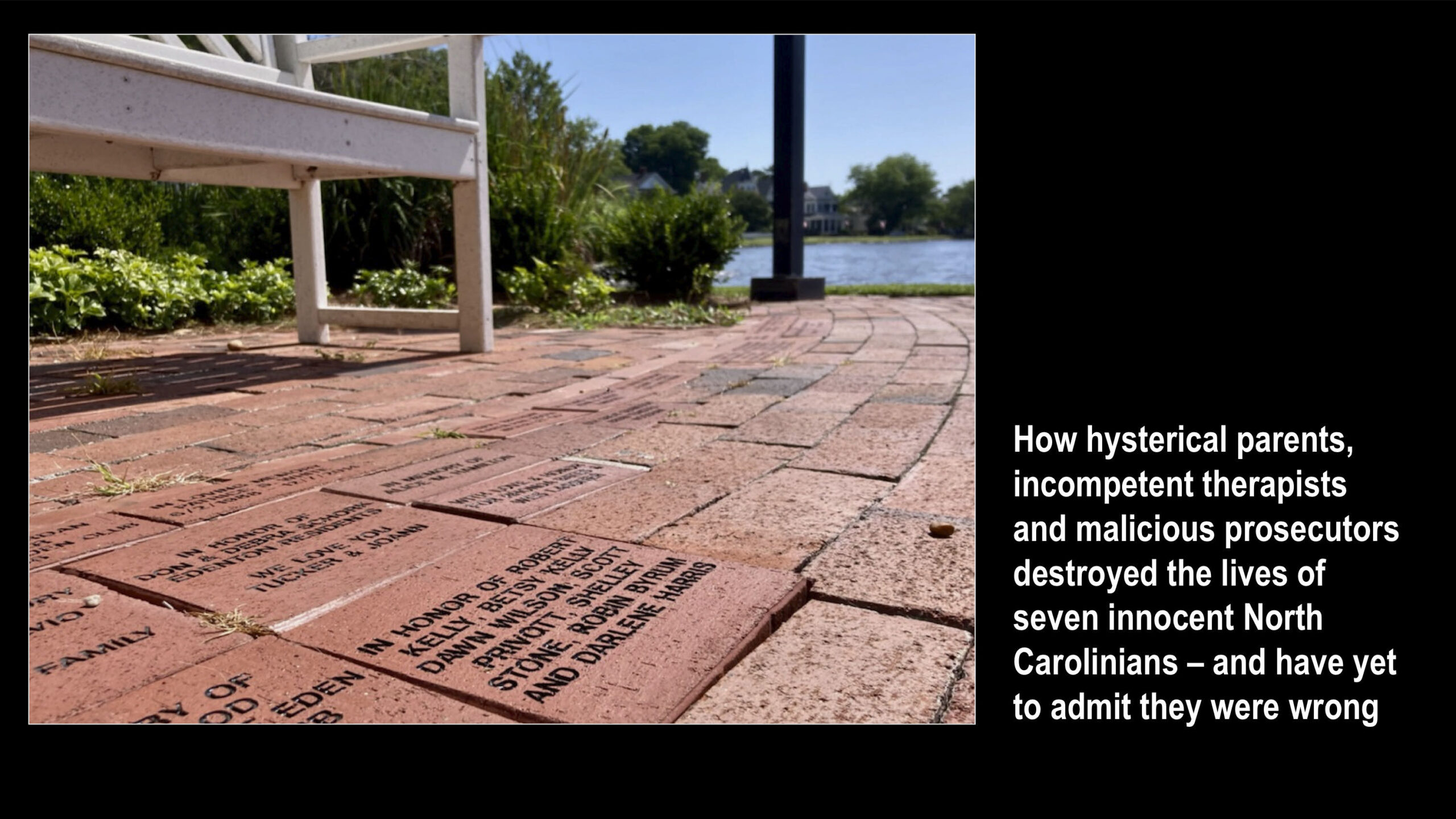
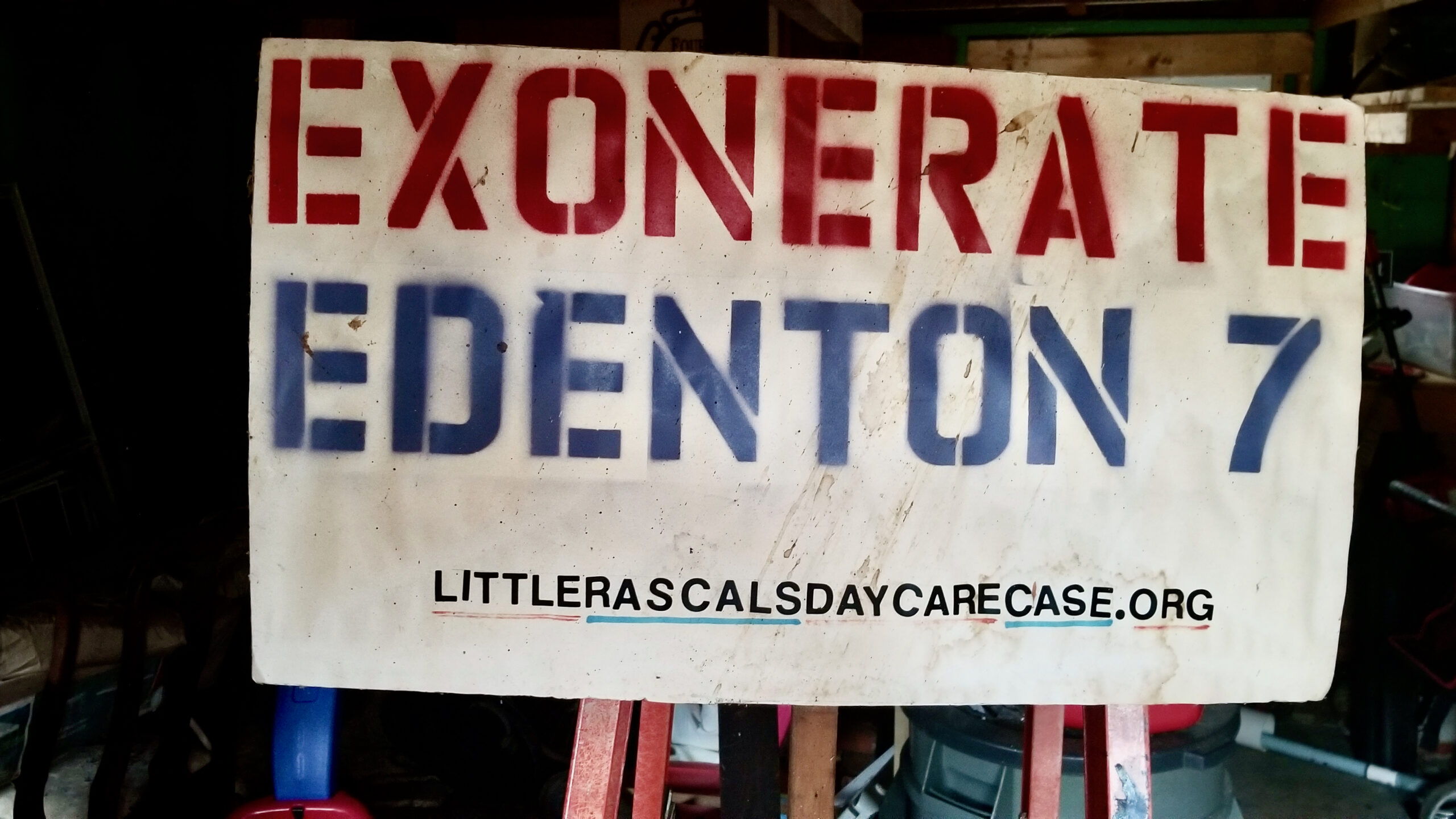
Among the alleged perpetrators: the sheriff and mayor. But prosecutors would charge only Robin Byrum, Darlene Harris, Elizabeth “Betsy” Kelly, Robert “Bob” Kelly, Willard Scott Privott, Shelley Stone and Dawn Wilson – the Edenton 7.
Along with sodomy and beatings, allegations included a baby killed with a handgun, a child being hung upside down from a tree and being set on fire and countless other fantastic incidents involving spaceships, hot air balloons, pirate ships and trained sharks.
By the time prosecutors dropped the last charges in 1997, Little Rascals had become North Carolina’s longest and most costly criminal trial. Prosecutors kept defendants jailed in hopes at least one would turn against their supposed co-conspirators. Remarkably, none did. Another shameful record: Five defendants had to wait longer to face their accusers in court than anyone else in North Carolina history.
Between 1991 and 1997, Ofra Bikel produced three extraordinary episodes on the Little Rascals case for the PBS series “Frontline.” Although “Innocence Lost” did not deter prosecutors, it exposed their tactics and fostered nationwide skepticism and dismay.
With each passing year, the absurdity of the Little Rascals charges has become more obvious. But no admission of error has ever come from prosecutors, police, interviewers or parents. This site is devoted to the issues raised by this case.
On Facebook


Little Rascals Day Care Case
This Facebook page is an offshoot of littlerascalsdaycarecase.org, which addresses the wrongful prosecution of the Edenton Seven and other such victims.

Meanwhile in Edenton....
This content isn't available right now
When this happens, it's usually because the owner only shared it with a small group of people, changed who can see it or it's been deleted.0 CommentsComment on Facebook
Allies for our cause!
This content isn't available right now
When this happens, it's usually because the owner only shared it with a small group of people, changed who can see it or it's been deleted.0 CommentsComment on Facebook
The courts have a long history of capriciously pulling the rug out from under Junior's appeals, but maybe this time....
This content isn't available right now
When this happens, it's usually because the owner only shared it with a small group of people, changed who can see it or it's been deleted.0 CommentsComment on Facebook
Click for earlier Facebook posts archived on this site
Click to go to

Today’s random selection from the Little Rascals Day Care archives….
Practicing therapy ‘on the basis of sheer myth’
Jan. 5, 2014
 “Probably the main reason for the growth of false charges of (sexual) abuse has been the recent proliferation of abuse specialists and therapists, many of whom lack any knowledge of mental illness or the workings of memory. These specialists believe fervently that many of the difficulties experienced by the people who consult them are due to sexual abuse that, if it isn’t remembered, can be jogged into memory by various recovery techniques.
“For decades, therapists of various kinds have put forward one unproved theory after another to explain personal unhappiness, dissatisfaction or serious psychological dysfunction. Earlier, as (Michael) Yapko points out (in “Suggestions of Abuse: True and False Memories of Childhood Sexual Trauma”), they focused on the ‘inner child,’ the ‘dysfunctional family’ or ‘co-dependency’; now it’s sexual abuse….
“In 1992, Mr. Yapko gathered data from more than 860 therapists across the country about the roles they think suggestion and memory play in therapy, especially in the dredging up of repressed memories of sexual abuse. ‘It is not an exaggeration,’ he concludes, ‘to say that many therapists appear to practice their profession on the basis of sheer myth….’ ”
– From “The Monster In the Mists” by Walter Reich in the New York Times (May 15, 1994)
View from Jamaica: ‘Public screamings’ echoed McMartin
March 31, 2017
“A few months ago, I started receiving photographs of young men on my phone. They were accompanied by frantic messages identifying these men as being responsible for some of the current sex crimes and pleading for the widest possible circulation of the information.
“I immediately became suspicious and pressed the ‘delete’ button. Subsequent events proved me correct. The authors were just scorned lovers seeking revenge. This was when the society was becoming excited by a high-profile case of paedophilia and some of the most horrible prescriptions were being proposed to ‘correct’ the problem. It occurred to me that the society was not in the mood for rational reasoning on this matter. Not that Jamaica was reacting differently from any other society. While the public screamings were taking place, I was reminded of the McMartin preschool case in the US….“
“In the US, the National Registry of Exonerations list sex crimes way and above other offences for exonerations. Between 1989 and 2012, sexual abuse accounted for 80 per cent of exonerations and the main reason given was ‘mistaken eyewitness identification.’ For child sex abuse, the percentage [of exonerations] was 74 and the main reasons were perjury and false accusation.
“I would never attempt to minimise the issue of violence against women and children. There is, however, an abundance of evidence that should encourage crusaders to temper their emotions with a little logic before picking up the sword….”
– From “Sex-abuse crusaders, temper your emotions” by Glenn Tucker in The Gleaner, Jamaica, West Indies (March 27)

Move along, ‘Frontline,’ nothing to see here
June 12, 2013
“We received only one call, from a gentleman in Massachusetts, and he said he felt sorry for the whole community and wished us well. It was business as usual, except for all the damn reporters.
“I don’t see why this thing has to be tried again. It’s been through the judicial system, and I just don’t know what ‘Frontline’s’ agenda is.
“The town is not divided or in turmoil or any of that stuff they’re saying about it.”
– Edenton Town Manager Anne Marie Kelly (no relation to Bob Kelly), reacting to “Innocence Lost: The Verdict” (as quoted in “Sex-case documentary stirs up Edenton again,” News & Observer, July 22, 1993)
Oh, those ‘anxious parents, well-meaning child advocates’
 Oct. 10, 2012
“This case arose during the height of the Child Sexual Abuse Hysteria of the 1980s and 1990s. The McMartin Preschool case, perhaps the most famous such case, was being tried in California at the same time this case was being tried in North Carolina. The prosecution team in this case was led by two members of the Attorney General’s staff who were to prosecute Robert Kelly four years later in the Little Rascals Day Care case.
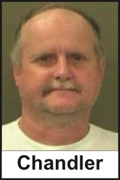
“The state’s theory was that Junior Chandler, a bus driver for a county day care, would drive off his route to a parking area next to the French Broad River, strip the clothes off the toddlers, troop the naked children down to the river, put them on a rowboat, proceed to insert various objects into their anuses and vaginas, bring them back to the bus, put their clothes back on and deliver them home.
“This theory was the culmination of an investigation that began when one of the children came home one day and announced to her mother ‘we’ve been f***ing.’ Prior to that, there had been no indication of any problems with the children, the day care or Junior. However, fueled by the concern of anxious parents and well-meaning child advocates, this comment morphed into bizarre allegations of widespread sadistic abuse at the hands of several adults, including Junior….”
“Junior Chandler is serving his 26th year in prison, based largely on incredible claims from preschoolers, as elaborated upon and vouched for by six prosecution witnesses. Many defendants in this state have been awarded new trials for far less damaging testimony. Most of the victims of the Child Sexual Abuse Hysteria from around the country, Virginia McMartin, Kelly Michaels, Dale Akiki, Bob Kelly, the Amiraults, etc., have regained their freedom…. Junior Chandler deserves the same relief.”
– From Junior Chandler’s amended petition for writ of certiorari, denied last week by the North Carolina Supreme Court