Rascals case in brief
In the beginning, in 1989, more than 90 children at the Little Rascals Day Care Center in Edenton, North Carolina, accused a total of 20 adults with 429 instances of sexual abuse over a three-year period. It may have all begun with one parent’s complaint about punishment given her child.
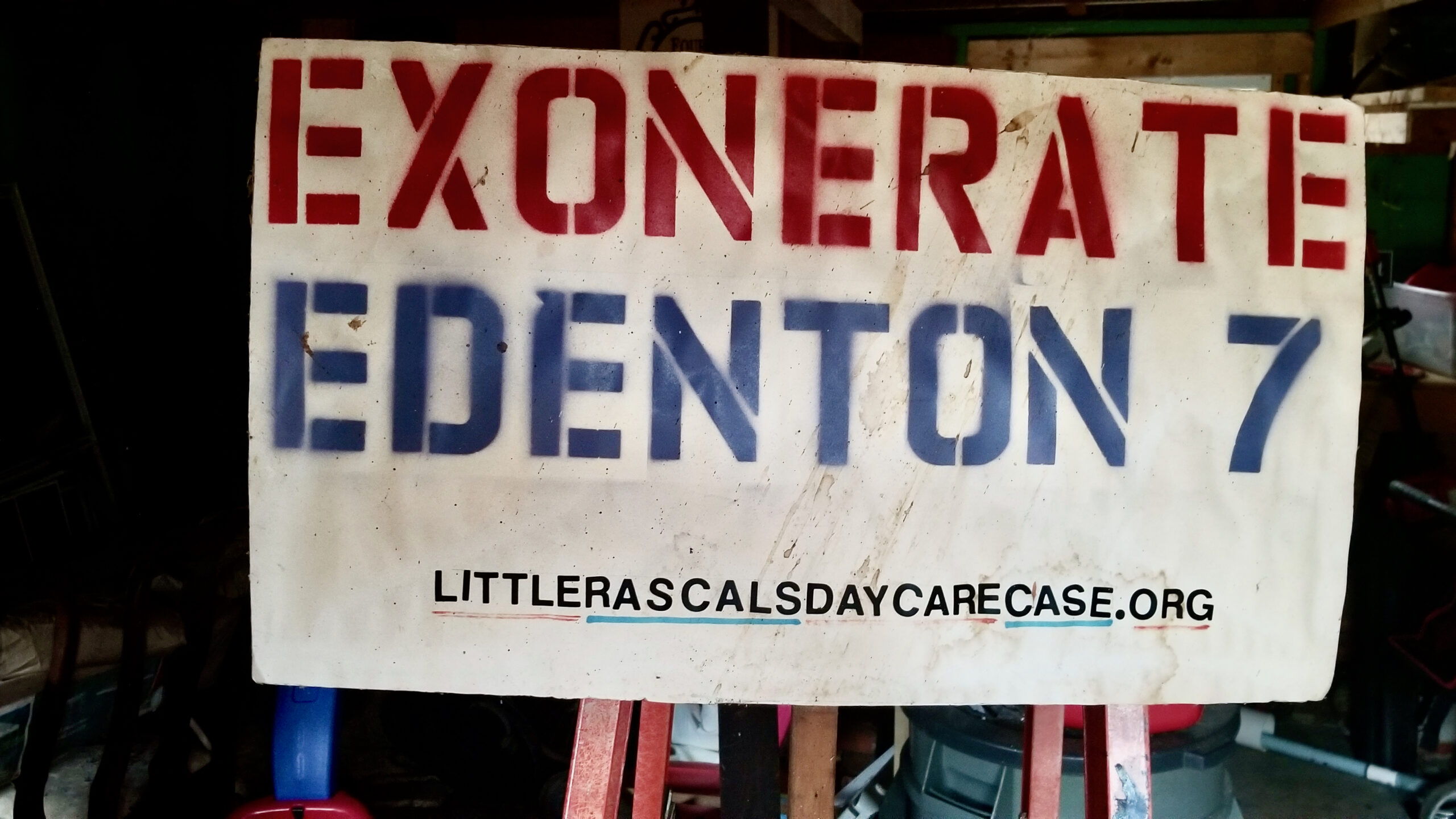
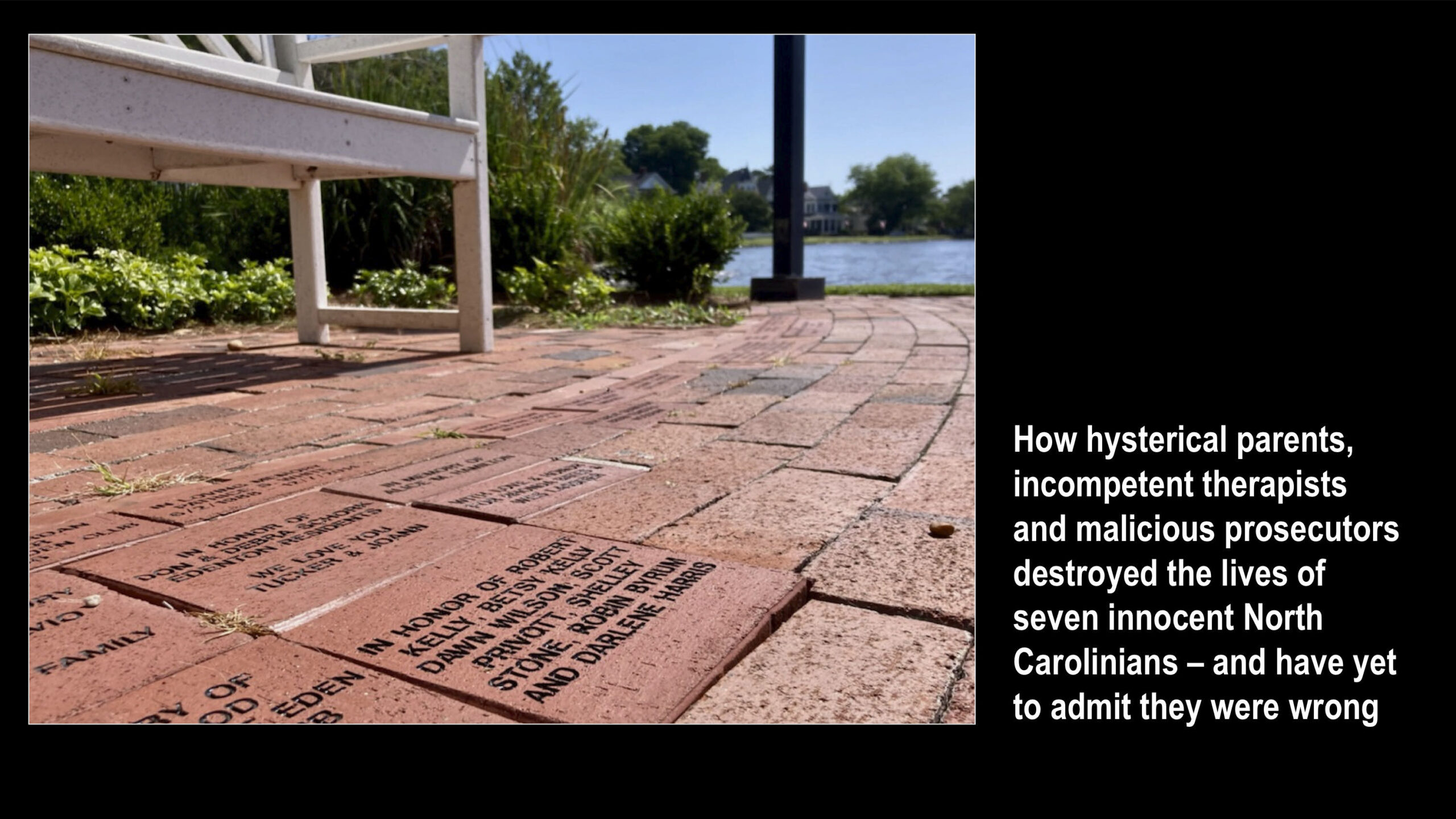
Among the alleged perpetrators: the sheriff and mayor. But prosecutors would charge only Robin Byrum, Darlene Harris, Elizabeth “Betsy” Kelly, Robert “Bob” Kelly, Willard Scott Privott, Shelley Stone and Dawn Wilson – the Edenton 7.
Along with sodomy and beatings, allegations included a baby killed with a handgun, a child being hung upside down from a tree and being set on fire and countless other fantastic incidents involving spaceships, hot air balloons, pirate ships and trained sharks.
By the time prosecutors dropped the last charges in 1997, Little Rascals had become North Carolina’s longest and most costly criminal trial. Prosecutors kept defendants jailed in hopes at least one would turn against their supposed co-conspirators. Remarkably, none did. Another shameful record: Five defendants had to wait longer to face their accusers in court than anyone else in North Carolina history.
Between 1991 and 1997, Ofra Bikel produced three extraordinary episodes on the Little Rascals case for the PBS series “Frontline.” Although “Innocence Lost” did not deter prosecutors, it exposed their tactics and fostered nationwide skepticism and dismay.
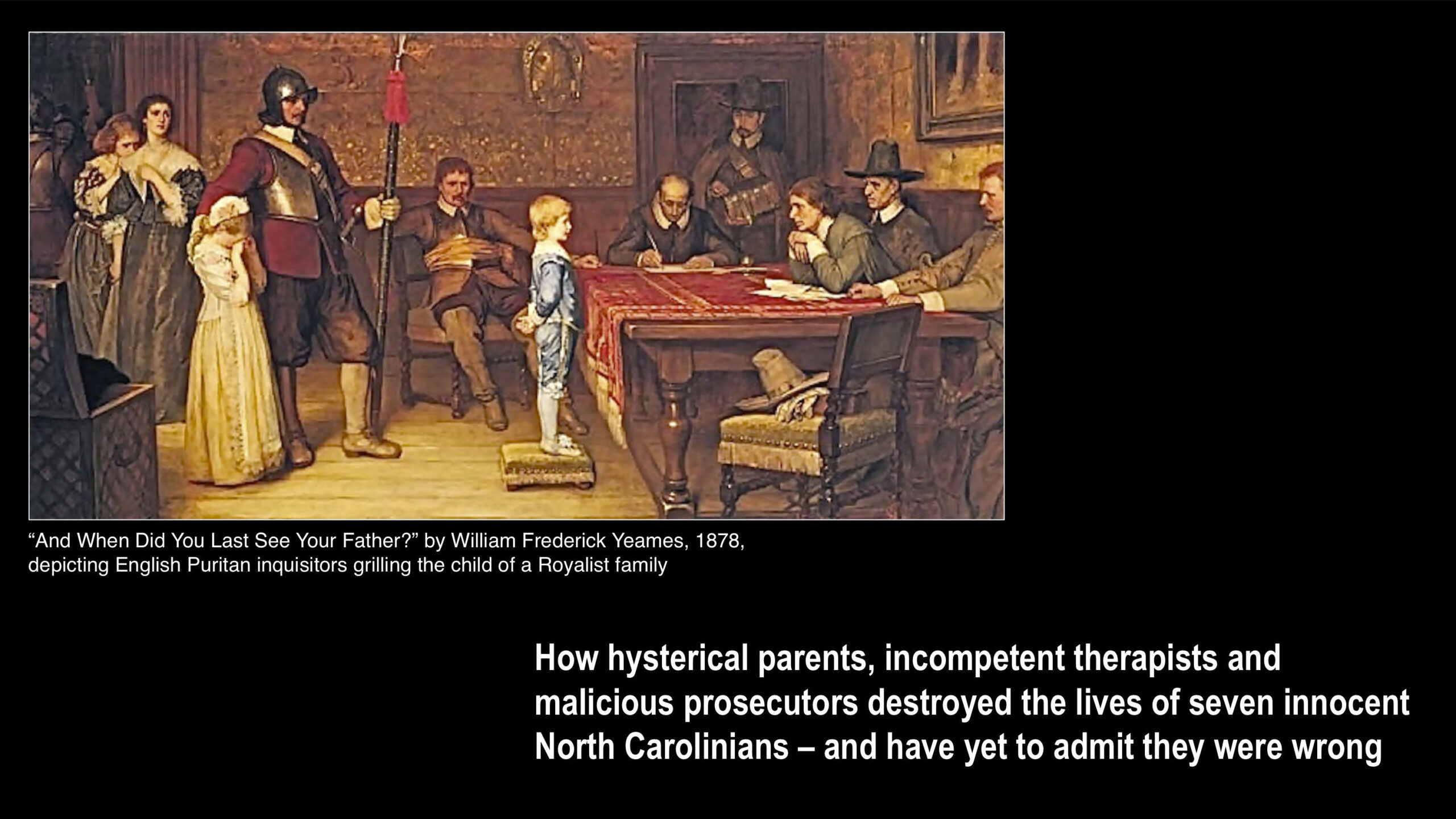
With each passing year, the absurdity of the Little Rascals charges has become more obvious. But no admission of error has ever come from prosecutors, police, interviewers or parents. This site is devoted to the issues raised by this case.
On Facebook


Little Rascals Day Care Case
This Facebook page is an offshoot of littlerascalsdaycarecase.org, which addresses the wrongful prosecution of the Edenton Seven and other such victims.

Meanwhile in Edenton....
This content isn't available right now
When this happens, it's usually because the owner only shared it with a small group of people, changed who can see it or it's been deleted.0 CommentsComment on Facebook
Allies for our cause!
This content isn't available right now
When this happens, it's usually because the owner only shared it with a small group of people, changed who can see it or it's been deleted.0 CommentsComment on Facebook
The courts have a long history of capriciously pulling the rug out from under Junior's appeals, but maybe this time....
This content isn't available right now
When this happens, it's usually because the owner only shared it with a small group of people, changed who can see it or it's been deleted.0 CommentsComment on Facebook
Click for earlier Facebook posts archived on this site
Click to go to

Today’s random selection from the Little Rascals Day Care archives….
Parents stake claim on ‘years of trauma and persecution’
Nov. 9, 2011
“Fear recaptured the 9-year-old, much as it had six years ago when last he left Bob Kelly’s day care. Lingering fears gripped many of Kelly’s victims when the appellate court overturned his 99 guilty verdicts…. A week later, the little boy is still too frightened to ride his bike around the block….
“We forget the victims – unless we live with them. Our wounds from media distortions heal. Our memories of Kelly’s manipulation of ‘the system’ fade. But the genuine fears of our sons and daughters persist.
“What would you do if you knew your little ones had been sexually abused? Would you seek justice? Would… you be able to endure the years of trauma and persecution? We implore our fellow North Carolinians to ponder those questions…. Join us in requesting that the North Carolina Supreme Court uphold these verdicts.
“If the court denies the opinions of two separate juries that found both (Kelly and Dawn Wilson) guilty, the innocent victims will be under attack again. Do helpless child victims forget the brutality of rape, sodomy and crimes against nature? A more significant question is: Do we in North Carolina want to pry those agonizing details from them once more?
“True, many are old enough to realize that Bob Kelly can’t work his threatened evil to kill their families. But others still draw pictures of their visions of safety: pictures of heaven and guardian angels because they say, ‘I know Mr. Bob won’t be in Heaven.’
“We must take a stand against re-victimization of the innocent. Don’t interrupt the healing that is emerging in these courageous young ones. Refuse to allow the media to create a ‘circus’ in our noble state. Child sexual abuse can no longer be allowed or excused in North Carolina.”
– From a letter to the editor of the (Norfolk) Virginian-Pilot, signed by 17 parents of children involved in the Little Rascals case (May 14, 1995)
Buried in the Edenton parents’ heartfelt plea to the N.C. Supreme Court (which would soon agree with the Court of Appeals’ overturning the convictions of Kelly and Wilson) is this profoundly revealing question: “Do we in North Carolina want to pry those agonizing details from them once more?”
If only those details had not been pried from the children in the first place….
News media newly skeptical about sex allegations?
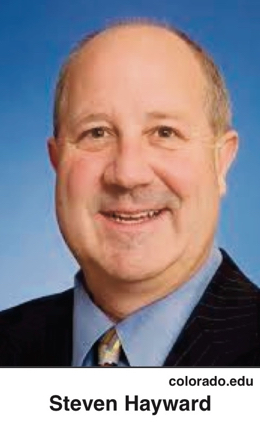 Dec. 3, 2014
“I was in graduate school in Southern California 30 years ago when the McMartin Preschool scandal erupted, featuring tales of Satanic rituals, underground tunnels, group sex with animals and children, and various acrobatic acts that would challenge Cirque du Soleil, all believed credulously by the media and California prosecutors….
“There was something so literally incredible about (such) ‘Satanic ritual abuse’ cults that serious doubts and questions should have been raised right at the outset.
“Some hard questions are starting to be asked about the latest sequel to the Salem witch trials – the college campus ‘rape culture’ hysteria…. The Rolling Stone story about an especially brutal gang rape at the University of Virginia is provoking considerable backlash– with a few critics suggesting the entire story might be a hoax ….
“It took years for the ‘Satanic child abuse crisis’ to collapse, and several months for the Duke lacrosse scandal to turn around. What is interesting about the UVa story is how quickly it is facing credible challenge….”
– From “The Spirit of Salem Lives On” by Steven Hayward at powerlineblog.com (Dec. 2)
‘Antifeminism’ to blame? Not so fast, Mr. Beck
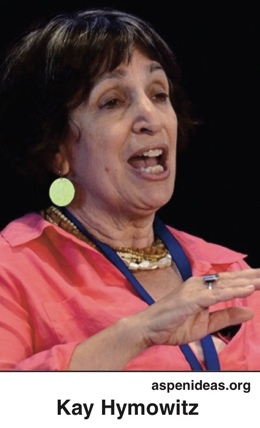 Aug. 24, 2015
“(Richard) Beck is generally restrained in his narrative, letting the details pile up to a well-deserved indictment of the many players in the ‘moral panic.’ But in explaining how these fever dreams managed to seize the national imagination, he does a little witch-hunting of his own. The frenzy, he tells us, was a backlash by family-values conservatives to the social changes around them. It was a period of ‘an intense reactionary antifeminism.’
“This is an inexcusably partial interpretation. From Beck’s own evidence, feminists themselves were vital players in the hysteria. Gloria Steinem donated money to the McMartin investigation, and Ms. Magazine ran a 1993 cover article ‘BELIEVE IT! Cult Ritual Abuse Exists,’ even though, by that time, the general public had grown increasingly skeptical of the idea.
“In part because of her aggressive pursuit of child abusers – and conviction of a number of people later exonerated – a relatively unknown Dade County state attorney named Janet Reno was picked by President Clinton to become the nation’s first female attorney general. According to Debbie Nathan and Michael Snedeker, the authors of ‘Satan’s Silence,’ (Kee) MacFarlane had been a lobbyist for NOW before she set about terrifying the children of Manhattan Beach.
“With his partisan recounting of the child abuse panic of the 1980s, Beck turns what could have been a careful history about one facet of the nation’s exhausting culture wars into one more illustration of them.”
– From “ ‘We Believe the Children,’ by Richard Beck” by Kay Hymowitz in the New York Times Sunday Book Review (Aug. 21, 2015)
I’m posting this criticism of Beck’s book – from an otherwise laudatory review – mostly for archival purposes. My own interest lies less in the tangled roots of the day-care panic than in its results: defendants wrongfully incarcerated, children profoundly misguided and therapists and prosecutors unjustly unscathed.
Advising parents ‘one of the damnedest things I ever did’
 Feb. 18, 2013
Gov. Jim Hunt was serving his fourth term (1997-2001) when prosecutors dropped the last Little Rascals charges. Although Gary Pearce, Hunt’s longtime adviser and later biographer, doesn’t remember the governor being involved in the case, Pearce experienced his own Edenton moment:
“I actually got called by one of the parents who had heard of me. I met with them and worked with them on a program that UNC-TV did (in 1993 to give parents a chance to respond to “Innocence Lost: The Verdict”). I did it just out of curiosity. It was one of the damnedest things I ever did.
“What the parents were claiming happened was, in the truest sense of the word, incredible. But they seemed absolutely and genuinely and sincerely convinced that it had happened….
“The best word to describe the whole thing is ‘gothic.’”
Defense attorneys were excluded from the program, UNC-TV director Tom Howe explained, because “We’re not really interested in getting into a tit-for-tat about guilt or innocence.”