Rascals case in brief
In the beginning, in 1989, more than 90 children at the Little Rascals Day Care Center in Edenton, North Carolina, accused a total of 20 adults with 429 instances of sexual abuse over a three-year period. It may have all begun with one parent’s complaint about punishment given her child.
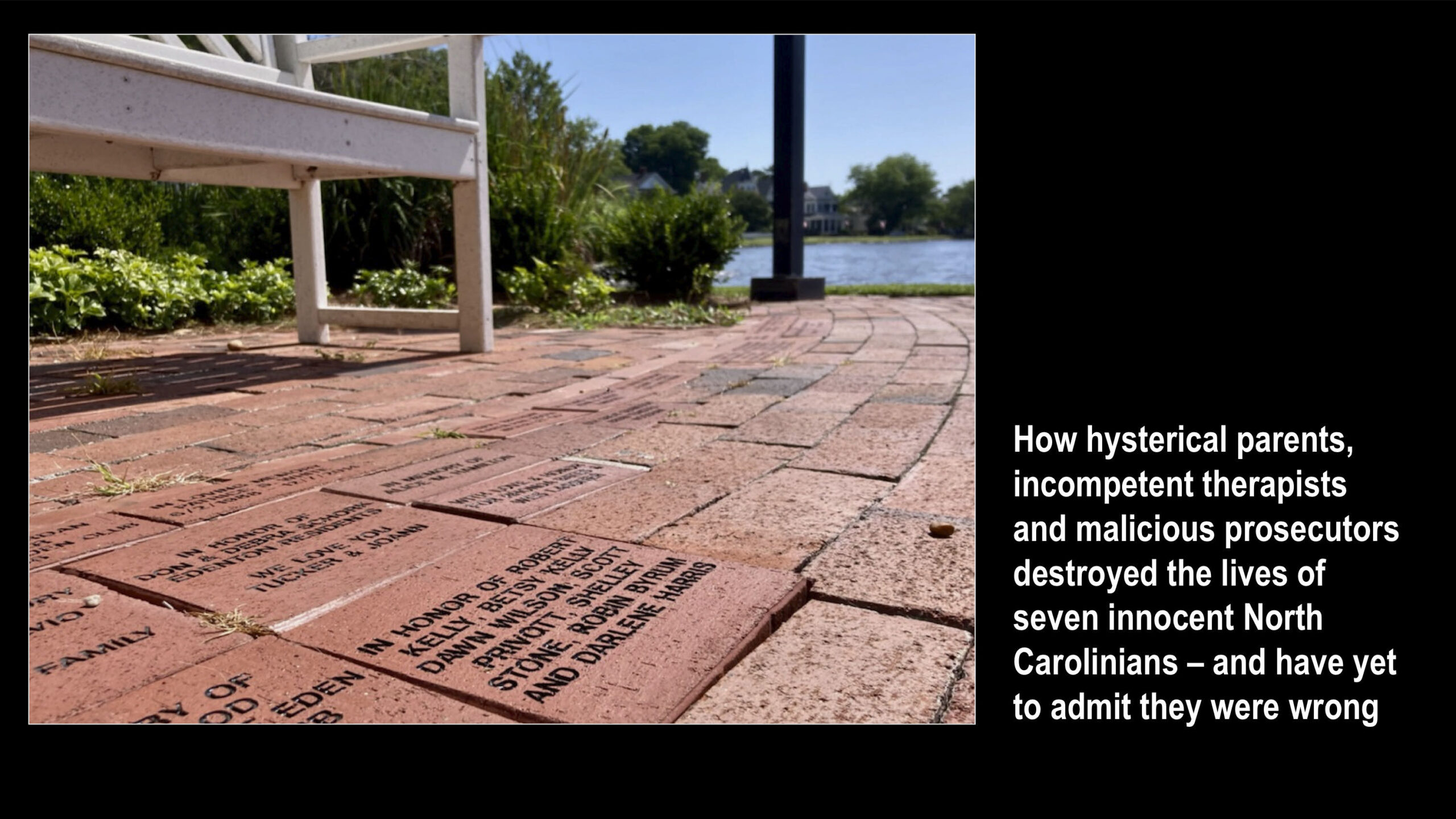
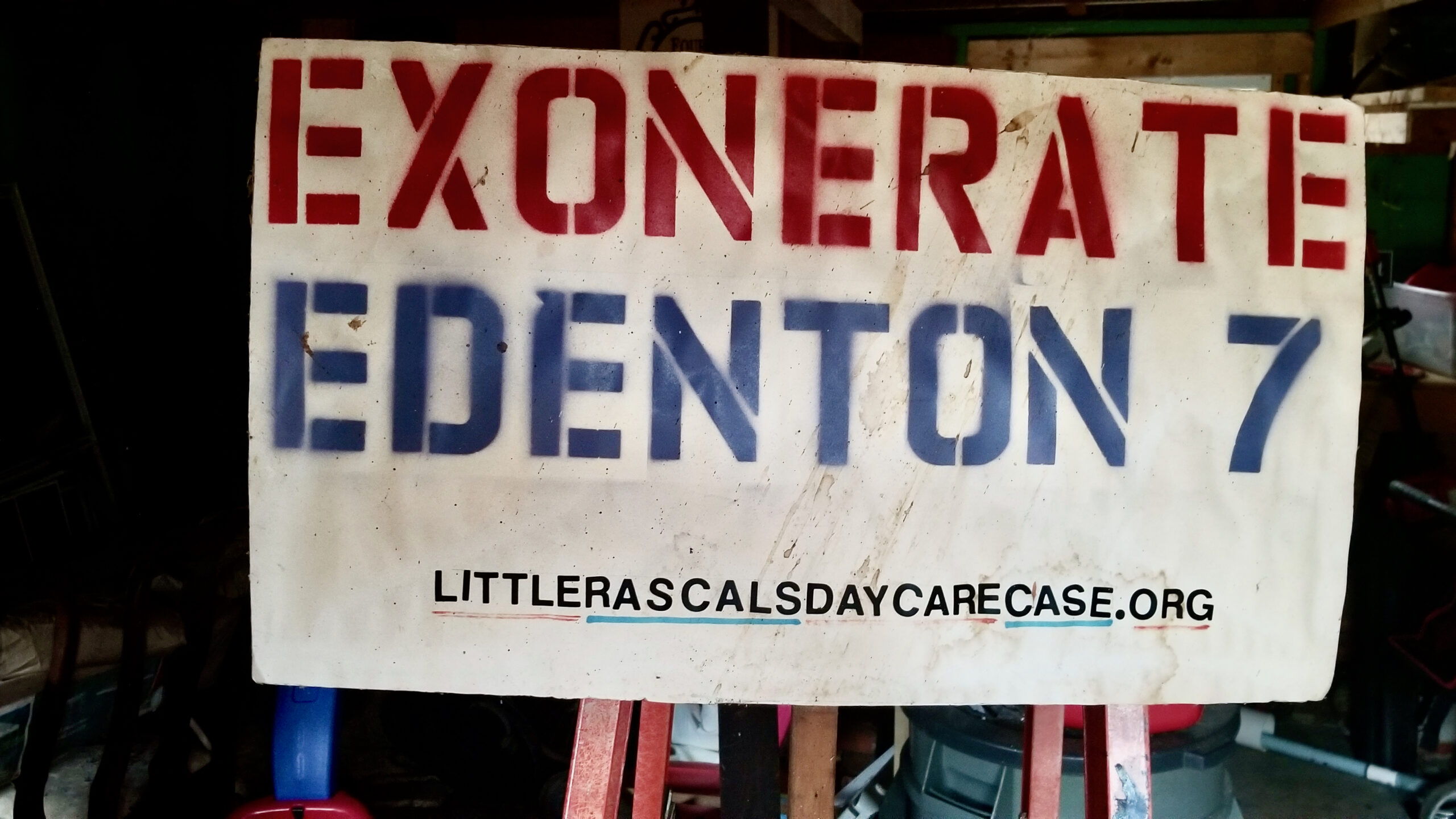
Among the alleged perpetrators: the sheriff and mayor. But prosecutors would charge only Robin Byrum, Darlene Harris, Elizabeth “Betsy” Kelly, Robert “Bob” Kelly, Willard Scott Privott, Shelley Stone and Dawn Wilson – the Edenton 7.
Along with sodomy and beatings, allegations included a baby killed with a handgun, a child being hung upside down from a tree and being set on fire and countless other fantastic incidents involving spaceships, hot air balloons, pirate ships and trained sharks.
By the time prosecutors dropped the last charges in 1997, Little Rascals had become North Carolina’s longest and most costly criminal trial. Prosecutors kept defendants jailed in hopes at least one would turn against their supposed co-conspirators. Remarkably, none did. Another shameful record: Five defendants had to wait longer to face their accusers in court than anyone else in North Carolina history.
Between 1991 and 1997, Ofra Bikel produced three extraordinary episodes on the Little Rascals case for the PBS series “Frontline.” Although “Innocence Lost” did not deter prosecutors, it exposed their tactics and fostered nationwide skepticism and dismay.
With each passing year, the absurdity of the Little Rascals charges has become more obvious. But no admission of error has ever come from prosecutors, police, interviewers or parents. This site is devoted to the issues raised by this case.
On Facebook


Little Rascals Day Care Case
This Facebook page is an offshoot of littlerascalsdaycarecase.org, which addresses the wrongful prosecution of the Edenton Seven and other such victims.

Allies for our cause!
This content isn't available right now
When this happens, it's usually because the owner only shared it with a small group of people, changed who can see it or it's been deleted.0 CommentsComment on Facebook
The courts have a long history of capriciously pulling the rug out from under Junior's appeals, but maybe this time....
This content isn't available right now
When this happens, it's usually because the owner only shared it with a small group of people, changed who can see it or it's been deleted.0 CommentsComment on Facebook
What would the Little Rascals case have looked like if social media had been around? Probably something like this....

‘No checks’ against false claims by internet warriors | Sanpete Messenger
sanpetemessenger.com
Since Joe and Lee Bennion moved to Spring City as newlyweds in 1977, they’ve been involved in almost every aspect of community life. Both are BYU graduates and working artists. They were among the �...0 CommentsComment on Facebook
Click for earlier Facebook posts archived on this site
Click to go to

Today’s random selection from the Little Rascals Day Care archives….
Oh, for the ability to recognize something ‘odd’
 June 25, 2012
“I saw this woman in her 20s … accused of something like 2,800 charges of child sex abuse. Oh, I thought, well, that’s very odd….
“I thought, How can (Kelly Michaels) one woman, one young, lone woman in an absolutely open place like the child care center of the church in New Jersey that she worked for – how could she have committed these enormous crimes against 20 children, dressed and undressed them and sent – you know what it is to dress and undress even one child every day without getting their socks lost? – 20 children in a perfectly public place, torture them for two years, frighten and terrorize them, and they never went home and told their parents anything?… This did seem strange.”
– Dorothy Rabinowitz, recalling on C-SPAN the 1985 case that led to her Pulitzer-winning coverage of the ritual-abuse day-care mania
“This did seem strange.”
From the vantage of 2012, of course, such allegations seem not only “strange” but also patently incredible.
So why didn’t everybody – therapists, journalists, prosecutors, jurors – share Rabinowitz’s reasonable doubt?
How did such a grotesque misconception flourish?
Had skepticism really fallen that far out of fashion during the “Believe the Children” zeitgeist?
‘Overzealous intervenors’ muddy waters in abuse cases
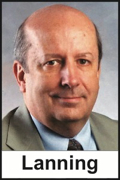 April 13, 2012
“A decade-long investigation by the FBI has found no evidence linking child abuse with organized satanic cults.
“In a recent report by the agency, Special Agent Kenneth Lanning warns about the influence of ‘overzealous intervenors,’ such as therapists and parents, ‘who may be affected by their zeal to uncover child sexual abuse, satanic activity, conspiracies.’ Their influence can contaminate a case so much that no one will ever determine what, if anything, really happened….”
– From the San Diego Union-Tribune (December 27, 1992)
Dr. Frances makes case for Chandler’s release
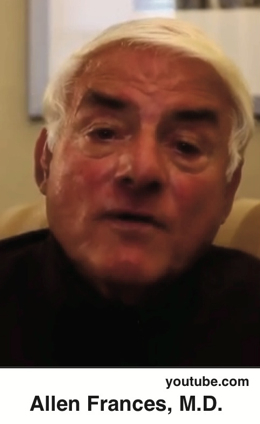 June 15, 2014
“Andrew Junior Chandler has been unjustly incarcerated in a North Carolina prison for 27 years, charged with a crime that almost surely never happened….
“Let’s hope that Gov. Pat McCrory will review the mistaken judgment of his misnamed ‘clemency office’ and correct this stain on the reputation of North Carolina justice.”
–From “Mass hysteria of sexual, satanic ritual abuse and a miscarriage of NC justice” by Dr. Allen Frances in the Raleigh News & Observer (June 15) text cache
Dr. Frances, professor emeritus of psychiatry at Duke University, once again steps forward to take responsibility for therapy’s Dark Ages, this time in the newspaper read daily by those state officials who have refused to grant relief to Junior Chandler.
Citing self, professor finds ‘false allegations quite rare’
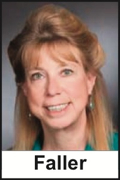 June 4, 2012
“Drawing upon clinical experience and research, Faller… asserted that false allegations are quite rare and pointed out that children have little motivation for making a false accusation, but offenders have considerable motivation for persuading professionals that children are either lying, mistaken, or crazy.”
– From “Interviewing Children About Sexual Abuse: Controversies and Best Practice” by Kathleen Coulborn Faller (2007)
Yes, that Kathleen Coulborn Faller, whose stubborn belief in day-care ritual abuse was expressed four years earlier in “Understanding and Assessing Child Sexual Maltreatment.”
Although “Interviewing Children…” isn’t specific to ritual abuse cases, Dr. Faller’s casual dismissal of false allegations echoes the “Believe the Children” mantra of that era.
So much wrongheadedness she manages to pack into a single sentence:
■ “Drawing upon clinical experience and research, Faller… asserted that false allegations are quite rare… ” Here she cites not only her own anecdotal impressions, but also the profoundly misguided research conducted during the height of the abuse mania.
■ “… and pointed out that children have little motivation for making a false accusation…” In fact, children who have been coaxed, threatened and worn down have every motivation to please their interrogators.
■ “… but offenders have considerable motivation for persuading professionals that children are either lying, mistaken, or crazy.” Did it occur to Dr. Faller that offenders have not a bit more such motivation than innocent defendants?
■ ■ ■
Ritual abuse: the creationism of social science?