Rascals case in brief
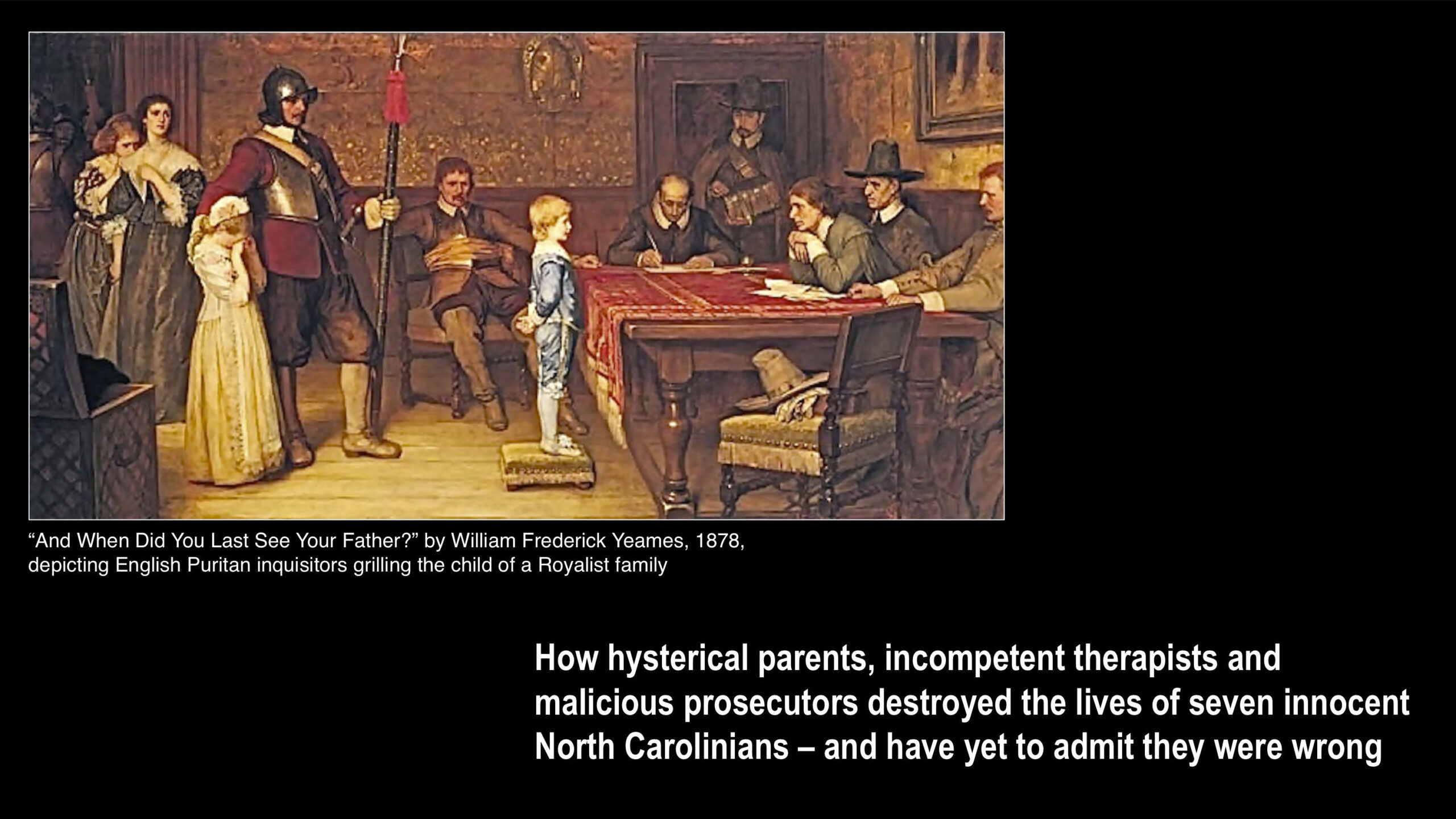
In the beginning, in 1989, more than 90 children at the Little Rascals Day Care Center in Edenton, North Carolina, accused a total of 20 adults with 429 instances of sexual abuse over a three-year period. It may have all begun with one parent’s complaint about punishment given her child.
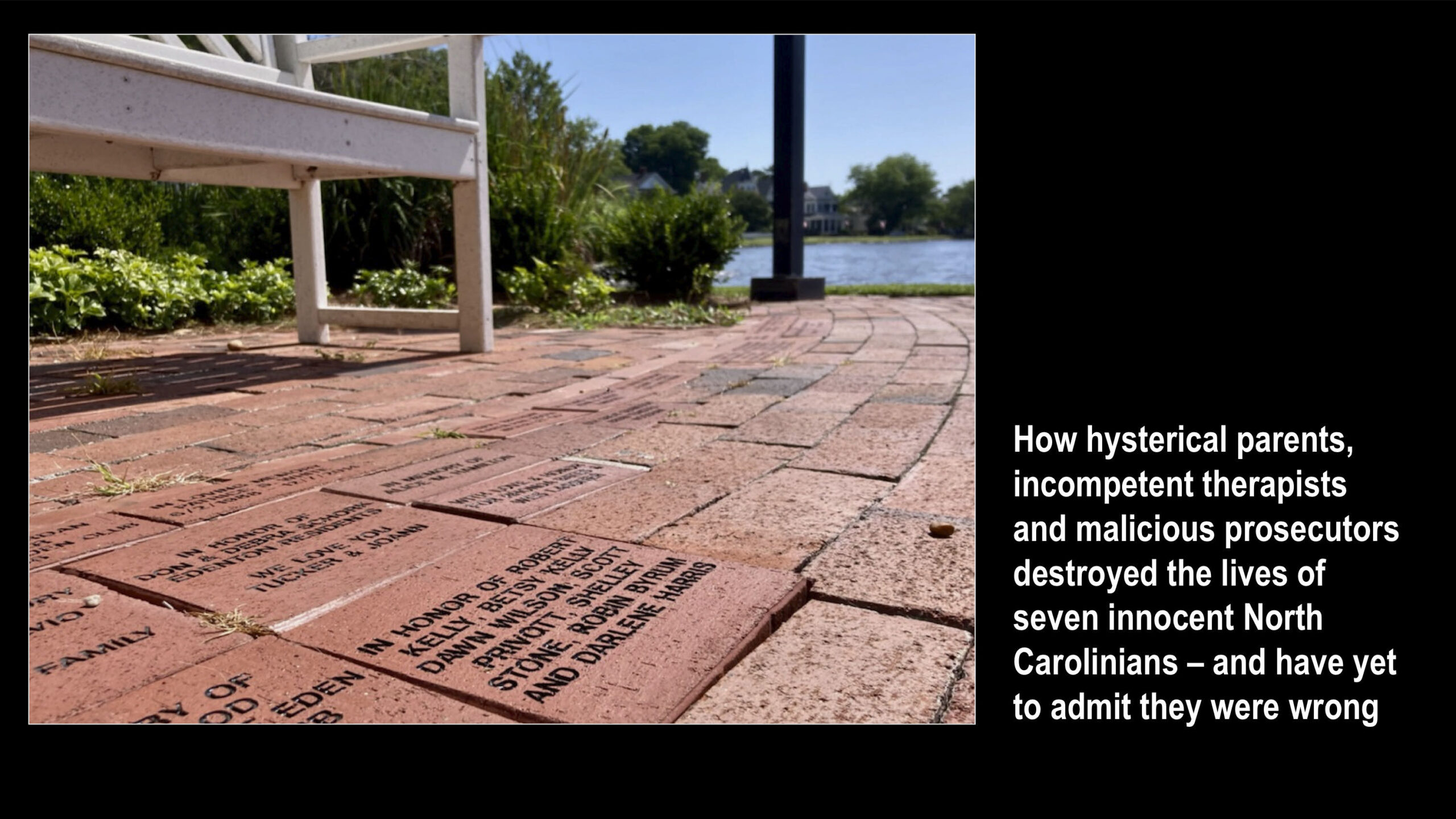
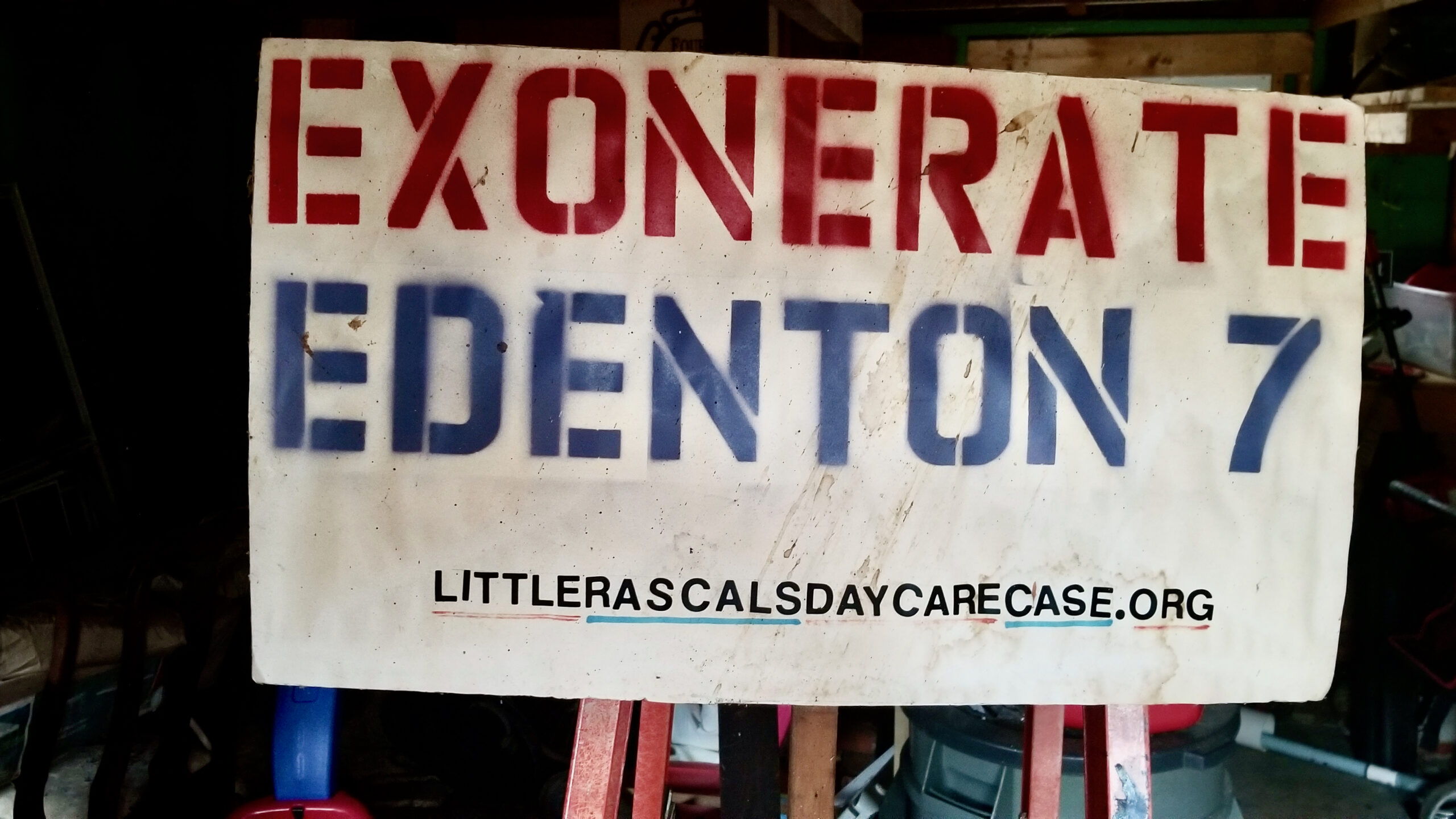
Among the alleged perpetrators: the sheriff and mayor. But prosecutors would charge only Robin Byrum, Darlene Harris, Elizabeth “Betsy” Kelly, Robert “Bob” Kelly, Willard Scott Privott, Shelley Stone and Dawn Wilson – the Edenton 7.
Along with sodomy and beatings, allegations included a baby killed with a handgun, a child being hung upside down from a tree and being set on fire and countless other fantastic incidents involving spaceships, hot air balloons, pirate ships and trained sharks.
By the time prosecutors dropped the last charges in 1997, Little Rascals had become North Carolina’s longest and most costly criminal trial. Prosecutors kept defendants jailed in hopes at least one would turn against their supposed co-conspirators. Remarkably, none did. Another shameful record: Five defendants had to wait longer to face their accusers in court than anyone else in North Carolina history.
Between 1991 and 1997, Ofra Bikel produced three extraordinary episodes on the Little Rascals case for the PBS series “Frontline.” Although “Innocence Lost” did not deter prosecutors, it exposed their tactics and fostered nationwide skepticism and dismay.
With each passing year, the absurdity of the Little Rascals charges has become more obvious. But no admission of error has ever come from prosecutors, police, interviewers or parents. This site is devoted to the issues raised by this case.
On Facebook


Little Rascals Day Care Case
This Facebook page is an offshoot of littlerascalsdaycarecase.org, which addresses the wrongful prosecution of the Edenton Seven and other such victims.

Meanwhile in Edenton....
This content isn't available right now
When this happens, it's usually because the owner only shared it with a small group of people, changed who can see it or it's been deleted.0 CommentsComment on Facebook
Allies for our cause!
This content isn't available right now
When this happens, it's usually because the owner only shared it with a small group of people, changed who can see it or it's been deleted.0 CommentsComment on Facebook
The courts have a long history of capriciously pulling the rug out from under Junior's appeals, but maybe this time....
This content isn't available right now
When this happens, it's usually because the owner only shared it with a small group of people, changed who can see it or it's been deleted.0 CommentsComment on Facebook
Click for earlier Facebook posts archived on this site
Click to go to

Today’s random selection from the Little Rascals Day Care archives….
Why prosecutors can’t admit they’re wrong
 March 5, 2012
“DURHAM — Tracey Cline could not admit she was wrong….”
Thus begins J. Andrew Curliss’s latest behavioral analysis of Durham County’s latest disgraced district attorney.
Coincidentally, Curliss cites a book I’ve been reading to better understand the rigidly wrongheaded behavior of the Little Rascals prosecutors.
“Carol Tavris, a Los Angeles social psychologist who has researched and written about the behavior and decision-making of prosecutors, said studies show the human brain, when sorting out conflicting beliefs and actions, will engage in a powerful act known as ‘self-justification.’
“It can keep people from admitting they are wrong and can be more powerful and more dangerous than an explicit lie, she said in an interview and in a 2007 book she co-authored, ‘Mistakes Were Made (But Not By Me)’…
“Self-justification is especially concerning in the justice system, Tavris said, because authorities often view themselves as ‘good guys’ doing the ‘right thing’….
“ ‘It’s really, really, really hard to face the reality that you screwed up,’ she said. ‘When we have a view of ourselves as good, competent, ethical, honest people and we are now confronted with evidence that we did something that was incompetent, unethical, immoral or harmful, we have two choices. We can ’fess up – say, “Oh, my God, look at this evidence, what did I do? How can I make amends?” – or, we deny.’ ”
Here’s a recent public ’fessing up that could be a model for errant prosecutors: “I want to express my sincere regret and apology…. It was a terrible mistake, and we knew it was wrong while we were doing it. Instead of getting caught up in it, I should have stopped it.”
Alas, it comes not from Cline – or from H. P. Williams Jr., Bill Hart or Nancy Lamb – but from the NFL coach who oversaw the “bounty” system for disabling opposing players.
Yet another cousin to ‘satanic ritual abuse’: unverified ‘gang-stalking’

June 13, 2016
“…A large community of like-minded people on the internet who call themselves ‘targeted individuals,’ or T.I.s…. is organized around the conviction that they are victims of a sprawling conspiracy to harass thousands of everyday Americans with mind-control weapons and armies of so-called gang stalkers. The goal, as one gang-stalking website put it, is ‘to destroy every aspect of a targeted individual’s life.’…
“An internet search for ‘gang-stalking’… turns up page after page of results that regard it as fact. ‘What’s scary for me is that there are no counter sites that try and convince targeted individuals that they are delusional,’ said Dr. Lorraine Sheridan, co-author of perhaps the only study of gang-stalking. “They end up in a closed ideology echo chamber.’”
– From “United States of Paranoia: They See Gangs of Stalkers” by Mike McPhate in the New York Times (June 10)
The T.I. phenomenon is new to me, but the proliferation of true believers sounds all too familiar. And my own Google alert continues to turn up page after page of supposed validation of “satanic ritual abuse.”
Not surprisingly, T.I. and SRA hang out in the same rationality-resistant neighborhoods. This is a promo for a recent conspiracy podcast:
“Meet David and Patty: David was raised in a Satanic cult under MK Ultra mind control. Patty is being burned with plasma lasers and having her thoughts extracted without her consent. We talk about electronic harassment, microchipping, breathable nanotechnology, mind control, sex kitten programming, project Monarch, brain mapping, gang stalking, voice to skull technology (V2K), and Satanic ritual abuse. And we find out how much it costs to build your own laser at home….”

It wasn’t just Edenton where lips were zipped
 Sept. 5, 2015
“An 1895 reporter found (Salem) town residents reluctant to talk about the past.
“When they did, it was to impress upon him that they had not burned a single witch. Years later Arthur Miller met with the same silence while researching The Crucible. ‘You couldn’t get anyone to say anything about it,’ he complained of 1692….
“When (an archivist) began an excavation of the parsonage site in 1970, two elderly sisters waved fists at him from across the way…. ‘What are you bringing this up for?’ they demanded….”
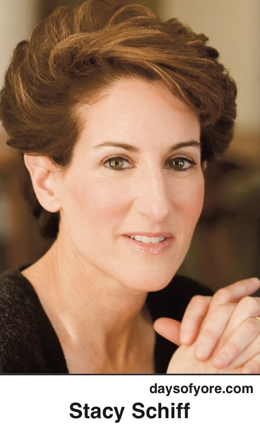
– From “The Witches: Salem, 1692” by Stacy Schiff (due Oct. 27)
Schiff has a lengthy related piece in the current New Yorker.
DA acknowledges junk science in arson conviction

Dec. 17, 2015
“Three men convicted of murder by arson for a 1980 fire in Brooklyn (were) exonerated on Wednesday….
“What carried the three men into prison was not reliable evidence of an intentionally set blaze, but rather an arson investigation that was more like shamanism than science, rooted in hunches and folklore and disconnected from the dynamics of actual fires. Like the comparisons of bite marks, hair and handwriting, it was a forensic practice that had the authority of white-coat laboratory science but virtually none of its rigor….”
– From “Between Guilt and Innocence, an Evolution in Fire Science”
by Jim Dwyer in the New York Times (Dec. 16)
Hats off to District Attorney Ken Thompson, who moved to vacate the three convictions, citing “circumstantial evidence, outdated science and the testimony of a single, wholly unreliable witness….”
Columnist Dwyer is reminded of a statue at the University of Pennsylvania Law School depicting a mythological Chinese beast believed to have the ability to tell the guilty from the innocent by butting them. Inscribed on its base: “Slow and painful has been man’s progress from magic to law.”
“Slow and painful” indeed. Ask Junior Chandler, who has been imprisoned since April 17, 1987, for committing the magical crime of “satanic ritual abuse.”