Rascals case in brief
In the beginning, in 1989, more than 90 children at the Little Rascals Day Care Center in Edenton, North Carolina, accused a total of 20 adults with 429 instances of sexual abuse over a three-year period. It may have all begun with one parent’s complaint about punishment given her child.
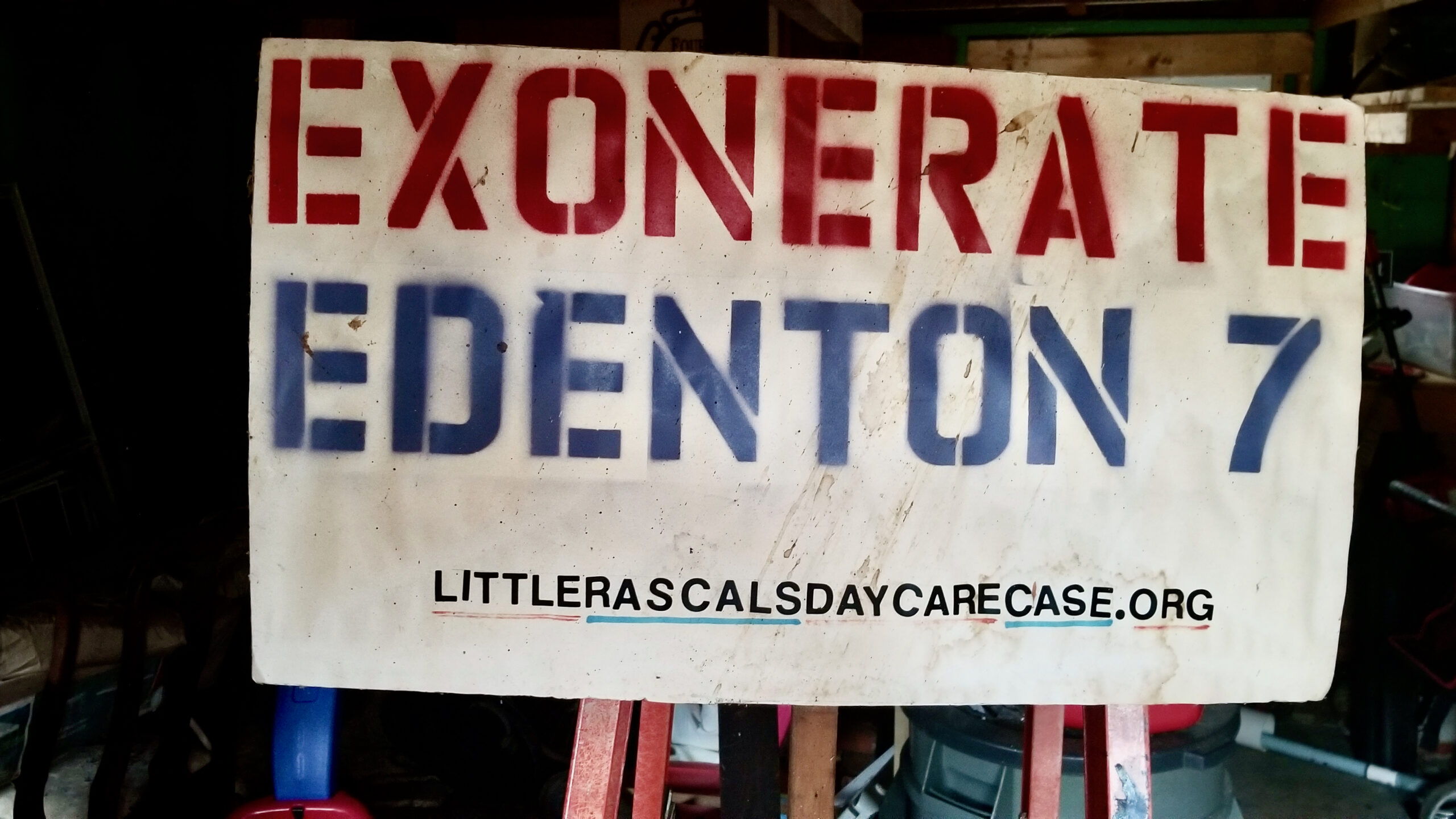
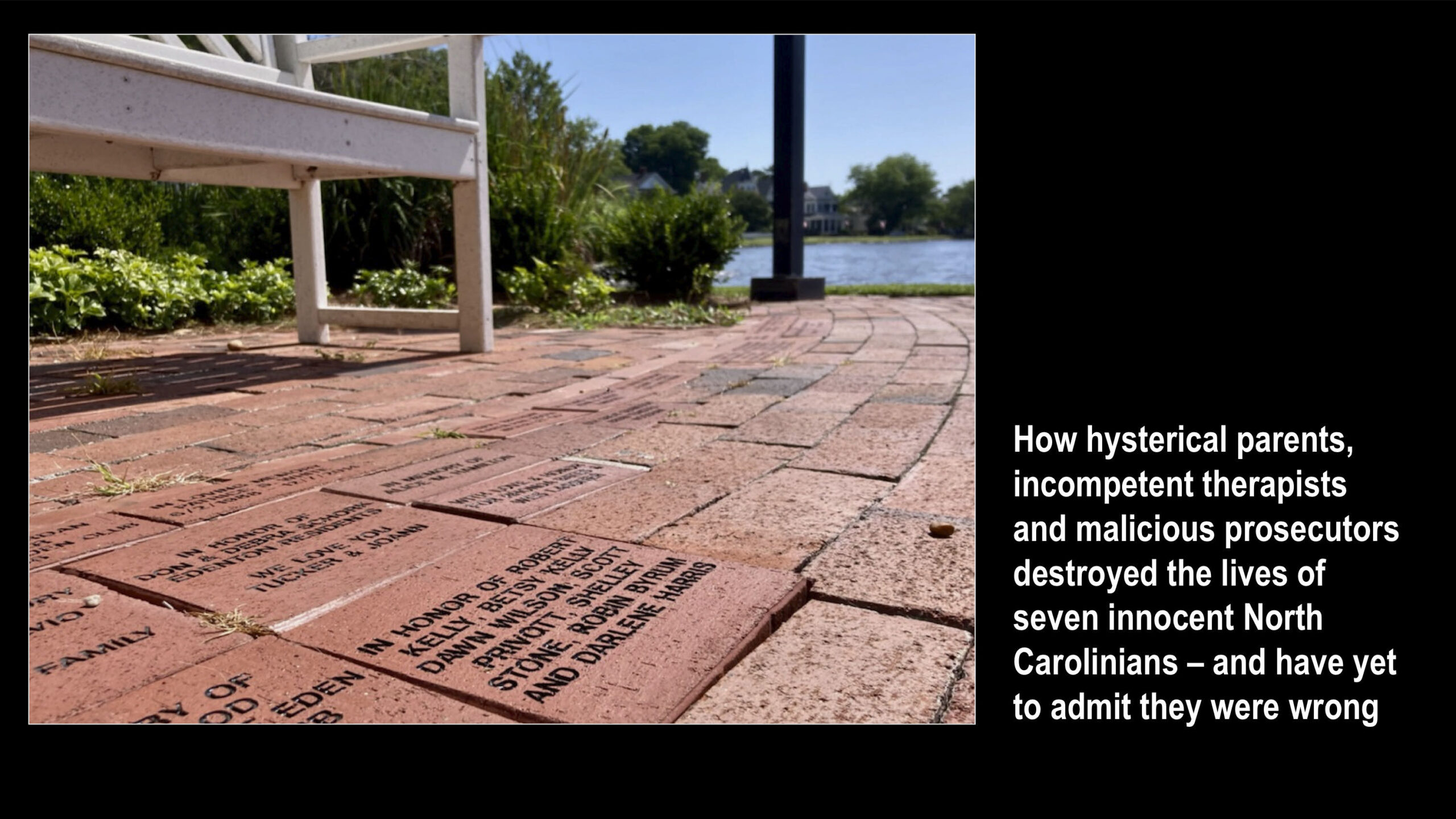
Among the alleged perpetrators: the sheriff and mayor. But prosecutors would charge only Robin Byrum, Darlene Harris, Elizabeth “Betsy” Kelly, Robert “Bob” Kelly, Willard Scott Privott, Shelley Stone and Dawn Wilson – the Edenton 7.
Along with sodomy and beatings, allegations included a baby killed with a handgun, a child being hung upside down from a tree and being set on fire and countless other fantastic incidents involving spaceships, hot air balloons, pirate ships and trained sharks.
By the time prosecutors dropped the last charges in 1997, Little Rascals had become North Carolina’s longest and most costly criminal trial. Prosecutors kept defendants jailed in hopes at least one would turn against their supposed co-conspirators. Remarkably, none did. Another shameful record: Five defendants had to wait longer to face their accusers in court than anyone else in North Carolina history.
Between 1991 and 1997, Ofra Bikel produced three extraordinary episodes on the Little Rascals case for the PBS series “Frontline.” Although “Innocence Lost” did not deter prosecutors, it exposed their tactics and fostered nationwide skepticism and dismay.
With each passing year, the absurdity of the Little Rascals charges has become more obvious. But no admission of error has ever come from prosecutors, police, interviewers or parents. This site is devoted to the issues raised by this case.
On Facebook


Little Rascals Day Care Case
This Facebook page is an offshoot of littlerascalsdaycarecase.org, which addresses the wrongful prosecution of the Edenton Seven and other such victims.

Meanwhile in Edenton....
This content isn't available right now
When this happens, it's usually because the owner only shared it with a small group of people, changed who can see it or it's been deleted.0 CommentsComment on Facebook
Allies for our cause!
This content isn't available right now
When this happens, it's usually because the owner only shared it with a small group of people, changed who can see it or it's been deleted.0 CommentsComment on Facebook
The courts have a long history of capriciously pulling the rug out from under Junior's appeals, but maybe this time....
This content isn't available right now
When this happens, it's usually because the owner only shared it with a small group of people, changed who can see it or it's been deleted.0 CommentsComment on Facebook
Click for earlier Facebook posts archived on this site
Click to go to

Today’s random selection from the Little Rascals Day Care archives….
News media newly skeptical about sex allegations?
 Dec. 3, 2014
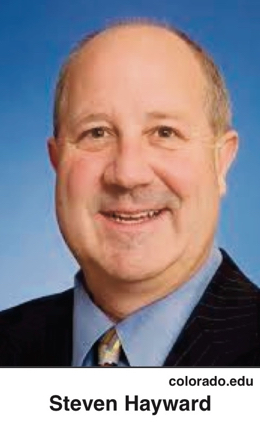
“I was in graduate school in Southern California 30 years ago when the McMartin Preschool scandal erupted, featuring tales of Satanic rituals, underground tunnels, group sex with animals and children, and various acrobatic acts that would challenge Cirque du Soleil, all believed credulously by the media and California prosecutors….
“There was something so literally incredible about (such) ‘Satanic ritual abuse’ cults that serious doubts and questions should have been raised right at the outset.
“Some hard questions are starting to be asked about the latest sequel to the Salem witch trials – the college campus ‘rape culture’ hysteria…. The Rolling Stone story about an especially brutal gang rape at the University of Virginia is provoking considerable backlash– with a few critics suggesting the entire story might be a hoax ….
“It took years for the ‘Satanic child abuse crisis’ to collapse, and several months for the Duke lacrosse scandal to turn around. What is interesting about the UVa story is how quickly it is facing credible challenge….”
– From “The Spirit of Salem Lives On” by Steven Hayward at powerlineblog.com (Dec. 2)
‘That sorry judge should have done something’
 July 15, 2014
“I realize I’m a little flip when I say 80 percent of the evidence is trash, but it is.
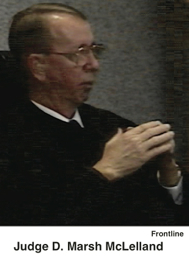
“I thought sooner or later some editorialist was going to write, ‘That sorry judge should have done something.’ And yet if I stopped it, it would have been a problem in an appeal….”
– Judge Marsh McLelland, in an interview published April 1, 1992, in the Greensboro News & Record, shortly after the jury began deliberations in the trial of Bob Kelly
Given that McLelland had been overseeing the Kelly case for more than 17 months – and still had Dawn Wilson’s trial ahead of him – I suppose he deserved to grumble a bit about the tedium.
But what an odd comment about wanting to avoid “a problem in an appeal” – did he believe only the defense was responsible for producing “trash” evidence?
Psychiatric Times clings to embarrassing position
 Feb. 14, 2014
Thanks to Ivan Oransky at Retraction Watch for spotlighting Psychiatric Times’ remarkably inept retraction of Richard Noll’s “When Psychiatry Battled the Devil.”
Don’t miss the update appended by Dr. Noll:
“On 16 January 2014 I received a gracious email from PT’s editor-in-chief, Dr. James Knoll, updating me on the status of my submission. This message cleared up the mystery of the published article’s disappearance from PT.
“According to Dr. Knoll, ‘In an effort to present both sides, PT contacted Dr. (Richard) Kluft (of Philadelphia). Please know that not only did he take exception to a number of your points, but he also raised the issue of legal liability. We are currently in the process of confirming that Dr. Kluft is willing to write a rejoinder to your piece.’
“Apparently he refused. About 10 days later I received another email from Dr. Knoll telling me that the reposting of my piece was to be put on hold at the advice of their attorneys. He did not outright reject the possibility it would be reposted, but I have heard nothing since….”
Followers of Retraction Watch – or even of littlerascalsdaycarecase.org – are not surprised to see editors go to absurd lengths to avoid candid correction. But the behavior of Psychiatric Times, billed as the most widely read psychiatric publication and boasting a lengthily-credentialed editorial board, seems especially unbecoming – even pusillanimous.
Dr. Kluft? Dr.Knoll? Can’t you do better?
2015: Train for justice stayed stuck at station
Dec. 30, 2015
Where things stand at year’s end in the obscure but still hopeful world of littlerascalsdaycarecase.org:
– Junior Chandler continues to wait for a decision from the Duke Wrongful Convictions Clinic on whether to take up his case. On April 15 he will begin serving his 30th year in prison.
– North Carolina’s most recent two governors and its current attorney general all have ignored my appeals for a “statement of innocence” for the Edenton Seven. Might the approaching election offer opportunities at least to publicly frame the question?
– Professional journals are still refusing to publish retractions for the articles they published supporting the existence of “satanic ritual abuse” in the nation’s day cares.
– The Internet remains a poisonous cornucopia of authoritatively rendered misinformation. This is from a message board exchange I happened on earlier this month:
“I have heard the rumors that there are a large number of satanists who abuse their children in satanic rituals. I have heard even more about the illuminati having orgy parties like the one in ‘Eyes Wide Shut’ where they rape children on an altar and then kill them in a sacrifice to Satan and then drink their blood. But I have no idea of knowing if any of this is actually true and if it is true how common it is….”
“These stories are true, for the most part. I met a young woman through my pro-life apostolate who had had several abortions – not of her own choice. She had been a prisoner of these satanists (her parents were involved in it) who had her impregnated with the precise purpose of the ritual sacrifice of abortion…..”
The only surprise here is the qualifier “for the most part” – among SRA believers, only absolute gullibility is allowed….
– Finally, thanks to all those who have expressed support for the wrongfully prosecuted defendants in the “satanic ritual abuse” era. Let’s hope 2016 cracks the door to the exoneration they so profoundly deserve.